Table of Contents
Let's be honest, walking past a Middle Eastern bakery and catching that sweet, buttery scent of Knafeh? It stops you dead in your tracks. That magical combination of crisp pastry, gooey melted cheese, and fragrant syrup is the stuff of dessert legends. It's the quintessentialsweet cheese arabic dessert, known by many names – Knafeh, Kunafa, Kanafeh – but universally loved for its irresistible texture and flavor. You might think whipping up this masterpiece at home is some kind of culinary black magic, reserved only for seasoned pros. Guess what? It’s not. This article is your no-nonsense guide to conquering Knafeh in your own kitchen. We’ll break down exactly what this dessert is, the simple ingredients you need, and walk you through the steps, hitting the essential tips and tricks along the way. Get ready to impress yourself and everyone else with your newfound Knafeh skills.
What Exactly is Sweet Cheese Arabic Dessert (Knafeh)?
What Exactly is Sweet Cheese Arabic Dessert (Knafeh)?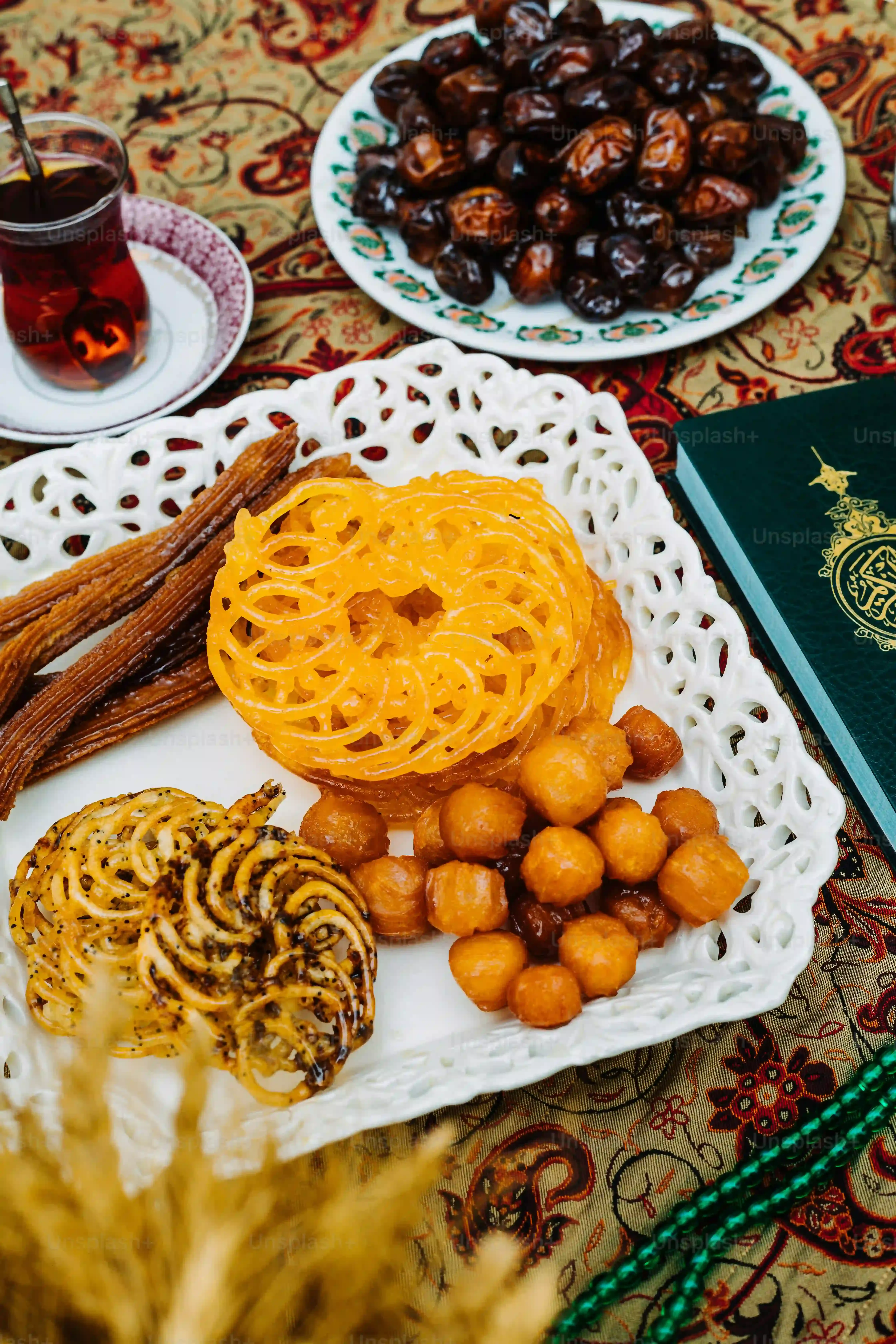
More Than Just Dessert: A Cultural Icon
When people talk aboutWhat Exactly is Sweet Cheese Arabic Dessert (Knafeh)?, they're usually talking about Knafeh. It's not just some sweet treat; it's a big deal across the Middle East and beyond. Think of it like apple pie in America, but with way more drama and stretchy cheese. You'll find it everywhere from bustling street stalls to fancy restaurant menus, especially during Ramadan and other celebrations. It goes by a few names – Kunafa, Kanafeh, Konafi – depending on where you are, but the core idea remains the same: layers of pastry and cheese soaked in sweet syrup.
Deconstructing the Delicious Layers
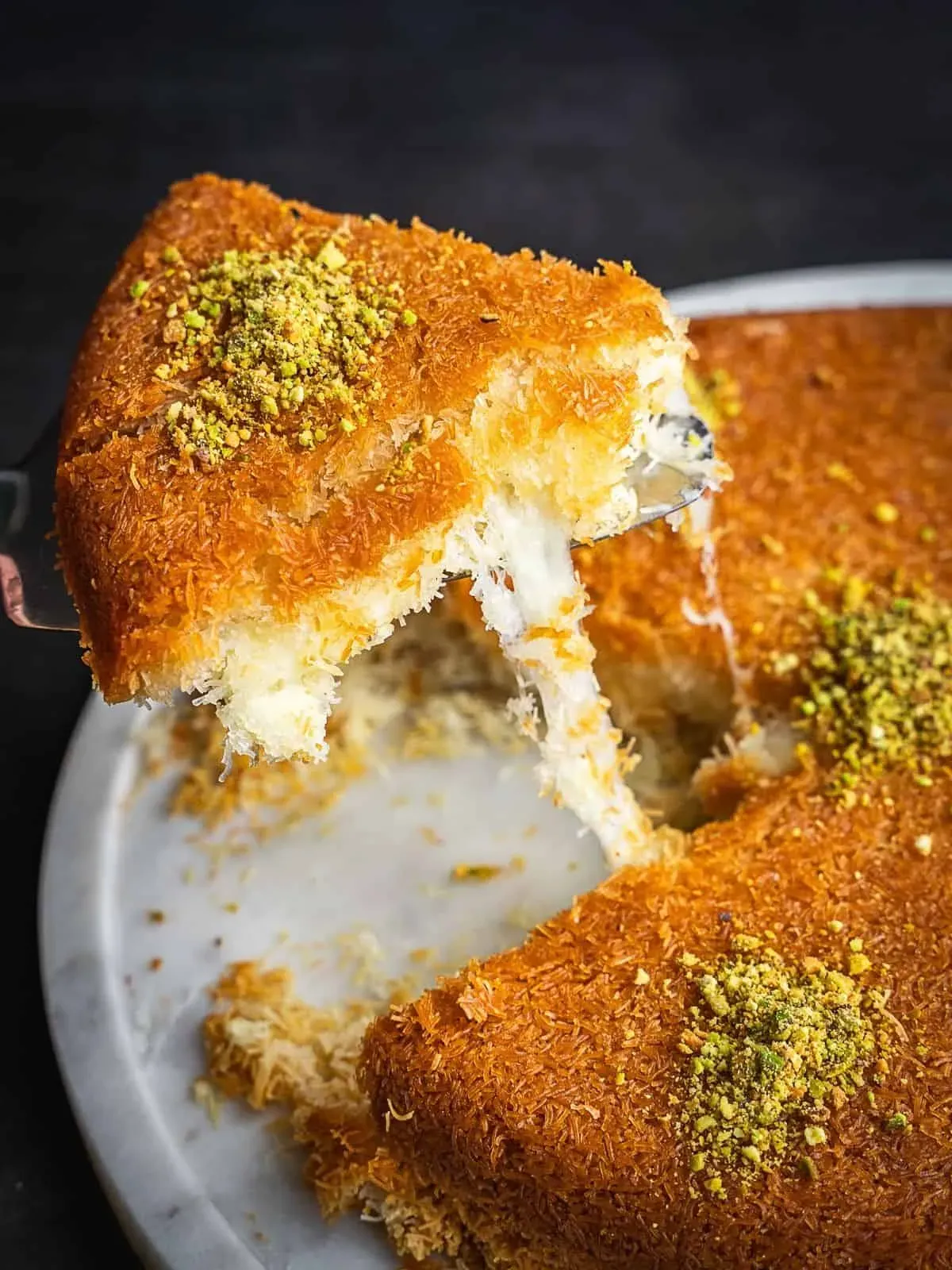
So, what makes this dessert tick? It's a specific combination of textures and flavors. The base is typically made from kataifi, which is a type of shredded phyllo dough. Imagine super-fine, hair-like strands of pastry that crisp up beautifully when baked. Then comes the cheese layer. This isn't just any cheese; it needs to melt and stretch like mozzarella but often has a slightly different flavor profile, sometimes a bit more mild or even slightly salty to contrast with the sweetness. Finally, a hot sugar syrup, often scented with rose water or orange blossom water, gets poured over the whole thing right when it comes out of the oven. That hot syrup hitting the warm pastry and cheese creates a symphony of textures and aromas.
Here are some common names for this dessert:
- Knafeh
- Kunafa
- Kanafeh
- Konafi
- Kunafeh
The Magic of the Melt
The real showstopper is that cheese pull. A good Knafeh will have a layer of cheese that stretches and stretches when you lift a piece. This isn't just for show; it adds a creamy, slightly savory counterpoint to the sweet, crunchy pastry. Getting that perfect melt requires the right type of cheese and baking it just right. It's a delicate balance – you want it fully melted and gooey, but not so hot that it becomes greasy or separates. Mastering this cheese layer is arguably the most critical part of making a truly memorable sweet cheese arabic dessert.
The Core Ingredients of a Perfect Sweet Cheese Arabic Dessert
The Core Ingredients of a Perfect Sweet Cheese Arabic Dessert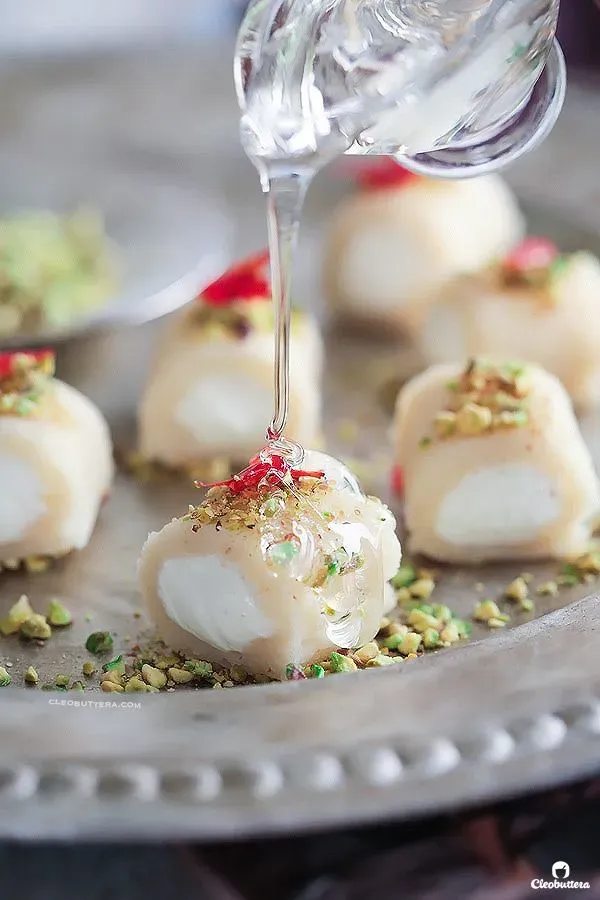
Getting Friendly with Kataifi Dough
Alright, let's talk about the foundation of yoursweet cheese arabic dessert: the kataifi dough. This stuff looks like a messy ball of shredded wheat, but it's actually finely shredded phyllo dough. You can usually find it in the freezer section of Middle Eastern or international grocery stores. The key here is to thaw it properly – usually overnight in the fridge is best. If you try to work with it frozen or partially frozen, it'll break and become a nightmare. Once thawed, you need to separate the strands gently. Think of it like untangling fine hair. This helps it crisp up evenly when it bakes. Don't rush this part; a little patience goes a long way to getting that perfect golden crunch.
Choosing the Right Cheese for the Gooey Center
Now for the star: the cheese. This isn't your everyday cheddar. For a traditional sweet cheese arabic dessert, you want a cheese that melts beautifully and stretches, but doesn't have a strong flavor that will overpower the sweetness. Akawi cheese is the classic choice in many regions. It's a mild, brined cheese that needs to be soaked beforehand to get rid of excess salt. Alternatively, a low-moisture mozzarella works well and is much easier to find. Some people even mix mozzarella with a bit of ricotta or a mild halloumi (soaked to de-salt). The goal is a smooth, creamy, stretchy layer that contrasts with the crisp pastry. Avoid pre-shredded cheeses; they often contain starches that can make the cheese layer grainy instead of smooth and gooey.
Common Cheese Options for Knafeh:
- Akawi (requires soaking)
- Low-moisture Mozzarella
- Nabulsi (requires soaking)
- Ricotta (often mixed with another cheese)
- Mild Halloumi (requires soaking)
The Syrup and the Golden Touch (Fat)
Finally, you need the liquid gold: the syrup and the fat. The syrup is simple – just sugar and water, boiled until slightly thickened. The magic comes from the optional flavorings, like a splash of rose water or orange blossom water. These floral notes are classic in Middle Eastern desserts and give Knafeh its signature aroma. You make this syrup *before* you bake the Knafeh, so it's ready to pour over the hot pastry. And the fat? Ghee (clarified butter) is the traditional choice because it has a high smoke point and imparts a lovely nutty flavor. Melted unsalted butter is a perfectly acceptable substitute if ghee isn't handy. You toss the shredded kataifi with this melted fat *before* layering it. This is crucial for achieving that beautiful golden color and crispy texture. Without enough fat, your kataifi will just be dry and brittle, not delightfully crisp.
Assembling Your Own Sweet Cheese Arabic Dessert Masterpiece
Assembling Your Own Sweet Cheese Arabic Dessert Masterpiece
Layering Like a Pro
you've got your beautifully thawed kataifi, your chosen cheese ready to go, and that glorious melted ghee or butter. Now comes the fun part: putting it all together to create yoursweet cheese arabic dessert masterpiece. Think of this as building a delicious, cheesy fortress. First, you need to coat the kataifi generously with the melted fat. Don't be shy here; this is what makes it crispy and golden. Really work it in with your hands, ensuring every strand gets some love. Then, press about half of the buttered kataifi into the bottom of your pan. You want a compact, even layer. This bottom layer is your foundation, so make it solid. Next up is the cheese. Spread your prepared cheese evenly over the kataifi base, making sure it goes right to the edges. This prevents the pastry from sticking to the pan and gives you that perfect edge-to-edge cheese pull. Finally, take the remaining buttered kataifi and gently scatter it over the cheese layer, trying to cover it completely. Don't press this top layer down as hard as the bottom; you want it a little looser so it crisps up airily.
Key Assembly Steps:
- Thoroughly coat kataifi with melted fat.
- Press half the kataifi into the bottom of the pan.
- Spread cheese evenly over the kataifi base.
- Cover cheese with remaining kataifi, loosely.
- Prepare for baking!
Tips and Tricks for a Killer Sweet Cheese Arabic Dessert
Tips and Tricks for a Killer Sweet Cheese Arabic Dessert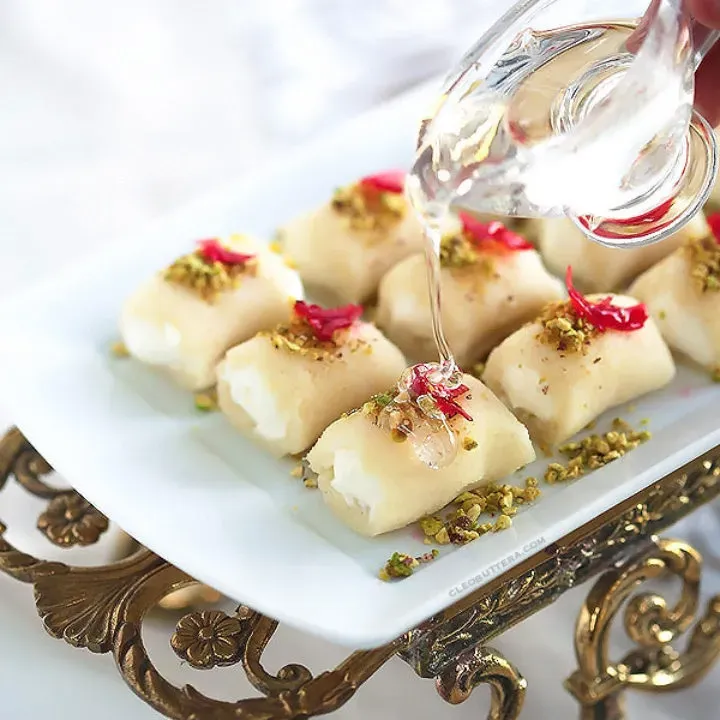
Secrets to Sweet Success
Alright, so you've got your Knafeh assembled, looking all ready for its close-up. Now, let's talk about the little things that elevate yoursweet cheese arabic dessertfrom 'pretty good' to 'absolutely killer'. First off, temperature is your friend. Make sure your sugar syrup is ready and waiting *before* the Knafeh comes out of the oven. Pouring cold syrup on hot Knafeh is a rookie mistake; you want that glorious sizzle and soak. Also, don't skimp on the ghee or butter when coating the kataifi – that's your ticket to ultimate crispiness. Another pro tip: press the bottom layer firmly into the pan to create a solid base that won't fall apart, but be gentler with the top layer so it gets airy and crunchy. Finally, give it a few minutes to rest after pouring the syrup, letting all that sweet goodness seep in before you dive in.
Troubleshooting Your Sweet Cheese Arabic Dessert Endeavors
Troubleshooting Your Sweet Cheese Arabic Dessert Endeavors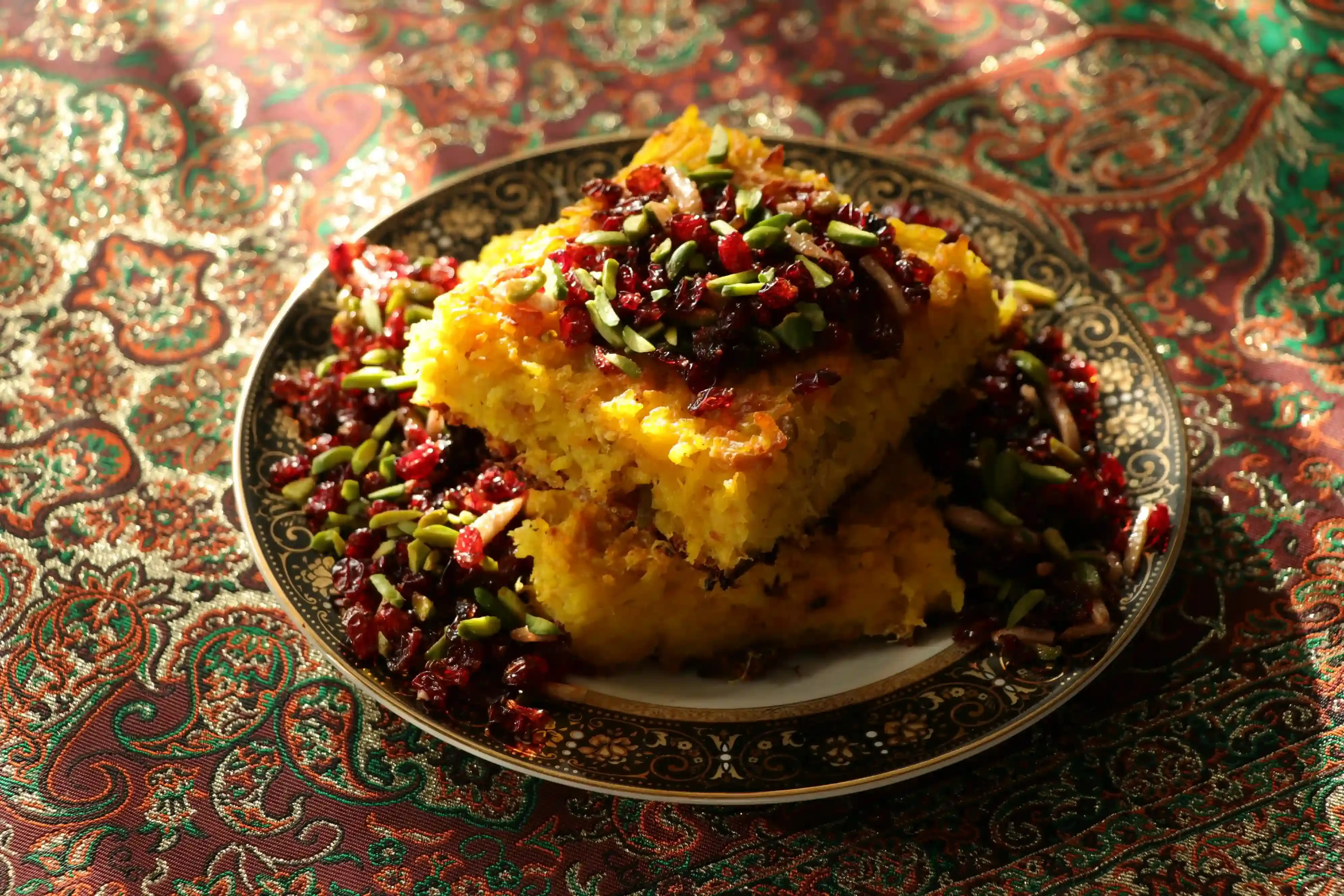
Why Your Knafeh Might Be Soggy (And How to Fix It)
let's talk about the dreaded soggy bottom. Or top. Or just soggy everywhere. You put in the effort, you followed the steps, and instead of that glorious crunch, you got... well, something limp. This is a common issue when tacklingTroubleshooting Your Sweet Cheese Arabic Dessert Endeavors. The main culprit is often the syrup. Pouring too much syrup, or pouring it at the wrong temperature onto Knafeh that isn't hot enough, can lead to a sad, damp mess instead of a crispy, sweet delight. Also, not using enough fat (ghee or butter) on your kataifi dough before baking means it won't crisp up properly in the first place. Remember how we talked about coating every strand? That wasn't just for show. It's essential for creating a barrier and helping the dough fry in the oven.
Cheese That Just Won't Cooperate
Another head-scratcher can be the cheese. You slice into your beautiful creation, expecting that dramatic, stretchy pull, and... nothing. It's just sitting there, maybe melted a little, but certainly not performing its star role. This usually comes down to the type of cheese or the baking time. Using cheese with too much moisture (like fresh mozzarella that hasn't been drained) can result in a watery, non-stretchy layer. If you're using traditional Akawi or Nabulsi, not soaking it enough to remove the salt and excess moisture can also affect its melt. Sometimes, it's simply a matter of not baking it long enough for the cheese to fully heat through and become molten. The top might look golden, but the inside needs time to catch up.
Common Knafeh Problems & Quick Fixes:
- Soggy pastry: Use enough fat on kataifi, ensure syrup is hot and Knafeh is hot when pouring, don't over-syrup initially.
- Cheese not melting/stretching: Use low-moisture cheese, soak traditional cheeses properly, bake until cheese is fully molten.
- Uneven browning: Rotate the pan halfway through baking.
- Syrup is too thick/thin: Adjust boiling time (longer for thicker, add water for thinner).
Uneven Baking and Syrup Struggles
Sometimes the problem isn't the ingredients themselves, but the process in the oven. You might get a beautifully browned edge, but the center is still pale, or one side is perfect while the other looks underdone. Ovens have hot spots, it's a fact of life. To combat uneven baking in yoursweet cheese arabic dessert, try rotating the pan halfway through the baking time. This simple step helps ensure that heat is distributed more evenly, giving you consistent golden color across the entire surface. As for the syrup, getting the consistency right is key. Too thick and it won't penetrate the pastry; too thin and it just makes things watery. If your syrup ends up too thick, you can gently heat it with a tablespoon or two of water to thin it out slightly before pouring. If it's too thin, you'll need to make a new batch or boil the current one down further, though the latter can be tricky once it's cooled.
Your Sweet Cheese Arabic Dessert Triumph
So there you have it. The mystery behind that captivatingsweet cheese arabic dessertis, well, not much of a mystery after all. It’s butter, shredded pastry, some cheese, and sugar water. No ancient secrets or hidden rituals required. You followed the steps, maybe got a little messy with the ghee, and now you’ve got a tray of golden, bubbly Knafeh cooling slightly on your counter. It’s not always picture-perfect the first time, and that’s fine. The point is, you made it. Slice into that crisp crust, watch that cheese stretch, and drizzle on that syrup. You’ve earned it. Go ahead, take a bite. See? Told you it wasn't that hard.