Table of Contents
Are you on a ketogenic diet and have nut allergies? Don't despair! This article is your guide to a world of delicious and safe keto desserts, completely free of nuts. We'll explore a range of "nut free keto dessert recipes," from easy beginner-friendly treats to more advanced baking projects. First, we'll dive into simple recipes perfect for those just starting their keto journey, ensuring you can enjoy sweet treats without the fuss. Then, we'll tackle more complex recipes, showcasing the versatility and creativity possible in nut-free keto baking. Finally, we’ll address common challenges, offering solutions to help you avoid pitfalls and achieve perfectly baked, nut-free keto desserts every time. Get ready to discover a whole new level of deliciousness, because satisfying your sweet tooth on keto without nuts is entirely possible! Let's get baking!
Simple NutFree Keto Dessert Recipes for Beginners
Simple NutFree Keto Dessert Recipes for Beginners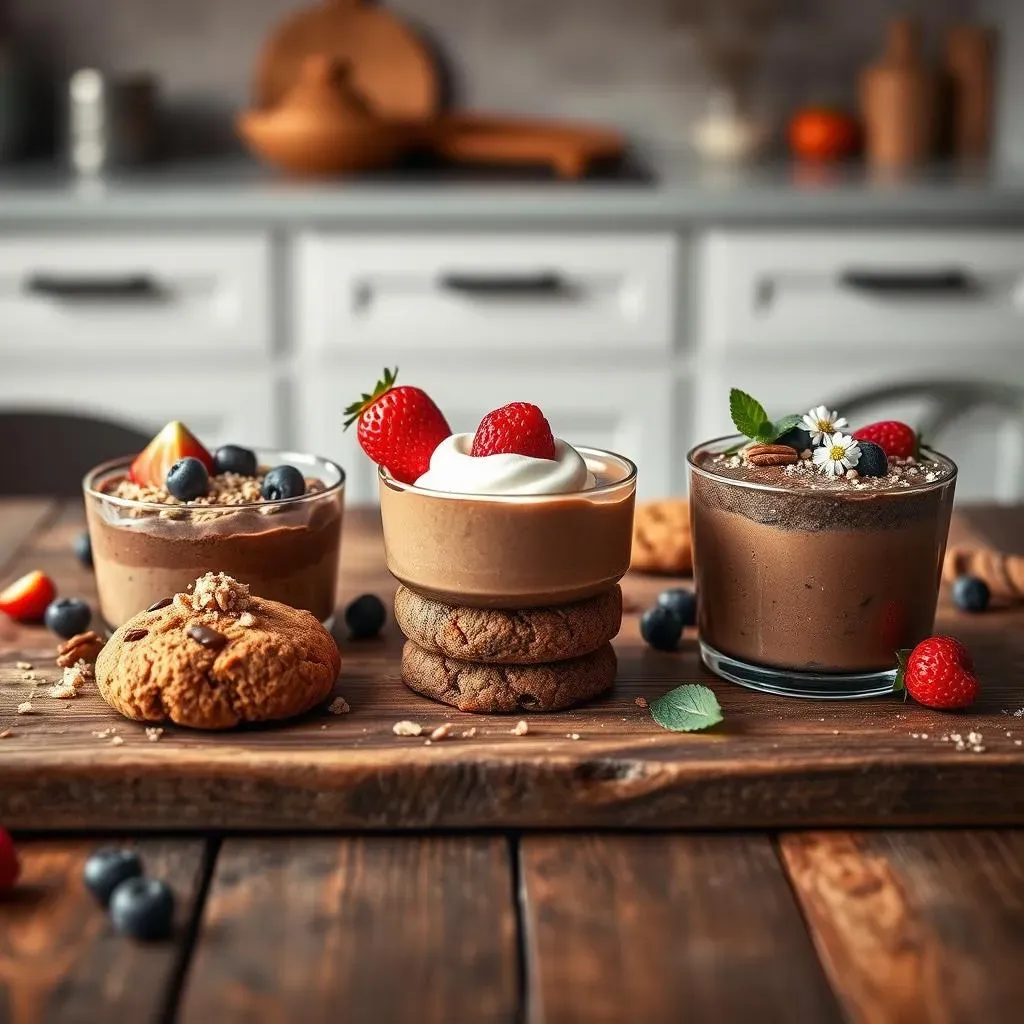
Easy Keto Chocolate Avocado Mousse
Let's start with a ridiculously simple recipe: chocolate avocado mousse! It sounds weird, I know, but trust me. The richness of the avocado blends seamlessly with the cocoa powder, creating a decadent, creamy texture that's surprisingly light. You won't even taste the avocado! This recipe requires minimal ingredients and no fancy equipment – just a blender and a bowl. The key is using ripe avocados for a smoother consistency.
Seriously, it's that easy. It’s a great way to sneak in some healthy fats while satisfying your chocolate cravings. This recipe is also naturally gluten-free and dairy-free, making it incredibly versatile for various dietary needs. You can easily adjust the sweetness by adding more or less sweetener to your liking.
Ingredient | Amount |
|---|---|
Ripe Avocados | 2 |
Unsweetened Cocoa Powder | 2 tbsp |
Erythritol or other Keto-Friendly Sweetener | 2 tbsp (adjust to taste) |
Vanilla Extract | 1 tsp |
Heavy Cream (optional, for extra richness) | 1/4 cup |
Quick & Easy Keto Coconut Flour Cookies
Next up: keto coconut flour cookies. These little bites of heaven are surprisingly easy to whip up. Coconut flour is a fantastic keto-friendly ingredient because it absorbs liquid well, creating a dense yet satisfying cookie. The recipe relies on simple ingredients you likely already have in your pantry. Remember, don't overmix the dough; a slightly lumpy texture is perfectly fine and will result in chewier cookies.
These cookies are perfect for satisfying a sudden sweet craving. They're also easily customizable – add chocolate chips, vanilla extract, or even a pinch of cinnamon for a warm spice flavor. Experiment with different keto-friendly sweeteners to find your perfect level of sweetness. The beauty of this recipe is its simplicity and adaptability; it's a blank canvas for your culinary creativity.
- 1 cup coconut flour
- 1/2 cup keto-friendly sweetener (erythritol, etc.)
- 1/4 cup unsweetened applesauce
- 1/4 cup coconut oil, melted
- 1 tsp vanilla extract
- 1/4 tsp baking soda
- Pinch of salt
Simple Keto Chocolate Chia Seed Pudding
Finally, let's look at a no-bake option: keto chocolate chia seed pudding. This recipe is incredibly easy; it requires no baking at all! Chia seeds are nutritional powerhouses and incredibly versatile. They absorb liquid and create a pudding-like texture when combined with a liquid base. This recipe combines the goodness of chia seeds with the rich flavor of chocolate for a healthy and satisfying dessert.
The beauty of this recipe lies in its simplicity and customizability. Feel free to add other keto-friendly ingredients like berries, cocoa nibs, or even a touch of peanut butter (if you don't have nut allergies!). It's a perfect make-ahead dessert; prepare it in the evening, and it'll be ready to enjoy the next day. This is a delicious and healthy way to end your day, offering a guilt-free indulgence.
Advanced NutFree Keto Dessert Recipes: Elevate Your Baking
Advanced NutFree Keto Dessert Recipes: Elevate Your Baking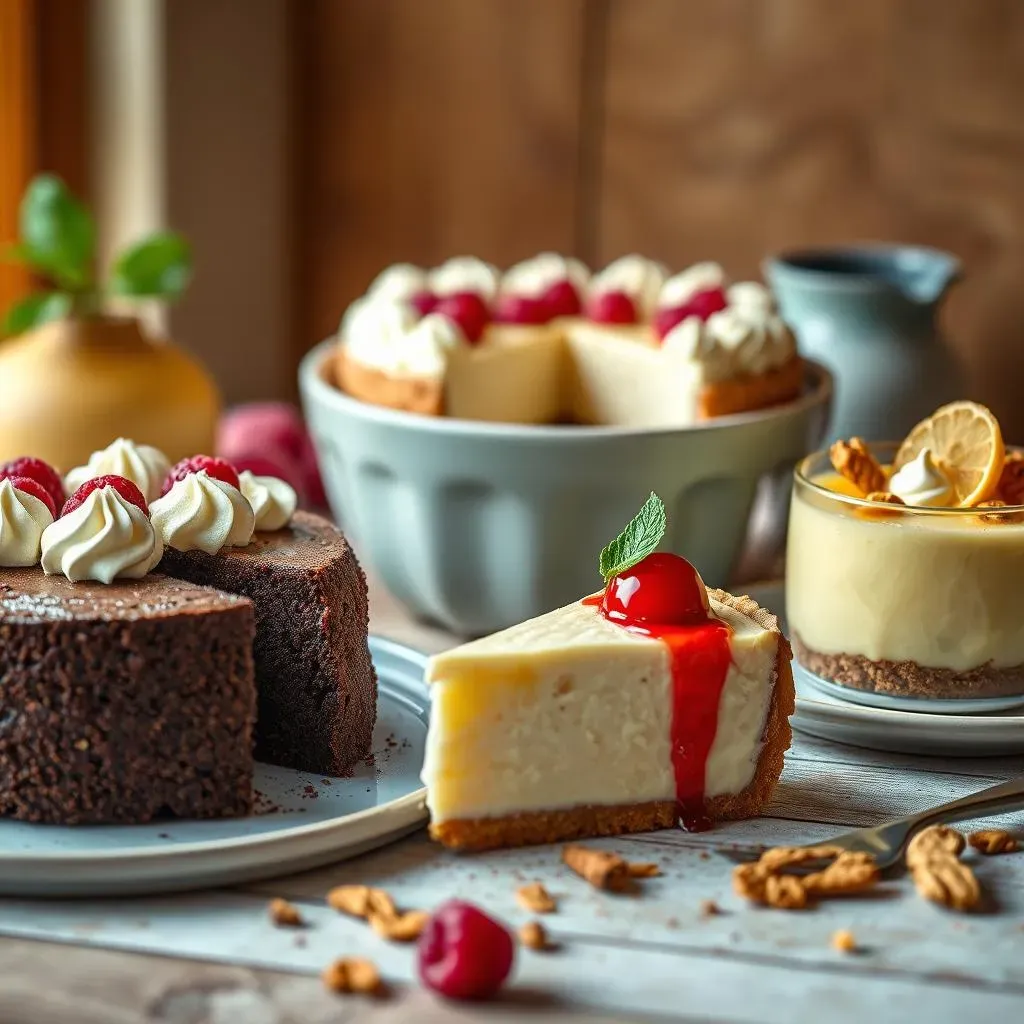
Keto Flourless Chocolate Cake with Raspberry Coulis
Let's move beyond the basics! This flourless chocolate cake is a showstopper. The secret lies in using almond-free alternatives like coconut flour (carefully measured to prevent dryness) and a rich cocoa powder base. The texture is intensely decadent, almost like a brownie but with a lighter, airier crumb. We'll add a vibrant homemade raspberry coulis for a touch of tartness that balances the richness of the chocolate. This recipe requires a bit more precision and technique, but the results are well worth the effort. It's perfect for impressing guests or celebrating a special occasion.
The coulis is simple to make, requiring only fresh raspberries, a touch of sweetener, and a bit of lemon juice to brighten the flavors. The cake itself needs a gentle hand; overmixing can lead to a tough texture. Baking time is crucial; use a toothpick to check for doneness before removing it from the oven. Allowing the cake to cool completely before adding the coulis will prevent it from becoming soggy. Consider using a high-quality dark cocoa powder for a richer, more intense chocolate flavor.
Ingredient | Cake | Coulis |
|---|---|---|
Eggs | 4 | - |
Coconut Flour | 1/2 cup | - |
Cocoa Powder | 1/4 cup | - |
Sweetener | 1/4 cup | 2 tbsp |
Raspberries | - | 1 cup |
Keto Coconut Cream Pie with a Cashew-Free Crust
Next, we'll tackle a classic: coconut cream pie. But, we're making it keto and completely nut-free! This requires a creative approach to the crust. Forget the traditional graham cracker crust; we'll use a combination of coconut flour, almond-free butter, and a touch of sweetener to create a surprisingly flaky and delicious base. The filling is a luscious coconut cream, sweetened with your favorite keto-friendly sweetener and infused with a hint of vanilla and lime for a refreshing twist. This recipe is a true testament to the possibilities of nut-free keto baking.
Creating a nut-free crust that's both flavorful and structurally sound takes some experimentation. The key is to not overbake the crust; it should be golden brown and slightly firm but not hard or brittle. The coconut cream filling requires chilling for at least four hours to allow it to set properly. This is a recipe that rewards patience and attention to detail. The result? A pie that's both impressive and delicious, proving that you don't need nuts to create a truly satisfying keto dessert.
- Crust: Coconut flour, almond-free butter, sweetener, pinch of salt.
- Filling: Full-fat coconut milk (canned), sweetener, vanilla extract, lime zest.
- Optional: Toasted coconut flakes for garnish.
Keto Lemon Posset with Candied Ginger
Finally, a sophisticated and elegant dessert: keto lemon posset with candied ginger. This is a light, refreshing dessert that's perfect for a warm evening. A posset is a simple custard-like dessert made with cream, lemon juice, and sweetener. We'll enhance it with the spicy warmth of candied ginger, providing a delicious contrast to the tartness of the lemon. This recipe is relatively quick to make but requires a bit of finesse in achieving the perfect consistency.
The key to a successful lemon posset is using fresh, high-quality ingredients. Ensure your cream is full-fat for the best texture and richness. The candied ginger adds a unique complexity to the flavor profile. You can easily adjust the sweetness and tartness to suit your preferences. The beauty of this dessert is its simplicity and the balance of flavors. It's a sophisticated dessert that showcases the elegance and refinement achievable within the constraints of a ketogenic diet.
Troubleshooting Common Issues in NutFree Keto Baking
Troubleshooting Common Issues in NutFree Keto Baking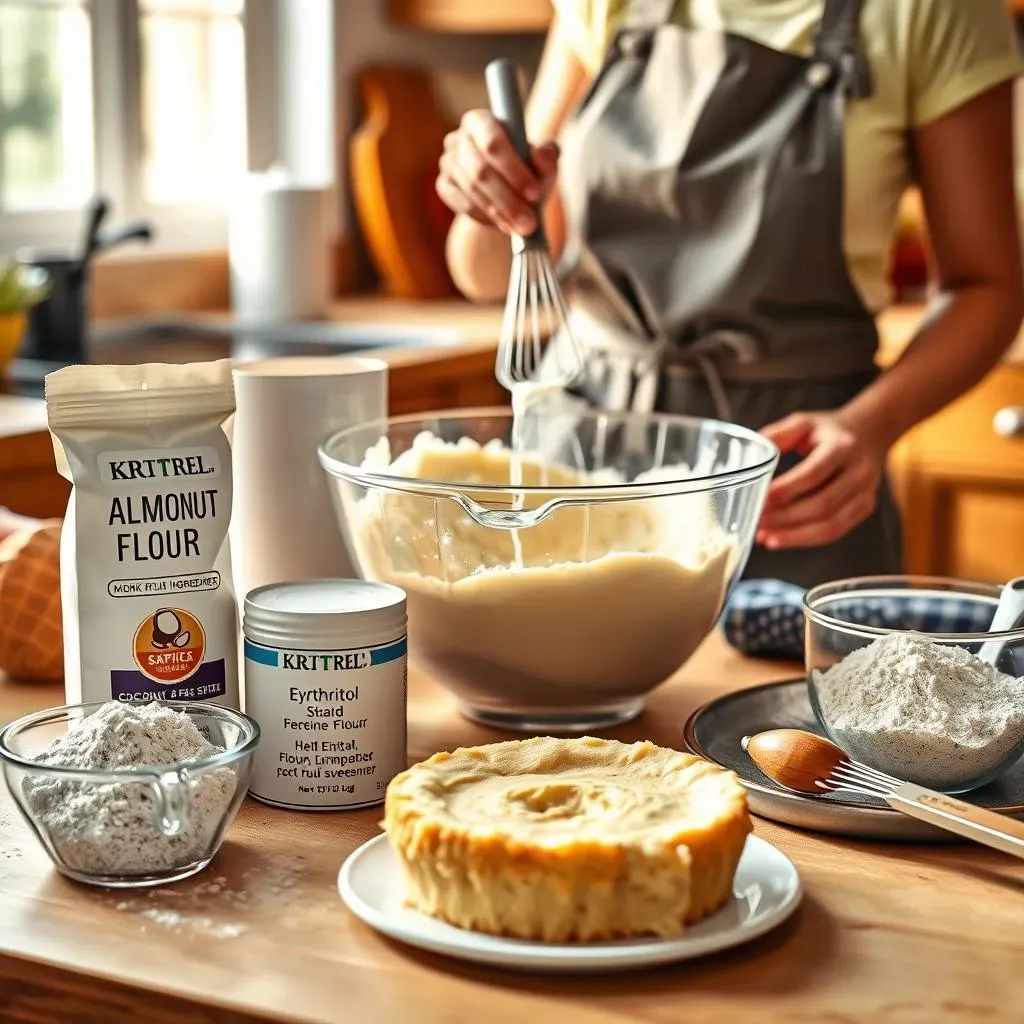
Dry or Crumbly Textures
One common problem with nut-free keto baking is dryness. Many nut-free flour alternatives, like coconut flour, absorb a lot of liquid. If you don't add enough moisture, your baked goods will be dry and crumbly. The solution? Carefully follow the recipe's instructions regarding liquid amounts. Don't be afraid to add a tablespoon or two more of liquid if the dough seems too dry. Experiment with different types of liquid, like unsweetened applesauce or even a bit of heavy cream, to find what works best for your recipe and desired texture. Overmixing can also lead to dryness; gently mix the ingredients until just combined.
Another trick is to use ingredients that add moisture, such as mashed avocado (in chocolate desserts) or full-fat coconut milk (in creamy recipes). Sometimes, a slightly wetter dough is better than a dry one, as it will bake up more evenly and moistly. Remember, practice makes perfect! The more you bake, the better you'll become at adjusting liquid amounts to achieve the ideal texture. Don't be discouraged if your first attempt isn't perfect.
Problem | Cause | Solution |
|---|---|---|
Dry baked goods | Insufficient liquid, overmixing | Add more liquid, mix gently |
Crumbly texture | Too much flour, not enough fat | Reduce flour, add more fat |
Sweetener Issues
Keto-friendly sweeteners can be tricky. Some sweeteners can affect the texture and taste of your baked goods more than others. Erythritol, for example, can sometimes give a slightly cooling sensation, while others may not brown as well as sugar when baked. The key is to experiment and find the sweeteners that you like best and that work well with the specific recipe. Always start with the amount specified in the recipe and adjust to taste only after baking the recipe once.
It’s also important to consider the type of sweetener you choose. Some sweeteners can crystallize, leading to a grainy texture. Others might not provide the same level of sweetness as sugar, so you may need to use more than you expect. Read reviews of recipes using different sweeteners to get an idea of which ones work best. Don't be afraid to try different combinations of sweeteners to find the perfect balance of sweetness and texture for your preference.
- Erythritol: Often used for its slight cooling effect.
- Monk fruit: Very sweet, often used in smaller quantities.
- Stevia: Intensely sweet, often needs to be used sparingly.
Achieving the Right Consistency
Getting the right consistency for your nut-free keto desserts can be challenging. Some recipes require a thick, dense batter, while others need a lighter, fluffier one. The type of flour and the amount of liquid used will heavily influence the final consistency. Pay close attention to the instructions, and don't be afraid to use your fingers to test the dough or batter. It should feel right for the recipe's instructions.
If a recipe calls for a specific type of flour, try to stick to it. Substituting flours can greatly affect the outcome of your baked goods. If your batter is too thin, add more flour. If it's too thick, add more liquid. Always err on the side of caution; it's easier to add more ingredients than to take them away. Remember, practice makes perfect, and don't be discouraged if your first few attempts aren't perfect. Keep experimenting, and you'll soon master the art of creating delicious and perfectly textured nut-free keto desserts.