Table of Contents
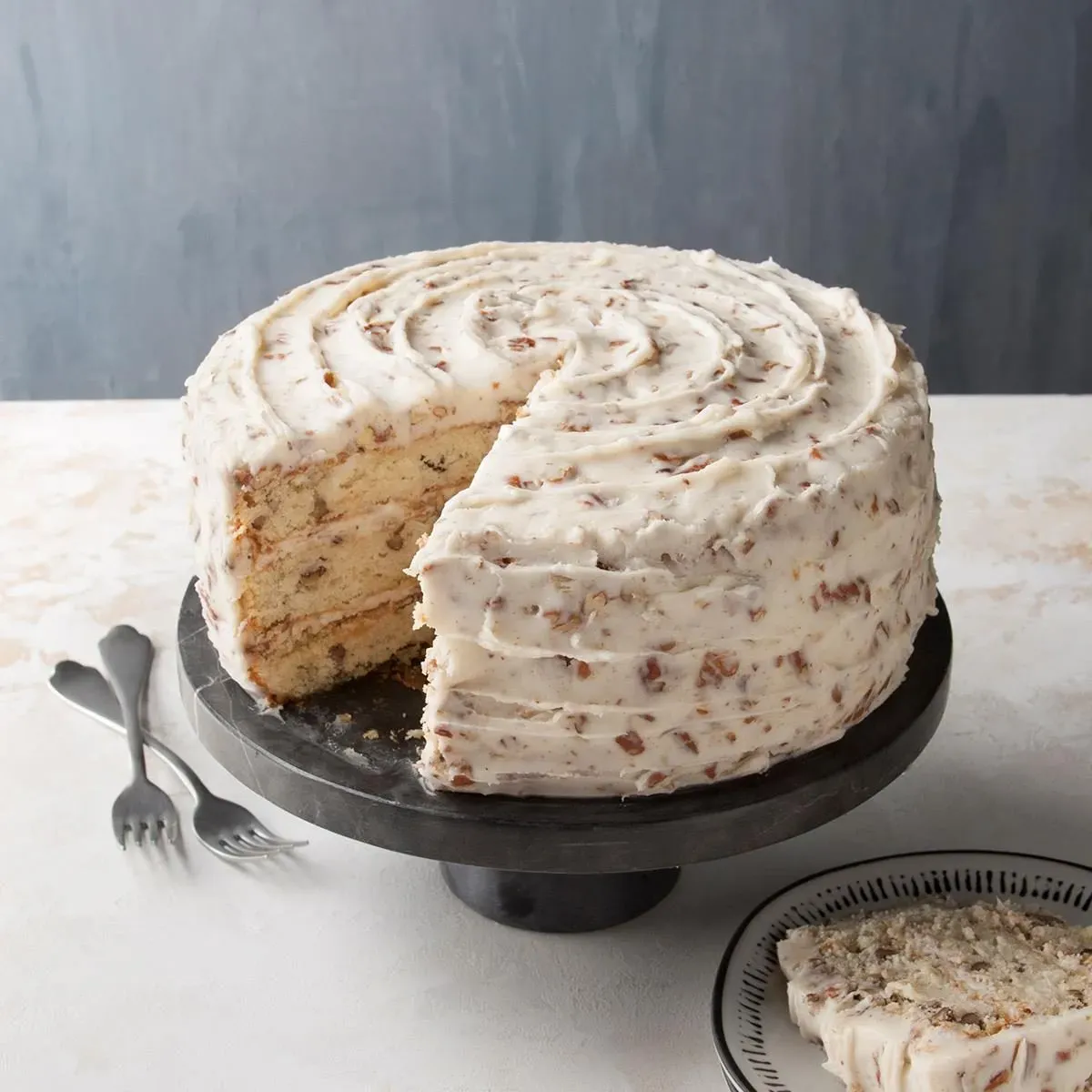
Forget those dense, overly sweet cheesecakes you might find at the grocery store. If you're craving a dessert that feels both rich and light, something with a touch of old-world charm, then you need to explore the world of Italian cream cheese dessert. This isn't just any cheesecake; it's a creamy, ricotta-infused marvel that skips the heavy, cloying texture for something far more delicate. It’s the kind of dessert that finishes a meal without leaving you feeling like you swallowed a brick. We're diving into a classic version today, focusing on a recipe that balances the tang of cream cheese with the subtle sweetness and smooth consistency of ricotta. This guide walks you through everything, from gathering the surprisingly simple ingredients to mastering the baking process that prevents those dreaded cracks. We'll cover the exact measurements, the mixing techniques, and even some smart tips borrowed from generations of bakers to ensure your Italian cream cheese dessert comes out perfectly every time. Get ready to bake something truly special.
Italian Cream Cheese Dessert: A Taste of Tradition
Italian Cream Cheese Dessert: A Taste of Tradition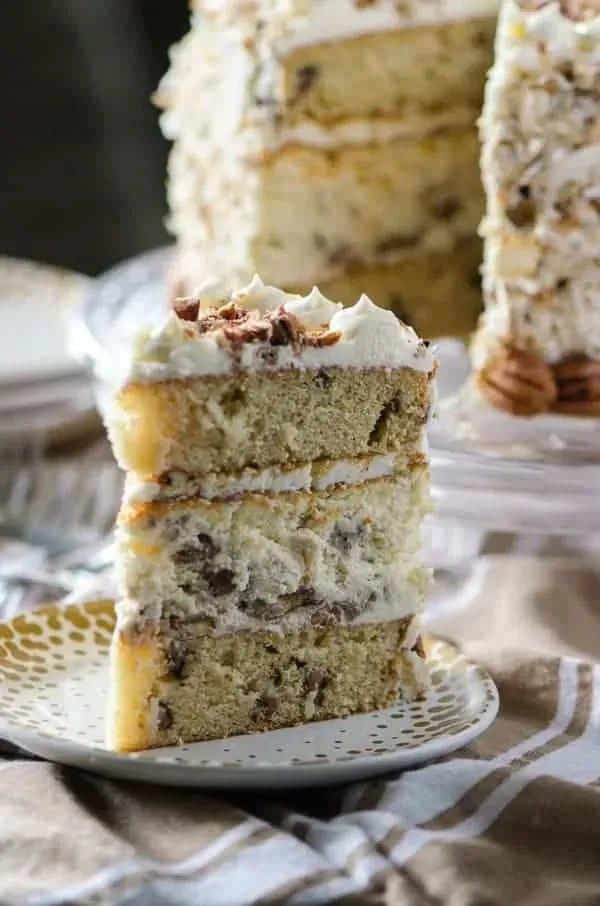
More Than Just Cheesecake
When we talk about Italian cream cheese dessert, the first thing that probably pops into your head is cheesecake, right? And you're not wrong. But it's a specific kind, often lighter than the dense New York style. Think less brick, more cloud. Historically, Italian cheesecakes, or "torta di formaggio," leaned heavily on fresh cheeses like ricotta, sometimes mixed with mascarpone or even a little cream cheese later on. These weren't always the towering affairs we see today; many were simpler, baked in a rustic tin, perhaps flavored with citrus zest or a splash of liqueur. It's about using good, fresh ingredients to create something comforting and elegant, not overly complicated.
Family Recipes and Regional Twists
The beauty of Italian Cream Cheese Dessert: A Taste of Tradition lies in its variations, often passed down through families. My Nonna used to add a tiny bit of semolina to hers, a trick she said kept it from cracking. Other regions might favor different cheeses or flavorings. In Sicily, you might find candied fruit folded in, while a recipe from the Veneto might be simpler, letting the quality of the ricotta shine. It's a dessert deeply tied to home kitchens and personal touches, which is why finding a single definitive "Italian cheesecake" recipe is nearly impossible. Each one tells a story.
What makes an Italian cream cheese dessert different?
- Often uses ricotta cheese, sometimes with cream cheese or mascarpone.
- Tends to be lighter and less dense than American-style cheesecake.
- Frequently flavored with lemon zest or vanilla.
- Baking methods often focus on preventing cracks.
- Recipes vary significantly by region and family.
Gathering Ingredients for Your Italian Cream Cheese Dessert
Gathering Ingredients for Your Italian Cream Cheese Dessert
The Cheese Foundation: Ricotta and Cream Cheese
Alright, so you're ready to tackle this Italian cream cheese dessert. The first step, obviously, is getting your hands on the right stuff. And when we talk Italian cheesecake, we start with the cheese. You absolutely need good quality ricotta. Skip the watery stuff in the big tubs if you can. Look for whole milk ricotta, preferably one that feels a bit denser, almost like cottage cheese but smoother. Some people even drain their ricotta overnight in cheesecloth to get rid of excess moisture, which helps prevent a soggy bottom and ensures a creamier texture. Then there's the cream cheese. Use full-fat brick cream cheese, the kind that comes wrapped in foil. Let it soften at room temperature; this is non-negotiable. Trying to beat cold cream cheese into submission is a losing battle, and you'll end up with lumps. We're aiming for silky smooth here, remember?
Rounding Out the Pantry Staples
Beyond the cheese, you'll need the usual suspects for baking. Eggs are crucial for structure and richness. Make sure they're at room temperature too – it helps them incorporate better into the batter. Granulated sugar provides sweetness, obviously, but also helps with the texture. A touch of flour or cornstarch is often included to give the cheesecake a little stability and prevent cracking, acting like a safety net. Don't forget the flavorings! Lemon zest is classic in Italian cheesecakes, adding a bright, fresh counterpoint to the richness. Vanilla extract is a given. Some recipes call for a splash of sour cream or a bit of melted butter for extra richness and a tender crumb. Gathering everything before you start saves you from frantic searches mid-mix.
Essential Ingredients Checklist
- Whole milk ricotta cheese (drained if necessary)
- Full-fat brick cream cheese (softened)
- Large eggs (room temperature)
- Granulated sugar
- All-purpose flour or cornstarch
- Fresh lemon zest
- Vanilla extract
- Optional: Sour cream, melted butter
Crafting the Perfect Italian Cream Cheese Dessert Batter
Crafting the Perfect Italian Cream Cheese Dessert Batter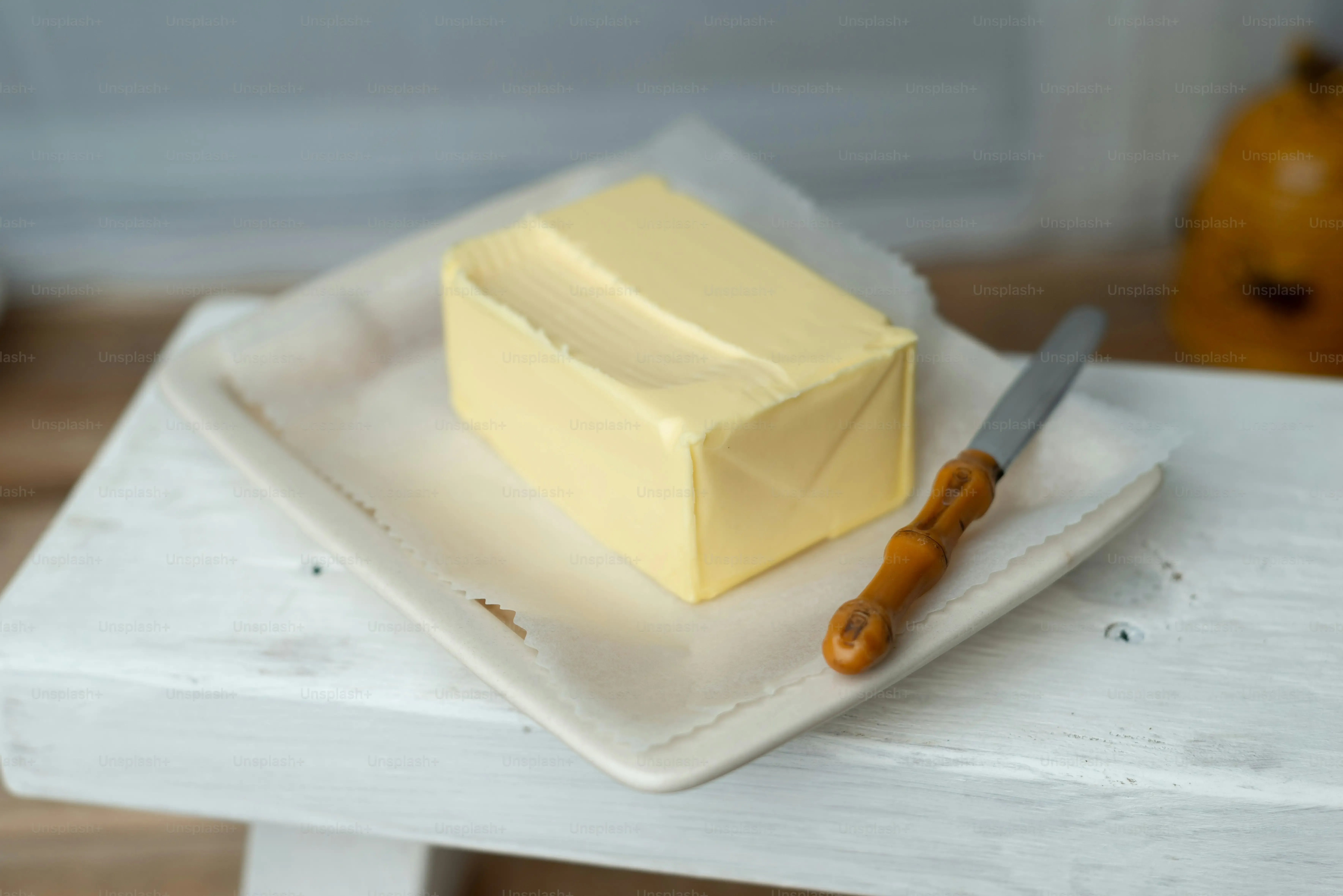
Getting Started: Creaming the Cheese and Sugar
Alright, let's get our hands a little sticky and dive into Crafting the Perfect Italian Cream Cheese Dessert Batter. This is where the magic starts, but also where things can go sideways if you're not paying attention. First up, you've got your softened cream cheese and your drained ricotta. Throw them into a large mixing bowl. Now, add your granulated sugar. The key here is to beat them together until the mixture is completely smooth and creamy. Use an electric mixer on medium speed. Don't rush this part. Scrape down the sides and bottom of the bowl frequently. You're aiming for a texture like smooth frosting, no grainy sugar bits or lumps of cheese allowed. If your cream cheese wasn't soft enough, you'll know it now – tiny, stubborn lumps will mock you. Patience is a virtue, especially with cheese.
Adding the Eggs and Flavorings Gently
Once your cheese and sugar base is looking dreamy, it's time to introduce the eggs. This is another critical juncture in Crafting the Perfect Italian Cream Cheese Dessert Batter. Add the eggs one at a time. Beat each egg into the mixture just until it's combined before adding the next. Overmixing the eggs can incorporate too much air, which might make your cheesecake puff up dramatically in the oven and then crack as it cools. We want smooth and creamy, not airy and fragile. After the eggs are incorporated, whisk in your vanilla extract and that bright lemon zest. If your recipe calls for sour cream or melted butter, add those now too. Mix everything on low speed just until everything is barely blended. Stop the mixer, give it one final scrape down with a spatula to catch anything hiding on the bottom, and you're done. You've got batter.
Mixing Do's and Don'ts
- DO ensure cream cheese is fully softened.
- DO scrape the bowl often when creaming cheese and sugar.
- DO add eggs one at a time.
- DO mix eggs just until combined.
- DON'T use cold cream cheese.
- DON'T overmix the batter, especially after adding eggs.
Baking and Cooling Your Italian Cream Cheese Dessert
Baking and Cooling Your Italian Cream Cheese Dessert
Alright, you've got this beautiful, smooth batter sitting there, looking promising. Now comes the moment of truth: Baking and Cooling Your Italian Cream Cheese Dessert. This isn't like baking a regular cake where you just pull it out when a toothpick comes clean. Cheesecake is finicky. You'll typically bake it at a moderate temperature, around 350°F (175°C), for a good chunk of time – often an hour or more, depending on the size of your pan. The edges should look set, maybe slightly puffed, but the center should still have a bit of a wobble. That wobble is key! It means it's not overbaked. Overbaking is the enemy of creamy cheesecake and the prime suspect behind those heartbreaking cracks. Once the baking time is up, turn off the oven but leave the cheesecake inside with the door propped open slightly. This slow, gradual cooling prevents a sudden temperature shock, which is another major cause of cracking. Let it hang out in the cooling oven for at least an hour. Patience, my friend, is required for a perfect top.
Tips and Tricks for Italian Cream Cheese Dessert Success
Tips and Tricks for Italian Cream Cheese Dessert Success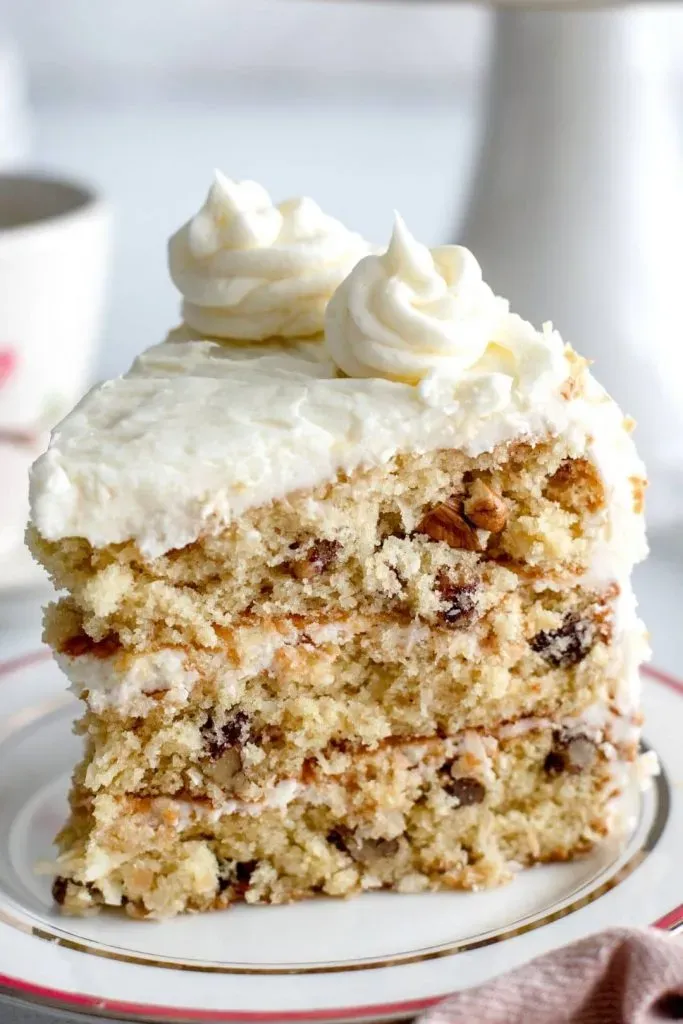
so you've successfully navigated the baking and cooling process for your italian cream cheese dessert, letting it cool down slower than molasses in January to avoid those nasty cracks. But getting that perfect, creamy texture consistently? That takes a few extra tricks up your sleeve. For starters, that room temperature ingredient rule isn't just for show; it ensures everything blends smoothly without lumps. And don't even think about skipping the chilling time. Letting your cheesecake hang out in the fridge for several hours, ideally overnight, lets the flavors meld and the texture firm up properly. I once rushed it for a dinner party, and while it tasted okay, it didn't have that signature dense-but-creamy consistency. It was a little... floppy. Learn from my mistakes. Another thing many bakers swear by is a water bath. Placing your springform pan (wrapped tightly in foil to prevent leaks!) in a larger pan filled with hot water creates a humid, even cooking environment in the oven, which is a lifesaver for preventing cracks and ensuring a smooth top. It might seem like an extra step, but it significantly increases your odds of dessert success.
Key Tips for Your Italian Cream Cheese Dessert
- Always use room temperature eggs and cream cheese.
- Avoid overmixing, especially after adding eggs.
- Drain excess moisture from ricotta cheese if it seems watery.
- Consider using a water bath for even baking and crack prevention.
- Chill the finished cheesecake for at least 4-6 hours, preferably overnight, before slicing.
Enjoying Your Homemade Italian Cream Cheese Dessert
So there you have it – the path to a genuinely satisfying Italian cream cheese dessert. It’s a recipe that asks for a little patience, especially during that crucial cooling phase, but the result is a cheesecake that stands apart. No gummy texture, no overwhelming sweetness, just a smooth, creamy slice of something that feels authentically Italian. Whether you stick strictly to the original measurements or decide to experiment with a suggested variation down the line, mastering this basic technique opens the door to a dessert that’s far more interesting than the standard fare. Serve it chilled, maybe with a light berry compote or just as is, and see if it doesn't become your new favorite way to end a meal.