Table of Contents
Forget the cheese board after dinner. We're talking about cheese *in* the dessert, and served warm. A hot cheese dessert might sound a bit... unconventional if your only reference is a cold slice of cheesecake. But step outside that box for a moment. Across the globe, cultures have embraced the magic that happens when cheese meets heat and sugar. Think gooey, bubbling, sometimes slightly tangy, always deeply satisfying creations that defy simple categorization.
What Makes Hot Cheese Desserts So Craveable?
What Makes Hot Cheese Desserts So Craveable?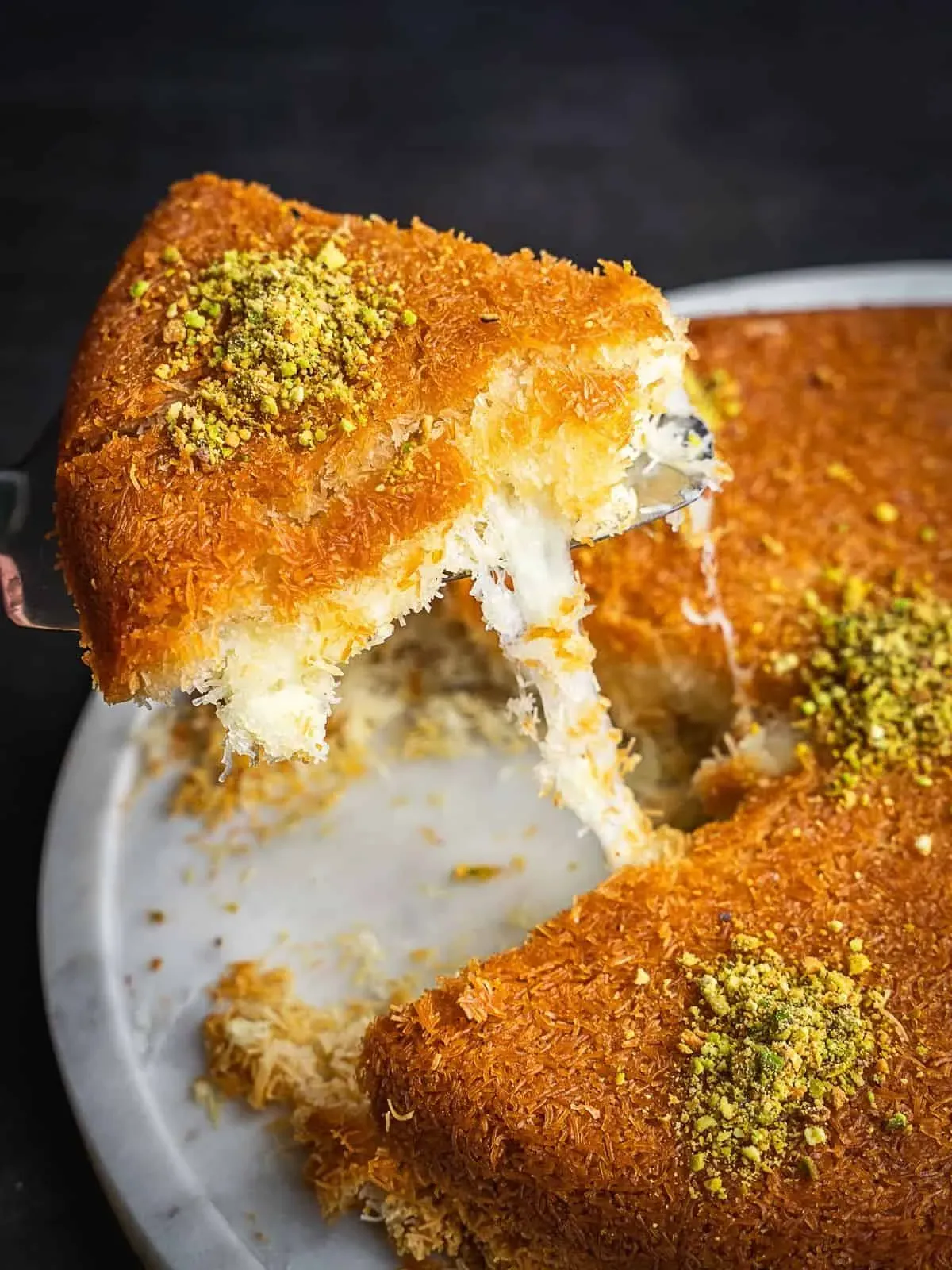
So, why exactly do people lose their minds over a hot cheese dessert? It's a fair question. On paper, pairing cheese, something often associated with savory dishes or a post-meal digestif, with sugar and heat sounds... odd. But there's a magic to it. The heat transforms the cheese, melting it into something gloriously gooey and yielding. Think of the stretch, the pull, the sheer comfort of warmth. It's a textural experience that cold cheese simply can't replicate. Then there's the flavor contrast – the richness and sometimes subtle tang of the cheese playing against the sweetness. It’s not just sweet; it’s complex, layered. It hits different spots on your palate, creating a more interesting, more memorable bite than your standard sugar bomb. That combination of warm, soft texture and intriguing sweet-savory flavor? That's what makes hot cheese desserts so craveable.
Signature Hot Cheese Desserts Around the Globe
Signature Hot Cheese Desserts Around the Globe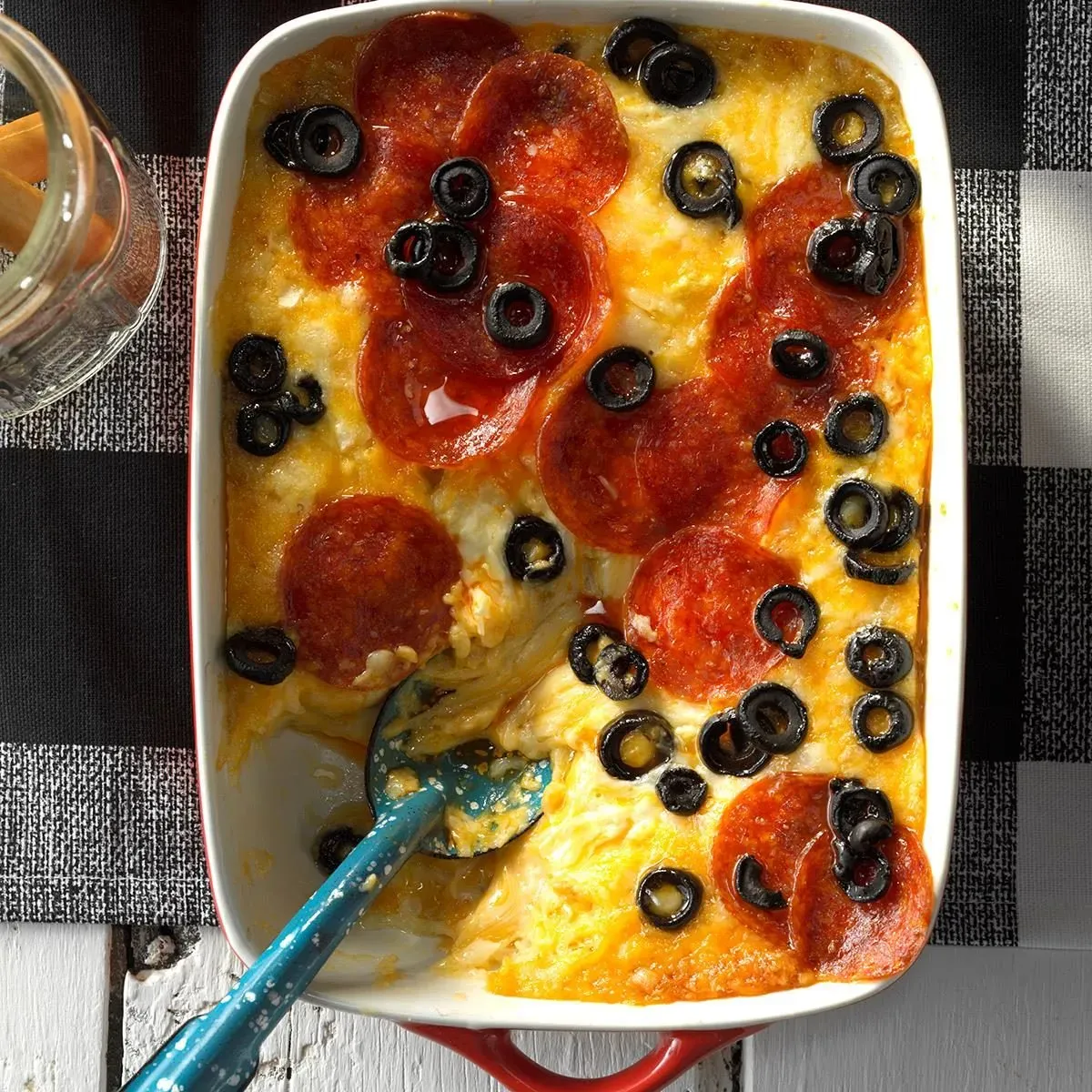
Middle Eastern Magic: The Wonder of Kunāfah
When you talk about a truly iconic hot cheese dessert, Kunāfah has to be near the top of the list. This is a staple across the Middle East, a dessert that feels both simple and incredibly luxurious. You take thin strands of pastry, almost like shredded phyllo, layer them with soft, unsalted cheese – often a fresh, milky cheese like Nabulsi or Akkawi – bake it until golden and bubbling, and then immediately drench it in a sweet, fragrant sugar syrup, sometimes infused with orange blossom or rosewater. The contrast is key: the crisp pastry, the warm, stretchy cheese pull, the sweet, aromatic syrup soaking in. It's served hot, often right out of the oven, and honestly, trying to stop after one piece is a real challenge. It's a communal dessert, meant to be shared and savored while the cheese is still molten.
Eastern European Comfort: Sernik's Warm Embrace
Travel over to Poland, and you'll find Sernik, their version of cheesecake. While many know the cold, New York-style version, Sernik often comes in baked varieties, and some are absolutely best served warm or at room temperature, giving them that comforting hot cheese dessert feel. It's typically made with twaróg, a type of farmer's cheese or quark, which gives it a distinct texture and subtle tang compared to cream cheese. Baked Sernik is dense yet somehow light, not overly sweet, allowing the flavor of the cheese to really shine. It's the kind of dessert that feels like a warm hug on a cold day, often enjoyed with a cup of tea or coffee. It proves you don't need exotic ingredients to create something truly special; good cheese and a solid recipe do the trick.
Beyond these two, the world offers a surprising array of hot cheese dessert variations:
- Basque Cheesecake: Burnt on top, incredibly creamy and molten inside, often served at room temperature but still holding that warm, gooey essence.
- Japanese Cheesecake: Known for its soufflé-like lightness, it's baked and often enjoyed warm, offering a delicate, wobbly texture.
- Cassola Pasqualina (Italy): A baked ricotta cake, sometimes served warm, featuring citrus zest and a lighter, airier texture than denser cheesecakes.
- Quesillo (Venezuela/Canary Islands): A type of flan often made with cream cheese, giving it a richer, warmer texture and flavor when served slightly warm.
South American Sweetness: A Different Angle
In parts of South America, the hot cheese dessert concept takes interesting turns. It's less about a standalone cake and more about combining warm cheese with sweet accompaniments. Think of fresh, mild cheese like queso fresco, grilled or pan-fried until warm and slightly softened, then served with guava paste (bocadillo) or a sweet syrup. This isn't baked into a cohesive cake; it's a direct, simple pairing of warm, milky cheese and intense sweetness. It highlights the cheese's ability to balance rich, fruity flavors when heated just enough to become pliable and inviting. It's a straightforward approach, letting the quality of the cheese and the sweetness speak for themselves without complex pastry work.
Crafting Your Own Hot Cheese Dessert Masterpieces
Crafting Your Own Hot Cheese Dessert Masterpieces
Picking the Right Cheese for Your Sweet Creation
Alright, so you're hooked on the idea of making your own hot cheese dessert. Good. First hurdle: cheese choice. You can't just grab any old block of cheddar from the fridge, though I admire the spirit. For most traditional hot cheese desserts, especially baked ones, you're looking for something that melts smoothly without becoming greasy or separating. Fresh cheeses are often the go-to. Think ricotta, farmer's cheese (like twaróg), or a mild, unsalted fresh cheese similar to mozzarella but less stringy. Cream cheese is a workhorse for a reason, offering richness and structure, but be mindful of its tang. The key is a cheese that contributes creaminess and a subtle dairy flavor without overpowering the sweetness or turning into an oily mess when heated. Experiment a little, but maybe don't start your journey with aged Gouda, unless you're feeling particularly adventurous (and possibly regretful).
Simple Ways to Bring the Heat and Sweet
Once you have your cheese sorted, how do you turn it into a hot cheese dessert? It's not always about complex baking. Sometimes it's as simple as pairing. Take that fresh cheese we talked about; a quick pan-fry or grill until it's warm and slightly softened, then drizzled with honey, maple syrup, or served alongside warm fruit compote? Instant hot cheese dessert. For baked versions, consider layering cheese with pastry (like in Kunāfah) or incorporating it into a batter (like cheesecake). The goal is to apply heat evenly so the cheese melts into that desired gooey consistency. Don't blast it on high heat; slow and steady wins the race for a smooth, creamy texture. And remember the sweet component – a simple syrup, fruit, or chocolate can provide the necessary counterpoint to the cheese's richness.
Thinking about starting your own hot cheese dessert experiments? Here are some common cheese types and what they bring to the party:
- Ricotta: Light, fresh, great for baked goods like cakes or fillings. Absorbs flavors well.
- Cream Cheese: Rich, tangy, provides structure. A solid base for many baked desserts.
- Farmer's Cheese/Quark (Twaróg): Denser than ricotta, distinct tangy flavor. Classic for Eastern European cheesecakes.
- Mascarpone: Very rich, creamy, melts beautifully. Excellent in tiramisu or warm dips.
- Fresh Mozzarella (low moisture): Melts well, mild flavor. Can work in specific applications, less common for traditional desserts.
The Surprising History of Hot Cheese Dessert Traditions
The Surprising History of Hot Cheese Dessert Traditions
Ancient Roots of Sweetened Curds
You might think the idea of a hot cheese dessert is relatively new, a modern culinary experiment. Turns out, people were messing around with warm cheese and sweeteners thousands of years ago. The ancient Greeks were making a form of cheesecake called "plakous," often using fresh cheese, honey, and flour, baked into a kind of cake. The Romans took this idea and ran with it, creating various baked cheese dishes, some savory, some sweet. They had recipes that combined cheese with eggs, honey, and other flavorings, often served warm. It wasn't exactly the Kunāfah you see today, but the core concept was there: applying heat to cheese and mixing it with sweet elements to create a comforting, often celebratory dish. These early versions laid the groundwork, showing that cheese wasn't strictly a savory player.
Medieval Europe's Warm Cheese Cakes
Fast forward to medieval Europe, and you find variations on baked cheese dishes continuing to pop up. Monasteries, often centers of learning and culinary experimentation, documented recipes for cheese tarts and cakes. These often used fresh cheeses, sometimes enriched with eggs, butter, and sweetened with honey or later, sugar, which became more accessible. They were baked in crusts, similar to modern tarts or pies. These weren't always explicitly called "desserts" in the modern sense, as the meal structure was different, but they were clearly sweet or semi-sweet dishes featuring warm, cooked cheese as the star. This period really solidified the idea of baking cheese into a sweet form, moving towards what we might recognize as early cheesecakes or cheese tarts.
Think about the evolution:
- Ancient Greece: Simple baked cheese with honey.
- Roman Empire: More complex baked cheese mixtures with eggs and flavorings.
- Medieval Europe: Baked cheese tarts and cakes in pastry crusts, using honey or sugar.
- Ottoman Empire/Middle East: Development of Kunāfah with thin pastry strands and syrup.
- Eastern Europe: Use of farmer's cheese (twaróg) in baked Sernik.
The Global Spread and Local Twists
As trade routes expanded and cultures interacted, the basic concept of a hot cheese dessert traveled and adapted. The Arab world took the idea and perfected Kunāfah, creating a dish that became deeply embedded in their culinary identity. In Eastern Europe, local cheeses like twaróg became the base for baked cheesecakes, evolving into dishes like Sernik. Each region put its own stamp on it, using available ingredients and techniques. This is why you see such variety today – from the syrup-soaked Kunāfah to the dense Sernik or the creamy Basque cheesecake. They all share that common ancestor of warm, sweetened cheese, but their histories diverged, creating unique hot cheese dessert traditions that persist and delight eaters worldwide.
Tips and Tricks for Perfecting Your Hot Cheese Dessert
Tips and Tricks for Perfecting Your Hot Cheese Dessert
Mastering the Melt: Cheese Prep is Key
Alright, so you've picked your cheese, maybe some ricotta for a light cake or cream cheese for something richer. Now, how do you make sure it melts like a dream and not like a greasy mistake? Temperature matters. For most baked hot cheese desserts, having your cheese at room temperature is crucial. Cold cheese mixes unevenly, leading to lumps and a less smooth final texture. Nobody wants lumpy hot cheese dessert, trust me. If you're using a fresh cheese with higher water content, like some ricottas, consider draining it first. A quick rest in a sieve lined with cheesecloth can get rid of excess liquid, preventing your dessert from becoming watery. Also, make sure you're using the right kind of cheese for the *specific* hot cheese dessert recipe you're attempting. Swapping a firm farmer's cheese for soft ricotta won't end well unless you're a culinary wizard.
Heat Control: Don't Rush the Gooey Goodness
Getting that perfect warm, gooey center in your hot cheese dessert is an art, not a race. High heat is the enemy of smooth, creamy melted cheese in a dessert context. It can cause it to curdle, toughen, or separate into an unappetizing oily mess. For baked desserts, a lower oven temperature and a longer baking time are usually your best friends. This allows the cheese to heat through gently and melt evenly. If you're doing something simpler, like pan-frying fresh cheese, keep the heat medium-low. You want it warm and soft, maybe slightly golden on the outside, not a crispy, burned hockey puck. Pay attention to visual cues – a slight puffing, bubbling around the edges, or when a gentle poke reveals a soft center are good indicators. Don't be afraid to pull it a little early; it will continue to cook from residual heat.
Quick pointers for your hot cheese dessert adventures:
- Always bring cheese to room temperature before mixing for baked recipes.
- Drain excess liquid from fresh cheeses like ricotta if the recipe suggests it.
- Use lower oven temperatures for baking to ensure even melting.
- For pan-fried cheese, medium-low heat prevents burning and ensures a soft interior.
- Trust your eyes and touch more than just the timer – look for gentle bubbling and a soft center.
- Don't overmix cheesecake batter; it can introduce too much air and cause cracks.
- Let baked hot cheese desserts cool slightly before serving for the best texture, unless the recipe specifically demands piping hot.
Wrapping Up Our Warm Cheese Exploration
So there you have it. Hot cheese desserts aren't just some culinary oddity; they're a diverse and deeply rooted tradition found in kitchens around the globe. From bubbling kunafa to warm, sweet ricotta tarts, these dishes prove that heat and cheese, when combined with the right sweet elements, create something truly special. They offer a different kind of comfort, a richness that stands apart from your standard cold treats. Next time you're looking for something new, something that challenges expectations a little, maybe give a hot cheese dessert a shot. You might just find your new favorite.