Table of Contents
Have you ever dreamed of biting into a fluffy German cake, but worried about the gluten? I get it. The land of Black Forest Gateau and apple kuchen might seem off-limits, but guess what? It's totally possible to enjoy those classic flavors without the gluten. This article is your sweet escape into the world of gluten free german dessert recipes. We're not just talking about sad substitutions either. We're diving into recipes that capture the real essence of German baking. We will explore some traditional cakes that have been adapted for the gluten-free crowd, and share some easy treats you can whip up anytime. Think of it as a culinary adventure, where we'll tackle everything from ingredient swaps to nailing that perfect texture. I will share my tips and tricks, and I will also tell you how to make these recipes your own. Get ready to bake some magic!
Classic GlutenFree German Cakes
Classic GlutenFree German Cakes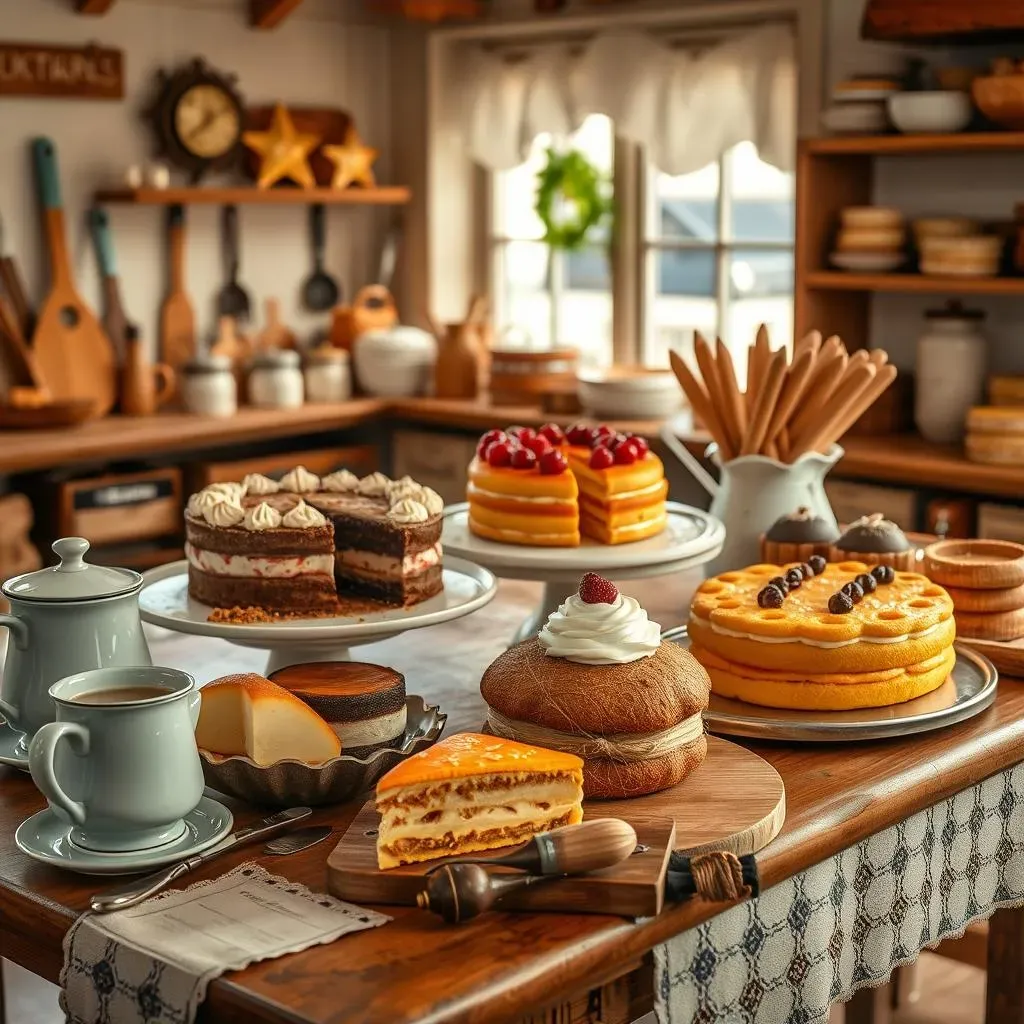
The Allure of German Baking
When I think of German baking, I picture cozy kitchens filled with the aroma of warm spices and sweet fruit. These aren't just desserts; they're a slice of history, each cake telling a story of tradition and family gatherings. But what if you can't have gluten? Don't worry, you don't need to miss out. The magic of German baking is absolutely achievable with gluten-free ingredients. It’s about preserving those traditional flavors and textures, making sure that everyone can partake in the deliciousness.
Must-Try Gluten-Free German Cakes
Let's talk specifics: the Black Forest Gateau, for example, is a chocolate lover’s dream. Imagine layers of moist chocolate cake, soaked with cherry liqueur, and piled high with whipped cream and cherries. Now, picture that, but completely gluten-free. Or how about a classic German apple cake, the "Apfelkuchen"? It’s a simple cake, yes, but the combination of tender apples and a hint of cinnamon is simply irresistible. These are the kinds of cakes we’re aiming for. The goal is to make them taste just as good as their traditional counterparts, if not better!
Here are some popular classic gluten-free German cakes:
- Black Forest Gateau
- Apfelkuchen (Apple Cake)
- Käsekuchen (Cheesecake)
- Bienenstich (Bee Sting Cake)
Key to Success: Gluten-Free Flour
The secret to any great gluten-free cake is the flour. It's not as simple as swapping regular flour for a gluten-free blend. You need to find the right combination of flours and starches to get that perfect crumb and texture. I've had the best results with blends that include a mix of rice flour, tapioca starch, and potato starch. Xanthan gum is also your friend; it acts as a binder, replacing the gluten that's missing. Don't be afraid to experiment with different blends until you find one that works for you. It might take a few tries, but trust me, the results are worth it. Once you get the hang of it, those gluten-free German cakes will be coming out of your oven like a pro.
Easy GlutenFree German Treats
Easy GlutenFree German Treats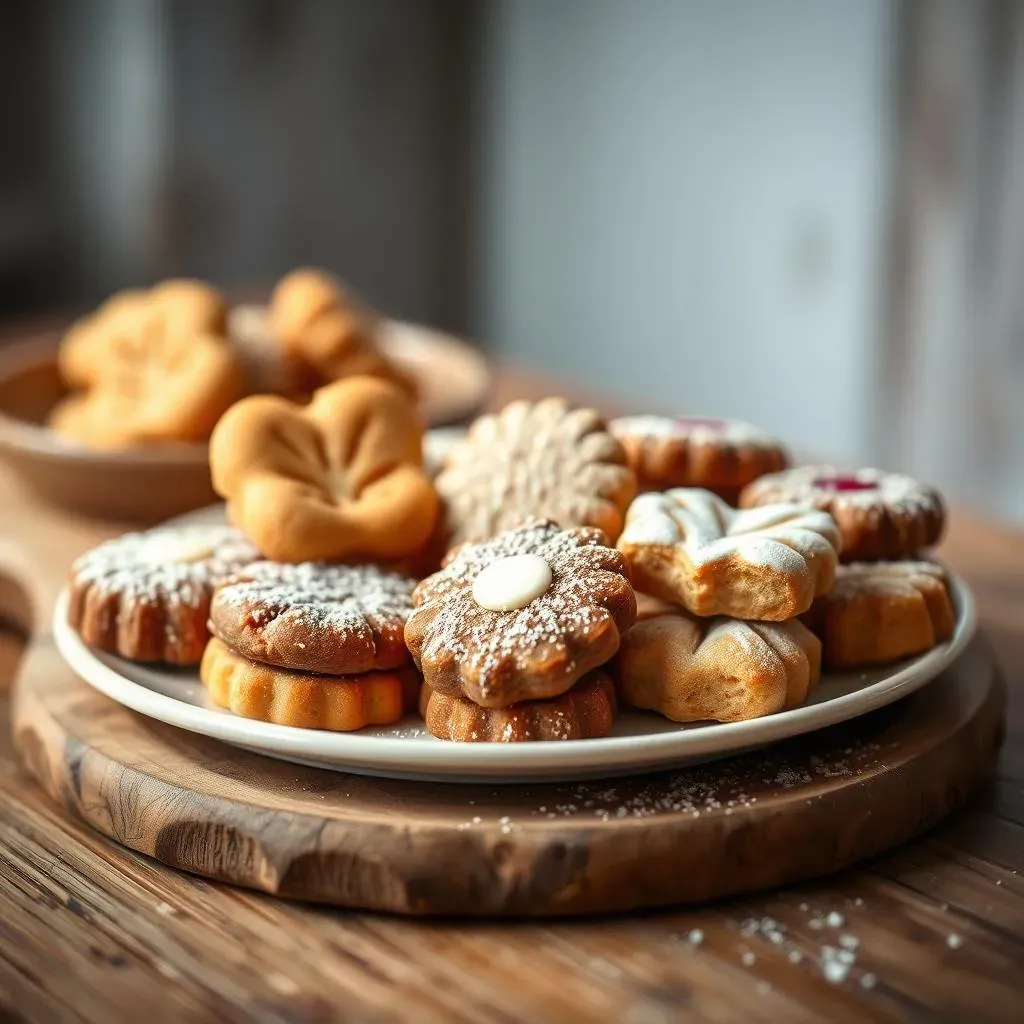
Beyond the Cake: Quick Gluten-Free German Bites
Okay, so maybe you're not in the mood for a full-blown cake project. I get it. Sometimes, you just need a little something sweet without spending hours in the kitchen. That’s where easy gluten-free German treats come in. Think of these as the “snackable” side of German baking – things like simple cookies, quick breads, and little bites that are perfect for an afternoon pick-me-up. These treats are often less fussy than cakes, but they still deliver that classic German flavor we all crave. Plus, they're a great way to test out different gluten-free flours and techniques without committing to a complicated recipe. So, if you are new to gluten-free baking, or a seasoned pro, these are perfect for a quick win.
One of my favorites is "Lebkuchen," a type of German gingerbread cookie. These are packed with warm spices like cinnamon, cloves, and nutmeg, and they’re surprisingly easy to make gluten-free. You can find gluten-free versions of "Vanillekipferl", those melt-in-your-mouth crescent cookies dusted with powdered sugar, they are perfect with a cup of coffee or tea. And let's not forget about "Marzipankartoffeln," little marzipan potatoes dusted with cocoa powder. They're cute, festive, and require no baking at all! These treats prove that gluten-free doesn't mean flavor-free or complicated. It's about adapting those traditional recipes to fit our needs without losing any of the magic.
Here are some easy gluten-free German treats you might enjoy:
- Lebkuchen (Gingerbread Cookies)
- Vanillekipferl (Vanilla Crescent Cookies)
- Marzipankartoffeln (Marzipan Potatoes)
- Gluten-Free Quarkbällchen (Quark Doughnuts)
When making these treats it is important to remember that gluten-free baking is a bit different from traditional baking. You might need to adjust the liquid in your recipes or use a binding agent to get the right consistency. It's also helpful to let your dough rest for a bit before baking, this allows the gluten-free flours to fully hydrate and helps with the texture. Don't be afraid to experiment! Baking should be fun, and even if your first few attempts aren't perfect, you'll learn something new each time. Keep practicing, and you will be a gluten-free German treat master in no time!
Tips for Baking GlutenFree German Desserts
Tips for Baking GlutenFree German Desserts
Mastering Gluten-Free Techniques
Alright, let's talk strategy. Baking gluten-free isn't just about swapping flours; it's about understanding how these flours behave. Gluten is what gives baked goods their structure and elasticity, so when it's missing, we need to compensate. This is where techniques come into play. One thing I've learned is that patience is key; don't rush the process. Take the time to properly measure your ingredients, sift your flours, and let your dough rest if the recipe calls for it. These small steps can make a huge difference in the final product. For example, when making a gluten-free cake, I always use room temperature ingredients. It helps everything combine smoothly, and it creates a much better texture. Also, don't be shy about experimenting with different gluten-free flours and starches; what works for one recipe might not work for another. It's all part of the fun!
Another tip I swear by is using a kitchen scale for measuring. When baking, precise measurements are crucial, especially with gluten-free flours, which can vary in weight and density. A scale helps avoid inconsistencies and ensures that your ratios are spot-on. Also, don’t be afraid to adjust the liquid content in your recipes. Gluten-free flours tend to absorb liquid differently than regular wheat flour, so you might need to add a little more or less to get the right consistency. If your batter seems too thick, add a tablespoon of milk or water at a time until it reaches the desired consistency. And if it seems too thin, add a bit more flour. It’s a balancing act, but with practice, it becomes second nature.
Essential Tools and Ingredients
Having the right tools and ingredients can make your gluten-free baking experience much smoother. A good quality gluten-free flour blend is a must. I always recommend a blend that contains a mix of rice flour, tapioca starch, and potato starch, it’s a great base for almost all recipes. Also, xanthan gum or guar gum are absolute must-haves, as they help to bind the gluten-free ingredients together and give your baked goods some structure. If you can, invest in a good stand mixer or hand mixer, it makes the mixing process much easier, especially when dealing with tricky gluten-free batters. Parchment paper is also a lifesaver, it helps to prevent sticking and makes cleanup a breeze. And don't forget about a good quality oven thermometer; oven temperatures can vary, and it's important to ensure that your oven is at the correct temperature for the best results. These tools and ingredients will help you make your gluten-free German desserts the best they can be.
Don't get overwhelmed if you don't have every single item right away. Start with the basics and build your collection as you go. The most important thing is to be patient and have fun with the process. Don't be afraid to make mistakes; they are part of the learning process. I have had some epic fails in the kitchen, but I have learned from each one, and it has made me a better baker. The more you bake, the more comfortable you will become with gluten-free techniques. Soon enough you will be whipping up delicious German treats like a seasoned pro!
Tool/Ingredient | Why it's Important | Tips |
|---|---|---|
Gluten-Free Flour Blend | Provides structure and texture | Look for a blend with rice flour, tapioca starch, potato starch |
Xanthan Gum/Guar Gum | Acts as a binder, replaces gluten | Use the right amount; too much can make baked goods gummy |
Kitchen Scale | Ensures accurate measurements | Use grams for precise baking |
Parchment Paper | Prevents sticking, makes cleanup easier | Use it for lining cake pans and cookie sheets |
Oven Thermometer | Ensures accurate baking temperature | Double check your oven temp for best results |
Adapting Traditional German Recipes to GlutenFree
Adapting Traditional German Recipes to GlutenFree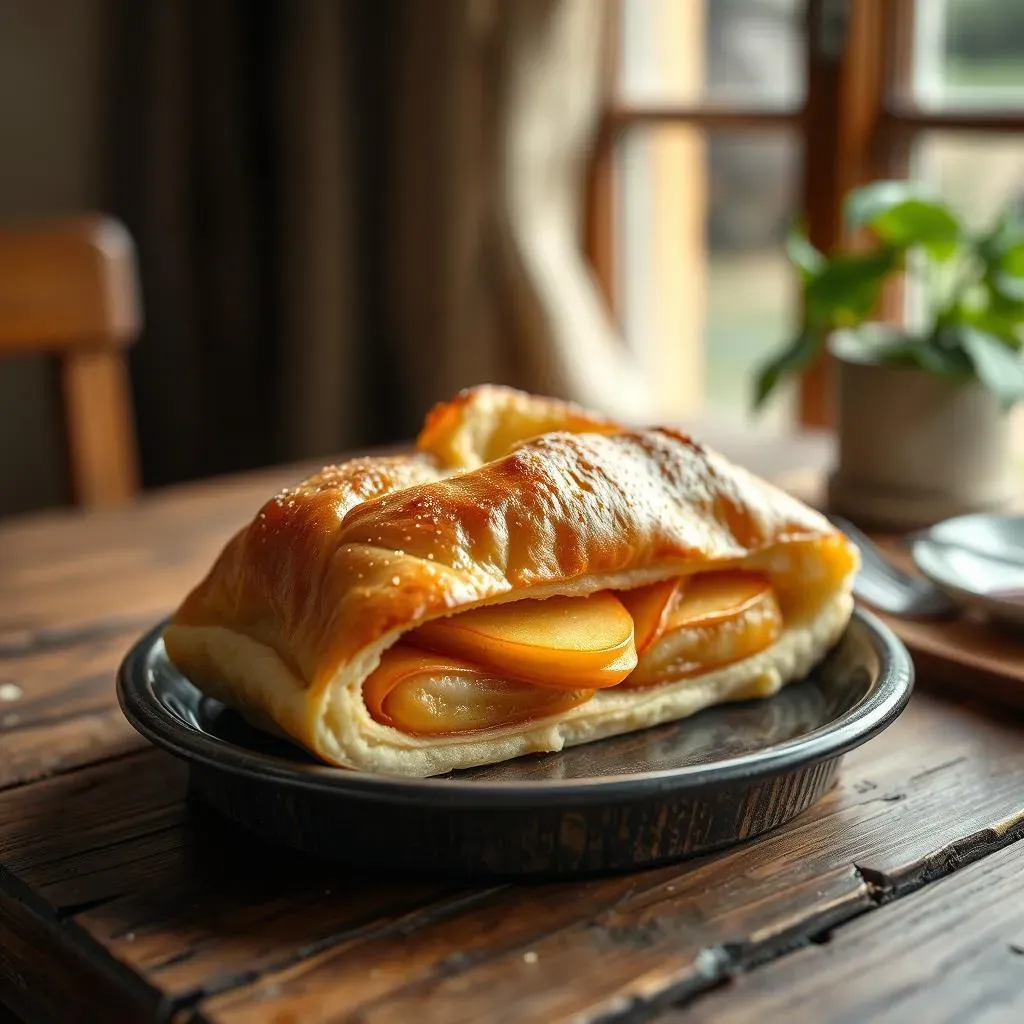
The Art of Gluten-Free Transformation
So, you're ready to tackle those classic German recipes and make them gluten-free? Awesome! It's not about just slapping a gluten-free label on a traditional recipe; it’s about understanding how the absence of gluten affects the final product and adjusting accordingly. Think of it as a puzzle where you need to replace the missing pieces with the right substitutes. For example, when you remove gluten, you're also removing the structure it provides. This means you'll need to use a combination of gluten-free flours, starches, and binding agents like xanthan gum to get the texture right. It’s a bit of trial and error, but honestly, that's part of the fun. Once you get the hang of it, you will be able to transform any recipe into a gluten-free masterpiece. I always say, baking is a science and an art. It's about understanding the reactions and then letting your creativity shine.
One of the biggest challenges is replicating that perfect crumb texture in cakes and breads. Gluten is what gives baked goods that light, airy, and slightly chewy texture, so without it, you need to find ways to mimic that. It often involves using a mix of different flours and starches. For instance, rice flour is great for creating a light crumb, while tapioca starch adds a bit of chewiness. Potato starch helps with moisture, and almond flour can add a nutty flavor and tenderness. The key is to experiment with different combinations to see what works best for each specific recipe. You might need to adjust the liquid content or the baking time to get the perfect results. Remember, every gluten-free flour blend is a little different. What works great for me might need a tweak or two for you. It's all part of the learning process. And don’t be afraid to ask for help or to share your results and experiences with other gluten-free bakers. We are all in this together.
Here are some common substitutions when adapting traditional German recipes:
- Wheat Flour: Replace with a gluten-free flour blend (rice flour, tapioca starch, potato starch, etc.)
- Gluten: Replace with xanthan gum or guar gum
- Traditional Baking Powder: Ensure it's gluten-free
- Breadcrumbs: Replace with gluten-free breadcrumbs or crushed gluten-free crackers
- Malt Extract: Use gluten-free malt extract or a suitable alternative
Don't feel like you have to be a purist either. Sometimes, the best gluten-free versions are the ones that embrace new ingredients and techniques. For example, you might find that adding a bit of apple sauce or yogurt to your cake batter can help with moisture, or that using a different type of sugar can change the texture in a good way. The goal isn't to simply recreate the original recipe exactly, but to create a version that is just as delicious, if not more so, while being gluten-free. It's about understanding the core flavors and textures of a dish and then finding ways to achieve those same results with different ingredients. So, go ahead, get creative, and don't be afraid to put your own spin on these classic German treats! Remember, baking should be fun, and every mistake is just a step closer to perfection.