Table of Contents
So, you're after a fantastic gluten free cake recipe uk? You're in the right place! Baking without gluten might seem like a tricky task, but trust me, it’s totally doable, and even fun. We're going to walk through the essentials of gluten-free baking, making sure you understand why it sometimes feels a bit different than your regular bakes. I'll share a simple, step-by-step guide that'll have you whipping up delicious cakes in no time. Think light, fluffy, and absolutely scrumptious – all without a trace of gluten. And because even the best bakers face a few bumps along the way, we'll tackle some common issues and how to fix them. Whether you're new to gluten-free baking or just looking for a reliable gluten free cake recipe uk, get ready to bake something amazing! This article will guide you through understanding the basics, a simple recipe and how to troubleshoot.
Understanding GlutenFree Baking Basics for UK Recipes
Understanding GlutenFree Baking Basics for UK Recipes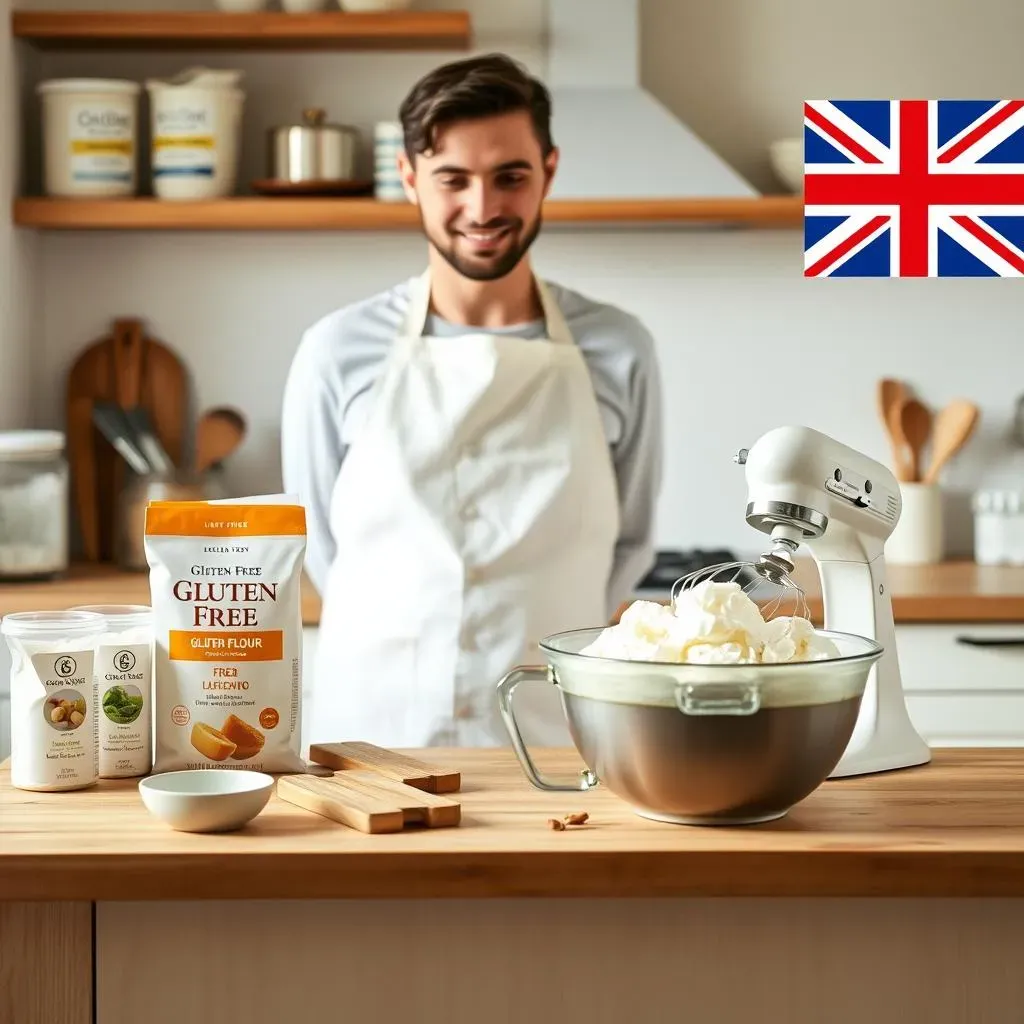
Okay, so you're diving into the world of gluten-free baking, specifically for UK recipes – awesome! It's not as scary as it sounds, I promise. Think of gluten as the glue in regular baking; it gives that lovely stretchy, chewy texture. Now, we need to find substitutes that can mimic that in our gluten free cake recipe uk. In the UK, we often use a mix of gluten-free flours like rice flour, tapioca starch, and potato starch. But it’s not just about swapping flours; it’s also about understanding how these flours behave. Some are more absorbent, some are denser, so you might need to adjust your recipe a bit. It is all about playing around, and you will get it in no time. Don't be afraid to experiment; it’s the best way to learn!
Gluten-Free Flour | Characteristics | Best Use |
|---|---|---|
Rice Flour | Light, slightly grainy | Good for blends, adds lightness |
Tapioca Starch | Adds chewiness, good binder | Helps with texture, great in blends |
Potato Starch | Light, absorbent | Adds moisture, good in blends |
Easy Gluten Free Cake Recipe UK: StepbyStep Guide
Easy Gluten Free Cake Recipe UK: StepbyStep Guide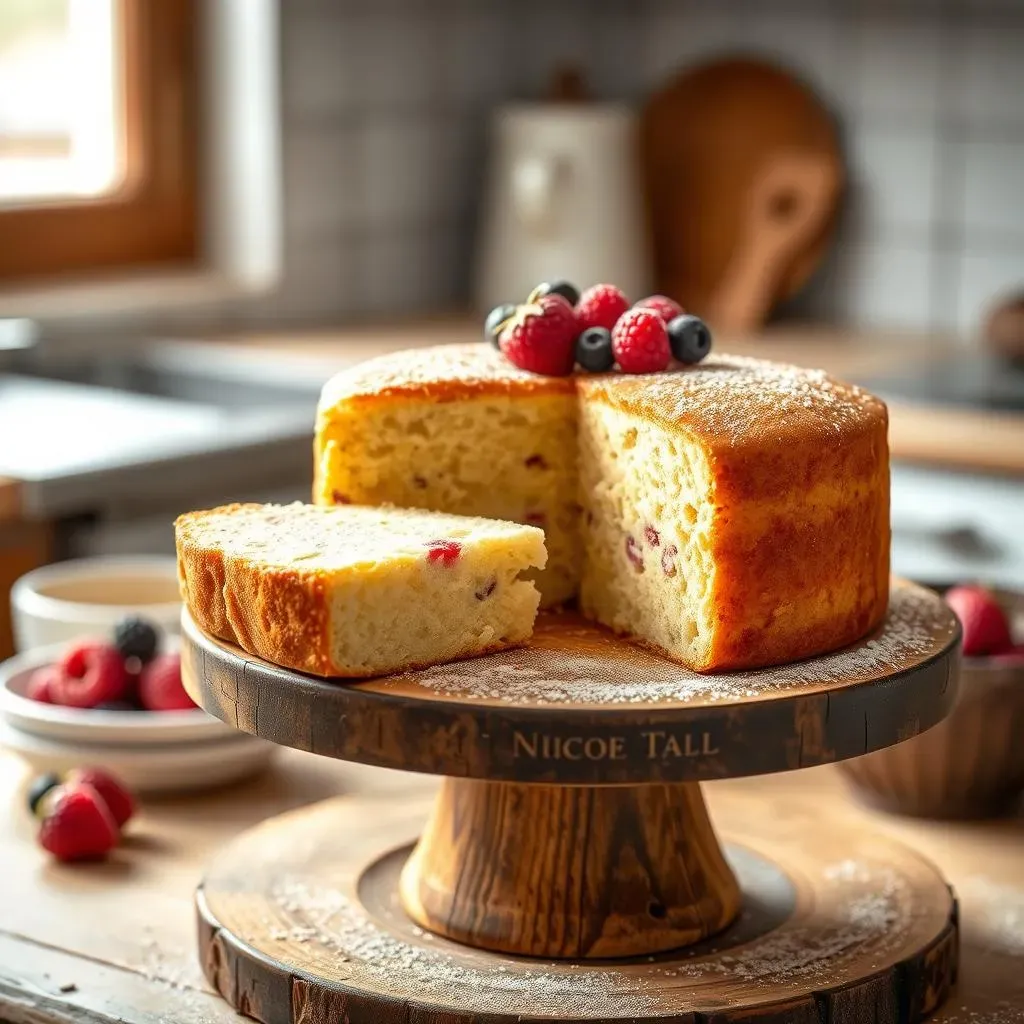
Alright, let's get to the fun part – baking! This isn't some complicated science experiment, it’s a straightforward, easy gluten free cake recipe uk, perfect for anyone. We're going for a classic vanilla sponge because it's versatile and delicious. First, you'll need to gather your ingredients. Think of it like prepping your art supplies before creating a masterpiece. You will need gluten-free self-raising flour (this already has a raising agent, so no need for extra baking powder), sugar, softened butter or a dairy-free alternative if needed, eggs (or your preferred egg substitute), vanilla extract, and a splash of milk or dairy-free milk. It's all about getting the measurements right, so grab those measuring cups and let's get started!
Now, the magic begins! Start by creaming together the softened butter and sugar until it's light and fluffy – this is key for a nice texture. It's like giving your cake a good foundation. Then, beat in the eggs one at a time, followed by the vanilla extract. Gently fold in the gluten-free flour, and add milk until you get a smooth batter. Don't overmix, just combine until everything is just incorporated. Pour it into a prepared cake tin and bake it in the preheated oven. The aroma will fill your kitchen, and that's how you know you’re on the right track. Once it’s golden brown and a skewer comes out clean, your cake is ready!
Baking is both a science and an art, so don't be afraid to get creative and have fun!
Troubleshooting Your Gluten Free Cake Recipe UK
Troubleshooting Your Gluten Free Cake Recipe UK
Why is my cake too dense?
Okay, so your cake came out more like a brick than a fluffy cloud? It happens, and it's a common issue with gluten-free baking. One of the main culprits is using too much flour or not enough liquid. Gluten-free flours can be thirsty, so you might need a touch more milk or whatever liquid your recipe calls for. Another thing to consider is overmixing. Unlike regular flour, gluten-free flour doesn't need to be mixed much – once it's just combined, stop! Overmixing can lead to a dense, tough cake. Also, make sure your raising agents are fresh; old baking powder won't do the trick.
My cake is crumbly, what went wrong?
A crumbly cake can be just as frustrating as a dense one. This often occurs because there's not enough binding in the mixture. Remember, gluten is the binder in normal cakes, and we need to mimic that. Try adding a bit more of a binding agent like xanthan gum or tapioca starch next time. Also, ensure you're using the right ratio of wet to dry ingredients; too much dry can make the cake fall apart. Sometimes, letting the cake cool completely before slicing can help, it needs to set properly. Don't be disheartened; it's all part of the learning process.
Problem | Possible Cause | Solution |
|---|---|---|
Dense Cake | Too much flour, overmixing, old raising agent | Measure flour accurately, mix gently, use fresh baking powder |
Crumbly Cake | Not enough binder, too much dry ingredients | Add xanthan gum, adjust wet/dry ratio |
Soggy Cake | Underbaked, too much liquid | Bake until done, adjust liquid ratio |
What about a soggy bottom?
Ah, the dreaded soggy bottom! This usually means your cake wasn't baked long enough or the oven temperature was too low. Sometimes, it can also be due to too much liquid in the batter. Use an oven thermometer to make sure your oven is at the correct temperature. Always test your cake with a skewer; it should come out clean. If the top is browning too quickly but the inside isn’t done, cover it loosely with foil and continue baking. A soggy bottom can be avoided with careful baking and a little patience. You've got this.
The best way to learn is through trial and error, don't be afraid to experiment and adjust your recipes until they're perfect for you!