Table of Contents
Let's be real, baking a cake can feel like a science experiment gone wrong, especially when you're tackling the world of gluten-free baking. I've been there, believe me. I've spent countless hours battling dry, crumbly messes and cakes that tasted more like cardboard than a treat. But, after many trials (and a few errors), I've finally cracked the code to creating delicious, light, and airy gluten-free cakes that even your gluten-loving friends will devour. This isn't just about any gluten-free cake mix recipes; it's about finding the *right* way to use them, understand what makes them tick and how to make them sing. We'll explore the crucial role of the perfect flour blend, how to customize your gluten-free cake mix to suit your cravings, and share tips that'll make you a gluten-free baking pro in no time. Get ready to transform your baking game – it's time to make some seriously good cake!
Why the Right GlutenFree Flour Makes All the Difference in Cake Mixes
Why the Right GlutenFree Flour Makes All the Difference in Cake Mixes
The Gluten-Free Flour Struggle is Real
Okay, so you've decided to bake a gluten-free cake. Awesome! But here's the thing: gluten-free flours aren't like regular wheat flour. They don't have that magical gluten protein that gives cakes their structure and chewiness. That means we need to be extra careful about what we're using. Using just any gluten-free flour mix will lead to a cake that's either a dry brick or a gummy mess. It's like trying to build a house with the wrong kind of bricks – it's just not gonna hold up.
Not All Gluten-Free Flours Are Created Equal
Think of gluten-free flours like a team of superheroes. Each one has a special power, but they need to work together to save the day, or in this case, bake a decent cake. Some flours, like rice flour, are great for structure, but can be a bit gritty on their own. Others, like tapioca starch, add lightness, but too much makes things too gummy. The key is finding that perfect balance – the right combo that mimics the properties of gluten. That's why a well-crafted gluten-free flour blend is essential.
Flour Type | Pros | Cons |
|---|---|---|
Rice Flour | Good structure | Can be gritty |
Tapioca Starch | Adds lightness | Can be gummy |
Almond Flour | Adds moisture | Can be dense |
Sorghum Flour | Nutty flavor | Can be heavy |
The Secret Weapon: The Perfect Blend
I've found that using a good-quality, pre-made gluten-free flour blend can be a game-changer. It takes away the headache of figuring out the right ratios yourself. My go-to is gfJules flour, it's like they've done all the hard work for you. It's designed to have the perfect balance of flours and starches, so you get a cake that's light, airy, and has a great texture. It's not just about throwing a bunch of gluten-free stuff together; it's about precision and understanding the science behind it. Trust me, it makes a world of difference. It is an investment in your baking happiness, I promise you.
Making the Most of Your GlutenFree Cake Mix: Flavors and Forms
Making the Most of Your GlutenFree Cake Mix: Flavors and Forms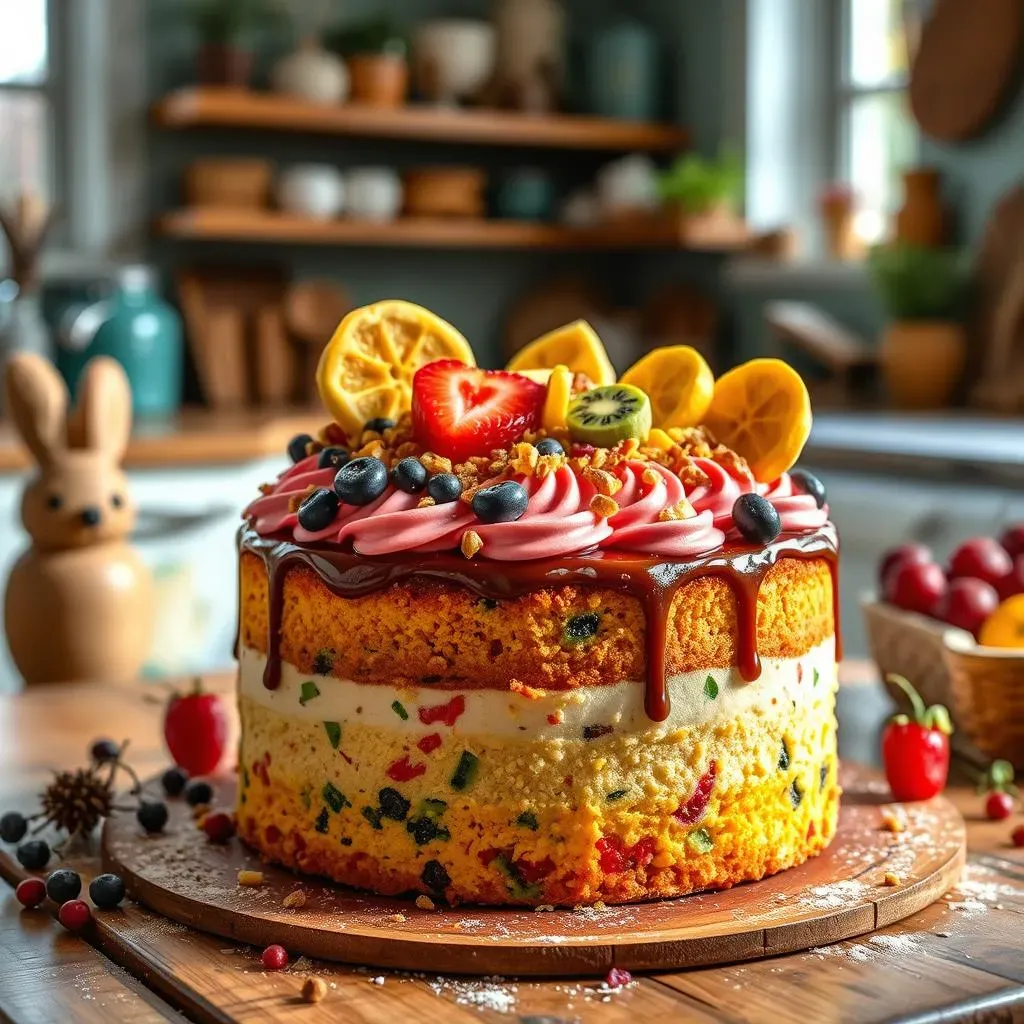
Unleashing the Flavor Potential of Your Gluten-Free Cake Mix
Okay, so you've got your hands on a great gluten-free cake mix. Now, let's talk about making it *your* cake. Don't feel like you're stuck with plain vanilla or chocolate. Think of that mix as a blank canvas, ready for your flavor masterpiece. Want a lemon cake? Swap the water for lemon juice and zest a lemon into the batter. Craving something nutty? Add a splash of almond extract and some chopped nuts. You can even throw in some cocoa powder for a richer chocolate taste, or some cinnamon and nutmeg for a warmer, spiced flavor. Don't be afraid to experiment. It’s your cake, after all!
And it’s not just about what you add in, either. The liquid you use can change things up. Milk will make your cake richer, while buttermilk will give it a tang. Even using coffee instead of water can add a depth of flavor that you wouldn’t believe. It’s all about playing around and seeing what you like best.
Beyond the Traditional Cake: Exploring Different Forms
Who says cake mix is just for cakes? Not me! Your gluten-free cake mix is surprisingly versatile. You can use it to make cupcakes, obviously. But have you ever tried making cake batter pancakes or waffles? They're fluffy, sweet, and perfect for a weekend brunch. Or what about a sheet cake for a crowd? Just pour the batter into a 9x13 pan and you’re done. If you're feeling adventurous, try making cake pops or even a trifle. The possibilities are endless. It's about thinking outside of the box—or, in this case, the cake pan.
And don't even get me started on dump cakes. Seriously, dump cake is where it's at. You just dump some pie filling into a pan, then dump the cake mix on top, and bake. It's ridiculously easy and super tasty. It's the perfect solution for when you need a quick and delicious dessert without all the fuss.
Form | Description | Tips |
|---|---|---|
Cupcakes | Individual servings, perfect for parties | Fill liners 2/3 full for even baking |
Sheet Cake | Great for large gatherings | Use a 9x13 inch pan |
Pancakes/Waffles | Fluffy and sweet breakfast option | Cook on a lightly greased griddle or waffle iron |
Dump Cake | Easy and quick dessert | Layer pie filling with cake mix, then bake |
Tips and Tricks for Perfect GlutenFree Cake Mix Results
Tips and Tricks for Perfect GlutenFree Cake Mix Results
The Importance of Room Temperature Ingredients
Alright, let's talk about temperature. It's not just a suggestion; it's a rule for baking. If you want your gluten-free cake mix to turn out perfectly, you *need* to use room temperature ingredients. Cold eggs and butter can mess with the batter's consistency, leading to a cake that's either too dense or doesn't rise properly. Think of it like this: room temperature ingredients blend together smoothly, creating a harmonious batter. Cold ingredients, on the other hand, are like trying to mix oil and water – they just don't want to play nice.
So, before you even think about opening that cake mix, take your eggs and butter out of the fridge. Give them at least 30 minutes to come to room temperature. It's a small step, but it makes a huge difference. Trust me on this one; it's a game changer.
Mixing Matters: Don't Overmix!
Okay, you've got your room temperature ingredients, and you're ready to mix. But hold on, there's one big mistake many people make: overmixing. When you overmix your gluten-free batter, you develop too much air and it can result in a tough, dense cake. Gluten-free flours are especially sensitive to this, as they lack the gluten protein that gives structure to wheat-based cakes. You're aiming for a batter that's just combined. It should be smooth, but don't beat it to death!
Mix until the ingredients are just incorporated and no more. You can use a hand mixer, but a spatula and a gentle hand are often your best bet. It's about being delicate and not trying to create a workout while you are baking. Remember, we're making cake, not trying to build muscle, so treat the batter gently.
Ingredient | Why Room Temperature? | Mixing Tip |
|---|---|---|
Eggs | Blend better, create smoother batter | Mix until just combined |
Butter | Emulsifies properly, prevents dense cake | Avoid overmixing |
Liquid | Mixes evenly, enhances texture | Use a spatula for gentle mixing |
The Baking Game Plan: Temperature and Time
So, you've got your batter perfectly mixed, and you're ready to bake. But don't just throw it in the oven and hope for the best. Baking is a science, and the oven temperature and time are crucial. Most gluten-free cakes do best at around 350°F (175°C). You also need to be careful about baking time. Overbaking will result in a dry cake, while underbaking is a gummy mess. So, follow the recipe's instructions carefully, and don't be afraid to use a toothpick to check for doneness. It should come out clean when inserted into the center of the cake. It's all about precision here, so pay attention to the details, it is the key for success.
And here's a bonus tip: invest in an oven thermometer. The temperature on your oven dial might not be accurate, and an oven thermometer will help you make sure your oven is at the right temperature. It’s a small investment for consistent results.
Beyond the Box: Getting Creative with GlutenFree Cake Mix Recipes
Beyond the Box: Getting Creative with GlutenFree Cake Mix Recipes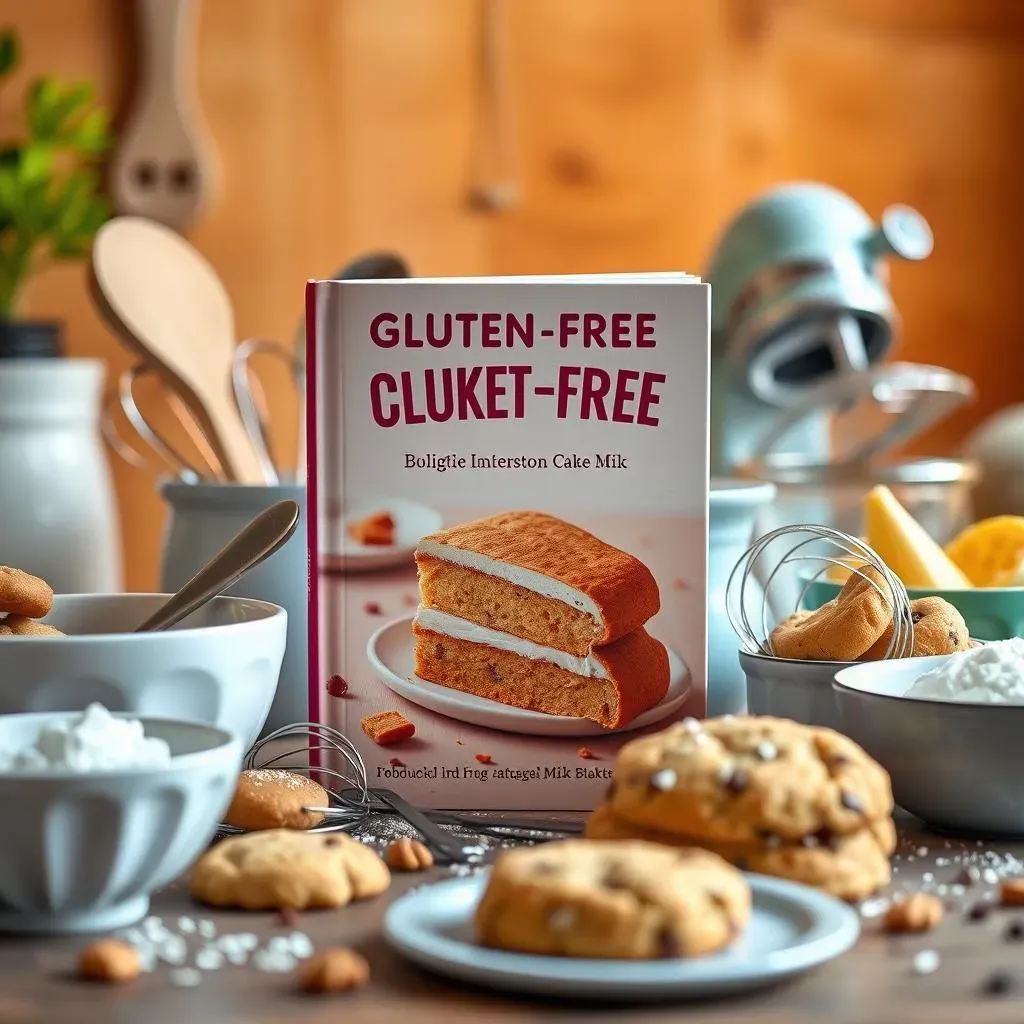
Cake Mix Cookies: A Sweet Surprise
Okay, so you’ve mastered the art of the gluten-free cake, but what about cookies? You can use your cake mix as a base for some seriously delicious cookies. It's surprisingly easy. Just add some melted butter, an egg, and a few extra mix-ins, and you've got yourself a batch of soft, chewy cookies. For example, a yellow cake mix makes a fantastic base for sugar cookies. Chocolate cake mix? That's your ticket to fudgy brownie-like cookies. It's like a magical transformation, and it’s much simpler than starting from scratch. Plus, it’s a great way to use up any leftover cake mix you might have lying around, and who doesn’t love a good cookie?
You can customize them with chocolate chips, nuts, dried fruit, or even sprinkles. The possibilities are endless. Think of your cake mix as a shortcut to great cookies. It's a game-changer, especially when you need a quick treat for a party or a last-minute bake sale. And let’s be honest, sometimes you just crave cookies, and cake mix is there to save the day. It's all about thinking outside the box, or in this case, the cake pan.
Cake Mix Bars: Layered Goodness
If you're looking for something a bit more substantial than a cookie, why not try cake mix bars? They're like a cross between a cake and a brownie, and they're perfect for slicing and serving. You can create all sorts of delicious combinations. For example, use a lemon cake mix as a base, and then layer some cream cheese filling on top, and bake. Or, use a chocolate cake mix and top it with caramel and nuts for a decadent treat. It’s all about layering flavors and textures. It is a great way to make a big batch of sweets for a party or family gathering, and they’re always a crowd-pleaser.
The great thing about cake mix bars is that they're so customizable. You can add different fillings, toppings, and mix-ins to create your own signature bars. Think of it like building your own dessert masterpiece. You’re in charge of the flavor, the texture, and the overall deliciousness. It’s all about having fun and experimenting with different combinations. And who knows, maybe you’ll discover your new favorite dessert combination. Cake mix bars are a great way to think outside the cake pan, and they're always a hit.
Dessert Type | Cake Mix Used | Mix-ins/Toppings |
|---|---|---|
Sugar Cookies | Yellow Cake Mix | Sprinkles, icing |
Fudgy Cookies | Chocolate Cake Mix | Chocolate chips, cocoa powder |
Lemon Bars | Lemon Cake Mix | Cream cheese filling, lemon zest |
Caramel Bars | Chocolate Cake Mix | Caramel, nuts |
Creative Twists: Thinking Beyond the Recipe
The fun doesn't stop there. You can use your gluten-free cake mix as a base for all sorts of other desserts. Ever tried making cake mix truffles? They're surprisingly easy and decadent. Just bake the cake, crumble it up, mix it with frosting, roll it into balls, and coat them in chocolate. It’s a great way to use up leftover cake, and they're always a crowd-pleaser. Or, what about cake mix donuts? You can bake them in a donut pan, and they’re a fun alternative to traditional fried donuts. The possibilities are only limited by your imagination.
The key is to not be afraid to experiment and try new things. Think of your gluten-free cake mix as a magic ingredient that can be used in endless ways. It’s all about getting creative and having fun in the kitchen. Baking should be an enjoyable experience, and cake mix is there to make it easier and more versatile. So, go ahead, unleash your inner baker, and see what delicious creations you can come up with. It's all about thinking outside the box, and having a little fun while you’re at it.