Table of Contents
Are you tired of missing out on delicious desserts because of gluten? Do you love the tangy, moist texture that buttermilk brings to baking? Well, get ready to rejoice! This article is your guide to the wonderful world of gluten free buttermilk dessert recipes. We're not just talking about passable substitutes; we're diving into recipes that are so good, you'll forget they're gluten-free. I've personally tested these recipes, and I can promise you'll be amazed by how easy and delicious they are. From fluffy cakes to melt-in-your-mouth biscuits, we'll cover a variety of treats that will satisfy any sweet tooth. We will explore why gluten-free buttermilk desserts are a fantastic option, share some of my favorite easy recipes for any occasion, and give you all the tips and tricks you need to succeed in your baking adventures. So, grab your apron, and let's get started on this journey to create some truly amazing gluten free buttermilk dessert recipes!
Why GlutenFree Buttermilk Desserts Are a MustTry
Why GlutenFree Buttermilk Desserts Are a MustTry
The Magic of Buttermilk in Gluten-Free Baking
Okay, so you're doing the gluten-free thing. Maybe it's a choice, maybe it's a must, but does that mean you have to say goodbye to all those amazing, moist, and tender baked goods? Absolutely not! Here's where buttermilk swoops in like a superhero. It's not just a liquid; it's a game-changer. The acidity in buttermilk helps to break down gluten, which is awesome for regular baking, but it's even more of a lifesaver when you're working with gluten-free flours. These flours can sometimes be a bit dense or dry. Buttermilk adds that much-needed moisture and helps create a light and fluffy texture that'll make you think you're eating the real deal. Plus, that slight tang? It's the secret ingredient that makes everything taste a little bit more special.
I always thought buttermilk was something fancy that only professional bakers used. Boy, was I wrong! It's actually super easy to make at home if you don't have any on hand. Just add a tablespoon of lemon juice or white vinegar to a cup of milk, stir it up, and let it sit for about five minutes. Boom, you've got buttermilk! It's a simple trick, but it's a total game changer for gluten-free baking. It'll take your cakes and biscuits from "meh" to "wow!" Trust me, the difference is night and day.
Benefit | Why It Matters for Gluten-Free |
|---|---|
Adds Moisture | Gluten-free flours can be dry, buttermilk makes the desserts moist. |
Creates Tender Texture | The acidity helps break down the gluten-free flours, resulting in a softer baked good. |
Adds Tang | The subtle tang enhances the flavor of the desserts, making them more interesting. |
Easy to Make at Home | You don't need to buy special buttermilk, a simple DIY version works great. |
Flavor and Texture Without Compromise
Let's be real, sometimes gluten-free options get a bad rap for being dry, crumbly, or just not tasting quite right. But with buttermilk, you're not sacrificing anything. You can achieve that perfect balance of moistness and tenderness, and that rich, slightly tangy flavor that makes you want to go back for seconds (and thirds!). It's like having your cake and eating it too, but without the gluten. You can make all sorts of treats with this technique, from light and airy cakes perfect for a summer party to comforting biscuits that bring back memories of grandma's kitchen.
The best part? Nobody will even guess that these treats are gluten-free. I've served my gluten-free buttermilk cakes to friends who have no dietary restrictions, and they always rave about how delicious they are. That's the goal, isn't it? To create food that everyone can enjoy, regardless of their dietary needs. So, if you've been hesitant to try gluten-free baking, buttermilk is your secret weapon. It's time to change your perception of gluten-free desserts and embrace the delicious possibilities.
Easy GlutenFree Buttermilk Cake Recipes for Any Occasion
Easy GlutenFree Buttermilk Cake Recipes for Any Occasion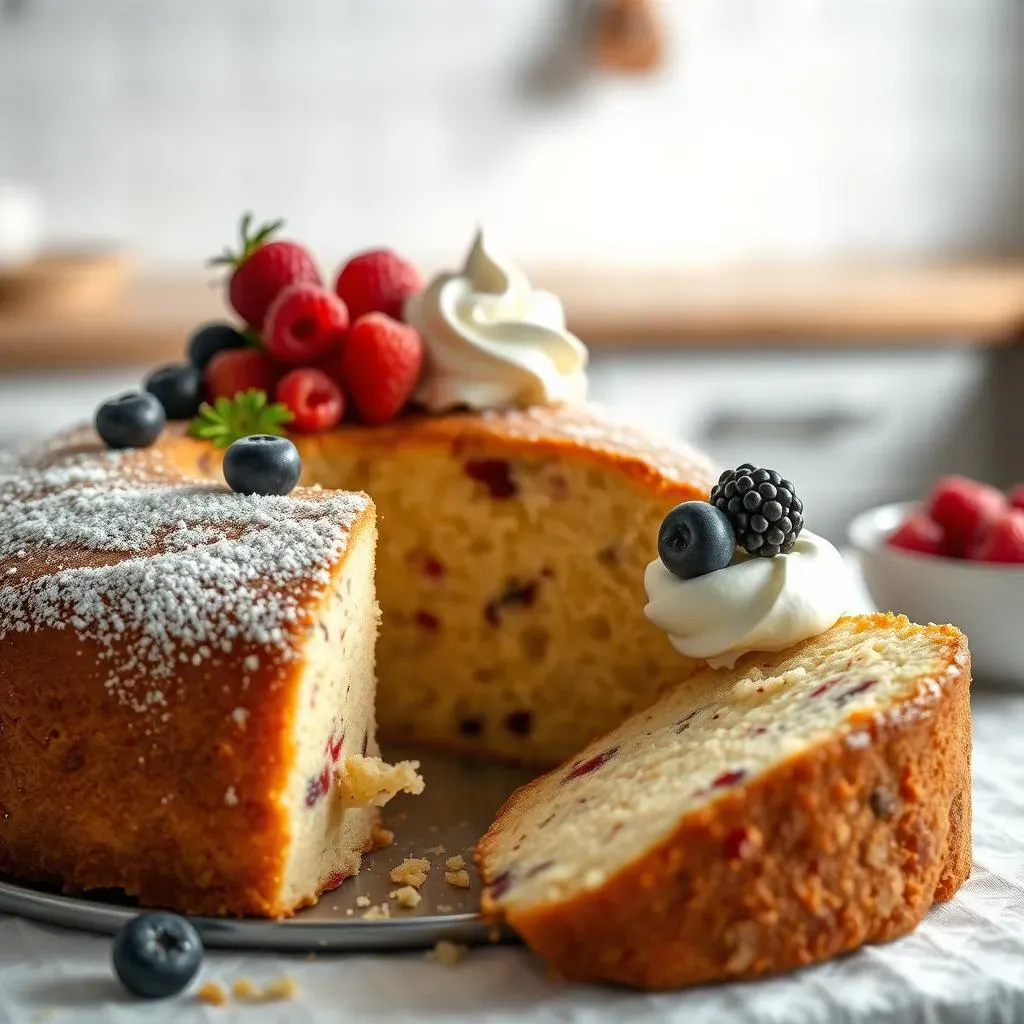
Simple Vanilla Buttermilk Cake
Let's start with a classic: a simple vanilla buttermilk cake. This isn't just *any* vanilla cake, it's a gluten-free marvel that's incredibly easy to whip up. I love this recipe because it’s so versatile. You can dress it up with frosting and sprinkles for a birthday, or just dust it with powdered sugar for a casual afternoon treat. The base is straightforward: gluten-free flour blend, sugar, baking powder, a pinch of salt, eggs, vanilla extract, and of course, our star ingredient, buttermilk. Mix the dry ingredients, then add the wet, and bake until golden brown. It's seriously that simple. I've made this cake countless times, and it always comes out moist and delicious. Even my friends who aren't gluten-free ask for the recipe!
This recipe is my go-to for when I need a quick dessert that I know will be a crowd-pleaser. It's also a great starting point if you're new to gluten-free baking. The buttermilk keeps the cake from being dry, which is a common issue with gluten-free recipes, and it adds that wonderful subtle tang that makes it taste like it's from a fancy bakery. It's the type of cake that makes you feel like a baking pro, even if you just threw everything together in one bowl.
Ingredient | Why It's Important |
|---|---|
Gluten-Free Flour Blend | The base of the cake, ensures it's gluten-free. |
Buttermilk | Adds moisture and a tender crumb, plus a tangy flavor. |
Vanilla Extract | Provides that classic vanilla flavor. |
Baking Powder | Helps the cake rise and become light and fluffy. |
Berry Buttermilk Cake for a Burst of Flavor
Okay, now let's talk about something a little more exciting: a berry buttermilk cake. This recipe is perfect for when you want a cake that's as beautiful as it is delicious. Imagine a moist, tangy buttermilk cake studded with juicy, sweet berries. It's like a party in your mouth! You can use any berries you like—blueberries, raspberries, strawberries, or a mix of all three. The best part is that the berries add natural sweetness and moisture, so the cake ends up being extra flavorful and tender. It's a fantastic way to use fresh, seasonal fruit, and it's impressive enough to serve at a special occasion.
What I love about this cake is how customizable it is. You can swap out the berries for other fruits, like chopped peaches or even a mix of dried cranberries and nuts. The buttermilk keeps the cake light and airy, while the berries create little pockets of juicy goodness. It's a perfect balance of textures and flavors, and it's a guaranteed crowd-pleaser. I often make this for summer gatherings, and it's always the first dessert to disappear. Plus, it's so easy to make, you can whip it up even when you're short on time.
Tips and Tricks for Baking the Best GlutenFree Buttermilk Desserts
Tips and Tricks for Baking the Best GlutenFree Buttermilk Desserts
Mastering Gluten-Free Flours
Alright, let's talk flour. Gluten-free baking isn't as simple as swapping out regular flour for a gluten-free blend. Each gluten-free flour has its own personality. Some are dense, some are starchy, and some are super absorbent. You'll want to use a good quality blend, or make your own that combines a few different types, like rice flour, tapioca starch, and almond flour. The key is to understand how these flours behave and to choose the right blend for your recipe. It's a bit like being a scientist in the kitchen, experimenting to find the perfect mix. And don't be afraid to try different brands, they can vary quite a bit.
I've found that using a scale to measure your flour, instead of measuring cups, makes a world of difference in gluten-free baking. It's more accurate and helps avoid those dense, dry results that are all too common. Also, don't overmix your batter! Once the wet and dry ingredients are just combined, stop mixing. Overmixing can develop the gluten (even if it's gluten-free!) and make your baked goods tough. It's a delicate balance, but with a little practice, you'll become a pro at handling gluten-free flours.
Flour Type | Characteristics | Best Use |
|---|---|---|
Rice Flour | Light, slightly grainy | Cakes, cookies, as part of a blend |
Tapioca Starch | Adds chewiness, good binder | Blends, helps with texture |
Almond Flour | Nutty flavor, adds moisture | Cakes, muffins, adds richness |
Sorghum Flour | Light, slightly sweet | Blends, good for a variety of baked goods |
The Importance of Room Temperature
Here's a tip that might seem small, but it can make a big difference: make sure your ingredients are at room temperature. This is especially important for your butter, eggs, and buttermilk. Room temperature ingredients emulsify better, creating a smoother batter. This means a more even bake and a better texture. When everything is the same temperature, it all comes together more easily. It's like a little baking science trick that makes a surprisingly big difference.
I used to skip this step, thinking it wasn't a big deal, but trust me, it is. Taking the time to bring your ingredients to room temperature is worth it. It's the difference between a cake that's slightly dense and a cake that's light and fluffy. It also helps to prevent the batter from curdling when you're adding the buttermilk. It's a small step that can save you from a baking disaster. So, plan ahead a little bit, and take those ingredients out of the fridge about 30 minutes before you start baking.