Table of Contents
Ah, the Genovian pear and cheese dessert. If you've ever watched *The Princess Diaries*, that phrase likely conjures images of elegant balls and fictional European royalty. It's name-dropped, a tantalizing culinary detail in a world of tiaras and awkward makeovers. But beyond its movie fame, what exactly *is* the genovian pear and cheese dessert? Is it a real thing? A historical delicacy lost to time, or purely a creation of Hollywood? We're cutting through the cinematic fairy dust to investigate. This article will pull back the curtain on the supposed "Genovian" part, explore the classic pairing of pears and cheese in reality, and maybe, just maybe, inspire you to create your own interpretation of this intriguing, albeit possibly fictional, treat. Get ready to separate fact from film fantasy.
The Mystery of the Genovian Pear and Cheese Dessert
The Mystery of the Genovian Pear and Cheese Dessert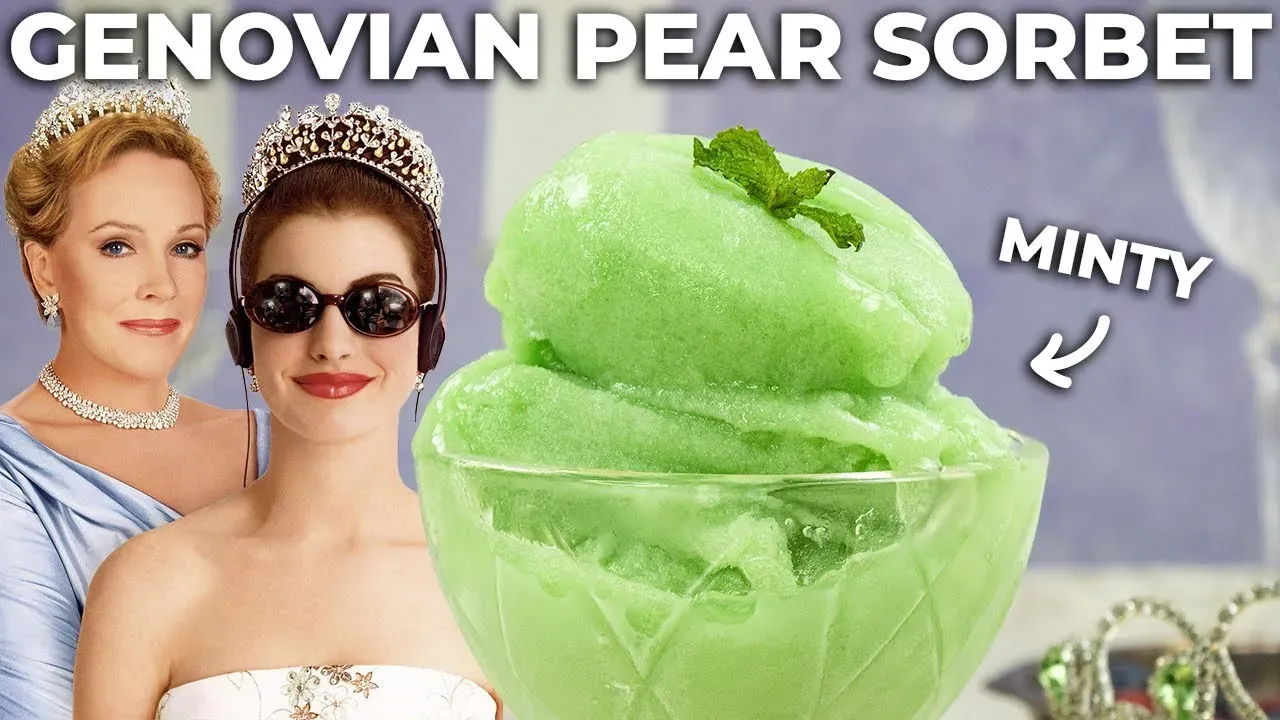
Where Did the Genovian Pear and Cheese Dessert Come From?
Alright, let's talk about the elephant in the room, or perhaps, the pear and cheese on the dessert cart. For many, the first time they ever heard of a genovian pear and cheese dessert was in *The Princess Diaries*. It's mentioned with a certain air of importance, a signature dish of this charming, albeit fictional, European principality. Mia Thermopolis, before she knew she was royalty, likely never gave it a second thought. But for viewers, it became a little culinary puzzle. Was this a real, obscure European delicacy? Did some food historian sneak a genuine recipe into the script? Or was it just a fancy-sounding name cooked up in a writer's room to give Genovia a bit of edible character?
Is Genovia Even Real? (Spoiler: No)
Let's clear this up right away: Genovia is not a real country. You won't find it on any map, no matter how hard you look. It's a creation of author Meg Cabot and brought to cinematic life for the movies. This immediately throws a wrench into the idea of a centuries-old, traditional genovian pear and cheese dessert with deep roots in actual Genovian soil. If the place doesn't exist, how can its signature dish be real in the historical sense? It forces us to look beyond genuine national cuisine and consider other possibilities for its origin.
Tracing Real-World Culinary Connections
Just because Genovia isn't real doesn't mean the dessert is entirely without foundation. Think about it: pears and cheese are a classic pairing in many parts of the world, particularly in Europe. Italians often serve pears with Pecorino or Gorgonzola. French sometimes pair them with Roquefort or Brie. The combination of sweet, often slightly grainy or soft pear with salty, tangy, or creamy cheese is a well-established culinary concept. So, while the "Genovian" part is made up, the core idea of a pear and cheese dessert might just be a nod to existing, delicious food traditions.
What Exactly Are Genovian Pears, Anyway?
What Exactly Are Genovian Pears, Anyway?
Defining the Undefinable: The Fictional Fruit
So, we've established Genovia isn't a dot on the map. This inconvenient truth means the star ingredient of the genovian pear and cheese dessert – the Genovian pear itself – is also, well, not real. It's a literary invention, a plot device, a tasty-sounding descriptor for a place that exists only in books and movies. This isn't like searching for an heirloom apple variety that's fallen out of favor; you won't find a farmer's market stall selling genuine Genovian pears. They are, quite literally, a figment of someone's imagination, albeit a delicious-sounding one.
What Real Pears Might Stand In?
While the name "Genovian pear" is made up, the concept likely draws on the reputation of high-quality pears grown in regions known for fruit. Think of areas in Italy, France, or other parts of Europe celebrated for their orchards. Pears like the juicy Bartlett, the firm Bosc, or the sweet Anjou come to mind. These varieties offer different textures and sweetness levels that could all potentially work in a dessert setting, especially when paired with cheese. The "Genovian" label probably just serves as shorthand for "really, really good pear."
If you were trying to recreate this fictional dessert, which real-world pears would you reach for? Here are a few contenders often praised for dessert applications:
- Bartlett: Sweet, classic pear flavor, softens nicely when cooked.
- Anjou: Mildly sweet, firm texture, good for baking or eating raw.
- Bosc: Crisp texture, warm, spicy sweetness, holds its shape well.
- Comice: Very sweet and juicy, soft texture, often considered a dessert pear for eating fresh.
The Ideal of a "Genovian" Pear
Even without a real botanical classification, the idea of a "Genovian pear" implies a certain standard. We picture a perfect specimen: perhaps exceptionally sweet, incredibly juicy, with a flawless texture. It's the kind of pear that tastes like sunshine and fertile soil, the platonic ideal of a pear. This fictional fruit serves its purpose by lending an air of quality and exclusivity to the dessert. It tells us, without needing a lengthy description, that this is no ordinary pear and cheese pairing; this is something fit for royalty, even if that royalty is dealing with questionable hair and public speaking anxieties.
Pairing Pears with Cheese: The Genovian Way?
Pairing Pears with Cheese: The Genovian Way?
Why Pears and Cheese are Already a Classic Combo
so Genovia isn't real, and neither are its specific pears. But the idea of pairing pears and cheese? That's solid ground. It's a combination that works because it plays on contrasts. You have the inherent sweetness of the pear, which can range from subtly floral to outright sugary, meeting the complex flavors of cheese – salty, tangy, creamy, sharp, nutty. This isn't some weird, experimental food trend; it's been a go-to pairing for ages. Think of a ripe, soft pear alongside a crumbly blue cheese or a firm slice with a smooth, nutty Gouda. It just makes sense on a flavor level.
Many European cultures have their version of this simple pleasure. It's often served at the end of a meal, sometimes before the *actual* sweet dessert, acting as a bridge or a light palate cleanser. The "Genovian" twist likely takes this existing, beloved concept and just gives it a fictional, regal postcode.
Turning a Pairing into a Dessert
Now, how do you take a simple pear and cheese plate and elevate it to a "genovian pear and cheese dessert"? This is where things get interesting and move beyond just slapping some fruit next to a wedge of cheese. A dessert implies a bit more intention, often some preparation of the fruit or the addition of other sweet elements. Maybe the pears are poached in wine or syrup. Perhaps they're baked until tender. The cheese might be incorporated into a tart, a pastry, or served alongside a sweet pear preparation with honey, nuts, or a balsamic glaze.
Consider these potential dessert-level preparations:
- Baked pears stuffed with blue cheese and walnuts, drizzled with honey.
- Thinly sliced fresh pear and mascarpone cheese tart with a hint of lemon zest.
- Poached pears served warm with a dollop of whipped Gorgonzola cream.
- A simple board featuring expertly ripe pears, carefully selected cheeses, and perhaps candied nuts or a fruit compote.
The key is moving from a casual snack or cheese course to something deliberately composed as the sweet conclusion to a meal.
What Makes it "Genovian"? The Aura of Exclusivity
So, if it's just pears and cheese, what makes it *Genovian*? It's the mystique, isn't it? The name itself carries a weight of fictional tradition and presumed quality. It suggests a specific, perhaps generations-old, way of preparing or presenting this combination. It implies the use of those perfect, fictional Genovian pears and likely a particularly esteemed Genovian cheese (another fictional creation, presumably). It's the difference between saying "apple pie" and "Grandma Mildred's Secret Recipe Apple Pie." One is generic; the other suggests heritage, special ingredients, and a touch of magic. The "genovian pear and cheese dessert" works because it sounds important, rare, and utterly delicious, even if the specifics are left entirely to our imagination.
Does labeling it "Genovian" automatically make it better? Probably not in reality, but it certainly makes it sound more intriguing, doesn't it?
Bringing the Genovian Pear and Cheese Dessert to Your Kitchen (Recipes & Ideas)
Bringing the Genovian Pear and Cheese Dessert to Your Kitchen (Recipes & Ideas)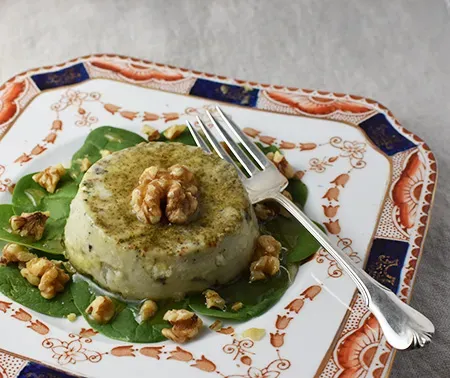
so the "Genovian pear and cheese dessert" isn't something you can look up in an old cookbook from a non-existent country. But that's actually the fun part! It means you're not bound by tradition. You get to decide what this regal-sounding dessert looks like in your own kitchen. Think of it as culinary fan fiction. Do you envision a warm, baked pear stuffed with a rich, tangy blue cheese and drizzled with honey? Or maybe a delicate tart featuring thinly sliced pears and a creamy, slightly sweet cheese like mascarpone or ricotta, perhaps with a hint of lemon or spice? The beauty is in the interpretation. You're taking the *idea* of a high-quality pear paired with excellent cheese, fit for a princess (or at least someone who appreciates good food), and making it your own.
FAQs About the Genovian Pear and Cheese Dessert
FAQs About the Genovian Pear and Cheese Dessert
so you've read this far, and maybe your head is swimming a little with fictional countries and real-world fruit pairings. It's natural to have questions about the genovian pear and cheese dessert. Is it a closely guarded secret recipe? Did Julie Andrews actually make it on set? (Probably not, let's be real). Most of the questions boil down to separating the movie magic from culinary reality. People want to know if they can actually *make* this, and if so, how close can they get to the glamorous, albeit invented, version shown in the film's universe. Let's tackle some of the common queries that pop up when folks think about this particular movie-inspired dish.
So, What's the Final Word on the Genovian Dessert?
After digging into the cinematic lore and the reality of fruit-and-cheese pairings, the evidence points to the genovian pear and cheese dessert being more fairy tale than historical fact. While pears and cheese are a timeless, delicious combination found in many cuisines, the specific "Genovian" version seems to be a charming invention for the silver screen. It serves its purpose in the movie – adding a touch of exotic, albeit fictional, elegance. Don't wait for a royal invitation to try the real deal, though. Grab some good cheese and a ripe pear; that pairing is universally acclaimed for a reason, no tiara required.