Table of Contents
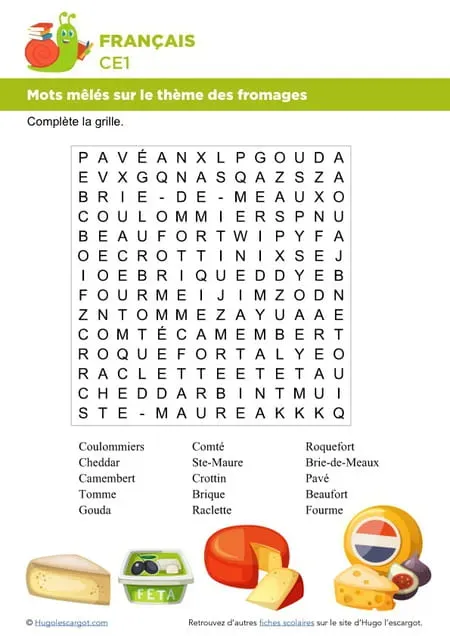
Ah, the dreaded moment. You're cruising through a mots fléchés grid, feeling like a linguistic ninja, and then you hit it: the clue "fromage et dessert." Your brain freezes. Is it one word? Two? A specific item? Suddenly, that satisfying flow grinds to a halt. Trust us, you're not alone in staring blankly at those boxes when faced with fromage et dessert mots fléchés clues. This little phrase seems simple enough in real life, but in the world of arrow puzzles, it can hide a multitude of answers, from single-word solutions to short phrases.
Why That "Fromage et Dessert" Clue Stops You Cold
Why That "Fromage et Dessert" Clue Stops You Cold
The Language Barrier Isn't the Only Hurdle
so you see "fromage et dessert" and your brain immediately translates to "cheese and dessert." Simple enough, right? Not in mots fléchés. The puzzle isn't asking for a description of the course; it's asking for a specific item or a general term that fits the grid. And because it's French, you might first stumble over the words themselves if you're not used to them. But even if you know exactly what "fromage et dessert" means, the real problem is the sheer number of possibilities the clue could represent, depending on the length of the boxes provided.
It’s like being asked to name a type of music for a four-letter space. Is it POP? ROCK? JAZZ? Could be any of them! The ambiguity is the killer. You're staring at a few empty squares, knowing the answer is something you probably eat, but having no idea which of a hundred things it might be. It’s the vagueness, coupled with the specific cultural context of French dining, that makes this clue a puzzle within the puzzle.
It's All About Context and Letter Count
The reason "fromage et dessert" is such a headache boils down to the constraints of the grid. Mots fléchés are all about fitting the right word into the right number of boxes. The clue is a concept, but the answer has to be a precise word or short phrase that fits the length. This means the single clue "fromage et dessert" could lead to answers ranging from three letters to ten or more.
Consider this:
- A short answer might be a general term like "PLAT" (dish).
- A slightly longer one could be a specific cheese like "BRIE" or a dessert like "GATEAU" (cake).
- Even longer answers might refer to the course itself or a common pairing.
Without knowing the number of letters required, you're just guessing from a huge list of possibilities. It's the ultimate test of your vocabulary and your ability to think laterally about what words might fit that specific context.
Cultural Nuances Play a Big Role
French dining traditions aren't always universal knowledge, and "fromage et dessert" is deeply rooted in that culture. The clue isn't just about food; it's about the structure of a meal. After the main course, it's common to have a cheese course before the final dessert. So, the clue could be pointing to either part of that post-main-course sequence.
Think about it – if the clue was "breakfast cereal" in an American puzzle, you'd have a million brands and types. But "fromage et dessert" narrows it down to a specific part of a French meal. However, within that specific part, there's still a vast array of cheeses and desserts. Are they looking for a type of cheese? A specific dessert item? A general term for the course? The cultural context adds another layer of complexity, requiring you to tap into knowledge beyond just basic food names.
Common Solutions for Fromage et Dessert Mots Fléchés
Common Solutions for Fromage et Dessert Mots Fléchés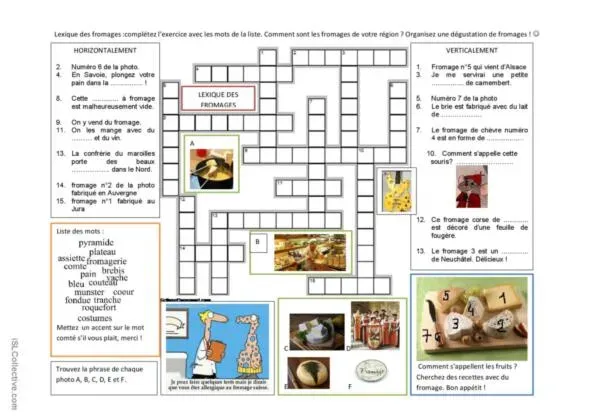
Alright, so you've stared down the beast, that "fromage et dessert" clue, and you're ready for some actual answers instead of just theories on why it's annoying. When you see this in a mots fléchés grid, the solution almost always falls into a few common categories, depending on the number of letters you need to fill. It could be a general term for a course, a specific popular cheese, or a well-known dessert item. Forget trying to list every single cheese or pastry in existence; mots fléchés puzzles tend to stick to the most common and recognizable answers that fit various lengths. Think about what you'd actually be served at the end of a standard French meal – that's where your mind should go.
- Common short answers (3-5 letters): PLAT, MET, LAIT (as in dairy for cheese), FRUIT
- Common medium answers (6-8 letters): FROMAGE, DESSERT, GATEAU, TARTE, YOGOURT, CREME, BRIE, CHEDDAR, EDAM
- Common longer answers (9+ letters): ASSIETTE (as in plate), PATISSERIE, ENTRACTE (sometimes used for a break between courses), GOURMANDISE
Beyond Fromage et Dessert: Tackling Tricky Food Clues
Beyond Fromage et Dessert: Tackling Tricky Food Clues
Applying Lessons Learned from Fromage et Dessert
so you've wrestled with "fromage et dessert mots fléchés" and maybe even solved a few thanks to figuring out the common answers. That struggle wasn't just about one clue; it taught you something about how mots fléchés puzzles work, especially with food. The same principles that made "fromage et dessert" tricky – the need to consider letter count, cultural context, and common vocabulary – apply to a whole smorgasbord of other food-related clues that will inevitably pop up. It's not just about knowing the answer to one specific phrase; it's about developing a strategy for deciphering clues that point to anything edible or drinkable.
Think of "fromage et dessert" as your training ground. You learned that a clue isn't always a direct synonym. It can be a description, a category, or even a part of something larger. This mindset is gold when you face other vague or culturally specific food clues. You stop thinking, "What *is* fromage et dessert?" and start thinking, "What *word* fits this clue and these boxes, given it's something you might eat or drink?" This shift is crucial for unlocking the rest of the puzzle grid.
- Common tricky food clue categories:
- Specific ingredients (often regional or less common)
- Cooking methods
- Types of restaurants or eateries
- Traditional dishes (especially foreign ones)
- Drinks (alcoholic or non-alcoholic)
- Utensils or kitchen items
Spotting Other Culinary Curveballs
Beyond the "fromage et dessert" conundrum, mots fléchés puzzles love to throw other food-based curveballs. You might see clues like "Asian staple" (RICE, NOODLE), "Italian sauce ingredient" (TOMATE, AIL - garlic), "Breakfast grain" (AVOINE - oat, BLE - wheat), or even specific regional dishes you've never heard of. The key is recognizing that the clue is food-related and then using the letter count and any crossing letters from other words to narrow down the possibilities. Is it a fruit? A vegetable? A type of meat? The more you can categorize the potential answer, the closer you get.
Sometimes the clue is a descriptor, like "sweet treat" (BONBON, GATEAU), "sour fruit" (CITRON), or "spicy pepper" (POIVRON, PIMENT). These require you to think about the characteristics of food rather than just names. Other times, it's about where food comes from, like "dairy product" (LAIT, BEURRE, FROMAGE - yes, it appears in other contexts too!). Paying attention to these different angles helps you anticipate the kind of answer the puzzle setter is looking for.
Strategies for Decoding Food Clues
So, how do you tackle these tricky food clues without resorting to Googling every single one? First, always look at the number of boxes. This is your biggest hint. A short clue might be a basic ingredient or a common, short food name. A longer one could be a more specific dish or even a descriptive phrase. Second, check for any letters that are already filled in from crossing words. These letters are critical constraints that eliminate tons of possibilities instantly.
Third, think about common associations. If the clue is "paired with coffee," think of breakfast items or pastries. If it's "used in soup," think of vegetables or broths. Fourth, build your vocabulary of common food terms in French (or whichever language the puzzle is in). Terms like FRUIT, LEGUME (vegetable), VIANDE (meat), POISSON (fish), PAIN (bread), EAU (water), VIN (wine) are puzzle staples. Over time, you'll start to recognize the patterns and the go-to words puzzle setters use. It's less about being a gourmet chef and more about being a savvy word detective.
Finding Reliable Answers for Your Mots Fléchés Puzzles
Finding Reliable Answers for Your Mots Fléchés Puzzles
Beyond Guessing: Where to Look When Stuck
so you've tried the common "fromage et dessert" answers, you've looked at the letter count, and still nothing fits. Don't just throw the puzzle across the room (though the urge can be strong). There are actual resources out there designed to help you, and no, we're not talking about just cheating by looking up the whole solution. Think of these as tools to nudge your brain in the right direction. Dedicated mots fléchés solver websites are your best friends here. You can often input the letters you already have and the length of the word, and they'll give you a list of potential matches based on their database of puzzles and clues. It’s like having a really patient friend who knows a ton of words.
Using these solvers isn't a sign of weakness; it's a smart strategy for Finding Reliable Answers for Your Mots Fléchés Puzzles. Especially with tricky or obscure clues, or when you're dealing with regional French terms you might not know. Just be careful not to become *too* reliant. The goal is to solve the puzzle yourself, using the tool as a hint system, not a full answer key. Inputting just a few letters and seeing the possibilities can sometimes spark that "aha!" moment you needed.
Resource Type | How It Helps | Best For |
|---|---|---|
Online Mots Fléchés Solvers | Suggests words based on letters and length | Specific tricky words, confirming guesses |
French Dictionary (Online/App) | Understanding clue nuances, finding synonyms | Complex clues, expanding vocabulary |
Puzzle-Specific Forums/Communities | Asking for hints on a particular grid | When completely stuck, obscure puzzles |
Building Your Own Internal Database
While external tools are great for immediate help with clues like "fromage et dessert mots fléchés," the real long-term solution is to build your own knowledge base. Every time you solve a difficult clue or learn a new common mots fléchés word, make a mental note (or even a physical one). Puzzle setters often reuse common words and clue patterns. The more puzzles you do, the more you'll start to recognize these recurring elements. That obscure three-letter river you looked up last week? Chances are it will appear again in another grid with a similar clue.
This is where the detective work comes in. Pay attention not just to the answer, but to *why* that answer fits the clue. Was "PLAT" the solution for "fromage et dessert" because it means 'dish'? Was "BRIE" the answer because it's a common cheese of a specific length? Understanding the connection between the clue and the answer helps you predict solutions for similar clues in the future. Over time, you'll find yourself reaching for external solvers less and less, relying instead on the vast, slightly chaotic library of mots fléchés knowledge you've built in your own head. That's the true satisfaction of mastering these puzzles.
Putting the Lid on Fromage et Dessert Puzzles
So there you have it. That seemingly innocent "fromage et dessert" clue doesn't have to be the brick wall in your mots fléchés grid anymore. By understanding the common answers and applying a little strategic thinking – checking letter lengths, considering typical French post-meal options – you can navigate this particular hurdle. Mots fléchés are designed to make you think, sometimes outside the box, and food clues are a prime example. Keep these solutions handy, practice recognizing the patterns, and you'll find yourself filling in those squares with confidence, leaving that frustrating blank space a thing of the past. Now, about that clue for "obscure medieval cheese"...