Table of Contents
You've just finished a fantastic meal. The main course was a triumph. Now comes the moment of truth: dessert. Do you reach for something intensely sweet, a rich chocolate cake, or maybe a fruit tart? Or do you consider something different, something perhaps a little more... French? That's where the delightful tradition of fromage a dessert comes in. Forget the idea that cheese is just for appetizers or a separate course entirely. In France, cheese often plays a starring role as the final flourish before coffee, a sophisticated transition that cleanses the palate and extends the pleasure of dining.
Understanding Fromage a Dessert: More Than Just Cheese
Understanding Fromage a Dessert: More Than Just Cheese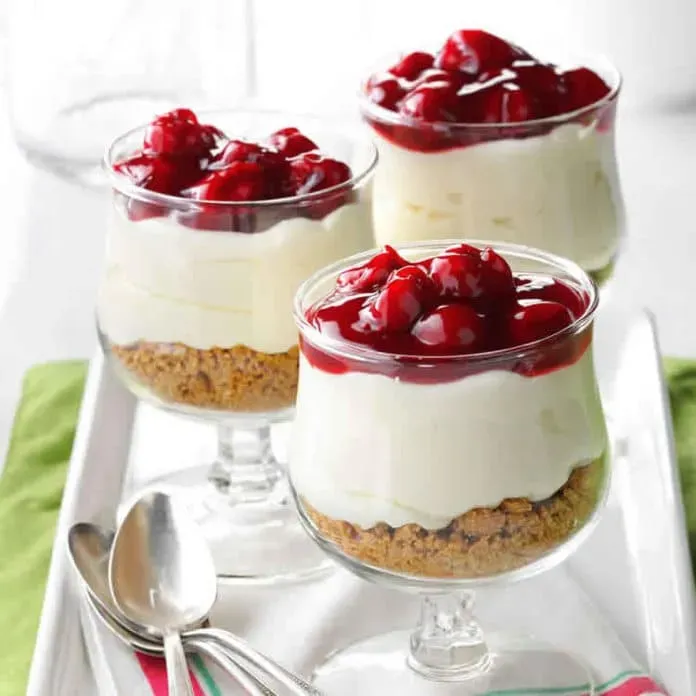
What Exactly is This Cheese Thing After Dinner?
so you've likely seen it in movies or maybe even experienced it on a trip: the cheese course that arrives after the savory dishes but before or instead of a traditional sweet dessert. This is the essence of fromage a dessert. It's not just some random cheese pulled from the fridge. It's a deliberate part of the meal structure, a transition that shifts the palate from rich, savory flavors towards a lighter, often tangy or earthy conclusion. Think of it less as a separate entity and more as the graceful final act of the savory performance, setting the stage for coffee or a digestif.
Beyond the Sugar Rush: A Palate Cleanser
For many, the idea of cheese as the grand finale seems, well, odd. We're conditioned to crave that sugar hit. But fromage a dessert serves a different purpose. Instead of overwhelming your taste buds with sweetness, it offers complexity. The acidity and fat in cheese can actually help cut through the richness of the main course, acting as a sophisticated palate cleanser. It’s a chance to savor different textures and aromas, providing a moment of reflection on the meal you’ve just enjoyed before diving into anything else. It’s less about a jolt and more about a gentle, flavorful landing.
- It cleanses the palate, not overwhelms it.
- Offers complex savory and tangy notes.
- Extends the dining experience and conversation.
- Provides a lighter alternative to heavy sweet desserts.
- Highlights the quality of the cheese itself.
The Intentional Selection: Why it Matters
This isn't about grabbing the nearest block of cheese. The "more than just cheese" part of fromage a dessert lies in the intention behind the selection and presentation. A thoughtful host or restaurant curate a selection that offers variety – perhaps a soft, creamy brie, a firm, nutty comté, and a tangy, pungent blue. They consider ripeness, temperature, and how each cheese complements the meal's overall profile. It's about presenting the cheese at its peak, often with simple accompaniments that enhance rather than mask its flavor. It elevates cheese from a simple ingredient to a focal point of the meal's conclusion.
Why Fromage a Dessert? The Tradition and the Taste
Why Fromage a Dessert? The Tradition and the Taste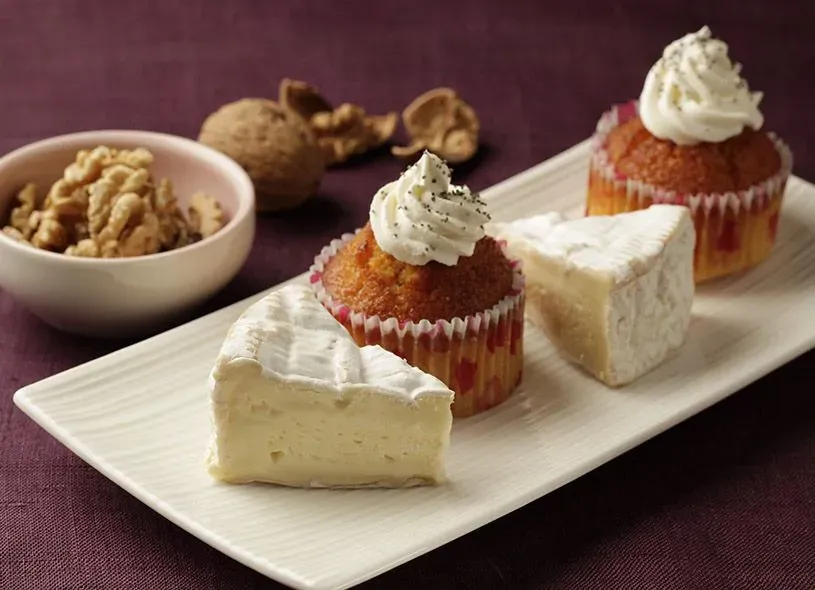
Stepping into a Time-Honored French Custom
Why bother with fromage a dessert when there's perfectly good chocolate lava cake waiting? Because it's an experience, a ritual deeply ingrained in French culture. It’s not just about eating cheese; it's about slowing down, appreciating the nuances, and continuing the conversation around the table. For centuries, the cheese course has marked the transition from the savory part of the meal to the sweet, or sometimes replaced the sweet entirely. It’s less about indulgence (though it certainly is that) and more about a sophisticated pause, a moment to reflect on the meal and cleanse your palate before coffee or a digestif. It’s a subtle flex, really, showing you appreciate the finer points of dining beyond just stuffing your face. It’s about savoring, not just consuming.
The Taste Factor: Complex, Layered, and Totally Worth It
Beyond the cultural cachet, fromage a dessert simply tastes incredible and serves a practical purpose. Think about it: after a rich meal, sometimes a sugary dessert feels heavy. Cheese, particularly a well-chosen selection, offers a different kind of satisfaction. The acidity cuts through fat, the different textures provide interest, and the complex, often earthy or nutty flavors are a welcome contrast to the sweetness that typically follows. A bite of tangy goat cheese, followed by a sip of wine, can be far more refreshing than a dense slice of cake. It’s a chance to explore a spectrum of tastes – from mild and creamy to sharp and pungent – that engages your palate in a whole new way.
What's your favorite type of cheese to end a meal with?
Choosing Your Cheeses for a Perfect Fromage a Dessert
Choosing Your Cheeses for a Perfect Fromage a Dessert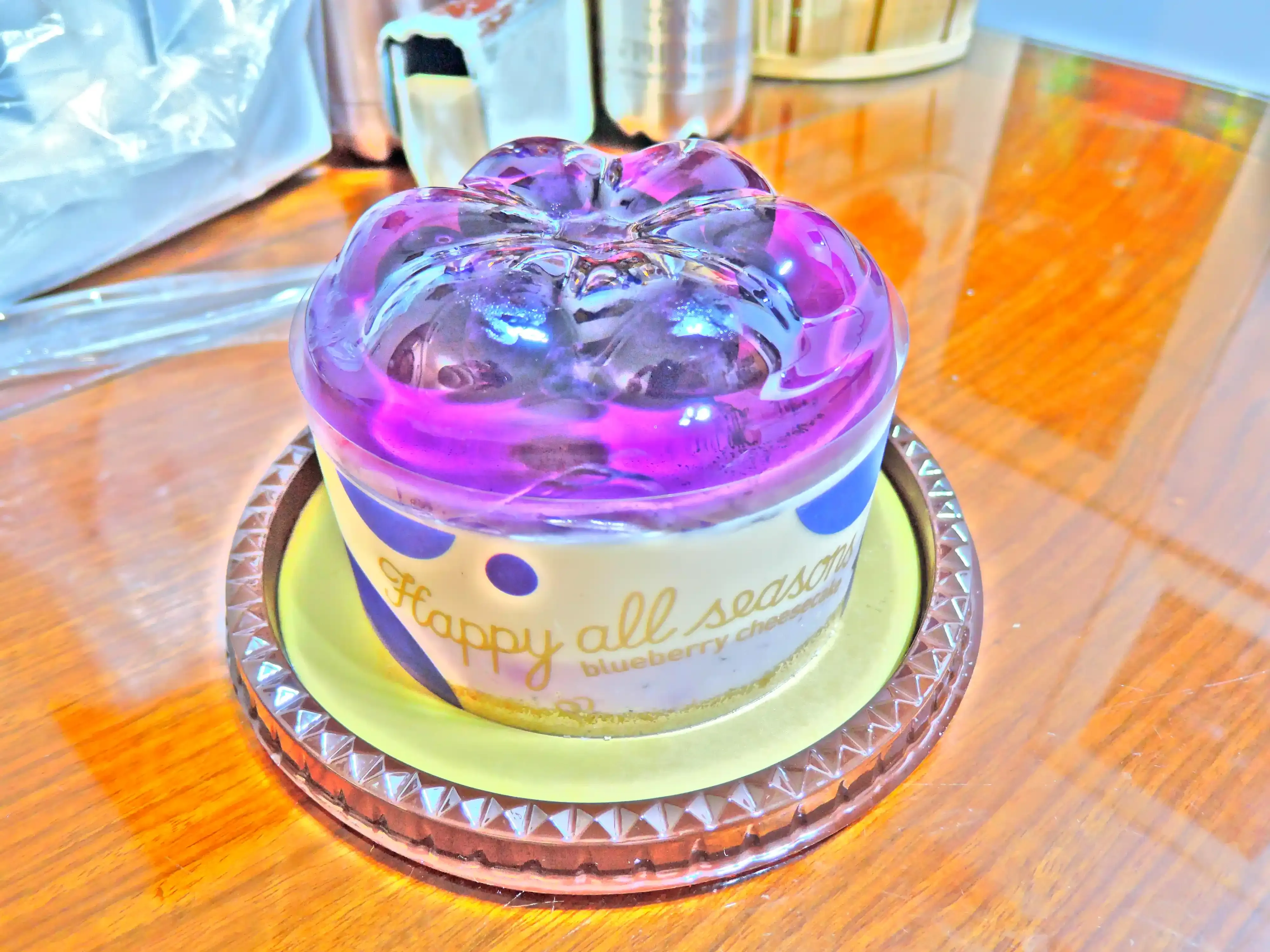
Don't Just Grab Anything: Aim for Variety
so you're sold on the idea of fromage a dessert. Great. Now comes the slightly daunting part for some: picking the cheeses. You can't just toss three blocks of aged cheddar on a plate and call it a day. The magic lies in offering a range. Think about texture, flavor intensity, and milk type. You want something soft and creamy, something firm and perhaps nutty, maybe a tangy goat or sheep cheese, and yes, usually a blue. This provides a journey for the palate, a chance to explore different sensations after your meal. It's about contrast and harmony, not monotony. A good selection invites conversation and lingering enjoyment.
Hitting the Key Cheese Categories
To build a solid fromage a dessert selection, aim for representation across a few key families. You need a soft cheese, like a ripe Brie or Camembert, perhaps a triple crème for pure indulgence. A firm or semi-firm cheese is essential – think Comté, Gruyère, or even a good aged Gouda; they offer structure and often nutty or caramel notes. Don't forget a goat or sheep cheese; their unique tang and texture (from fresh chèvres to aged hard pecorinos) provide a bright counterpoint. And finally, the blue. A Roquefort, Gorgonzola, or Stilton adds that pungent, salty kick that some absolutely adore as a finisher. Four cheeses is a classic number, offering variety without overwhelming choices.
- Soft & Creamy: Brie, Camembert, Coulommiers
- Firm & Nutty: Comté, Gruyère, Aged Cheddar, Manchego
- Goat or Sheep: Chèvre, Crottin de Chavignol, Pecorino Sardo
- Blue: Roquefort, Stilton, Gorgonzola, Fourme d'Ambert
Consider the Meal and the Season
The best fromage a dessert selection isn't made in a vacuum. Think about what you just ate. A heavy, rich meal might call for lighter, more acidic cheeses to cleanse the palate. A lighter meal might handle something more intense. Also, consider the season. Lighter, fresher cheeses like young goat cheeses feel right in spring and summer, while heartier, aged cheeses and blues are perfect for colder months. Source from a good cheesemonger if possible; they can guide you to cheeses at their peak ripeness and tell you their story. Serving cheese that's just right, not under or over-ripe, makes a world of difference.
Pairing Perfection: What Goes with Fromage a Dessert?
Pairing Perfection: What Goes with Fromage a Dessert?
More Than Just Cheese: The Supporting Cast
Alright, so you've got your beautiful selection of cheeses laid out for your fromage a dessert. You've got your creamy, your firm, your tangy, and your blue. But serving cheese naked on a plate is like telling half a story. The magic of a great cheese course, especially as a dessert transition, often lies in the accompaniments. These aren't just decorative elements; they're flavor enhancers, texture contrasts, and palate bridges. Think of them as the supporting cast that makes your cheese selection shine. They can temper a cheese's intensity, highlight its subtle notes, or provide a sweet counterpoint to its saltiness. Getting these pairings right elevates the entire experience from "some cheese" to a truly memorable finale.
Sweet, Savory, and Crunchy: Finding the Right Dance Partners
Choosing the right partners for your fromage a dessert cheeses is crucial. Fruits are classic for a reason. Fresh fruits like grapes, figs, or pear slices offer sweetness and moisture that pair beautifully with many cheeses. Dried fruits, such as apricots or dates, provide concentrated sweetness and a chewy texture. Nuts like walnuts, pecans, or almonds add crunch and earthy notes that complement nutty or aged cheeses. And then there are the preserves – fig jam, quince paste (membrillo), or cherry preserves can offer a sweet, tangy counterpoint to sharp or salty cheeses. Don't forget the bread or crackers; a simple baguette or plain cracker is essential for carrying the cheese and cleansing the palate between bites. The goal is balance; you want accompaniments that enhance the cheese, not overpower it.
Cheese Type | Classic Fruit Pairings | Nut/Other Pairings |
|---|---|---|
Soft & Creamy (Brie, Camembert) | Berries, Figs, Pears | Walnuts, Honey, Baguette |
Firm & Nutty (Comté, Gruyère) | Apples, Grapes | Almonds, Fig Jam, Crusty Bread |
Goat/Sheep (Chèvre, Pecorino) | Apricots, Cherries | Pistachios, Honey, Olive Oil Crackers |
Blue (Roquefort, Stilton) | Pears, Dates, Dried Figs | Walnuts, Quince Paste, Gingerbread |
Simple Platters vs. Creative Fromage a Dessert Ideas
Simple Platters vs. Creative Fromage a Dessert Ideas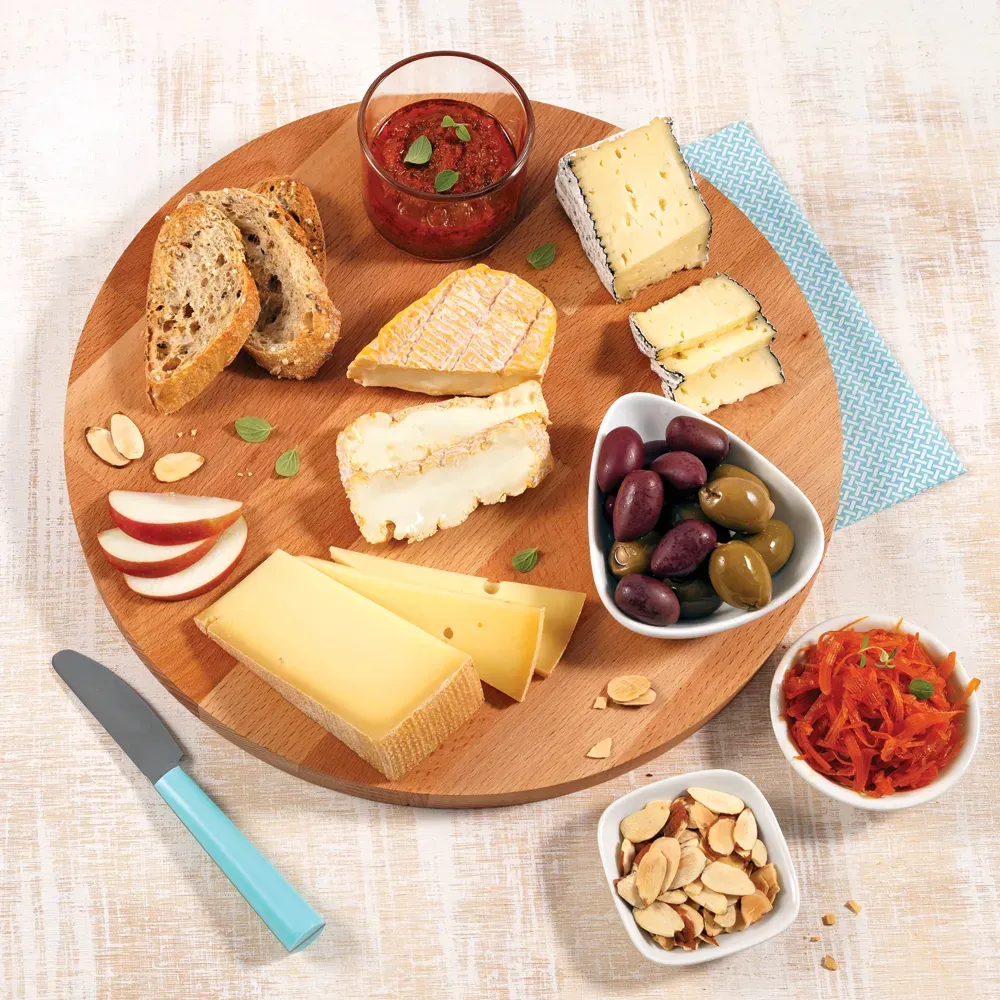
The Classic Approach: Keeping it Simple and Stellar
So you've mastered picking the cheeses and found some killer pairings for your fromage a dessert. Now, how do you present it? The simplest way, and often the most effective, is the classic platter. This isn't lazy; it's confident. It says, "These cheeses are fantastic on their own, and I've given you some great things to eat them with." You arrange your selected cheeses, perhaps cut into manageable pieces or left whole with a knife, alongside your fruits, nuts, and bread. The focus is squarely on the quality of the ingredients. There's no need for elaborate garnishes or fussy arrangements. Just good cheese, good partners, presented cleanly. It's the little black dress of cheese courses – always appropriate, always elegant.
Beyond the Board: Getting a Little More Adventurous
Once you're comfortable with the basic platter, maybe you want to mix it up. Fromage a dessert doesn't *have* to mean just a cheese board. It can involve slightly more composed elements or even using cheese directly *in* a dessert that still feels like a cheese course. Think individual verrines with layers of creamy cheese and fruit compote, or small tarts featuring goat cheese and honey. It's about taking the core idea – cheese as a thoughtful, palate-cleansing end to the meal – and expressing it differently. This takes a little more effort, obviously, but it can be a fun way to surprise your guests or just treat yourself to a slightly more orchestrated experience.
Here are a few ideas to get you started:
- Warmed goat cheese drizzled with honey and sprinkled with pistachios.
- Mini cheesecakes using a tangy cheese like ricotta or cream cheese, served with a berry coulis.
- Pears baked with blue cheese and walnuts.
- A simple panna cotta made with a mild fresh cheese like mascarpone.
Finding the Balance Between Effort and Effect
Whether you stick to a simple, perfect platter or venture into more composed creations for your fromage a dessert, the key is finding the balance that works for you and your diners. Don't feel pressured to create a culinary masterpiece if you're short on time or energy. A few truly excellent cheeses served at the right temperature with a handful of well-chosen accompaniments will always trump an overly complicated, mediocre attempt. The goal is enjoyment and a pleasant end to the meal, not impressing Gordon Ramsay. Start simple, get comfortable, and then maybe, just maybe, try that baked brie wrapped in puff pastry with fig jam you saw online. Or don't. A good piece of Comté and a slice of apple are often all you need.
Building Your Fromage a Dessert Platter Like a Pro
Building Your Fromage a Dessert Platter Like a Pro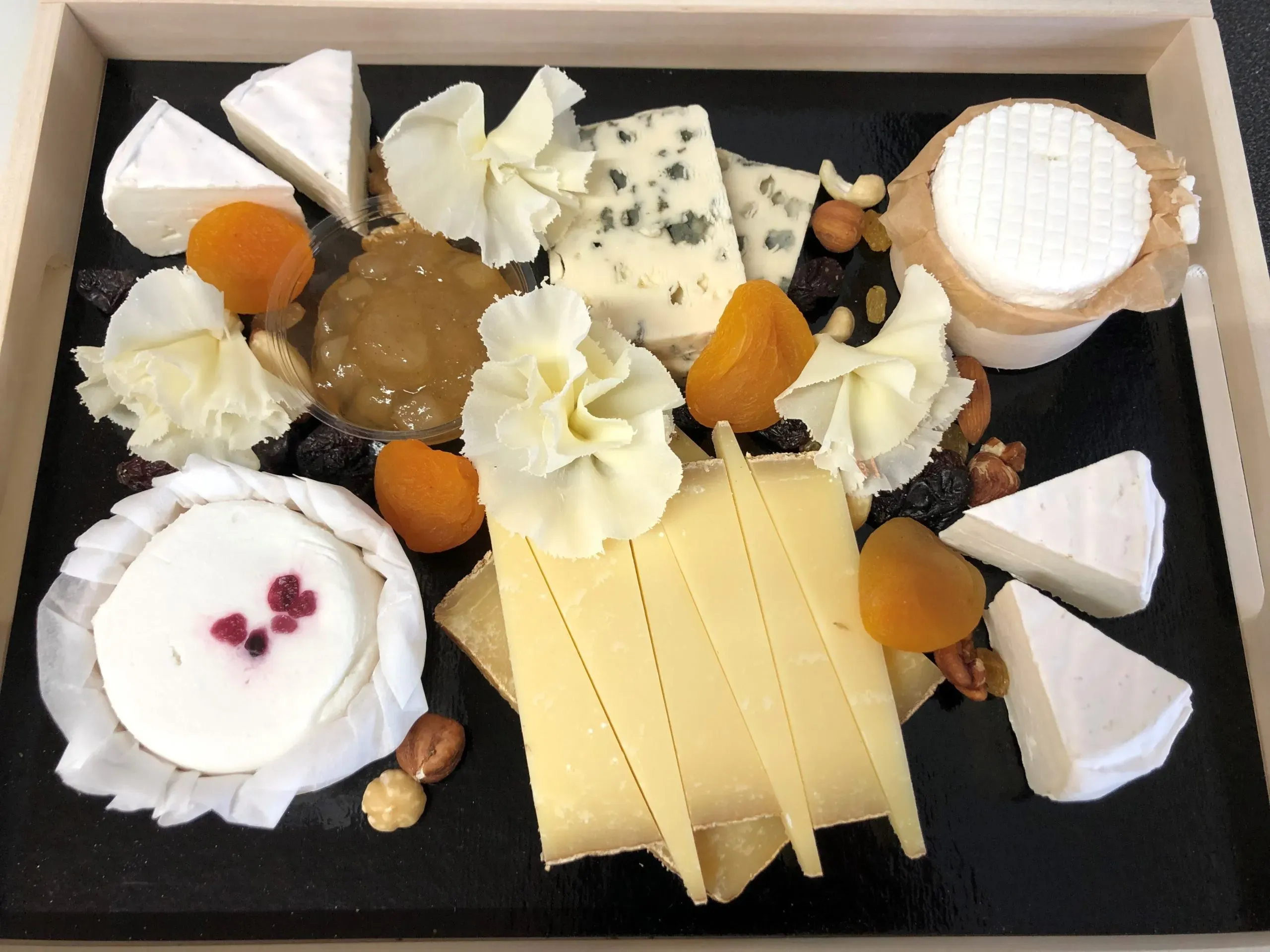
Gather Your Gear and Set the Stage
you've picked your stellar lineup of cheeses and gathered your supporting cast of fruits, nuts, and bread for your fromage a dessert. Now comes the fun part: putting it all together in a way that looks inviting, not like a cheese bomb exploded on a cutting board. You don't need fancy equipment, just a suitable surface. A wooden board, a slate tile, or even a nice ceramic plate works. Make sure it's large enough to comfortably hold everything without crowding. Cheese needs breathing room. Take your cheeses out of the fridge about 30-60 minutes before serving (sooner for very hard cheeses, later for very soft ones) so they reach their optimal temperature. Cold cheese is like a quiet person at a party – all the flavor is hidden away. Let them warm up and express themselves.
Arrangement Isn't Just for Flowers
Placing the cheeses on the board is more than just dropping them anywhere. Think about flow. Arrange the cheeses with some space between them. You can group them by type (soft together, hard together) or intensity (mildest to strongest). Place knives with each cheese, especially if they require cutting; don't make your guests struggle. Arrange your accompaniments around the cheeses. Cluster grapes, pile nuts, fan out dried apricots. Make it look abundant and appealing. It's not about being fussy, it's about making it easy and visually appealing for people to navigate the board and try different combinations. A little bit of thought here goes a long way in making your fromage a dessert a success.
Here's a quick cheat sheet for your platter setup:
- Use a board or platter that fits the amount of cheese.
- Leave space between different cheeses.
- Provide a separate knife for each cheese type (or at least for soft/blue cheeses).
- Arrange accompaniments in appealing clusters around the cheese.
- Don't over-garnish; the cheese is the star.
- Labeling cheeses can be helpful, especially for less common ones.
The Finishing Touches and Serving Temp Check
Before you unveil your masterpiece fromage a dessert, give it a final look. Are the cheeses at the right temperature? Are the accompaniments easy to reach? Add a final flourish if you like – maybe a sprig of rosemary or a scattering of edible flowers, but keep it minimal. Remember, the goal is to highlight the cheese, not distract from it. Serve it before coffee or a digestif, allowing guests time to truly savor the flavors. Encourage people to try different cheeses and pairings. It's a conversation starter, a moment to linger and discuss what you're tasting. Don't rush this part of the meal; it's meant to be a relaxed, enjoyable conclusion.
Beyond the Board: Cooking with Cheese in Desserts
Beyond the Board: Cooking with Cheese in Desserts
Taking Cheese Off the Platter and Into the Mix
so we've talked a lot about presenting beautiful boards for fromage a dessert, and that's fantastic. It's the classic move. But what if you want to get a little more hands-on? What if you want to truly integrate cheese into the sweet course? This is where things get really interesting. We're not talking about a savory cheesecake here, though those are great too. We're talking about desserts where cheese plays a specific, often surprising, role in the flavor profile, adding tang, richness, or a unique texture that sugar alone can't provide. It's a different expression of the same idea: using cheese to finish the meal in a memorable way.
Cheeses That Play Nicely in Sweet Company
Not every cheese is cut out for dessert duty *inside* the dish. You wouldn't typically bake a pungent Limburger into a tart (unless you're feeling particularly adventurous and possibly masochistic). But many cheeses have characteristics that lend themselves beautifully to sweet applications. Cream cheese is the obvious one, forming the backbone of countless cheesecakes. Ricotta, with its light texture and mild tang, is perfect for fillings in tarts or pastries, or whipped into a simple, elegant dessert with fruit. Mascarpone brings incredible richness and creaminess to tiramisu or fruit parfaits. Even some fresh goat cheeses can work, adding a bright, slightly acidic note to balance sweetness, especially with berries or honey.
Cheese Type | Dessert Application | Flavor Contribution |
|---|---|---|
Cream Cheese | Cheesecake, Frostings, Dips | Tangy, Creamy, Rich Base |
Ricotta | Tart Fillings, Cannoli, Whipped Desserts | Light, Mild Tang, Moist Texture |
Mascarpone | Tiramisu, Fruit Parfaits, Whipped Cream Alternative | Rich, Creamy, Slightly Sweet |
Fresh Goat Cheese (Chèvre) | Tarts with Fruit/Honey, Individual Verrines | Bright Tang, Crumbly/Creamy Texture |
Balancing the Sweet and the Savory Edge
The trick with using cheese in desserts for your fromage a dessert moment is finding that balance. You don't want it to taste like a savory dish accidentally wandered into the dessert course. The cheese should complement the sweetness, not fight it. A little tang from cream cheese cuts the richness of a cheesecake. The slight acidity of goat cheese provides a counterpoint to sweet honey or figs in a tart. It's about adding complexity, that little something extra that makes people pause and think, "What *is* that amazing flavor?" It’s not always easy, and some experiments will inevitably end up in the trash, but when you nail it, a cheese-centric dessert can be a far more sophisticated and satisfying end to a meal than another predictable slice of chocolate cake.
Tips for Serving Fromage a Dessert
Tips for Serving Fromage a Dessert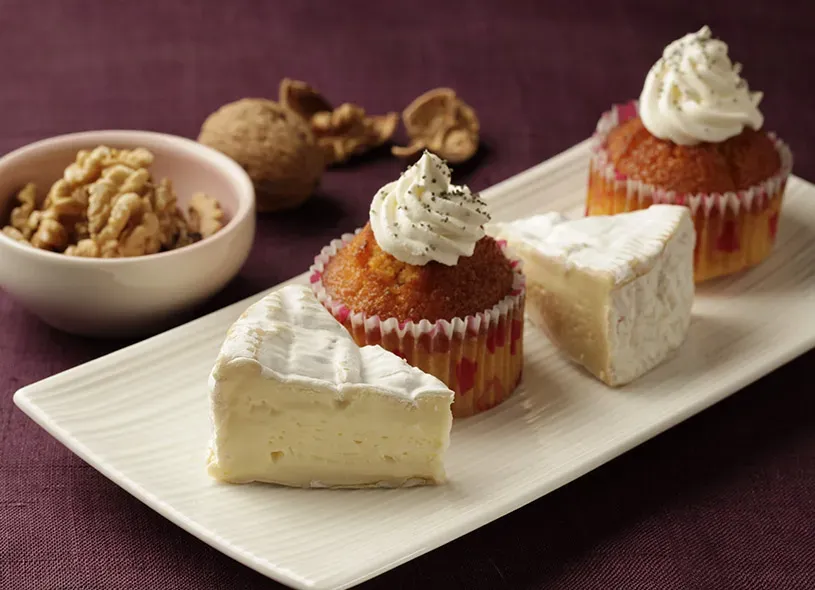
Get the Temperature Right – Seriously
Listen, I've seen it happen. Someone gets excited about serving fromage a dessert, pulls the cheese straight from the arctic tundra of their refrigerator, and slaps it on a plate. Don't do this. It's a disservice to the cheese and your guests. Cold mutes flavor. It stiffens textures that should be yielding. A good rule of thumb is to take your cheeses out 30 to 60 minutes before you plan to serve them. Harder cheeses might need a little longer, while very soft or fresh cheeses need less. This allows the fats to soften slightly, the aromas to open up, and the true character of the cheese to shine. Serving cheese at the proper temperature is arguably the single most important factor in making your fromage a dessert memorable for the right reasons.
Presentation Matters, But Don't Overthink It
While the cheese itself is the star of your fromage a dessert, how you present it absolutely influences the experience. You don't need to be a food stylist, but a little thought goes a long way. Use a clean board or platter that's big enough. Arrange the cheeses with some visual appeal and logical flow, perhaps mildest to strongest. Ensure you have appropriate knives for cutting different textures – a sharp pointed one for hard cheeses, a spreader for soft ones, maybe a wire cutter for blues. Place your accompaniments nearby but not piled on top of the cheese. Make it easy for people to serve themselves and see what's available. A simple, clean presentation says, "I care about this cheese," which makes people more likely to care about eating it.
Key reminders for serving:
- Serve cheese at room temperature for best flavor.
- Use a clean, appropriately sized board or platter.
- Provide suitable knives for cutting.
- Arrange cheeses and accompaniments clearly.
- Don't overcrowd the board.
- Consider labeling cheeses if they aren't easily identifiable.
Fromage a Dessert FAQs
Fromage a Dessert FAQs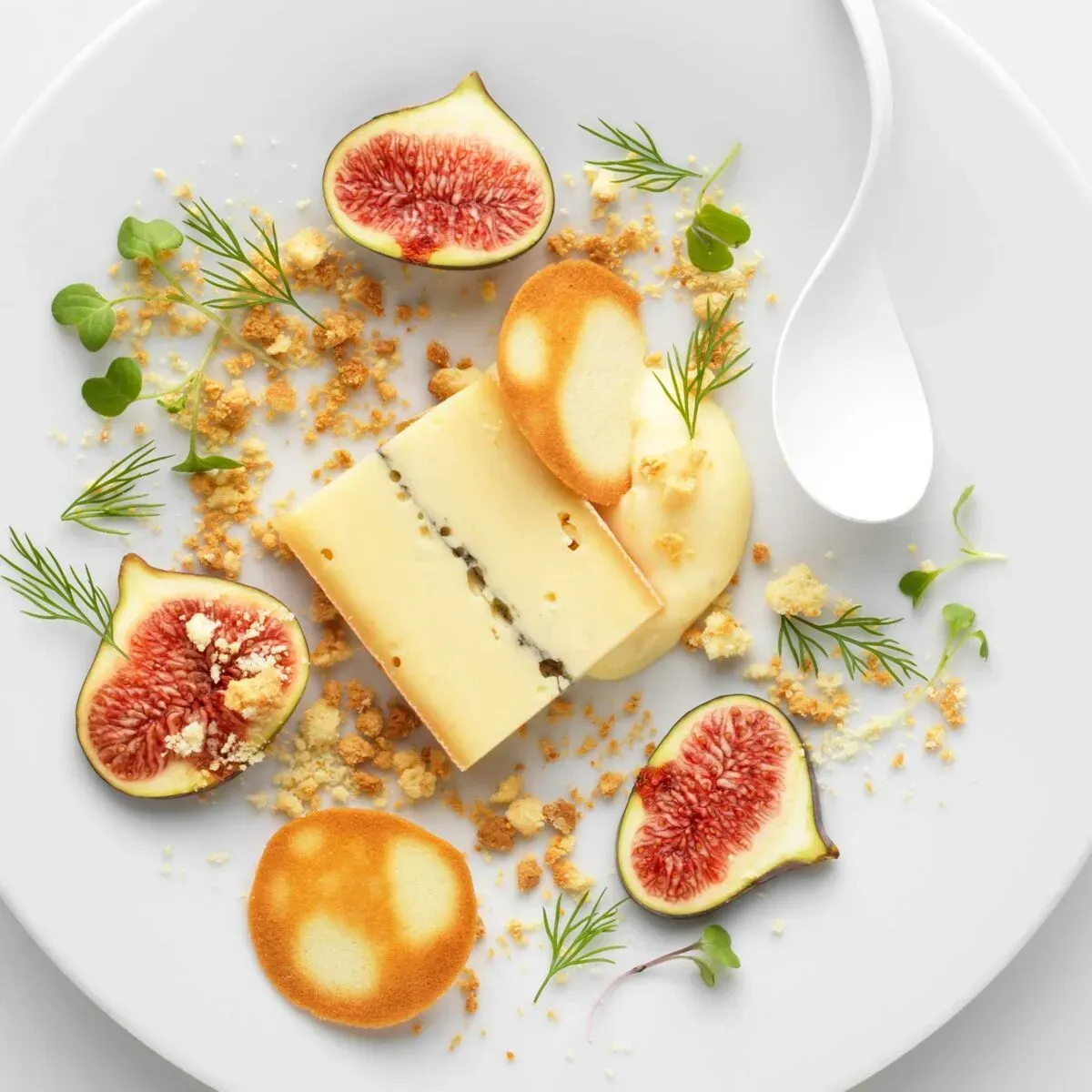
Is Fromage a Dessert Just for Fancy Dinners?
Absolutely not. While you’ll certainly find a carefully curated cheese course at high-end restaurants, the beauty of Fromage a Dessert is how adaptable it is. You can scale it up or down depending on the occasion. A simple wedge of perfectly ripe cheese with a handful of nuts and a slice of good bread can be a fantastic, low-key way to end a weeknight meal. It doesn't require hours of prep or elaborate plating. Think of it less as a performance and more as a pleasant, flavorful habit to adopt after dinner. It’s about appreciating good food, plain and simple, no white tablecloths required.
How Much Cheese Should I Serve for Fromage a Dessert?
This isn't a competitive eating event, thankfully. For a typical Fromage a Dessert serving as part of a multi-course meal, aim for about 1 to 1.5 ounces (roughly 30-40 grams) of *total* cheese per person. If the cheese course is replacing a more substantial dessert, you might increase that slightly, maybe up to 2 ounces. Remember, it's the end of the meal, and you don't want to leave people feeling overly stuffed. Offering a few different types in smaller quantities is usually better than one giant hunk of cheese. People want to sample, not commit to a single flavor.
Here’s a rough guide per person:
- Standard after-dinner portion: 1 - 1.5 oz (30-40g) total
- If replacing a sweet dessert: 1.5 - 2 oz (40-60g) total
- Offering 3-4 different cheeses is a good number for variety.
What Drinks Pair Best with Fromage a Dessert?
Ah, the crucial question. The truth is, the perfect drink pairing for Fromage a Dessert depends heavily on the specific cheeses you're serving. Generally, you want something that complements the cheese without overwhelming it. Wine is a classic choice. Sweet wines like Sauternes or Port are fantastic with blue cheeses. Lighter, acidic white wines can work well with fresh or goat cheeses. For firm, nutty cheeses, a medium-bodied red wine or even some white wines like Chardonnay can be lovely. Beer is also a surprisingly good partner for many cheeses; try a Belgian ale with a washed-rind cheese or a stout with cheddar. And don't forget non-alcoholic options – a sparkling cider or even just good quality water can cleanse the palate and let the cheese flavors shine. Experimentation is key here; what works for one person might not for another, but avoiding anything too tannic or overly sweet is a decent starting point.
Embracing the Fromage a Dessert Finale
So there you have it. The notion of fromage a dessert isn't just some stuffy French formality; it's a smart, flavorful way to conclude a meal. It offers a different kind of satisfaction than a sugar rush, a chance to linger over complex tastes and textures. It's about making a conscious choice to slow down and appreciate the subtle nuances that cheese brings to the table, quite literally. Skip the predictable sweetness sometimes, and explore the savory, tangy, or creamy possibilities. Your guests, and your palate, will likely thank you for the detour into this elegant post-meal tradition. It's not rocket science, just good taste.