Table of Contents
When you hear "dessert," your mind probably jumps to chocolate cake, apple pie, or maybe a scoop of ice cream. Sweet, right? But cross the pond to France, and the end of a meal often looks a little different. We're talking about the tradition of the france cheese dessert. It’s not just a random plate of cheese; it's a thoughtful closing act to a meal, sometimes even replacing the sweet course entirely, or arriving just before it. This might seem odd if you're used to cheese as an appetizer or snack, but in France, it holds a place of honor. It’s less about sugary sweetness and more about complex flavors, textures, and the simple pleasure of savoring something deeply satisfying. This article will walk you through why the French embrace cheese after dinner, which types are the usual suspects, how to assemble a plate that looks (almost) as good as it tastes, and what to pour alongside it. Get ready to rethink your dessert strategy.
Why French Cheese After Dinner? It's Not Just Dessert
Why French Cheese After Dinner? It's Not Just Dessert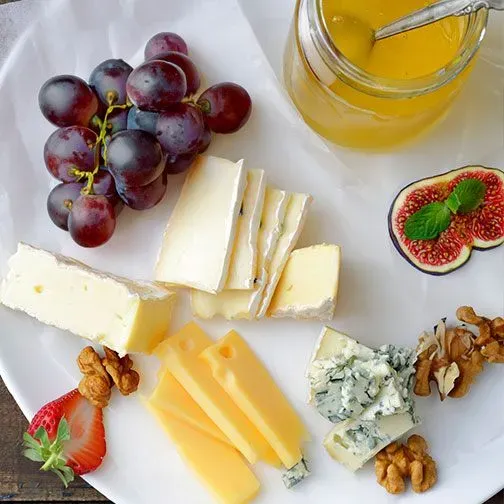
It's a Palate Cleanser and Transition
Think of the French cheese course less like a final, sugary punch and more like a sophisticated pause. After you've navigated the main course – maybe something rich with sauce, or a hearty roast – your palate needs a reset. Sugar can sometimes clash with lingering savory flavors. Cheese, particularly the right kind, acts like a gentle scrubber for your taste buds. It cuts through richness, neutralizes acidity, and prepares your mouth for whatever comes next, whether that's a lighter sweet dessert or simply coffee and conversation. It's a bridge, not an endpoint.
More Than Just Sweet Relief
Calling it "dessert" is a bit misleading in the American sense of the word. In France, the cheese course often arrives *before* the sweet dessert, or sometimes replaces it entirely, especially after a substantial meal. It’s about savoring complex, often pungent flavors, not getting a sugar rush. It’s a moment to appreciate the craft of cheese-making, the terroir, the history. My first time experiencing this in a tiny bistro in Lyon, I expected cake. Instead, out came a tray of gloriously stinky, varied cheeses. It felt less like a treat and more like an exploration of flavor. It's about digestion too; there's a long-held belief that certain cheeses aid in breaking down a heavy meal, though you won't find many scientists backing that claim rigorously. Still, the feeling persists.
- It cleanses the palate after the main course.
- It offers a savory alternative or prelude to sweet dessert.
- It’s a moment to appreciate artisan cheese production.
- It can aid digestion (or so the tradition suggests).
The Star Players: Best French Cheeses for Your Dessert Plate
The Star Players: Best French Cheeses for Your Dessert Plate
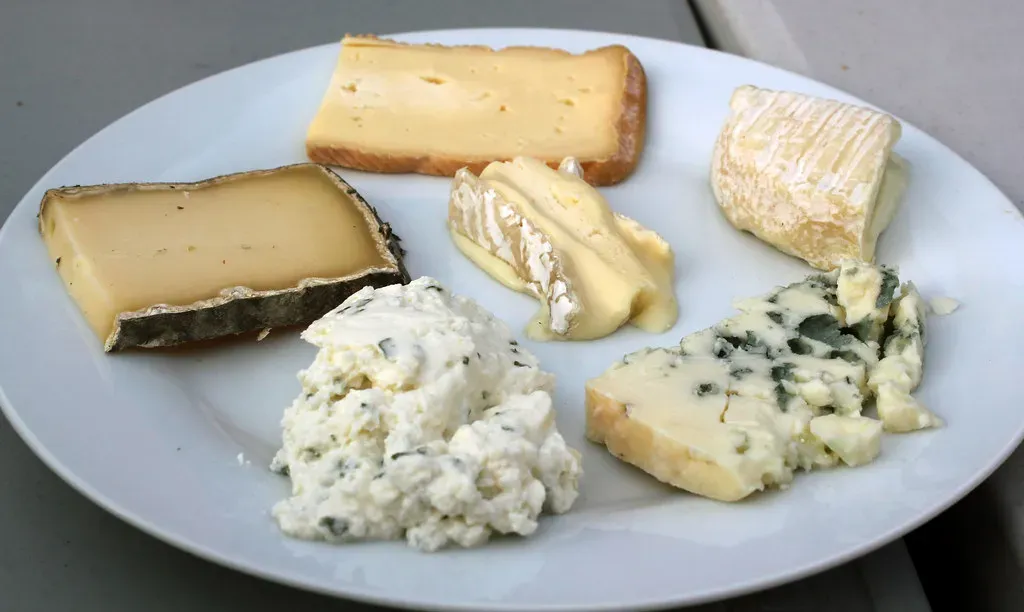
so you're sold on the idea of cheese after dinner. Great. Now, which ones? You don't just grab any old block from the fridge. A proper france cheese dessert plate needs variety. Think textures and intensities. You want something soft and creamy, maybe a pungent blue, a firm aged cheese, and perhaps a tangy goat cheese. It's not about having twenty cheeses, but having a few that offer different experiences. A classic lineup might include a creamy Brie or Camembert, a crumbly Roquefort, a nutty Comté or Beaufort, and a fresh chèvre. This mix covers the bases: rich, sharp, sweet-ish, and bright. It’s like building a band – you need different instruments to make good music.
Building the Perfect France Cheese Dessert Board
Building the Perfect France Cheese Dessert Board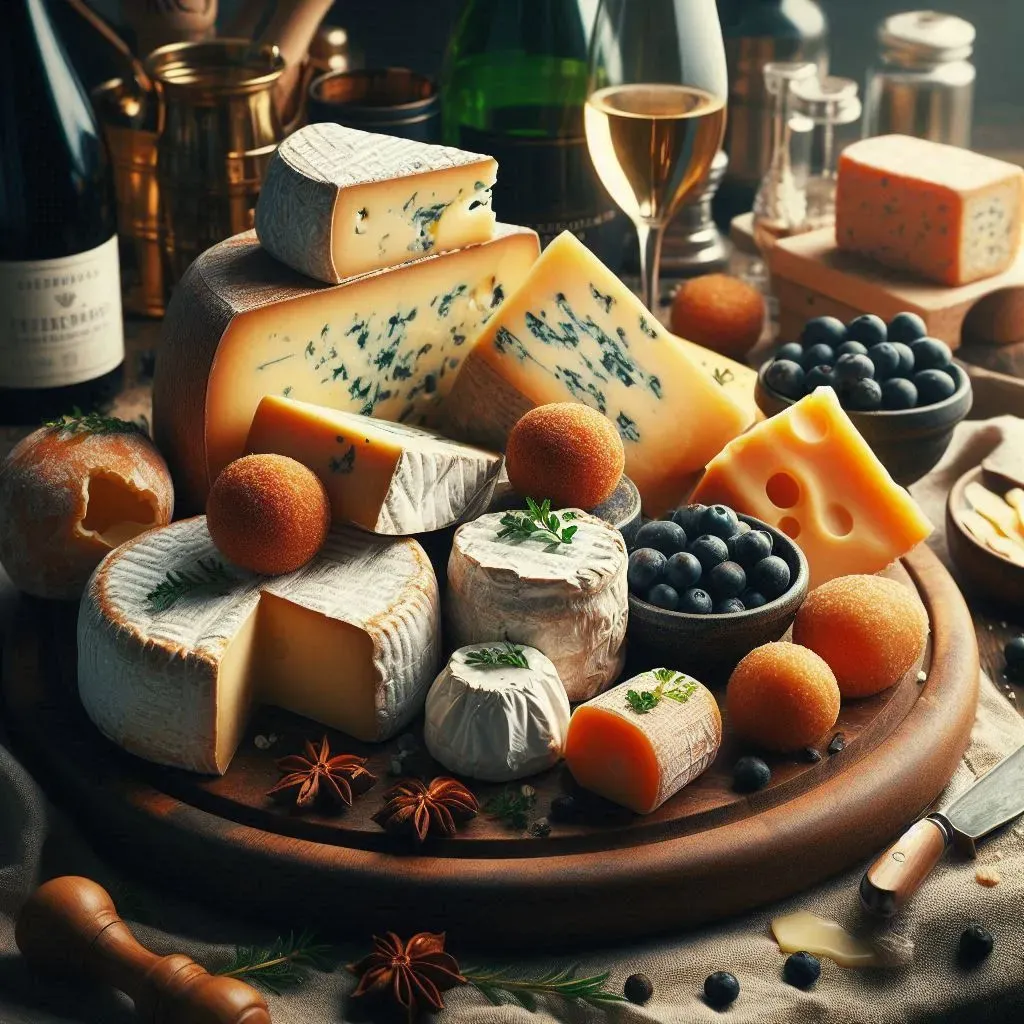
Selecting Your Stars for the Board
Alright, you've grasped the 'why'. Now for the 'how'. Crafting a compelling france cheese dessert board isn't just throwing some cheese on a plate. It’s about curation. Aim for diversity, usually three to five cheeses is plenty unless you're feeding a small army. You want a range of milk types (cow, goat, sheep), textures (soft, semi-hard, hard, blue), and intensities. Don't pick five mild, creamy cheeses. That's boring. Include something assertive, maybe a sharp aged Comté or a punchy blue like Fourme d'Ambert. Then balance it with a creamy delight like a ripe Coulommiers or a soft, tangy goat cheese like Sainte-Maure de Touraine. Think of it as assembling a tasting flight for your mouth.
Getting the Temperature and Presentation Right
This is where many people mess up. Cheese needs to breathe and warm up. Pull your cheeses out of the fridge at least 30-60 minutes before serving. Ice-cold cheese is flavorless, like a muted trumpet. Arrange them on a nice board – wood, slate, or ceramic works. Don't crowd them. Give each cheese its space. Labeling them is a nice touch, especially if you have some less common varieties, so guests aren't playing a guessing game. Cut a few initial slices or wedges to invite people in, but leave the rest whole so they can appreciate the form and texture. A whole wheel of Camembert looks a lot more impressive than pre-cubed pieces.
Presentation matters more than you think. A haphazard pile of cheese looks like you just raided the fridge. A well-arranged board, even simple, shows respect for the cheese and your guests.
- Remove cheese from fridge 30-60 minutes before serving.
- Use a clean board (wood, slate, ceramic).
- Arrange cheeses with space between them.
- Consider labeling each cheese type.
- Pre-cut a few pieces to encourage tasting.
The Supporting Cast: What Else Goes on the Board?
While the cheese is the headliner for your france cheese dessert, the accompaniments play crucial supporting roles. Keep it simple and classic. Good bread is essential – a fresh baguette is non-negotiable. Maybe some crusty country bread too. Avoid overly flavored crackers that compete with the cheese. Fruit is great; grapes are traditional and offer a refreshing counterpoint. Figs, fresh or dried, work beautifully, especially with blues and goat cheeses. A little dish of something sweet like fig jam, quince paste (pâte de coing), or a touch of honey can be lovely with harder or saltier cheeses. Avoid piling on too many things. The cheese is the point. Everything else is there to enhance, not distract.
Pairing Perfection: What to Serve with Your France Cheese Dessert
Pairing Perfection: What to Serve with Your France Cheese Dessert
Pairing Perfection: What to Serve with Your France Cheese Dessert
so you've got your killer cheese board assembled for your france cheese dessert experience. Now, what do you drink with it? This is where things get interesting. Forget the old "red wine with cheese" rule. It's too simplistic and often plain wrong, especially with pungent blues or delicate goat cheeses. The best pairings create harmony or a compelling contrast. For creamy, bloomy rinds like Brie or Camembert, a crisp white wine like a unoaked Chardonnay or a sparkling wine works wonders, cutting through the richness. Hard, nutty cheeses like Comté or Beaufort often sing with a medium-bodied red like a Beaujolais or a white from Alsace. Blue cheeses? They're tricky, but often pair magically with sweet wines – think Sauternes or a Banyuls. And goat cheeses love crisp, dry whites, especially Sauvignon Blanc from the Loire Valley. Don't forget cider or even certain beers can be fantastic partners. Experiment! The worst that happens is you find a pairing that doesn't quite click, and then you just try the cheese on its own again.
Beyond the Board: Cooking with French Cheese in Sweets
Beyond the Board: Cooking with French Cheese in Sweets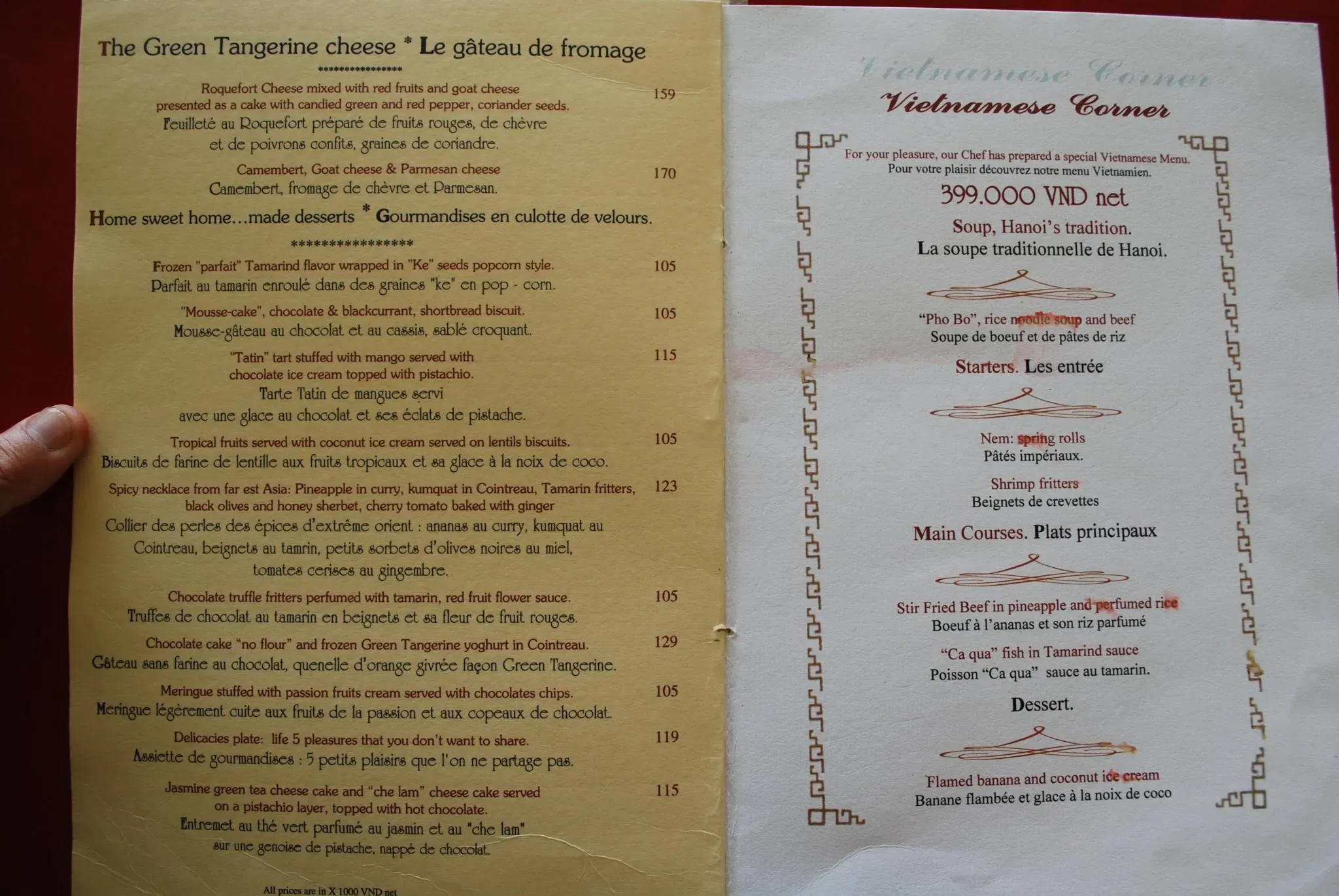
Stepping away from the simple board setup, the concept of france cheese dessert can also mean incorporating these magnificent dairy creations *into* sweet dishes. It sounds wild to some, like putting anchovies on ice cream, but trust me, it works. Think about it: cream cheese in cheesecake is just a mild, fresh cheese doing sweet duty. French cheeses, with their greater depth and character, can bring something truly special to pastries, tarts, and even ice cream. Imagine a tart with a layer of creamy, slightly tangy goat cheese under caramelized onions and a drizzle of honey – a classic savory combo that leans sweet. Or a cheesecake made with Neufchâtel, that heart-shaped cheese from Normandy, offering a tangier, richer profile than standard cream cheese. Even blue cheese, in small amounts, can add a fascinating savory counterpoint to dark chocolate or figs in a tart.
The Final Savory Note
So, there you have it. The france cheese dessert isn't some quirky anomaly; it's a deliberate, cherished part of the French culinary rhythm. It offers a different kind of satisfaction than a sugar rush – a complex interplay of textures and tastes that prepares the palate or provides a thoughtful end to the meal. Whether you embrace the full cheese board ritual or simply select a few favorite pieces, incorporating this tradition can add a layer of sophistication and simple pleasure to your own dining experiences. It's a reminder that dessert doesn't always have to be sweet to be deeply satisfying.