Table of Contents
When you hear "dessert," your mind probably jumps to chocolate cake, ice cream, or maybe a fruit tart. But what if I told you there's a whole other world after dinner, one that involves savory, creamy, and sometimes pungent delights? That's where the definition of cheese dessert comes in. It's not about cheesecake, which is its own delicious beast. We're talking about a dedicated course, typically served at the end of a meal, featuring a selection of cheeses.
What is the Definition of Cheese Dessert?
What is the Definition of Cheese Dessert?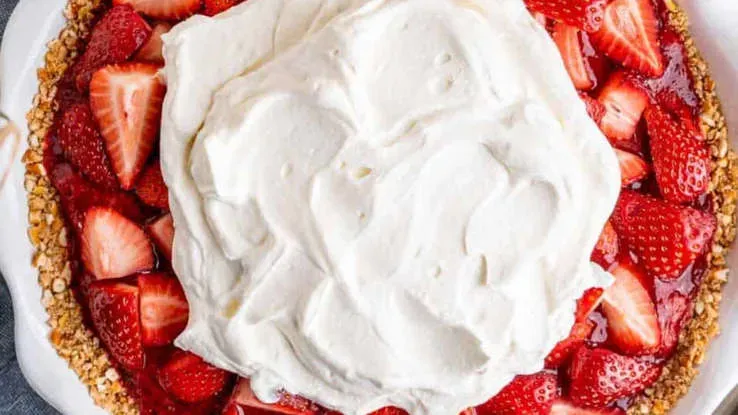
So, you're asking, what is the definition of cheese dessert? Let's clear the air right away: we're not talking about that glorious invention known as cheesecake. While delicious, cheesecake is a baked good, a true confectionary dessert. When we talk about a cheese dessert, we're referring to a selection of cheeses served after the main course but before, or sometimes in place of, a more traditional sweet dessert. It's a European tradition, particularly strong in France, where a cheese course is practically mandatory. These are usually cheeses chosen for their richness, flavor complexity, and ability to pair well with fruits, nuts, and perhaps a glass of wine or port, offering a sophisticated, savory conclusion to a meal.
Why a Cheese Dessert Course Makes Sense
Why a Cheese Dessert Course Makes Sense
It's a Sophisticated Palate Shift
so you've just crushed a fantastic main course. Maybe it was rich, maybe it was savory, maybe it was just... a lot. Hitting your taste buds with a super-sweet bomb right away can feel jarring, right? A cheese course offers this brilliant transition. It’s still flavorful, but it’s a different kind of flavor – often more complex, sometimes tangy, sometimes earthy. It cleanses the palate in a way that sugar just doesn't. It gives your mouth a chance to reset, appreciating the nuances of the cheese before you even think about that molten chocolate lava cake (if you still have room, you animal).
It Sparks Conversation
Let's be real, sometimes dinner parties hit that post-main course lull. Everyone's full, maybe a little sleepy. Bringing out a cheese board changes the energy. Suddenly, people are leaning in, asking questions. "What's this one?" "Is this the stinky one?" "Oh, you *must* try this with the fig jam!" It's interactive. It's communal. It's way more engaging than just spooning ice cream into a bowl. Plus, it looks impressive without requiring you to be a pastry chef.
- It provides a smooth transition from savory to potentially sweet (or just coffee).
- It offers a different flavor profile than traditional sweet desserts.
- It encourages interaction and discussion among guests.
- It allows for thoughtful pairings with drinks, fruits, and nuts.
- It feels a bit fancy without being overly complicated to prepare.
Popular Types of Cheese for Dessert
Popular Types of Cheese for Dessert
Creamy and Dreamy Options
Alright, so you've embraced the definition of cheese dessert. Now, what do you actually put on the board? You can't just grab any old block. For a dessert course, you often want cheeses that lean towards richness, creaminess, or even a hint of sweetness. Think soft-ripened cheeses like a beautiful, ripe Brie or Camembert. Their smooth, buttery texture and earthy notes are fantastic with fruit or a drizzle of honey. Triple-cream cheeses? Even better. They are ridiculously decadent and feel utterly luxurious after a meal. A good Gorgonzola Dolce, which is a sweeter, milder version of blue cheese, also fits here. It's creamy and has that blue tang, but it's not going to knock you over.
Bold and Tangy Choices
But it's not all about the melt-in-your-mouth stuff when considering the definition of cheese dessert. Sometimes you want something with a bit more attitude to cut through the richness of a meal. This is where the tangier or more robust cheeses come in. A sharp, aged cheddar can be surprisingly good, especially with apples. Goat cheese, with its distinct tang and often crumbly texture, is another excellent choice, particularly when paired with berries or a balsamic glaze. And then there are the blues – a classic Stilton or a Roquefort. These are not for the faint of heart, but their pungent, complex flavors are incredible with a sweet wine or dark chocolate. A cheese board should offer a journey, not just one note.
Cheese Type | Characteristics | Good Pairings |
|---|---|---|
Brie/Camembert | Soft, creamy, earthy, buttery | Apples, pears, berries, honey, nuts |
Triple Cream | Extra rich, buttery, decadent | Champagne, berries, fig jam |
Gorgonzola Dolce | Sweet, creamy blue, mild tang | Pears, figs, honey, sweet wine |
Aged Cheddar | Sharp, firm, nutty | Apples, walnuts, chutney |
Goat Cheese | Tangy, crumbly (often), fresh or aged | Berries, figs, balsamic glaze, honey |
Stilton/Roquefort | Pungent, complex blue, salty | Pears, walnuts, port, dark chocolate |
Serving Your Dessert Cheese Right
Temperature is Everything
you’ve picked your stellar line-up based on the definition of cheese dessert you’re aiming for. Don’t blow it by serving them straight from the fridge. This is a rookie mistake that mutes flavors and ruins texture. Cheese needs to breathe and warm up a bit to show its true character. Pull your cheeses out at least 30 minutes, preferably an hour, before you plan to serve them. Harder cheeses might need even longer. They should feel cool, not cold, to the touch. This lets the fats soften and the complex aromas and flavors really come alive. Serving cheese ice-cold is like listening to a symphony on a transistor radio – you're getting the notes, but none of the richness.
Presentation Matters (But Don't Stress)
Now, let's talk about getting it onto the board. You don't need to be a food stylist for Serving Your Dessert Cheese Right, but a little effort goes a long way. Use a nice cheese board – wood, slate, whatever looks good. Arrange the cheeses with some space between them. It helps guests identify them and keeps stronger smells from overpowering milder ones. Always provide a separate knife for each cheese, especially for blues or soft, sticky ones. Nobody wants their creamy brie tasting like Gorgonzola. Add some visual appeal with your accompaniments – a little bunch of grapes, a scattering of nuts, a small bowl of jam. It makes the whole thing look inviting and generous.
- Use a dedicated cheese board (wood, slate, etc.).
- Space out the different cheeses to prevent flavor transfer.
- Provide a separate knife for each cheese.
- Arrange accompaniments visually appealing around the cheeses.
- Labeling the cheeses (even with small flags) is a nice touch for guests.
Pairings Make the Party
Serving Your Dessert Cheese Right isn't just about the cheese itself; it's about what you serve *with* it. The right accompaniments elevate the experience. Crackers are classic, but offer variety – plain water crackers, something with seeds, maybe a fruit and nut cracker. Avoid anything too strongly flavored that competes with the cheese. Fresh fruit is a must – grapes, apple slices, pear slices. Dried fruits like figs or apricots are also fantastic. Nuts add crunch and richness – walnuts and pecans are great, as are Marcona almonds. And don't forget something sweet and spreadable – fig jam, quince paste, or a drizzle of honey, especially for blue or goat cheeses. Finally, the drinks! A sweet wine like Port or Sauternes is traditional with many dessert cheeses, but a dry sparkling wine, a crisp white, or even a good craft beer can be brilliant too. Think about the strength and character of the cheese and find a drink that complements or contrasts in an interesting way.
Wrapping Up the Dessert Cheese Debate
So, the definition of cheese dessert boils down to a specific course featuring cheeses, typically richer varieties, served after the main meal. It's a deliberate choice, distinct from an appetizer, meant to complement the end of a dining experience. Whether you opt for something sweet and creamy or sharp and tangy, presenting a simple board can elevate a dinner. It's less about following strict rules and more about enjoying the textures and flavors cheese offers as a final note.