
Table of Contents
Let's be honest, is there anything better than a really good cream cheese dessert? That tangy, creamy richness hitting just right after a meal or simply because Tuesday exists. From classic cheesecakes to fudgy brownies swirled with that sweet, slightly tart goodness, cream cheese takes desserts from good to absolutely unforgettable. It’s the secret ingredient that adds moisture, structure, and that signature velvety texture we all crave.
The Irresistible World of Cream Cheese Desserts
The Irresistible World of Cream Cheese Desserts
What Makes Cream Cheese Desserts So Good?
let's talk about why we're all here. It's the creaminess. That smooth, rich, slightly tangy flavor that just cuts through sweetness and adds something special. Think about biting into a perfectly baked cheesecake – that dense, cool texture melting in your mouth. Or maybe you're a brownie person, but add a swirl of cream cheese, and suddenly you've got this incredible contrast: fudgy chocolate meeting bright, creamy tang. It’s not just about sweetness; it’s the balance. The fat in the cream cheese carries flavor and gives desserts a luxurious mouthfeel that butter alone can't quite replicate. It adds moisture without making things soggy and provides a subtle lift, preventing dense bakes from turning into flavorless bricks.
Beyond the Classic Cheesecake
When people hear "cream cheese dessert," cheesecake is usually the first thing that pops into their heads. And yes, cheesecake is a masterpiece. But the world of cream cheese desserts is so much bigger than that. We're talking cream cheese brownies with those dramatic swirls, soft and chewy cream cheese cookies, easy no-bake parfaits layered with creamy goodness, or even simple fruit tarts where a cream cheese filling provides the perfect counterpoint to fresh berries. It's incredibly versatile. You can bake it, whip it, mix it into batters, or spread it on top. It plays well with chocolate, fruit, nuts, and even spices. It’s the reliable friend in your fridge, ready to transform simple ingredients into something truly memorable.
So, what are some common forms this magical ingredient takes?
- Classic Baked Cheesecakes
- No-Bake Cream Cheese Pies
- Cream Cheese Swirl Brownies
- Soft Cream Cheese Cookies
- Cream Cheese Bars (lemon, fruit, etc.)
- Cream Cheese Frostings
- Cream Cheese Danish Fillings
Key Ingredients for Sensational Cream Cheese Desserts
Key Ingredients for Sensational Cream Cheese Desserts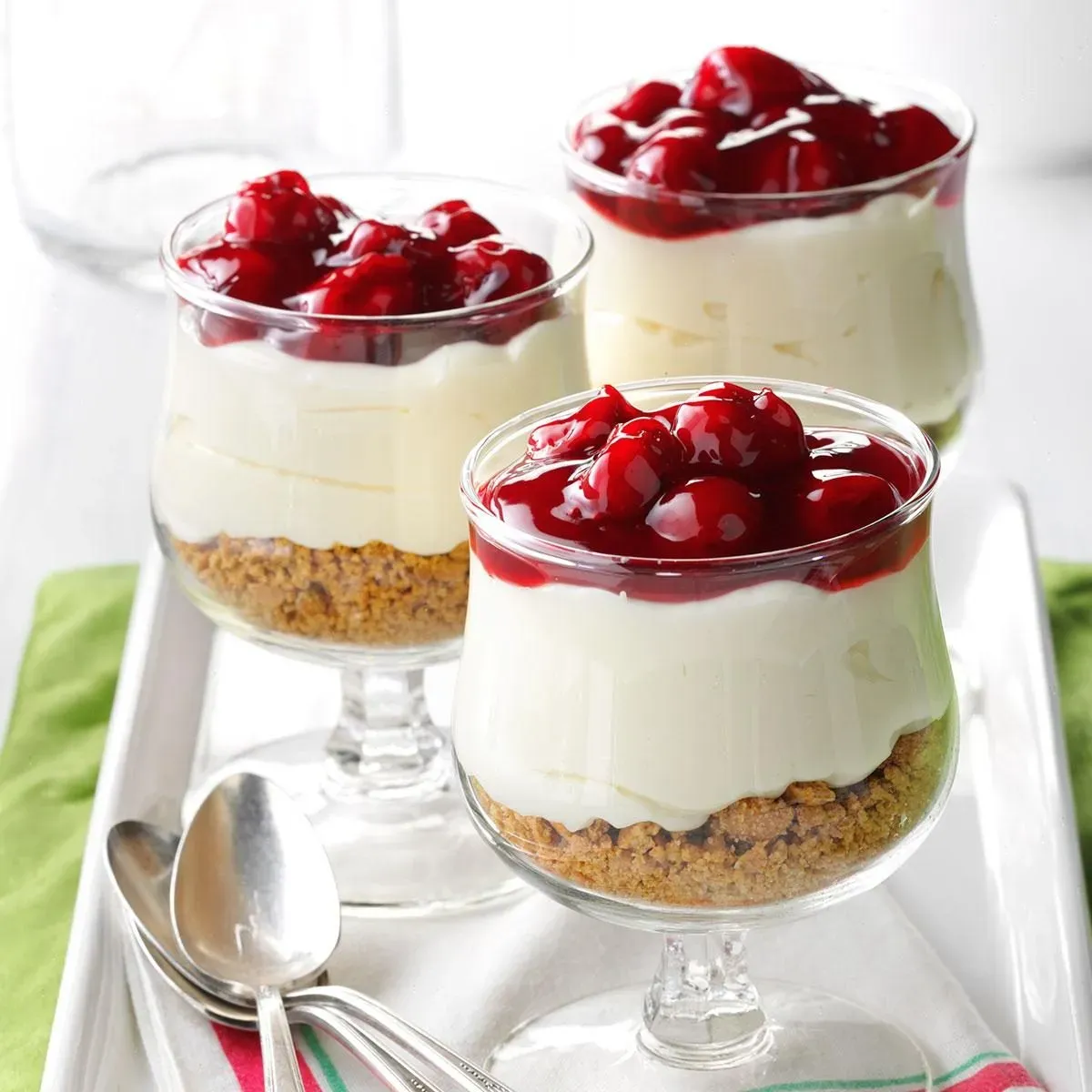
Building Blocks for Creamy Bliss
Alright, so you're hooked on the idea of making killer cream cheese desserts. Excellent choice. But before you grab that mixer, let's talk about the foundation: the ingredients. You can't build a palace on a shaky base, and you certainly can't make a sensational cream cheese dessert without starting with the right stuff. It all starts with the star player, obviously: the cream cheese itself. Don't skimp here. Full-fat, block cream cheese is your best friend. The whipped stuff in a tub is great for bagels, but it has too much air and often stabilizers that mess with baking. You also need good quality butter, real vanilla extract (not the imitation stuff, please), fresh eggs, and granulated sugar. Sometimes powdered sugar makes an appearance for frostings or no-bake fillings, but granulated is standard for baked goods. These seemingly simple items work together to create that magical texture and flavor.
Tips and Tricks for Perfect Cream Cheese Dessert Making
Tips and Tricks for Perfect Cream Cheese Dessert Making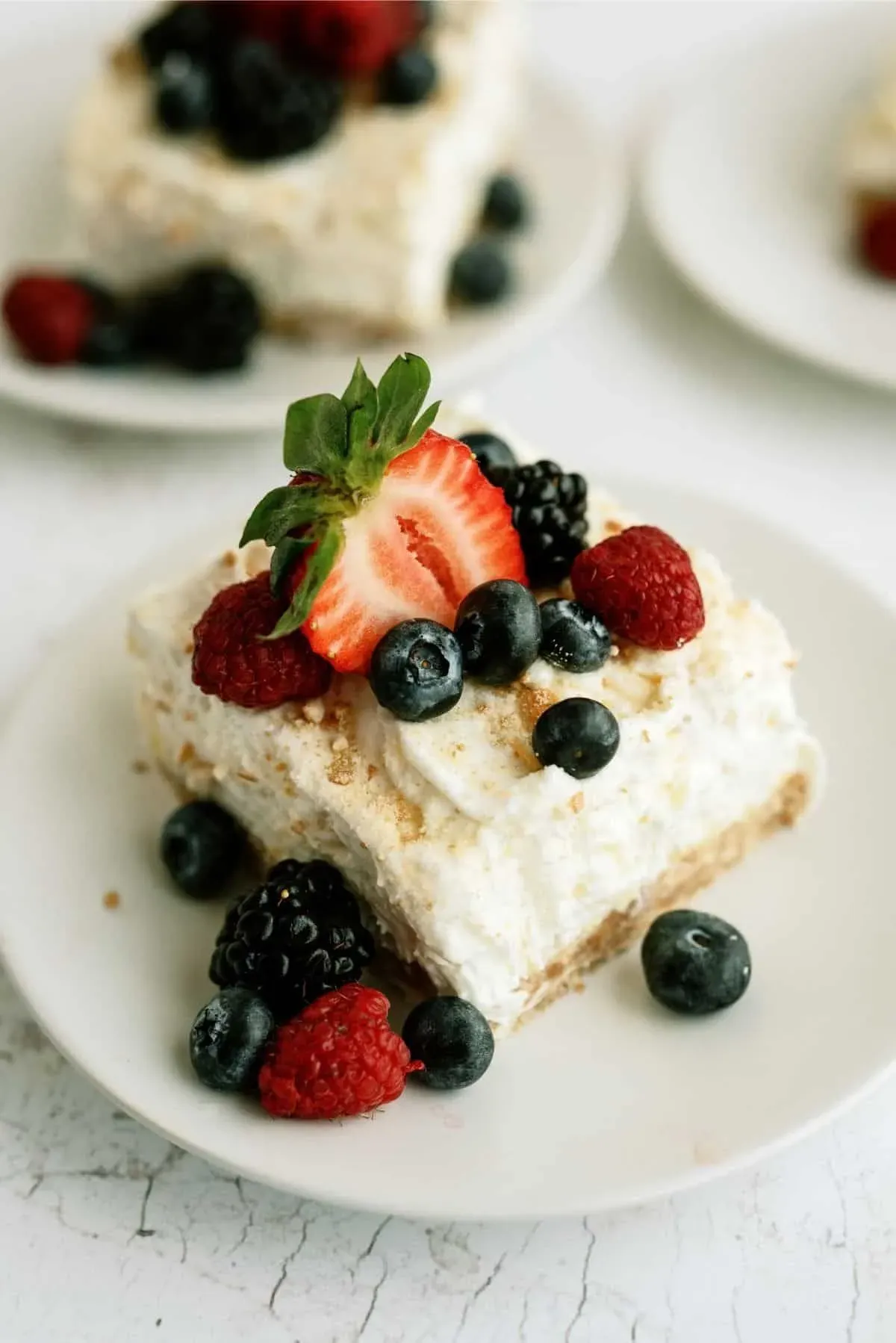
Getting it Right: Essential Techniques
so you've got your ingredients lined up. Now comes the fun part – actually making the magic happen. The biggest game-changer for any cream cheese dessert, whether it's a dense bar or a light mousse, is making sure your cream cheese and any other dairy, like butter or eggs, are at room temperature. Seriously, this is non-negotiable. Cold cream cheese is lumpy cream cheese, and no amount of beating will make it smooth. It's like trying to mix cold, hard butter into sugar – a clumpy mess. Let everything sit out for an hour or two. Another critical point, especially for cheesecakes and batters you don't want to crack or become tough, is don't overmix. Once your ingredients are just combined and smooth, stop. Overmixing incorporates too much air, which can cause things to rise too fast and then fall, leading to cracks or a tough texture. Gentle handling is key to that dreamy, smooth finish.
Beyond Cheesecake: Exploring Other Cream Cheese Desserts
Beyond Cheesecake: Exploring Other Cream Cheese Desserts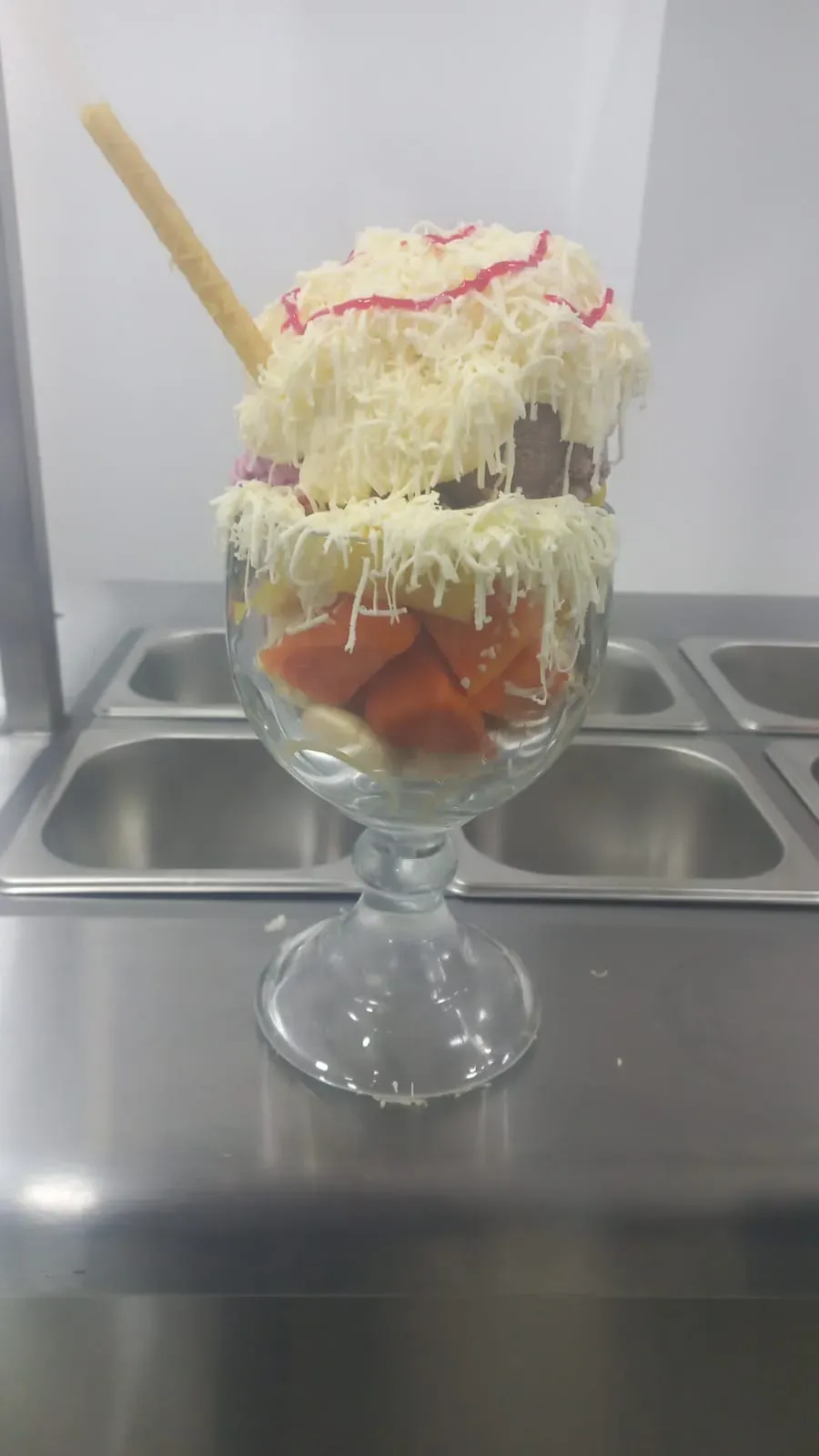
so cheesecake gets most of the glory when it comes to cream cheese desserts, and rightfully so. But limiting yourself to just cheesecake is like saying the only good dog is a golden retriever – you're missing out on a whole world of awesome. Cream cheese is incredibly versatile. It lends its magic to fudgy brownies, creating those stunning, tangy swirls. It makes cookies unbelievably soft and chewy. It forms the base for luscious fruit tarts and bars that are way easier than a full cheesecake but deliver just as much creamy satisfaction. Think about lemon bars with a cream cheese layer, or pumpkin rolls with that classic cream cheese frosting. It pops up in unexpected places too, like Danish fillings or even savory pastries, though we're sticking to the sweet side today. The point is, once you understand how cream cheese works, you can start experimenting and find your next favorite dessert that doesn't require a springform pan or a water bath.
Your Top Questions About Cream Cheese Desserts Answered
Your Top Questions About Cream Cheese Desserts Answered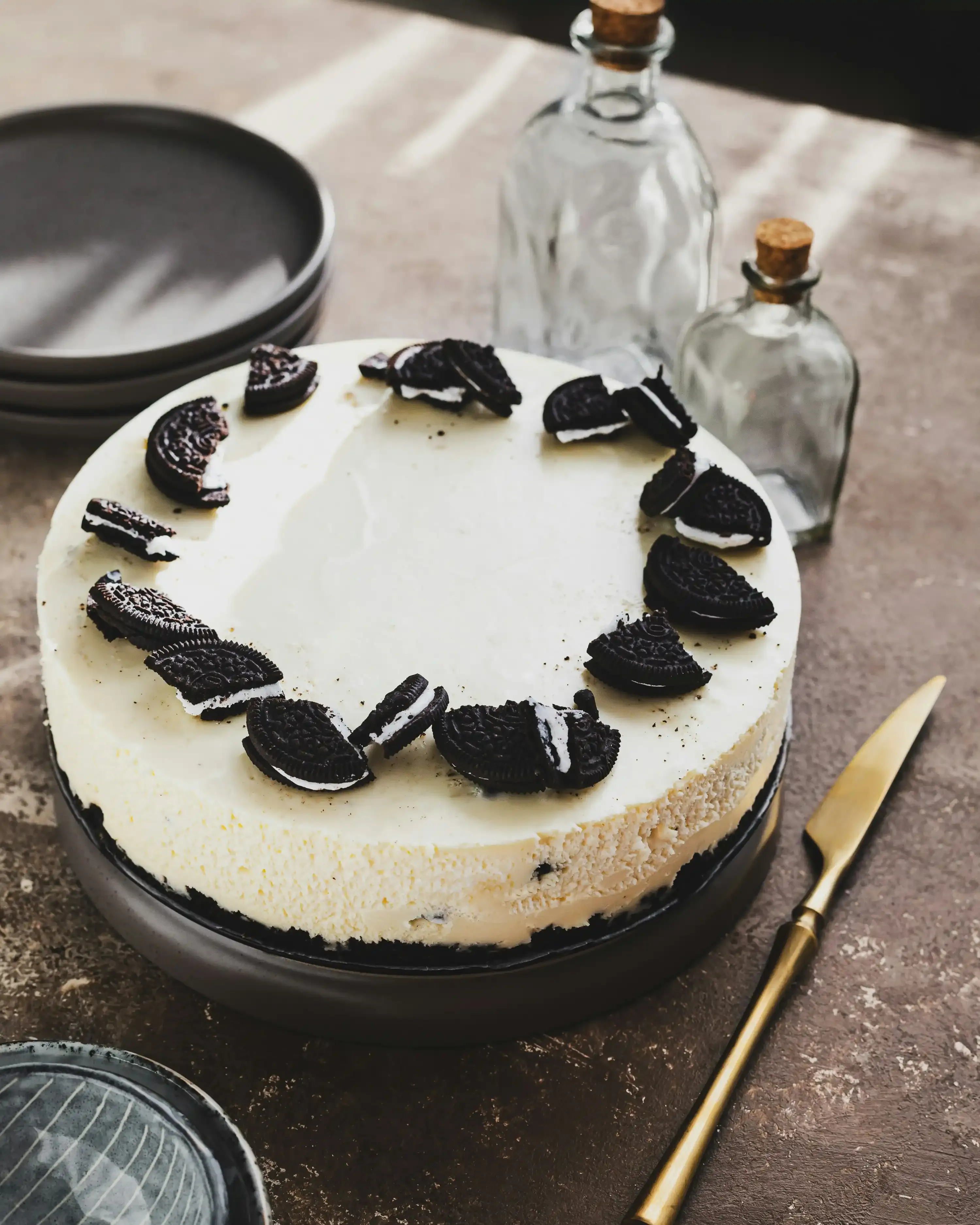
Why Does My Cheesecake Crack?
Ah, the dreaded cheesecake crack. It’s like the universe is mocking your efforts. This is probably the most common question I hear about any baked cream cheese dessert, especially cheesecakes. Usually, it boils down to two main culprits: temperature shock and overbaking. Think of your cheesecake as a delicate baby; it hates sudden changes. Baking it in a water bath (placing your springform pan in a larger pan filled with hot water) helps regulate the temperature and ensures even cooking. Also, don't just yank it out of the oven the second the timer goes off. Turn the oven off, prop the door open slightly, and let it cool down gradually inside. This slow transition prevents that sudden contraction that causes cracks. And seriously, watch the baking time. A slight jiggle in the center is good; it will set as it cools. An overbaked cheesecake is a guaranteed crack-fest and often dry.
How Do I Get That Perfectly Smooth Cream Cheese Filling?
Nobody wants a lumpy cream cheese dessert. Getting that silky, smooth texture is key. The absolute number one rule, and I cannot stress this enough, is start with room temperature cream cheese. If it’s cold and hard, you’re fighting an uphill battle. Take it out of the fridge at least an hour, maybe two, before you plan to mix. Beat the cream cheese by itself first until it’s completely smooth and creamy before adding sugar or other ingredients. This breaks down any lumps from the start. Scrape down the sides and bottom of your bowl often while mixing to make sure everything gets incorporated evenly. Don't rush the process. Add ingredients gradually and mix just until combined. Overmixing, especially after adding eggs, can incorporate too much air, leading to issues later.
- Always use full-fat block cream cheese.
- Ensure all cold ingredients are at room temperature.
- Beat cream cheese until smooth before adding sugar.
- Scrape the bowl frequently during mixing.
- Mix gently, just until ingredients are combined.
- Avoid overbaking baked cream cheese desserts.
Can I Freeze Cream Cheese Desserts?
Freezing is a great way to save that glorious cream cheese dessert for later, or to make it ahead of time. Most baked items like cheesecakes, bars, and even brownies with cream cheese swirls freeze quite well. The key is proper wrapping. Once completely cooled, wrap the dessert tightly in plastic wrap, then follow with a layer of aluminum foil or place it in a freezer-safe container. This prevents freezer burn and keeps it fresh. To thaw, it’s best to move it to the refrigerator and let it thaw slowly overnight. Thawing at room temperature can sometimes affect the texture. Frostings made primarily of cream cheese also freeze well, but sometimes the texture can change slightly after thawing; a quick whip with a mixer usually fixes this.
Making Your Cream Cheese Dessert Dreams a Reality
We’ve covered the essentials, from gathering your creamy components to swirling like a pro and exploring desserts beyond the classic. Making a truly fantastic cream cheese dessert isn't some guarded secret; it often comes down to paying attention to temperature, not rushing the process, and maybe having a little fun with it. Don't be afraid to experiment with different flavors or techniques. The worst that happens is you end up with a slightly imperfect, but still probably delicious, treat. So grab that block of cream cheese and start baking. Your taste buds, and likely your friends, will thank you.