
Table of Contents
Alright, let's talk cream cheese. For most folks, this tangy, smooth stuff immediately brings one thing to mind: cheesecake. Or maybe, if you're feeling particularly adventurous before 9 AM, a bagel. And look, there's nothing inherently wrong with either of those. Cheesecake holds a place of honor in the dessert world, and bagels wouldn't be the same without a generous schmear. But honestly, limiting cream cheese to just these two feels a bit... lazy. It's like having a Swiss Army knife and only using the bottle opener.
Cream Cheese Dessert Recipes: More Than Just Cheesecake
Cream Cheese Dessert Recipes: More Than Just Cheesecake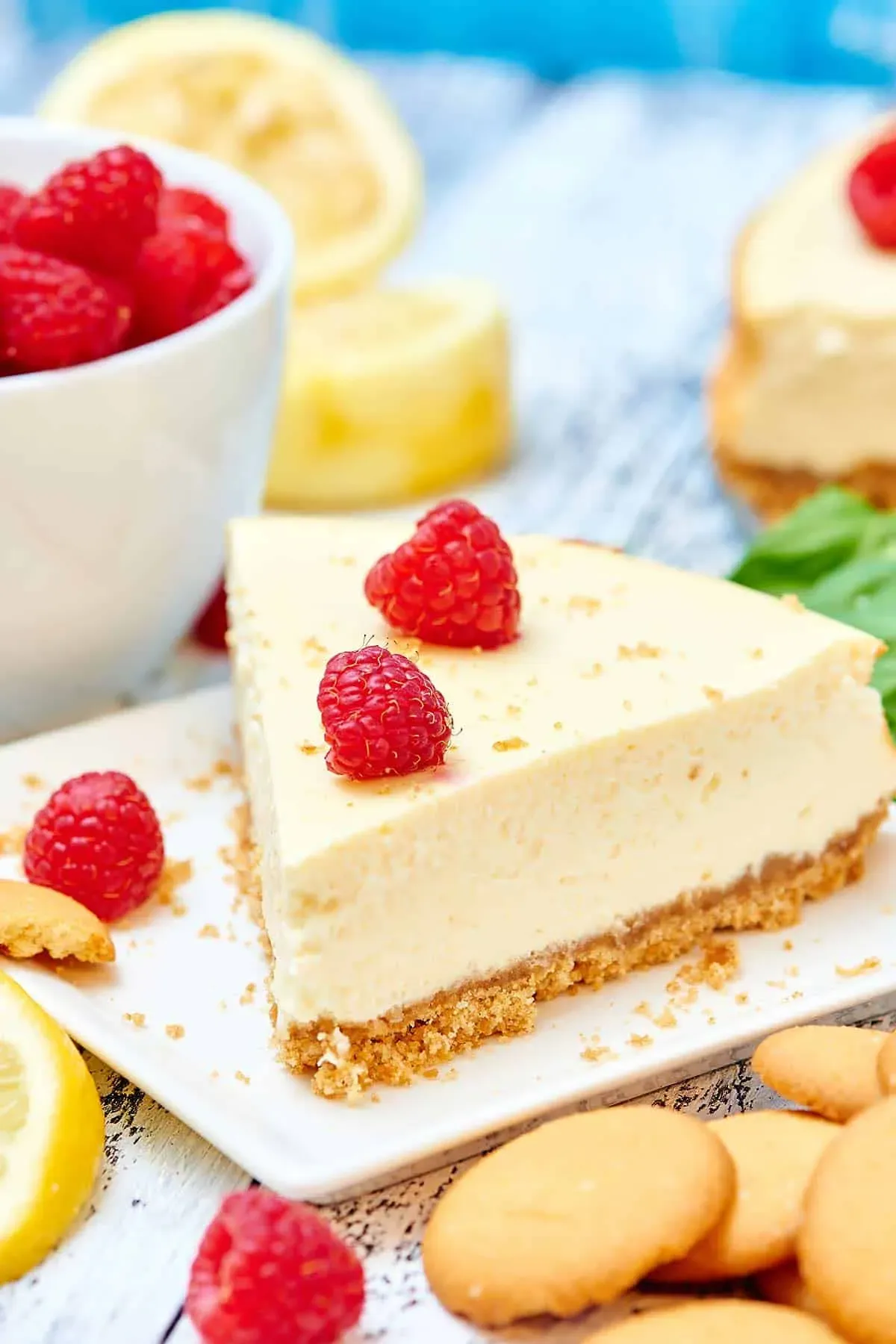
The Usual Suspects: Cheesecake and Schmear
Let's be honest. When you grab a block of cream cheese at the grocery store, your brain probably defaults to one of two scenarios: a towering, dense cheesecake or a tub ready to be slathered on a bagel. These are the heavy hitters, the poster children for cream cheese utilization. And yeah, they're popular for a reason. A perfectly baked cheesecake is a thing of beauty, rich and satisfying. A bagel with cream cheese is a classic breakfast or quick snack. They've earned their spot in the culinary hall of fame.
But clinging *only* to these two applications feels like you're missing the forest for two very large, very tasty trees. Cream cheese brings a unique tang, a smooth texture, and a binding quality that works wonders in countless other sweet contexts. It's not just a filling or a spread; it's an ingredient that can transform textures and flavors in unexpected ways. Thinking solely of cheesecake when you see cream cheese is like thinking of potatoes only as french fries. There's so much more potential waiting to be unlocked.
Beyond the Obvious: Unlocking Cream Cheese's Potential
The real magic of cream cheese dessert recipes lies in its ability to add richness without being overly greasy, provide a slight acidity that cuts through sweetness, and create incredibly tender and moist baked goods. Think about it: that slight tang elevates fruit flavors, balances out rich chocolate, and gives frostings that signature smooth, pipeable consistency. It's the secret weapon in many recipes you might not even realize call for it.
We're talking about everything from fudgy brownies swirled with a creamy ribbon to soft, tender cookies, moist loaf cakes, easy no-bake parfaits, and even savory-sweet dips that disappear faster than you can say "seconds." It's an ingredient that plays well with others, enhancing everything from bright lemon and tart berries to deep chocolate and warm spices. Limiting your cream cheese adventures to just cheesecake is a culinary crime, frankly. It's time to expand your horizons.
- Swirled into brownies or bar cookies
- Used as a base for fluffy frostings
- Mixed into dough for tender biscuits or scones
- Whipped into light and airy dessert dips
- Layered in parfaits or trifles
What Exactly is Cream Cheese Anyway?
So, What's the Deal with This White Stuff?
Let's break it down. What exactly is cream cheese anyway? At its core, it's a soft, mild-tasting fresh cheese made from cow's milk. Unlike aged cheeses with complex flavors that develop over time, cream cheese is meant to be eaten relatively soon after it's made. Think of it as the dairy equivalent of a sprinter, not a marathon runner.
The process is pretty straightforward, though maybe not something you'd whip up in your kitchen on a Tuesday. You start with milk, often with extra cream added to boost the fat content. Lactic acid bacteria are introduced, which makes the milk curdle. Then, you heat it gently, which helps separate the curds from the whey. Stabilizers, like gums, are often added to give it that smooth, spreadable texture we all know and love and prevent that weird watery separation you sometimes see.
It’s designed for immediate gratification, not contemplation.
Composition and That Signature Tang
The texture is key here. Good cream cheese is smooth and spreadable at room temperature, not crumbly or hard. This comes from its relatively high fat content and the careful processing. It's not ripened, so it retains a fresh, slightly tangy flavor from the lactic acid. This tang is crucial; it's what prevents it from being just a bland, fatty paste.
Regulations in the U.S. state that cream cheese must contain at least 33% milkfat and not more than 55% moisture. This specific balance gives it that unique body and richness that works so well in baking and cooking. It melts smoothly and incorporates beautifully into batters and fillings, which is why it's a star in so many cream cheese dessert recipes.
- Must contain at least 33% milkfat
- Must contain no more than 55% moisture
- Made from cow's milk and cream
- Cultured with lactic acid bacteria
- Often contains stabilizers for texture
Not Just a Spread: Culinary Applications
While its role as a bagel topping is iconic, cream cheese is incredibly versatile in the kitchen. Its creamy texture and slight tang make it perfect for both sweet and savory applications. In the sweet realm, it's the foundation for cheesecakes, yes, but also the secret to incredibly moist cakes, tender cookies, and rich frostings.
Think about cream cheese swirls in brownies or coffee cakes, adding ribbons of creamy contrast. Or how it makes a fruit dip feel decadent yet still light because of that acidic edge. Understanding what exactly is cream cheese anyway helps explain *why* it works so well in these diverse roles, beyond just being "creamy." It's the fat for richness, the moisture for tenderness, and the acid for balance.
Comparing Cream Cheese to Neufchâtel: Why Fat Matters
Comparing Cream Cheese to Neufchâtel: Why Fat Matters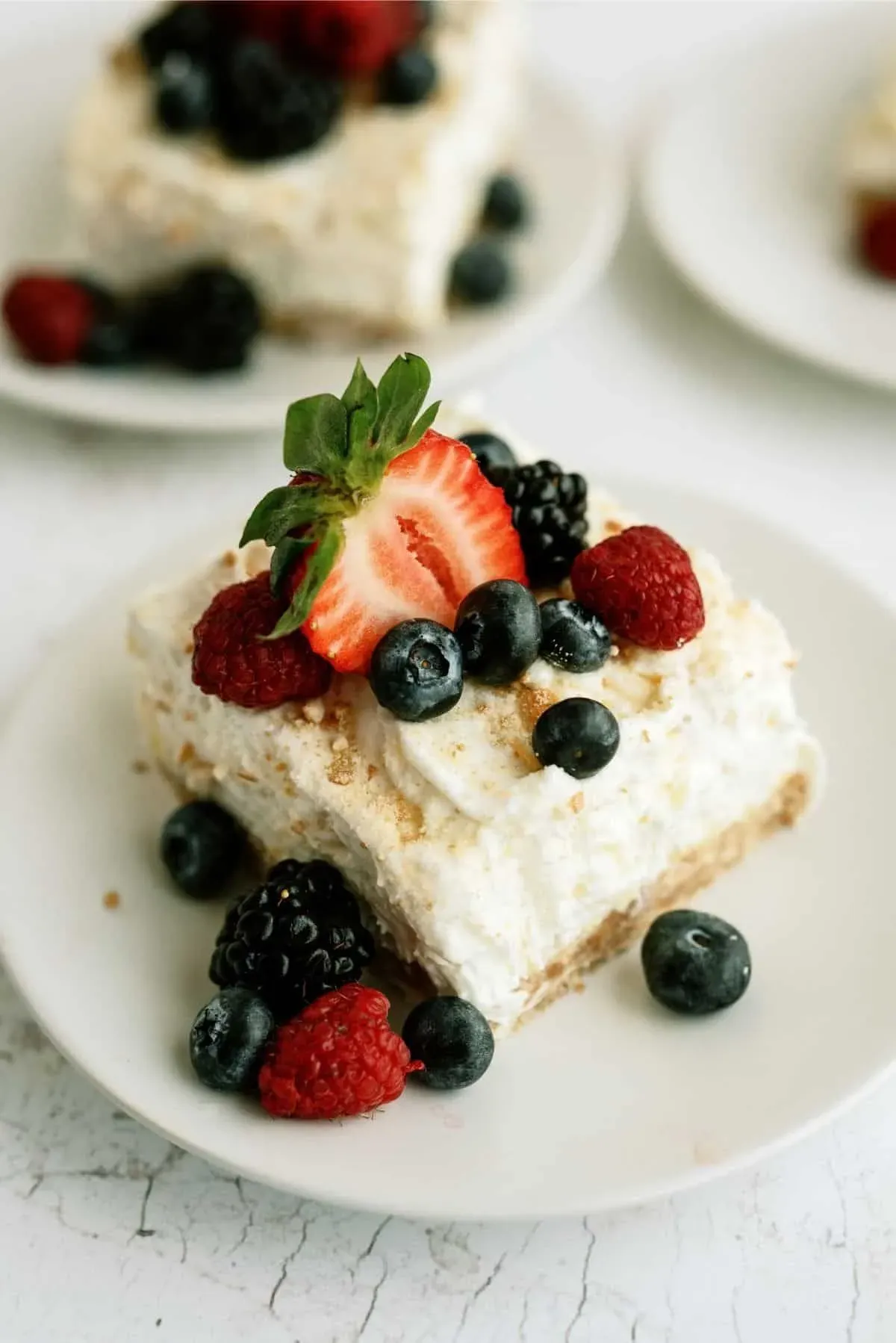
The French Cousin: What is Neufchâtel?
so you might have seen blocks labeled "Neufchâtel" right next to the cream cheese in the dairy aisle. They look similar, right? White, soft, spreadable. But they are *not* the same thing, and the difference matters, especially when you're tackling cream cheese dessert recipes. Neufchâtel cheese is actually a French cheese, one of France's oldest, dating back centuries. The stuff you see in American supermarkets is a version adapted for the U.S. market, and its key difference from standard cream cheese is its fat content.
American Neufchâtel is made from milk, not milk and added cream. This results in a lower fat percentage, usually around 20-25% milkfat compared to cream cheese's minimum of 33%. It also tends to have slightly more moisture and a firmer, perhaps slightly grainier texture compared to the ultra-smoothness of cream cheese. Think of it as the diet version, though honestly, nobody is eating either of these for their health benefits.
Why That Extra Fat Makes All the Difference
So, why obsess over a few percentage points of fat? Because in baking and dessert making, fat is flavor, richness, and texture. That higher fat content in cream cheese is what gives it that luxurious mouthfeel and stability. It melts differently, blends more seamlessly into batters and fillings, and provides that signature richness that makes classic cream cheese dessert recipes sing.
Using Neufchâtel interchangeably with cream cheese in many recipes, especially baked goods or frostings where structure and richness are critical, can lead to disappointing results. Your cheesecake might be less creamy, your frosting might be too thin, or your baked goods might be less tender. While it can work in some lighter applications like dips or spreads, stick to the full-fat stuff for most serious dessert endeavors. Your taste buds (and your baked goods) will thank you.
- Cream Cheese: Min 33% milkfat, smoother, richer, ideal for baking/frosting.
- American Neufchâtel: Approx 20-25% milkfat, slightly firmer/grainier, less rich, okay for some dips/spreads.
- Origin: Cream Cheese (U.S. invention), Neufchâtel (French, adapted in U.S.).
- Texture: Cream Cheese (velvety smooth), Neufchâtel (can be slightly less smooth).
Beyond the Bagel: Unexpected Cream Cheese Dessert Recipes
Beyond the Bagel: Unexpected Cream Cheese Dessert Recipes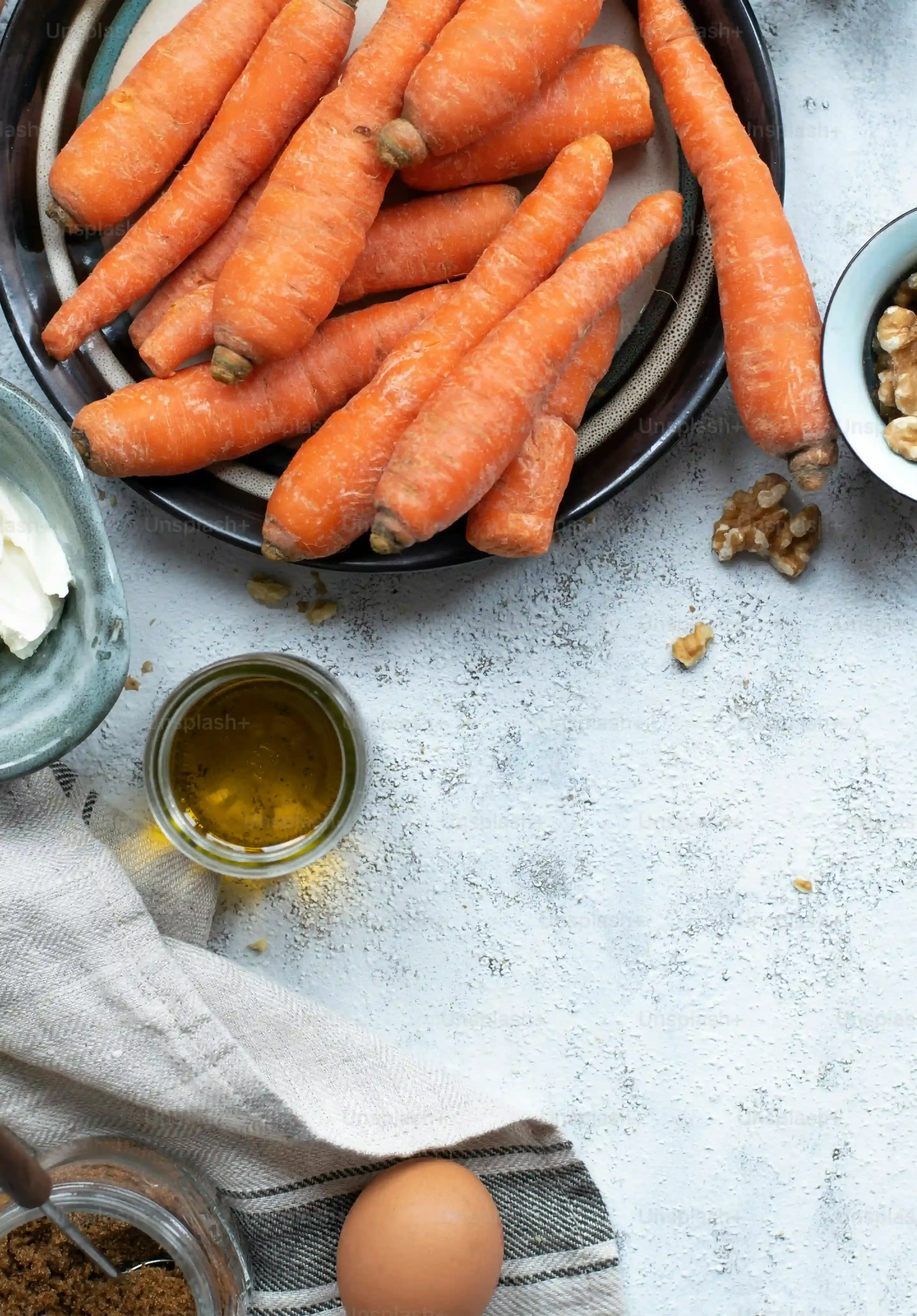
The Supporting Role Cream Cheese Deserves
so we've established that cream cheese isn't just for cheesecakes and morning schmears. The real fun starts when you look at how it can quietly elevate other desserts. Think about it – that slight tang cuts through the richness of chocolate in brownies, keeping them from being cloying. It adds incredible moisture and tenderness to cakes and cookies, giving them a melt-in-your-mouth quality you just don't get with butter alone. Whipped with a little sugar and vanilla, it becomes a simple, elegant dip for fruit or a light filling for pastries. It's the ingredient that works behind the scenes, making good cream cheese dessert recipes truly great without stealing the spotlight entirely. It adds a certain je ne sais quoi, a subtle complexity that makes people wonder why your brownies are so much better than everyone else's.
- Adding moisture to cake batters
- Creating tender cookie doughs
- Forming the base for fluffy fruit dips
- Making rich, swirled fillings for bars
- Stabilizing whipped cream or mousse
34 Cream Cheese Dessert Recipes to Try Now
34 Cream Cheese Dessert Recipes to Try Now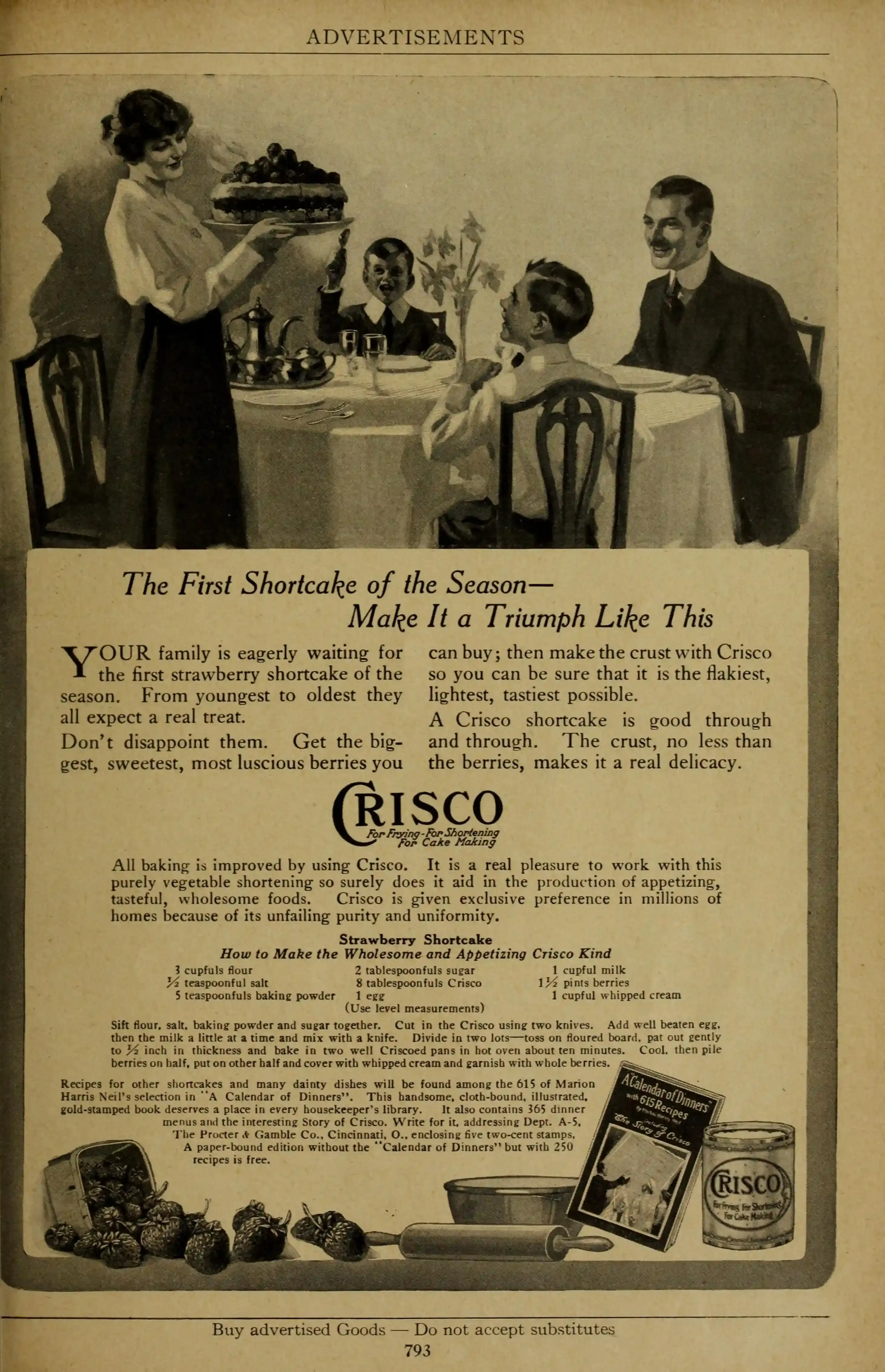
enough theory about what cream cheese is and isn't. You came here for the goods, the tangible proof that this ingredient is a dessert rockstar. This is where the rubber meets the road, or more accurately, where the cream cheese meets the sugar, flour, and chocolate. We've curated a list of 34 Cream Cheese Dessert Recipes that span the spectrum, from simple cookies and bars you can whip up on a weeknight to slightly more involved creations that are still way easier than a traditional cheesecake. Get ready to bookmark a few, because you're going to want to try these.
So, What Did We Learn About Cream Cheese?
Look, if you only ever used cream cheese for cheesecake or spreading on a bagel, that's your prerogative. But after wading through the sticky, sweet possibilities, it's clear you're missing out. We figured out what this stuff actually is, why it's different from that other cheese, and then threw 34 solid ideas at you. From fudgy brownies to tangy bars and unexpected dips, cream cheese proved it's got range. It adds moisture, richness, and that signature tang that can elevate even the simplest sweet. So, next time you grab that block, maybe skip the usual routine. Pick a recipe, get your hands a little messy, and see what else this humble ingredient can do. You might surprise yourself.