Table of Contents
Walk into any decent grocery store or specialty shop, and you're hit with it: the sheer, sometimes overwhelming, variety of cheese. It's not just food; it's a universe of textures, smells, and flavors, born from simple milk but transformed by time, microbes, and human hands. Forget those plastic-wrapped blocks that taste like disappointment. We're talking about the real deal, the kind that makes you pause, sniff, and maybe even close your eyes as you take a bite. Understanding the world of cheese's means appreciating a craft that's thousands of years old, a journey from pastoral fields to complex aging rooms.
Exploring the Vast World of Cheese's
Exploring the Vast World of Cheese's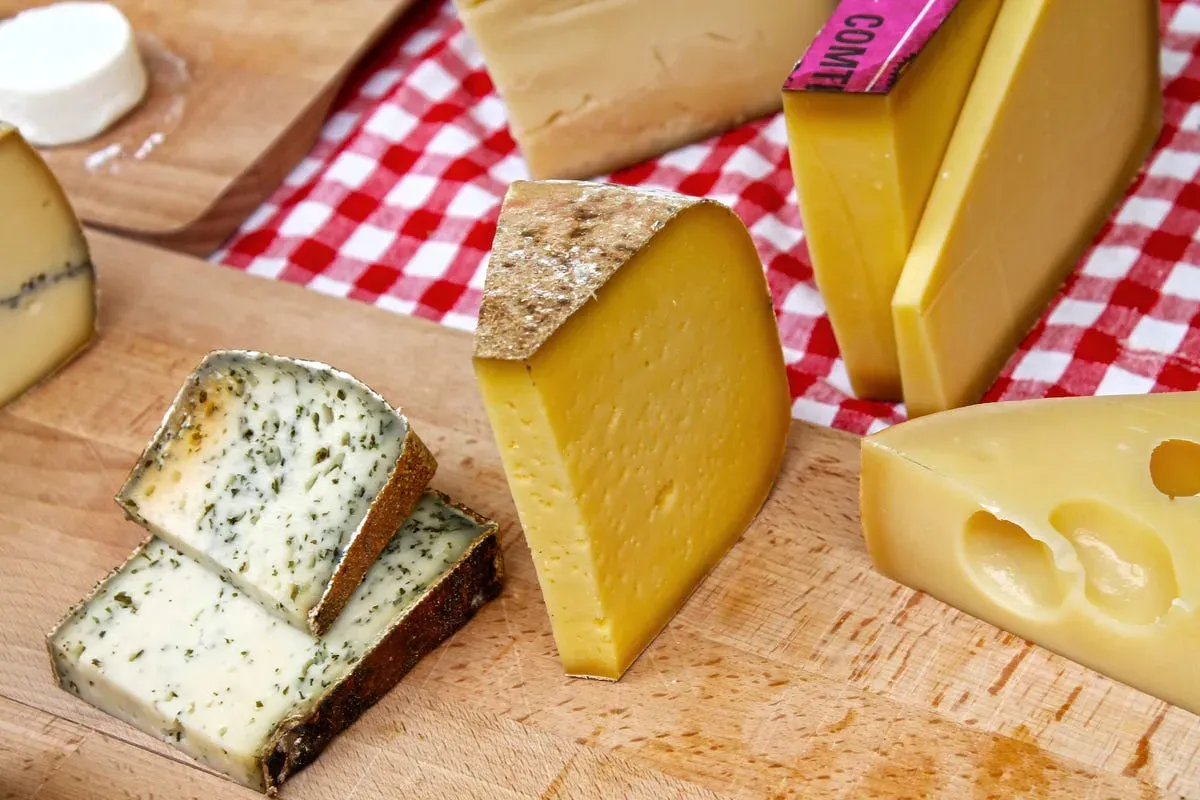
More Cheese Than You Can Shake a Cracker At
So, you're diving into cheese's? Good. It's a rabbit hole, but a delicious one. Forget thinking it's just cheddar and mozzarella. That's like saying music is just pop songs. The reality is, the world of cheese's is ridiculously huge. We're talking thousands of distinct types, each with its own history, its own personality. From the crumbly, salty bite of a good Feta to the gooey, pungent glory of an aged Epoisses that frankly smells like a locker room but tastes like heaven, there's a cheese out there that will challenge your palate and change how you think about fermented milk.
Navigating this immense landscape can feel daunting at first. You see wheels, blocks, logs, pyramids, all sorts of shapes and sizes, made from cow, goat, sheep, even buffalo milk. Some are fresh and bright, others are aged for years, developing deep, complex notes. The sheer variety is part of the fun, but it also means you need a way to start making sense of it all. You can't just blindly grab; you need a little framework.
Finding Your Bearings in the Dairy Aisle
To get a handle on this vast world of cheese's, people often break it down into categories. It's not perfect, because some cheeses defy easy classification, but it helps. You can think about the type of milk used, the firmness (soft, semi-soft, hard), whether it has mold (blue cheese!), or even the aging process. A fresh cheese, like ricotta, is miles away from a hard, crystalline Parmigiano-Reggiano, not just in taste but in how it's made and what you do with it.
Considering these different angles helps narrow things down. Are you looking for something that melts like a dream for a grilled cheese, or something sharp and crumbly to shave over pasta? Knowing the basic families of cheese's gives you a starting point. It's like learning the basic genres of books before hitting the library stacks.
- Fresh Cheeses (Ricotta, Mozzarella, Feta)
- Soft Ripened Cheeses (Brie, Camembert)
- Semi-Soft Cheeses (Havarti, Monterey Jack)
- Hard Cheeses (Cheddar, Gouda, Parmesan)
- Blue Cheeses (Roquefort, Stilton, Gorgonzola)
- Washed Rind Cheeses (Limburger, Epoisses)
Decoding Different Cheese's Types and Textures
Decoding Different Cheese's Types and Textures
Beyond Firmness: Feeling Your Way Through Cheese's
so you've got a basic grip on the sheer volume of cheese's out there. Now let's get tactile. The texture of a cheese isn't just a side note; it's absolutely central to the experience. Think about it: the snap of a well-aged Parmesan, the ooze of a perfectly ripe Brie, the bouncy squeak of fresh curds. These aren't random acts of dairy. The texture tells you a lot about how a cheese was made, how it will behave when you eat it, and even how its flavor will hit your palate. It’s not just hard or soft; there's crumbly, creamy, grainy, elastic, waxy, crystalline. Each one is a deliberate outcome of the cheesemaking process.
Ignore the texture, and you're missing half the story. Trying to melt a crumbly Feta like a smooth Cheddar? Good luck. Shaving a soft, gooey Camembert over pasta? Messy and pointless. Understanding the typical textures associated with different cheese's helps you use them correctly and appreciate them fully. It’s the difference between a dish that works and one that’s just… cheese on something.
The Science of Squeak and Ooze
Texture in cheese's comes down to a few key things: moisture content, fat content, protein structure, and aging. Fresh cheeses, like Mozzarella or Chevre, have high moisture and often a soft, sometimes elastic or crumbly texture. As cheese ages, it loses moisture, and enzymes break down proteins and fats, leading to firmer textures and often crystalline structures in hard cheeses like Parmigiano-Reggiano. Blue cheeses develop veins of mold that change their internal structure, making them more crumbly or even creamy depending on the type.
Washed rind cheeses, like Limburger, get their sticky, sometimes pungent rinds from being washed with brine or other liquids as they age, which encourages specific bacteria. This often results in a semi-soft to semi-hard interior with that characteristic "stinky" exterior. Getting to know these texture profiles is like learning a secret language of cheese's.
Texture Type | Common Characteristics | Examples of Cheese's |
|---|---|---|
Soft & Creamy | High moisture, spreadable, melts easily | Brie, Camembert, Cream Cheese |
Semi-Soft | Lower moisture than soft, sliceable, melts well | Havarti, Monterey Jack, Gouda (young) |
Hard & Crumbly | Low moisture, dense, often aged, can have crystals | Parmesan, Cheddar (aged), Pecorino Romano |
Elastic & Stretchy | Heated and stretched curds, melts smoothly | Mozzarella, Provolone |
Blue-Veined | Internal mold growth, crumbly or creamy | Roquefort, Stilton, Gorgonzola |
Taste Bud Impact: Texture's Role in Flavor
The way a cheese feels in your mouth directly impacts how you perceive its flavor. A smooth, creamy texture can carry rich, buttery notes beautifully, letting them coat your tongue. A crumbly, dry texture, on the other hand, might release sharper, saltier flavors more intensely as it dissolves on your palate. The crystals in aged cheese? Those aren't just for show; they provide a delightful little pop and burst of concentrated flavor.
Consider the difference between a fresh, squeaky cheese curd and a smooth, melted cheese sauce. Same basic ingredients, wildly different experiences. The texture dictates everything from the initial impact to the finish. So next time you're trying a new cheese, don't just focus on the taste. Pay attention to the feel, the resistance, the way it breaks down. It’s part of the complex performance that makes great cheese's so captivating.
The Craft: How Your Favorite Cheese's Are Made
The Craft: How Your Favorite Cheese's Are Made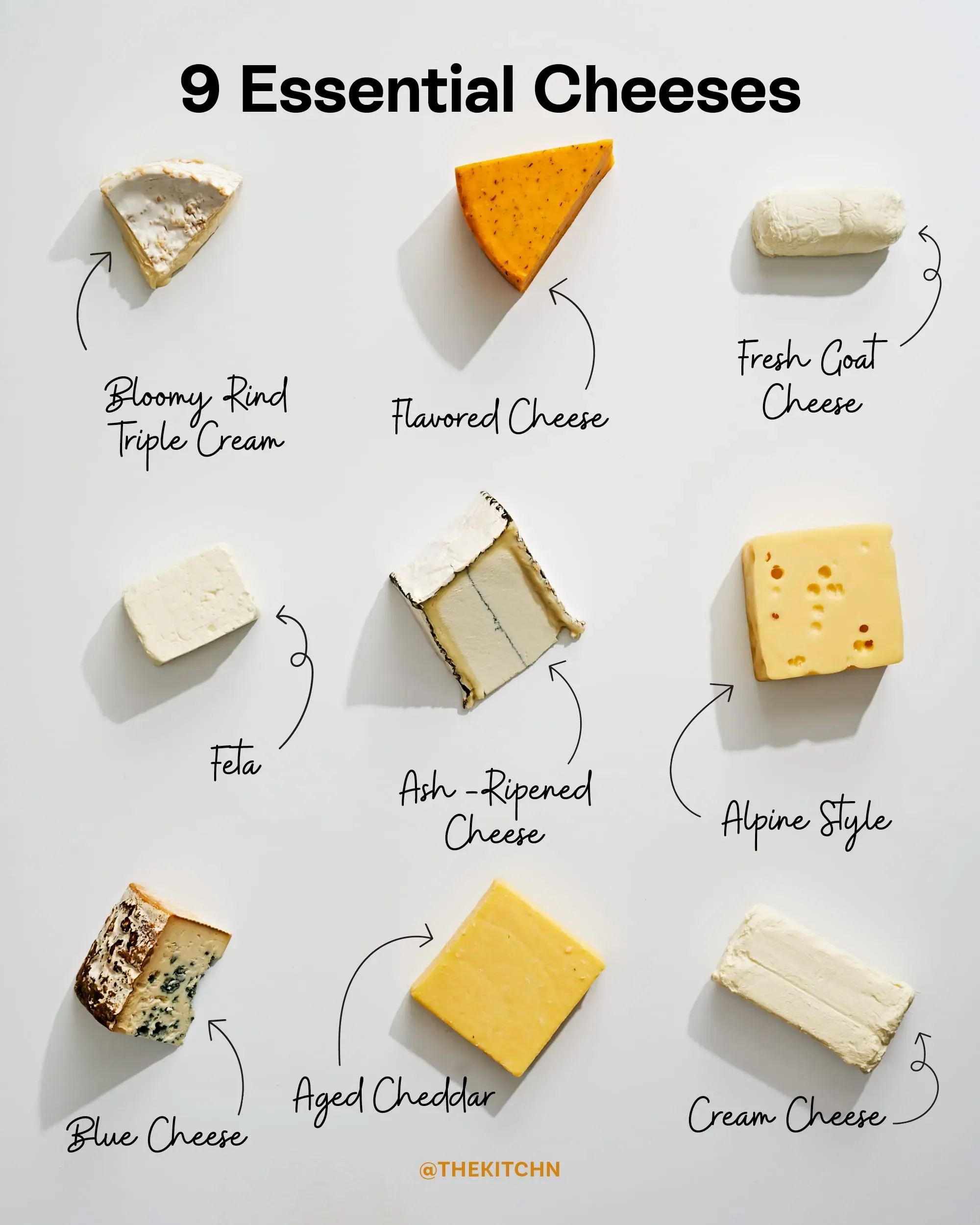
From Udder to Delicious Curd
So, how does milk magically transform into all these incredible cheese's? It's not magic, of course, but a controlled series of steps that haven't really changed all that much over centuries, even with modern tech. It starts, unsurprisingly, with milk. But not just any milk; the quality of the milk – whether it's from cows, goats, sheep, or buffalo, and what they ate – is the first crucial step. This liquid gold gets warmed up, and then the real work begins. Cheesemakers add starter cultures, tiny little microbes that are the unsung heroes of the cheese world. These cultures eat the milk sugars (lactose) and produce lactic acid, which is vital for flavor development and texture. Think of them as tiny flavor architects.
Next comes the coagulant, usually rennet. This is the stuff that turns the liquid milk into a solid mass, kind of like making jelly. Rennet contains enzymes that cause the milk proteins to clump together, forming what's called a "curd." The remaining liquid is the whey. This separation is the fundamental moment in cheesemaking – dividing the future cheese from the watery byproduct. It sounds simple, but getting the timing and temperature just right here is critical. Mess it up, and you might as well pour it down the drain.
Cutting, Cooking, and Letting the Whey Go
Once the milk has set into a solid curd, cheesemakers cut it. This isn't just for show; cutting the curd into smaller pieces helps more whey drain away. The size of the cut pieces influences the final moisture content and, therefore, the texture of the cheese. Cut it small, like for a hard cheese, and you get a drier, firmer result. Cut it larger, for a softer cheese, and you keep more moisture in.
After cutting, the curds are often gently heated and stirred. This "cooking" step further encourages whey to leave the curds and helps determine the cheese's final firmness. It's a delicate dance of temperature and time. Too hot or too long, and you get a tough, dry cheese. Not enough, and it stays too wet and might not age properly. Different cheese's require different cooking temperatures and times, a variable that adds another layer to their complexity.
- Milk pasteurized or left raw
- Starter cultures added (bacteria for acid)
- Rennet introduced (enzyme for coagulation)
- Curds form
- Curds cut to release whey
- Curds cooked and stirred (sometimes)
- Whey drained off
Shaping, Salting, and the Waiting Game (Aging)
With the whey drained, the curds are ready to be shaped. They are put into molds, which give the cheese its characteristic form – wheels, blocks, logs, whatever the cheesemaker intends. For many cheese's, pressure is applied to the molds to press out even more whey and compact the curds tightly. This pressing step is essential for hard cheese's, creating a dense, solid structure that will hold up during aging. Soft cheese's, like Brie, might just be allowed to drain under their own weight.
Salting is next, and it's more than just for flavor. Salt helps draw out more moisture, hardens the rind, slows down bacterial activity (preventing spoilage), and contributes significantly to the taste. Cheese's can be salted in a brine bath, by rubbing dry salt onto the surface, or by mixing salt directly into the curds. Finally, many cheese's enter the aging room, often called a cellar or affineur. This is where the magic truly happens. Under carefully controlled temperature and humidity, enzymes and microbes continue to work, breaking down fats and proteins, developing those deep, nuanced flavors and characteristic textures. This aging can take weeks, months, or even years, transforming a simple curd into a masterpiece of cheese's complexity.
"Aging cheese is like raising children," quipped one cheesemaker I knew. "You guide them, provide the right environment, but ultimately, they develop their own personality."
Globetrotting Through Cheese's Origins
Globetrotting Through Cheese's Origins
Europe: The Old Guard of Cheese's
When most people picture classic cheese's, their minds probably drift to Europe. And for good reason. This continent is arguably the cradle of diverse cheesemaking, with centuries of tradition baked into every wheel and block. Think France, with its incredible range from soft, bloomy rinds like Brie and Camembert to crumbly Roquefort and firm Comté. Each region, sometimes even each village, seems to have its own unique take.
Italy gives us Parmigiano-Reggiano, the king of grating cheese's, along with fresh Mozzarella, creamy Gorgonzola, and salty Pecorino. Switzerland is synonymous with holey, meltable Alpine cheese's like Emmental and Gruyère. The UK brings us Cheddar, in all its glorious variations, and the distinct blue Stilton. Spain offers Manchego and the pungent Cabrales. The Netherlands, of course, means Gouda and Edam. These aren't just random dairy products; they are deeply intertwined with regional history, culture, and cuisine. Trying cheese's from these places is like taking a culinary history lesson.
Beyond the Continent: New World Cheese's
While Europe holds the historical crown, the world of cheese's is far from limited to its borders. Cheesemaking traditions traveled with immigrants, and new, exciting cheese's have emerged in the Americas and beyond. The United States, in particular, has seen a boom in artisan cheese production over the last few decades. American cheesemakers aren't just copying European styles; they're innovating, creating unique cheese's that reflect their local terroir and creativity.
You can find incredible examples of Cheddar, Gouda, and blue cheese's made with distinct American character, often using milk from specific local breeds or incorporating unique aging techniques. Mexico has its own vibrant tradition of fresh cheese's like Queso Fresco and Queso Oaxaca, essential to its cuisine. Even countries like Australia and New Zealand are developing reputations for quality dairy and interesting cheese's. The point is, don't get stuck thinking all the good cheese's are in Europe. There's a whole world out there waiting to be discovered.
Curious about where some famous cheese's come from?
- Parmigiano-Reggiano: Italy (Emilia-Romagna)
- Cheddar: England (Somerset), widely made elsewhere
- Gruyère: Switzerland (Canton of Fribourg)
- Feta: Greece
- Roquefort: France (Roquefort-sur-Soulzon)
- Manchego: Spain (La Mancha)
- Gouda: Netherlands
- Monterey Jack: United States (California)
Terroir and Tradition: Why Location Matters for Cheese's
Why does a Parmesan from Italy taste different from a Parmesan-style cheese made in, say, Wisconsin? It comes down to what cheesemakers call "terroir." This isn't just about the soil where the cows graze, though that's part of it. Terroir encompasses the entire environment: the climate, the specific grasses and herbs the animals eat, the local bacteria and molds floating in the air of the aging cellars, the traditional methods passed down through generations. All these factors subtly (or sometimes not so subtly) influence the flavor and texture of the finished cheese's.
A cheese made high in the Swiss Alps will taste different from one made in a damp French valley, even if they use similar techniques. The milk itself is a product of its environment, and the microbial life that ripens the cheese is unique to its location. It's why a true Stilton can only come from specific counties in England, or why authentic Feta is tied to Greece. These regional cheese's are snapshots of their origins, edible geography lessons that connect you to a specific place and its history.
Beyond the Board: Cooking and Enjoying Cheese's
Beyond the Board: Cooking and Enjoying Cheese's
Beyond the Board: Cooking and Enjoying Cheese's
so you've learned about where cheese's come from, how they're made, and why they feel the way they do. That's great for impressing friends at a party, but cheese is meant to be eaten, shared, and often, cooked with. Don't let those beautiful wheels and blocks just sit there looking pretty. Understanding how different cheese's behave when heated is key. Some melt into glorious, gooey puddles perfect for sauces or grilled cheese, while others hold their shape, soften slightly, or just crumble beautifully over a finished dish. Knowing which cheese does what unlocks a whole new level of culinary possibility. It's the difference between a sad, oily mess and a truly spectacular meal.
Wrapping Up Our Cheese's Journey
So there you have it. From the delicate bloom of a Camembert rind to the crystalline crunch of an aged Parmigiano Reggiano, the universe of cheese's is vast and frankly, a little intimidating at first glance. We've peeled back a few layers, exploring how different types get their quirks, tracing their roots back to specific places, and scratching the surface of how best to appreciate them. This isn't the end of the road, though. Every cheese counter, every farmer's market stall, every new recipe is an invitation to discover something new. Don't be afraid to ask questions, try something you can't pronounce, or pair a cheese in a way that raises eyebrows. The best way to understand cheese's? Just keep tasting.