Table of Contents
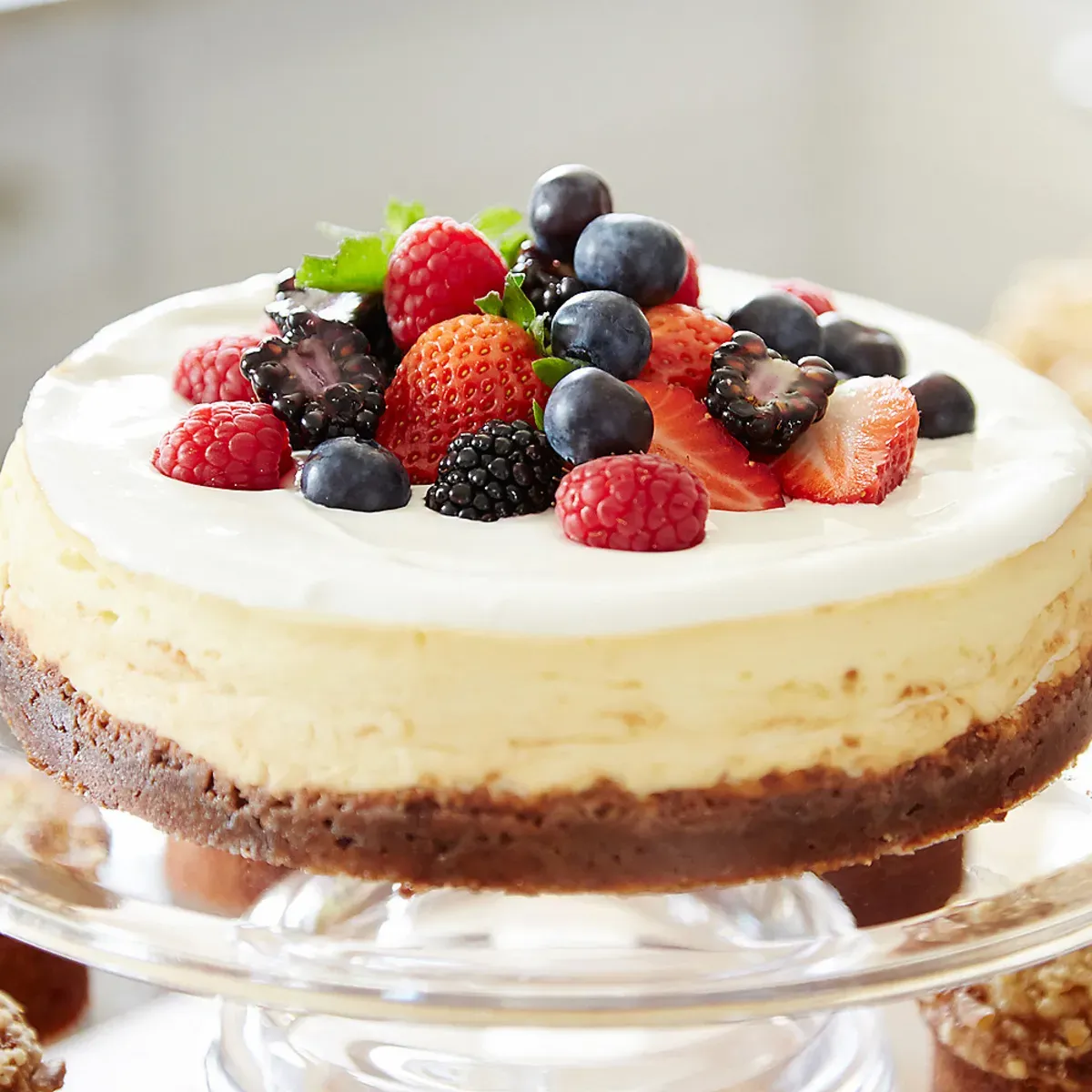
Let's be real, trying to nail a truly great cheesecake at home can feel like chasing a myth. You picture that perfect, creamy slice you had somewhere, maybe a diner or a family gathering, and then your own attempts come out cracked, dense, or just... not quite right. Forget those complicated, multi-step recipes that require a degree in pastry engineering. We're cutting through the noise to get you to the good stuff: the classic cheesecake recipe american style.
What Makes a Classic Cheesecake Recipe American?
What Makes a Classic Cheesecake Recipe American?
The Richness Factor
Alright, let's talk about what sets a classic cheesecake recipe american apart from its global cousins. When you think American, think *rich*. We're not messing around with light, airy ricotta like some Italian versions, or the drier, curd-based German styles. No, the American standard is all about cream cheese. Piles and piles of full-fat, block cream cheese. This is the foundation, the non-negotiable core that delivers that signature dense, yet incredibly smooth and creamy texture that clings to your fork just right.
It’s the kind of dessert that’s substantial, a proper indulgence, not just something you nibble on. We also lean into sweetness, often balanced by a touch of lemon or vanilla, but definitely sweet. And the crust? Usually a buttery graham cracker crust, pressed firmly into the pan. It’s a simple base, but it provides that crucial textural contrast to the creamy filling. It's comfort food, elevated, designed to make you feel like you're getting away with something decadent.
Texture and Technique
Beyond the ingredients, the technique plays a huge role in achieving that classic cheesecake recipe american texture. We’re talking about a slow bake, often in a water bath. Why the fuss with a water bath? Because it provides gentle, even heat, preventing the edges from baking too fast and cracking the center. It’s the difference between a smooth, flawless surface and a topographical map of the moon.
Cooling is just as critical. You don't just yank this thing out of the oven and slice into it. It needs to cool slowly, first in the turned-off oven, then at room temperature, and finally, a long chill in the fridge. This slow process allows the texture to set up properly, transforming from a wobbly mess into that firm, sliceable, yet still meltingly smooth dessert. Skipping these steps is a rookie mistake, guaranteed to leave you with a less-than-stellar result.
- Uses primarily full-fat cream cheese
- Features a buttery graham cracker crust
- Typically baked in a water bath
- Requires slow cooling for optimal texture
- Delivers a dense, rich, and creamy consistency
Essential Ingredients for Your Perfect Cheesecake
Essential Ingredients for Your Perfect Cheesecake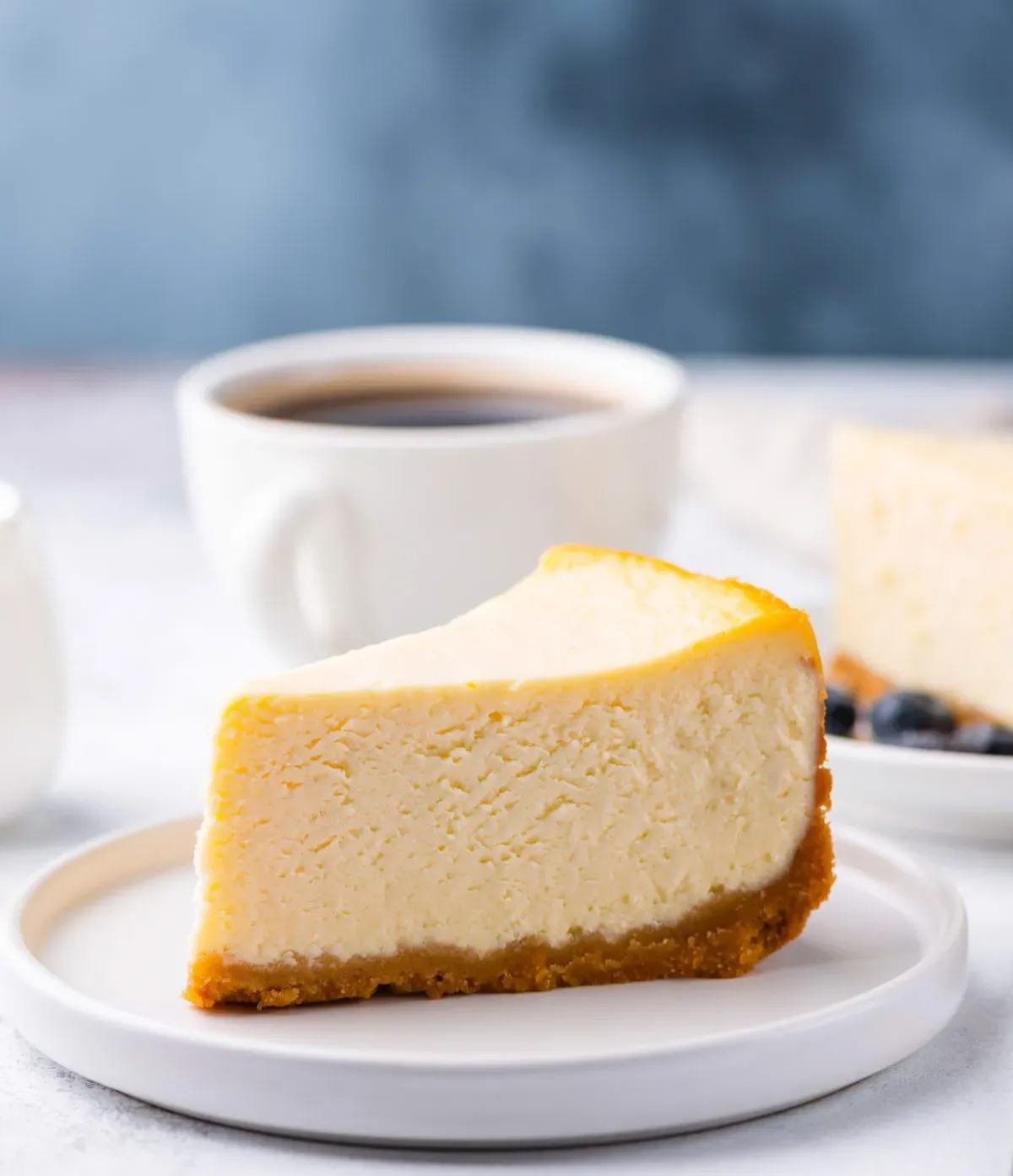
The Cream Cheese Foundation
Look, you can't make an authentic cheesecake recipe american without the right cream cheese. This isn't the time to skimp or grab the low-fat stuff unless you actively enjoy disappointment. You need full-fat, block cream cheese. Period. It should be soft and at room temperature before you even think about mixing. Cold cream cheese means lumps, and lumpy cheesecake is just sad. Plan ahead; take it out of the fridge a couple of hours before you start. Using the right amount, usually multiple blocks, is key to that signature dense, rich texture we talked about.
Sweetness, Structure, and Tang
Beyond the cheese, you need granulated sugar for sweetness – it helps with the texture too, ensuring it doesn't turn into a rubber brick. Large eggs are crucial for structure; they bind everything together. Make sure these are also at room temperature for smoother mixing. Adding them cold can seize up the batter. Many classic recipes also call for sour cream or heavy cream. This isn't just for moisture; it adds a subtle tang that cuts through the richness just enough, balancing the sweetness and giving it that extra layer of flavor. Don't skip this part if the recipe calls for it; it makes a difference.
- Full-fat block cream cheese (room temperature)
- Granulated sugar
- Large eggs (room temperature)
- Sour cream or heavy cream (if specified)
- Vanilla extract
- Graham cracker crumbs
- Melted butter
Flavor Boosters: Vanilla and Citrus
Vanilla extract is non-negotiable; it adds warmth and depth. Use good quality stuff, not the imitation kind that smells like chemicals. A little bit of fresh lemon zest or a splash of lemon juice is another common addition in a cheesecake recipe american. It brightens the flavor profile and provides a necessary counterpoint to all that richness. It won't make your cheesecake taste like lemon pie, just adds a hint of brightness that elevates the whole thing. These little flavor details are what take your cheesecake from good to unforgettable.
Bake It Right: StepbyStep Classic Cheesecake Recipe American
Bake It Right: StepbyStep Classic Cheesecake Recipe American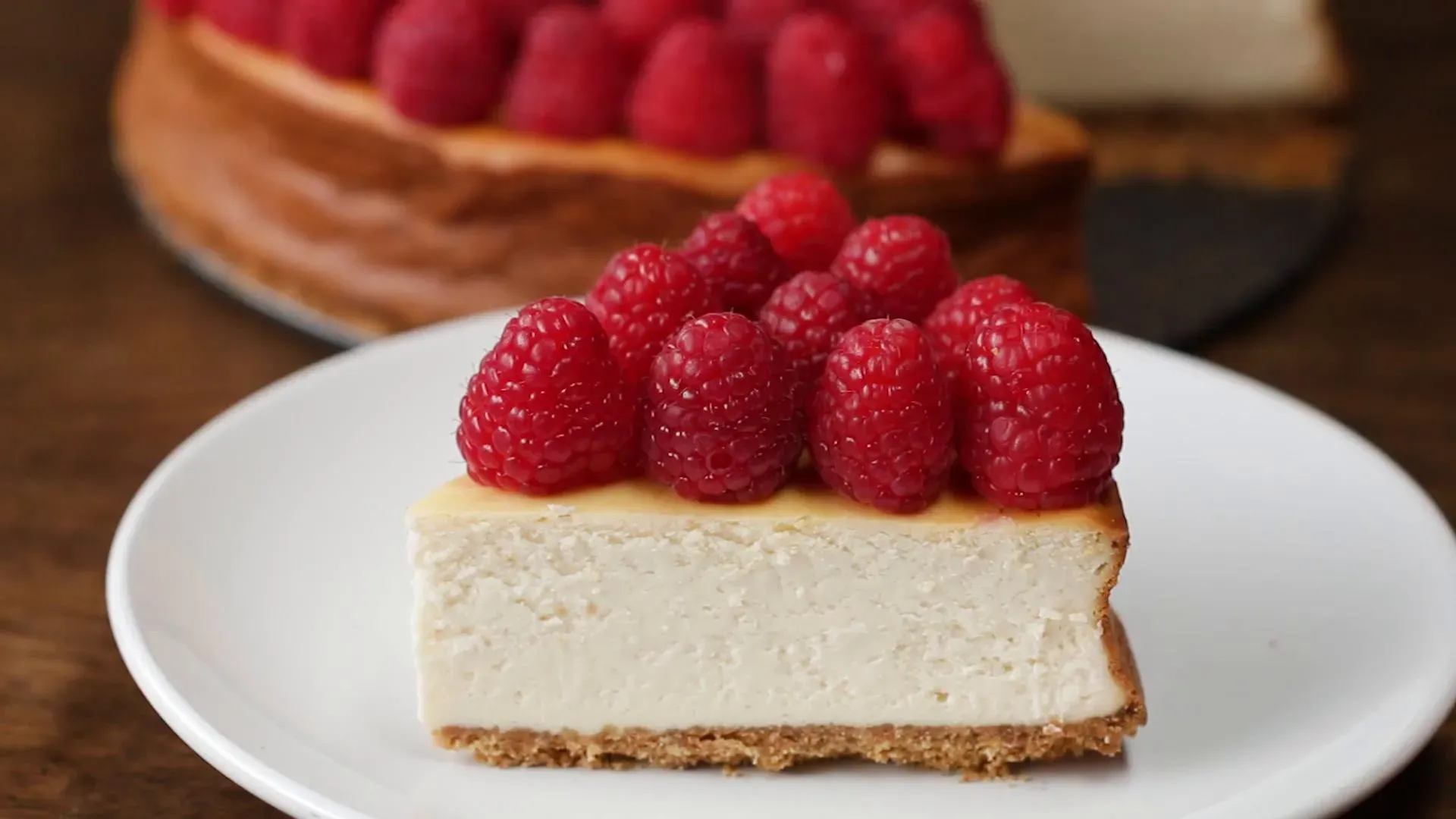
Crust Prep: The Foundation
you've got your room-temp ingredients ready. First thing's first: the crust. Most classic cheesecake recipe american calls for a graham cracker crust. It's simple, and it works. Crush your graham crackers fine – a food processor is your friend here, or a bag and a rolling pin if you need to work out some frustration. Mix those crumbs with melted butter and maybe a little sugar if you like it sweeter. Then, press this mixture firmly into the bottom and slightly up the sides of your springform pan. Use the bottom of a glass or a flat-bottomed measuring cup to get it really compact. This prevents crumbling when you slice it later. Pop it in the fridge or freezer while you make the filling.
Mixing the Filling: Keep it Smooth
Now for the star: the filling. In a large bowl, beat the softened cream cheese until it's super smooth and creamy. No lumps allowed! Gradually add the sugar, beating until just combined. Don't overbeat here; you don't want to incorporate too much air. Next, add the eggs, one at a time, mixing on low speed until each is just incorporated. Overmixing eggs can lead to cracks. Finally, gently stir in your sour cream (or heavy cream), vanilla, and that hint of lemon if you're using it. Pour this smooth, glorious mixture over your chilled crust. Get ready for the water bath setup – it's essential for that perfect, crack-free cheesecake.
Why is a water bath so important for a classic cheesecake recipe american?
- Provides even, gentle heat
- Prevents the edges from baking faster than the center
- Helps prevent cracking on the surface
- Ensures a smooth, creamy texture throughout
The Bake: Low and Slow Wins the Race
Carefully wrap the outside of your springform pan in heavy-duty foil – several layers are best – to prevent water from seeping in. Place the foil-wrapped pan in a larger roasting pan. Pour hot water into the roasting pan until it comes about halfway up the sides of the cheesecake pan. Carefully transfer this whole setup to your preheated oven. Bake it low and slow. The exact time varies depending on your oven and the recipe, but it's usually over an hour. You're looking for the edges to be set, maybe slightly puffed, while the center still has a slight wobble when you gently nudge the pan. It shouldn't look liquid, but it won't be completely firm either. Trust the wobble; it will set as it cools. This slow bake is key to a perfect cheesecake recipe american.
Troubleshooting Common Cheesecake Baking Problems
Troubleshooting Common Cheesecake Baking Problems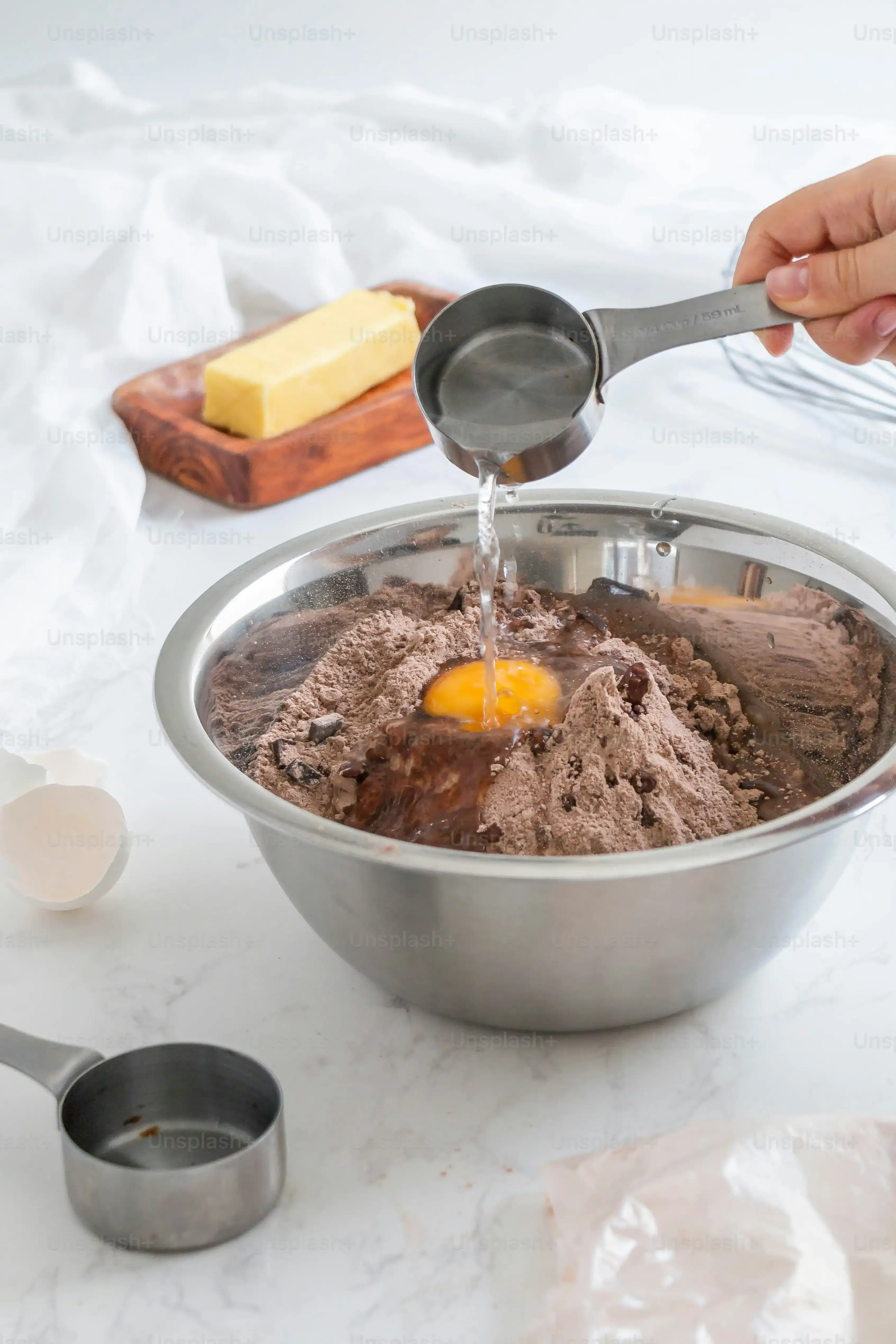
Cracks: The Baker's Nemesis
Nothing ruins the clean look of a cheesecake recipe american faster than a giant crack running across the top. It feels like a personal failure, right? Most cracks happen for a few key reasons, and luckily, they're often preventable. Overmixing is a big culprit; whipping too much air into the batter makes it expand a lot in the oven, and then it collapses as it cools, causing splits. Another major cause is sudden temperature changes. Taking the cheesecake straight from a hot oven into a cold room is like asking for trouble. The surface cools and contracts too quickly while the inside is still warm and expanded.
Overbaking is also a frequent offender. If the center is completely firm in the oven, you've gone too far. Remember, it should still have a slight wobble. Baking without a water bath significantly increases the risk of cracking because the edges cook and set much faster than the center, creating tension that eventually breaks the surface.
Sinking Centers and Dense Disasters
Ever cut into a cheesecake expecting creamy perfection only to find a dense, heavy puck or a center that's sunk like a deflated balloon? This usually points back to ingredient temperature or mixing technique. Using cold cream cheese or eggs means you have to beat the batter longer and harder to get it smooth, which incorporates too much air. While some air is okay, too much leads to a rise and then a dramatic fall. Insufficient structure from under-beating the cream cheese or not enough eggs can also cause sinking.
Not allowing the cheesecake to cool properly is another reason for a sad, dense texture. It needs that slow, gradual cooling process to finish setting up internally. Rushing it means the structure hasn't fully stabilized, leading to a less desirable texture.
Problem | Likely Cause(s) | Quick Fix/Prevention |
|---|---|---|
Cracked Surface | Overmixing, Sudden Temp Change, Overbaking, No Water Bath | Mix gently, cool slowly, use water bath, don't overbake (check for wobble) |
Dense/Sinking Center | Cold Ingredients, Overmixing, Rushed Cooling | Use room temp ingredients, mix gently, cool completely and slowly |
Soggy Crust | Water Leaking into Pan, Undercooked Crust | Wrap pan tightly in foil, pre-bake crust briefly |
Uneven Baking and Soggy Crusts
Sometimes you get a cheesecake that's perfectly set on one side but still a bit wobbly on the other, or worse, the crust is a soggy mess. Uneven baking often comes down to oven hot spots. If you suspect your oven isn't heating evenly, try rotating the cheesecake halfway through the bake. For the soggy crust problem, blame the water bath – specifically, water finding its way into your springform pan. Springform pans aren't perfectly sealed, so wrapping the outside of the pan tightly with several layers of heavy-duty aluminum foil before placing it in the water bath is non-negotiable. Make sure the foil goes all the way up the sides. Pre-baking the crust for about 10-15 minutes before adding the filling can also help, giving it a head start and making it more resistant to moisture.
Your Cheesecake, Ready to Slice
So, we’ve covered the basics: what sets the classic American style apart, the key players in your ingredient lineup, the actual steps to get it into the oven, and how to dodge those frustrating baking fails. You've got the tools now. Baking this cheesecake isn't some mystical art; it's following a process, understanding a few key reactions, and maybe a little patience. Don't be discouraged if the first one isn't bakery-perfect. Keep at it. That first smooth, creamy forkful you pull off yourself? That's the real win. Enjoy the process, and more importantly, enjoy the results.