Table of Contents
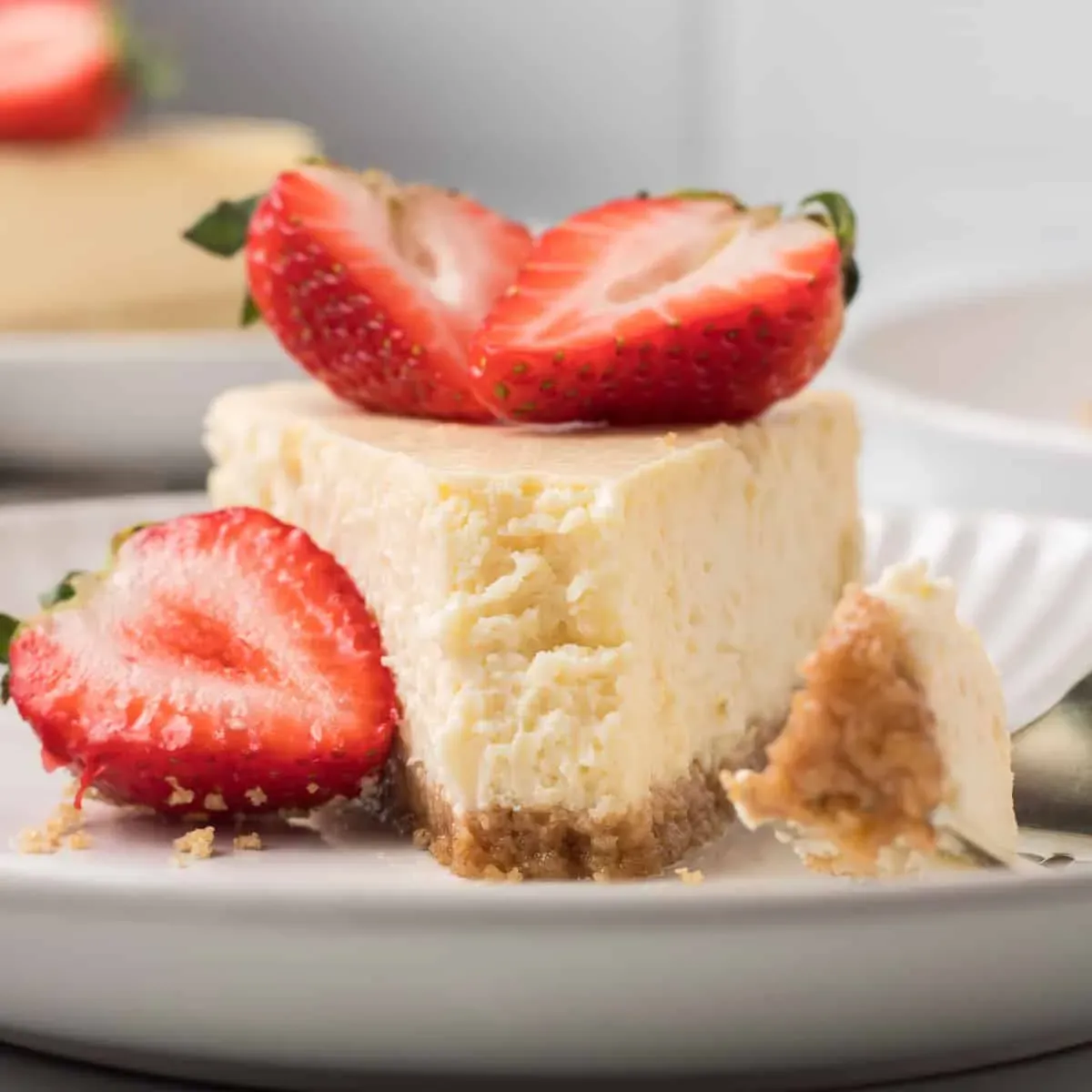
Let's be honest, who doesn't love cheesecake? That creamy, rich indulgence is a classic for a reason. But sometimes, the thought of all that butter and cream cheese feels a bit... heavy. Maybe you're watching your intake, or maybe you just prefer something a little less dense after a meal. If you've ever sighed at the dessert menu, wishing for a lighter option that still tastes like the real deal, you're in the right place.
Why Choose a Light Cheesecake Recipe?
Why Choose a Light Cheesecake Recipe?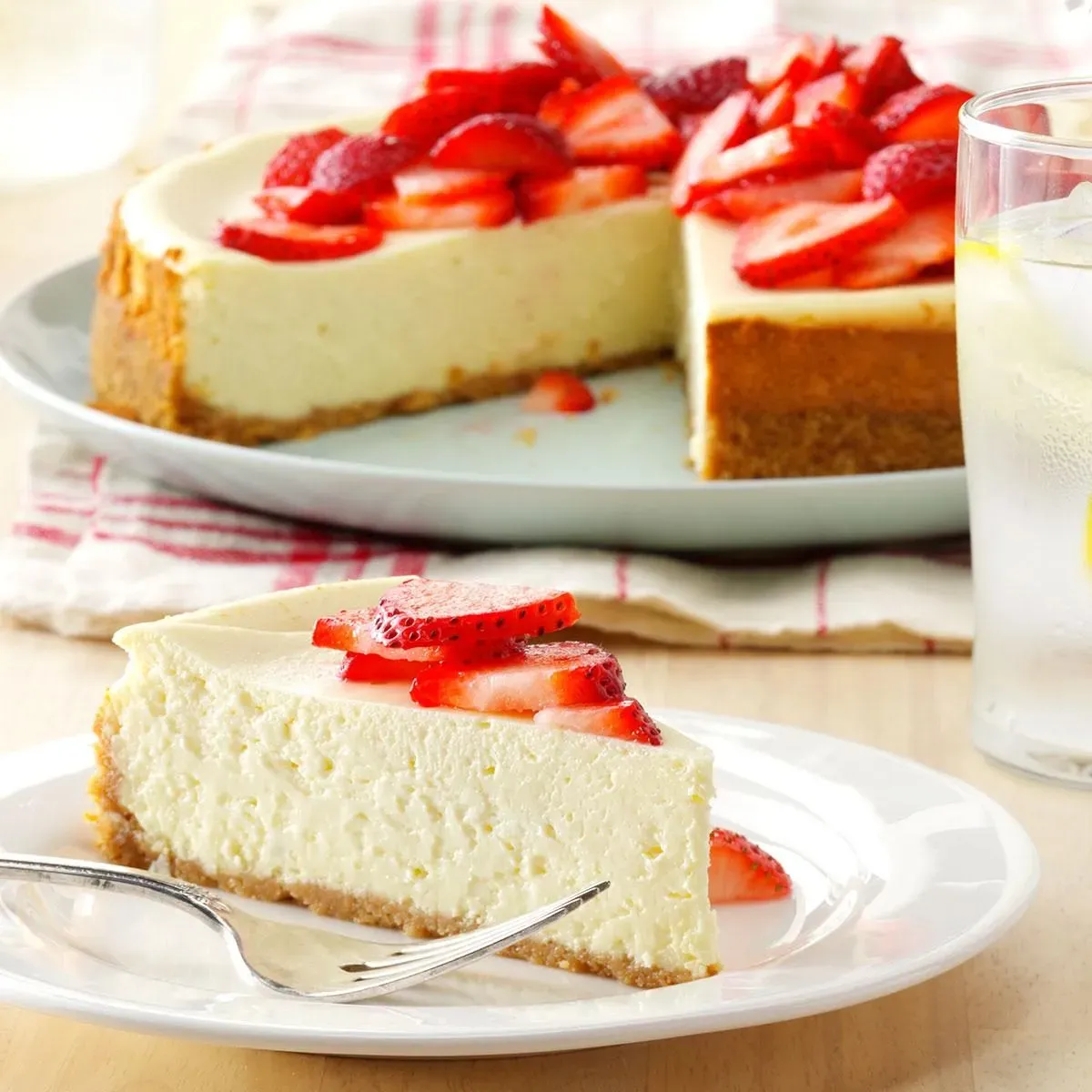
classic cheesecake is amazing, right? That dense, rich indulgence is pure comfort. But sometimes, after a big meal, or if you're just trying to keep things a bit balanced, that full-fat version feels like you've eaten a brick. You crave that creamy goodness, the tangy bite of the cream cheese, maybe the slight crunch of the crust, but you don't necessarily want the caloric commitment or the heavy feeling afterwards. That's exactly why finding a great cheesecake light recipe is a game-changer. It’s not about giving up dessert; it’s about making smarter choices with ingredients that still deliver on flavor and texture, just with fewer calories and less saturated fat. It lets you enjoy a slice without the immediate regret, proving that you can absolutely have your cheesecake and eat it too, just... lighter.
Gathering Ingredients for Your Cheesecake Light
Gathering Ingredients for Your Cheesecake Light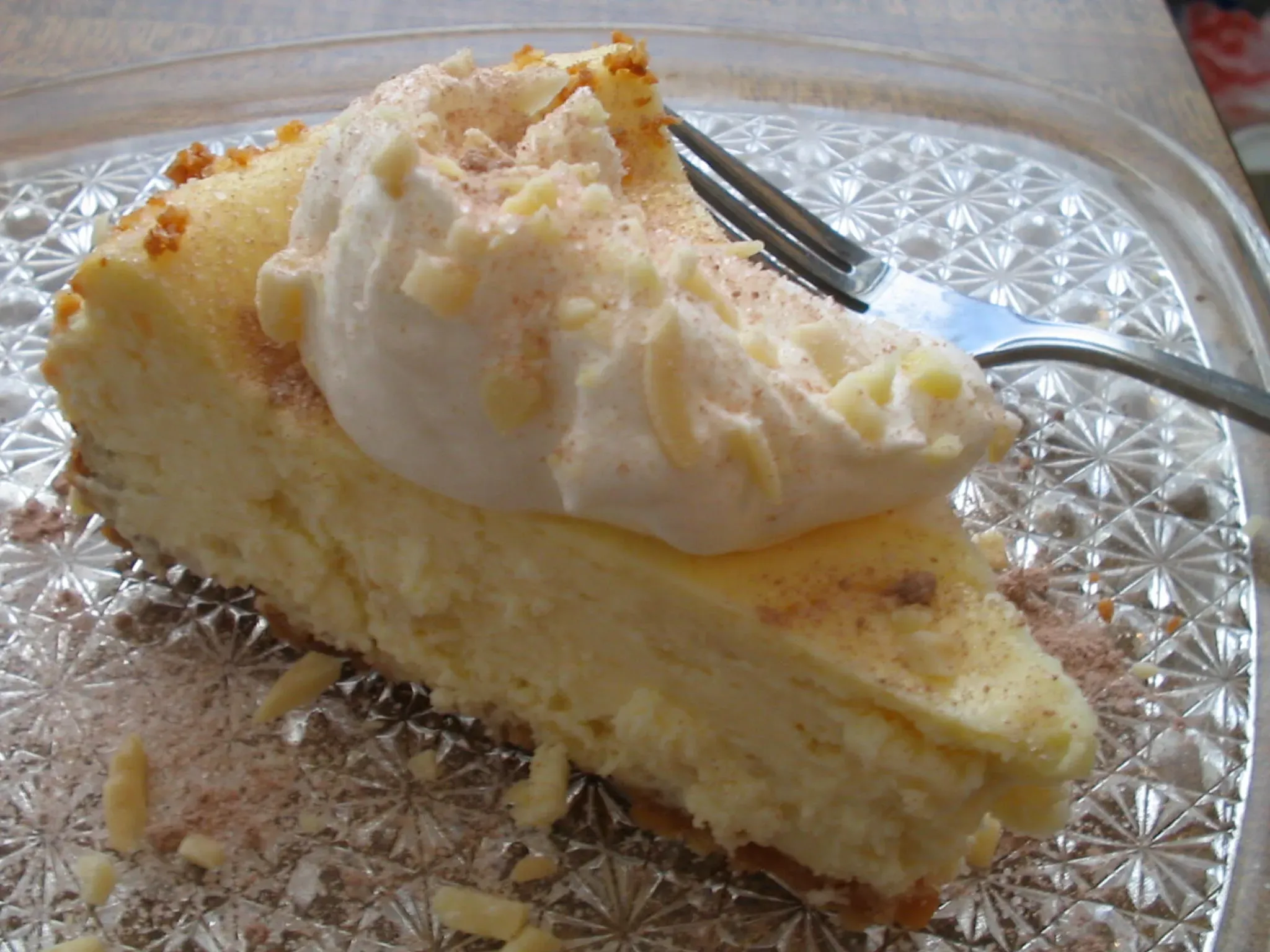
Alright, so you're sold on the idea of a lighter cheesecake. Now, let's talk about getting your hands on the stuff you'll need to make it happen. Think of this as your shopping list, but with a bit more context. You'll start with the usual suspects for the crust – graham cracker crumbs, a little sugar, and some melted butter to hold it all together. Nothing fancy there. The real magic, or perhaps the slight deviation from the path of pure decadence, happens in the filling. You'll still need cream cheese, because, well, it's cheesecake. But we're cutting back on the sheer volume of it by bringing in some allies: part-skim ricotta cheese and plain Greek yogurt. These two are key players; the ricotta helps with that classic creamy texture without being overly heavy, and the Greek yogurt adds tang and moisture while boosting the protein and keeping the fat down. You'll also need eggs, some lemon zest for brightness, and a splash of vanilla extract to round out the flavors. It’s a straightforward list, no exotic ingredients required, just your standard grocery store run.
- Graham cracker crumbs
- Granulated sugar
- Melted unsalted butter
- Cream cheese (softened)
- Part-skim ricotta cheese
- Plain Greek yogurt
- Large eggs
- Lemon zest
- Vanilla extract
Baking Your Perfect Cheesecake Light: StepbyStep
Baking Your Perfect Cheesecake Light: StepbyStep
Getting the Pan and Crust Ready
you've got your ingredients staring back at you. First things first, let's get that pan sorted. You'll want an 8 or 9-inch springform pan. Why springform? Because trying to get a cheesecake out of a regular cake pan is a one-way ticket to frustration town. Grease it well. Like, *really* well. Now, grab those graham cracker crumbs, sugar, and melted butter. Mix them until they look like wet sand. Press this mixture firmly into the bottom of your greased pan. Use the bottom of a glass or a flat measuring cup to get it nice and compact. This isn't just for looks; a firm crust won't crumble into oblivion when you slice it. Stick that crust in the oven at 350°F (175°C) for about 8-10 minutes. Just a quick bake to set it up. While that's happening, start thinking about the water bath. Yes, the dreaded water bath. It sounds like a hassle, but it's your best friend for preventing cracks in your beautiful cheesecake light. Wrap the outside of your springform pan tightly in heavy-duty aluminum foil. Multiple layers are your insurance policy against leaks.
Whipping Up the Filling
While the crust is doing its thing, move on to the star: the filling. Make sure your cream cheese is properly softened. Seriously, cold cream cheese is the enemy of smooth batter; you'll end up with lumps, and nobody wants lumpy cheesecake. Beat the softened cream cheese in a large bowl until it's super smooth, no lumps allowed. Then, add the ricotta cheese and Greek yogurt. Beat those in until everything is uniformly creamy. This is where that lighter texture starts to develop. Now, gradually add the sugar, beating until it's just combined. Don't overmix! Overmixing introduces too much air, which can cause your cheesecake to puff up and then crack as it cools. Gently mix in the lemon zest and vanilla extract. Finally, whisk the eggs lightly in a separate small bowl before adding them to the batter. Mix on low speed just until the eggs are incorporated. Stop mixing as soon as they disappear into the batter. Seriously, walk away from the mixer.
- Use room temperature ingredients, especially cream cheese and eggs.
- Do NOT overmix the batter once the eggs are added.
- Wrap your springform pan *very* well with foil for the water bath.
- Pour the batter *after* placing the pan in the water bath to avoid sloshing.
Into the Oven and Out to Chill
crust is pre-baked, filling is mixed. Pour the filling over the warm crust in the foil-wrapped springform pan. Gently tap the pan on the counter a couple of times to help any large air bubbles rise to the surface. Now, carefully place the foil-wrapped pan into a larger roasting pan. Place the roasting pan on the oven rack. *Then*, carefully pour hot water into the larger pan, around the springform pan, until it comes about halfway up the sides of the cheesecake pan. This water bath provides gentle, even heat, which is crucial for that smooth, crack-free top on your cheesecake light. Bake at 325°F (160°C). The baking time will vary depending on your oven and pan size, but it's usually around 60-75 minutes. You know it's done when the edges are set but the center still looks a little wobbly, like firm jelly. Turn off the oven, crack the door, and let the cheesecake cool inside the oven for an hour. This slow cooling prevents drastic temperature changes that cause cracks. After an hour, take it out of the water bath, remove the foil, and let it cool completely on a wire rack. Once it's at room temperature, cover it loosely and refrigerate it for at least 6-8 hours, or ideally, overnight. This chilling time is non-negotiable for the texture to set properly.
Troubleshooting & Tasty Twists for Your Cheesecake Light
Troubleshooting & Tasty Twists for Your Cheesecake Light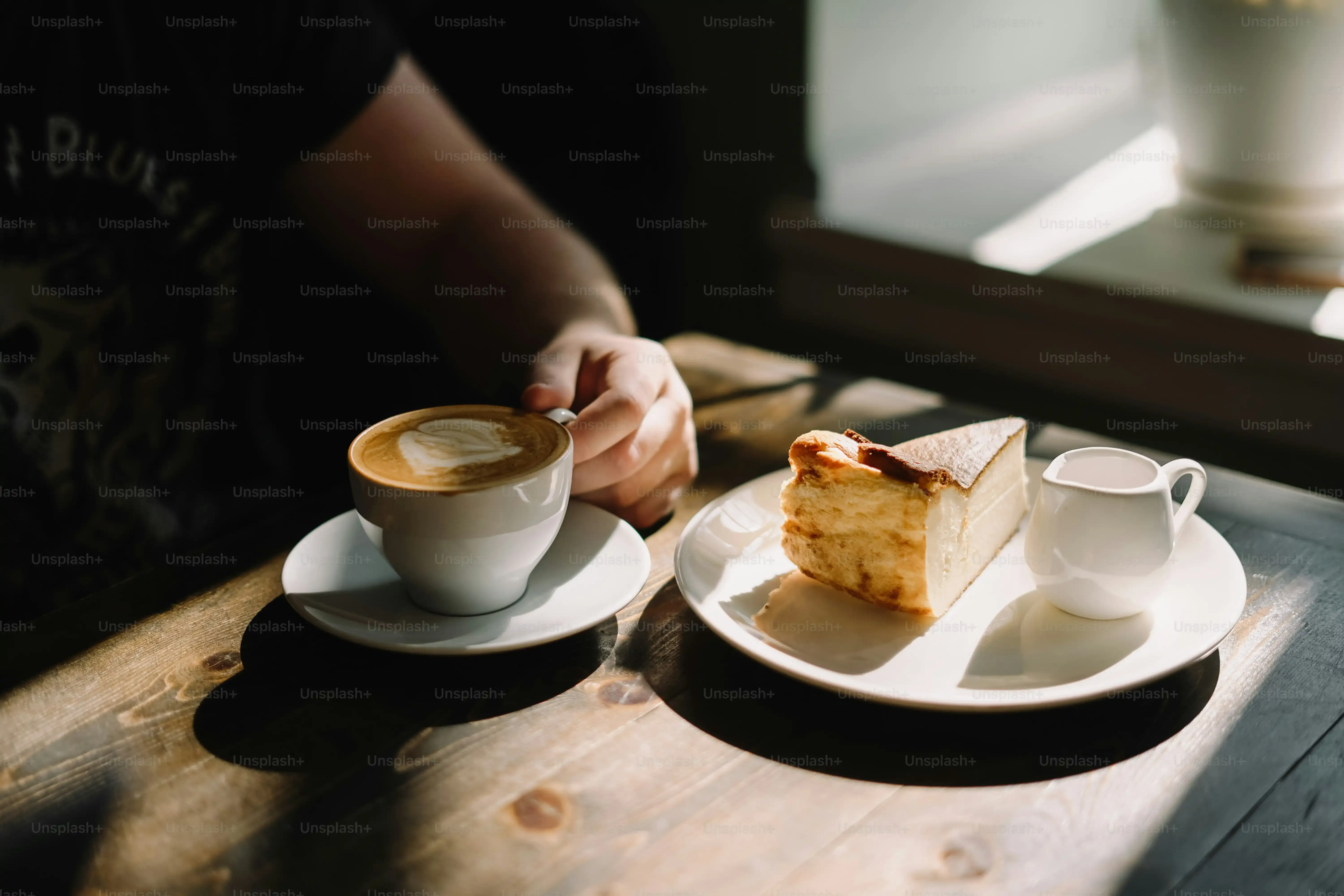
Dealing with Cracks and Other Annoyances
so you pulled your cheesecake out, and maybe it's not the perfectly smooth, unblemished surface you saw in those glossy magazine photos. Cracks happen. Usually, they point to temperature shock or overmixing. Did you remember the water bath? That's your primary defense against cracking because it keeps the temperature even. Cooling the cheesecake slowly inside the turned-off oven with the door propped open is also critical. If you skipped these steps, that's likely the culprit. Another thing? Overmixing after adding the eggs. That incorporates too much air, which expands and then collapses, causing fissures. If you still get a crack, don't despair. A dollop of whipped cream, some fresh berries, or a drizzle of sauce covers a multitude of sins. The taste is what really matters, right? And a small crack doesn't mess with the flavor of your cheesecake light one bit.
Texture Troubles and Ingredient Swaps
Sometimes, the texture might feel a little off – maybe too dense, maybe a bit grainy. If it's dense, you might have overmixed, especially after adding the eggs, or perhaps your cream cheese wasn't soft enough to begin with. Graininess often comes from the ricotta. Make sure you use a good quality, fine-curd ricotta, or even give it a quick whirl in a food processor or blender before adding it to the batter if it looks a bit rustic. For a slightly tangier result in your cheesecake light, some folks swap out a little of the Greek yogurt for sour cream, though that does add back some fat. Experimenting with the type of Greek yogurt (full-fat vs. low-fat) can also tweak the richness slightly. Just remember that significant changes to the dairy ratios can affect baking time and final texture, so maybe try a half batch if you're doing major surgery on the recipe.
- For a smoother texture, process ricotta briefly before adding.
- Ensure all dairy is at room temperature.
- Don't be afraid to cover minor cracks with toppings.
- Consider using full-fat Greek yogurt for a slightly richer, though still lighter, result than traditional.
Adding Flavor and Flair: Tasty Twists
The beauty of a basic cheesecake light recipe is that it's a fantastic canvas for other flavors. While the classic lemon zest is lovely, you can easily switch things up. Try adding the zest of an orange or lime for a different citrus note. Swirl in some fruit purée (like raspberry or passion fruit) before baking, or top the finished, chilled cheesecake with a compote or fresh fruit. A chocolate swirl is easy too – just melt some dark chocolate and swirl it through the batter with a knife. For a hint of spice, add a pinch of nutmeg or cardamom to the filling. Want a different crust? Gingersnaps or even reduced-fat vanilla wafers can stand in for graham crackers. Don't be shy about playing around once you've got the basic technique down. It’s your kitchen, after all.
Enjoying Your Lighter Cheesecake Creation
So there you have it. You've navigated the crust, mastered the filling, and perhaps even tackled the dreaded water bath. What you're left with is a slice of cheesecake that delivers on flavor without demanding a post-dessert coma. This cheesecake light isn't some pale imitation; it's a genuinely tasty alternative that proves you don't need to sacrifice entirely to make smarter choices. Go ahead, cut yourself a piece. You earned it.