Table of Contents
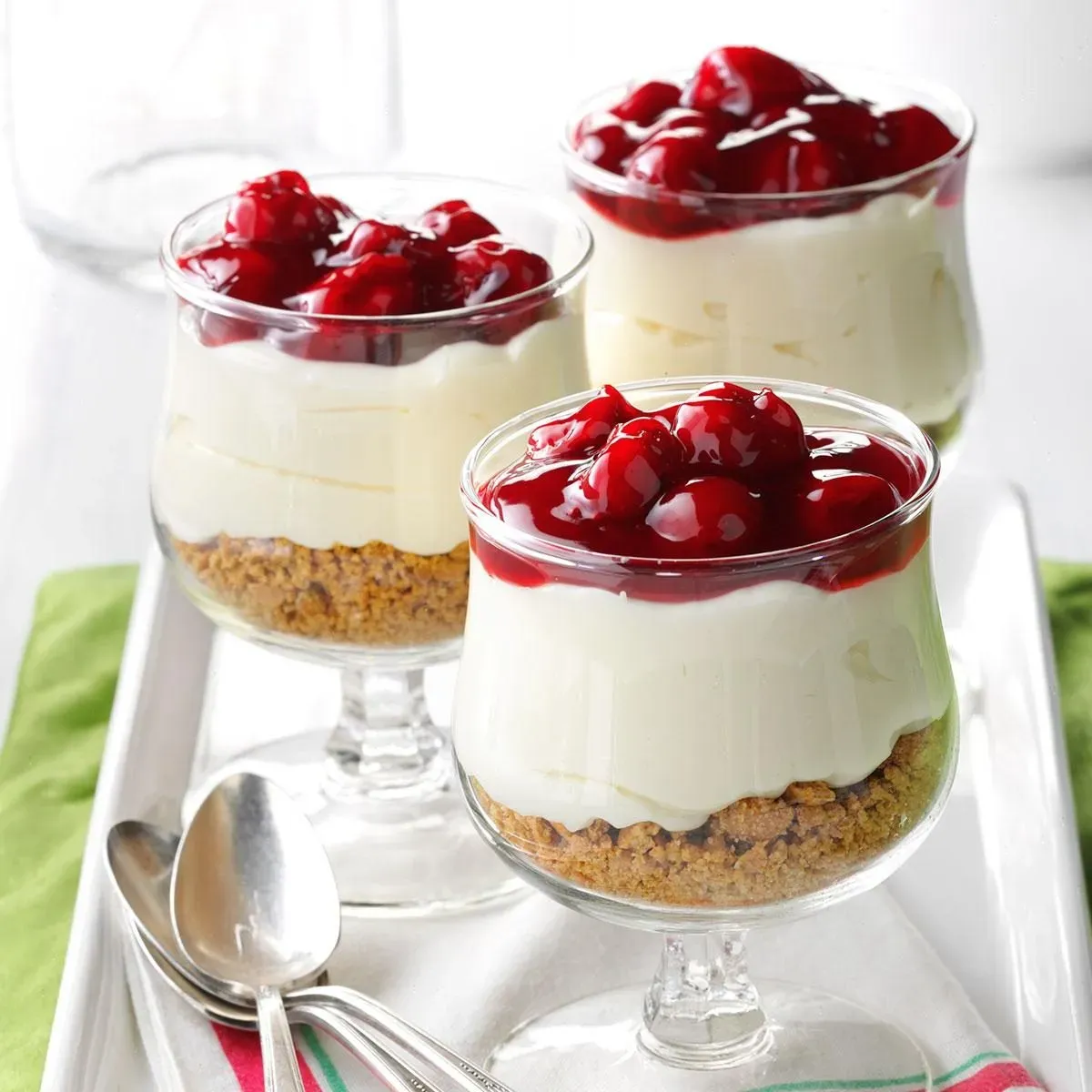
Think cheese, and your mind likely goes to charcuterie boards, melting on a burger, or maybe a sharp cheddar with crackers. It’s firmly rooted in the savory camp for most people. But what if someone told you that some of the most compelling sweet creations rely heavily on cheese? It sounds a bit odd at first, like putting ketchup on ice cream, but the world of cheese in dessert is far more sophisticated and frankly, delicious, than you might imagine. It’s not just about cheesecake, though that’s a worthy starting point. It’s about how the tang, richness, and unique textures of various cheeses can elevate a sweet dish from merely pleasant to truly memorable. Forget everything you thought you knew about cheese's place on the menu. We’re diving into why this pairing works, some classic examples you might already love without realizing the cheese connection, and how you can start experimenting with cheese in dessert yourself. Prepare to have your dessert world expanded, and maybe even challenge a few culinary norms along the way.
Why Put Cheese in Dessert?
Why Put Cheese in Dessert?
Beyond the Expected Sweetness
Alright, let's cut to the chase. You're probably thinking, "Cheese? In *dessert*? Isn't that just...weird?" And honestly, for a long time, that was my reaction too. I grew up thinking cheese belonged firmly with crackers or melted on something savory. The idea of pairing it with sugar felt fundamentally wrong, like wearing socks with sandals. But then I tried a really good Italian ricotta cheesecake, light and not overly sweet, with that subtle tang. It wasn't just sweet; it had layers. It had character. That's the first big reason **Why Put Cheese in Dessert?** It's about complexity. Sugar alone can be one-note, cloying even. Cheese brings acidity, saltiness, and often a unique texture that cuts through that sweetness, creating a more balanced and interesting flavor profile. It adds depth you simply can't get with just butter and sugar.
Adding Texture and Richness
Think about texture. A lot of classic desserts rely on creamy elements – custards, mousses, whipped cream. Cheese, depending on the type, can offer a whole spectrum of textures, from the smooth, spreadable consistency of cream cheese or mascarpone to the slightly grainy curd of ricotta, or even the crumbly richness of a blue cheese. This isn't just about mouthfeel; it impacts how the flavor is released. A dense, rich cheese melts slowly on your tongue, carrying the sweet components with it. It adds a luxurious weight to a dish that a lighter cream can't replicate. It's the difference between a flimsy cotton sheet and a thick velvet curtain – both cover, but one does it with far more presence. This textural contribution is a key part of **Why Put Cheese in Dessert?** works so well.
- Cheese provides a crucial counterpoint to sugar's sweetness.
- It adds layers of flavor: tang, salt, sometimes nuttiness.
- Different cheeses offer diverse textures, from creamy to crumbly.
- Texture impacts flavor release and overall richness.
Balancing Flavors Like a Pro
Let's talk balance. Any decent cook knows that salt enhances sweetness. It's why you put a pinch of salt in cookie dough. Cheese takes this principle and runs with it. It doesn't just add salt; it adds fermentation, acidity, and often that distinct umami note. These elements act like a foil to intense sweetness, preventing it from becoming overwhelming. A dessert with cheese doesn't just taste sweet; it tastes *of* something. It tastes sophisticated. It’s the culinary equivalent of adding a sharp, witty comment to a polite conversation – it makes everything more engaging. Consider a pear and blue cheese tart; the sweetness of the pear, the richness of the pastry, and then BAM, the salty, pungent kick of the blue cheese ties it all together in a way that just pear wouldn't. That interplay is the heart of **Why Put Cheese in Dessert?** is a genuinely good idea.
Exploring Famous Cheese in Dessert Pairings
Exploring Famous Cheese in Dessert Pairings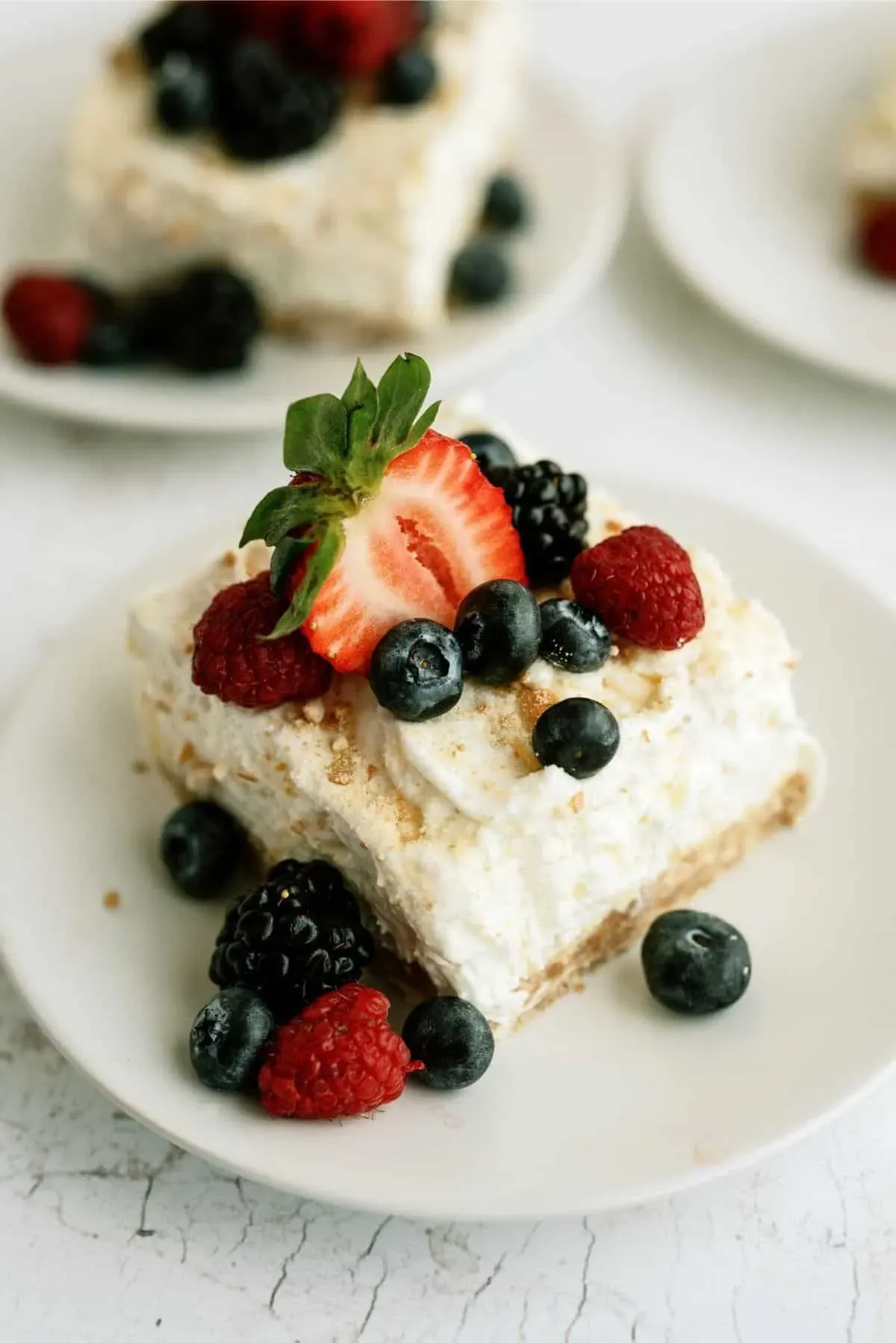
More Than Just Cheesecake: Classics You Know
So, now that we've established why cheese deserves a spot on the dessert plate, let's look at some all-stars. You're probably already familiar with some of the most famous examples of cheese in dessert, even if you don't always think of them that way. Cheesecake, obviously, is the undisputed champion here. Whether it's a dense New York style made with cream cheese, or a lighter, airier Italian version using ricotta, the cheese is the absolute star. It provides that signature tang and creamy richness that defines the dessert. But it doesn't stop there.
Think about tiramisu. That creamy, dreamy layer isn't just whipped cream; it's often mascarpone cheese. Mascarpone is a rich, buttery Italian cream cheese, incredibly smooth and mild, which makes it perfect for absorbing the coffee and liqueur flavors while adding a luxurious texture. Or how about cannoli? Those crispy shells are filled with sweetened ricotta cheese, sometimes mixed with mascarpone, often studded with chocolate chips or candied fruit. See? You've been enjoying cheese in dessert all along!
- Cheesecake: Cream cheese or ricotta provides structure and tang.
- Tiramisu: Mascarpone adds rich, smooth creaminess.
- Cannoli: Sweetened ricotta offers a slightly grainy, fresh texture.
- Italian Love Cake: Often features a ricotta layer baked into the cake.
Regional Stars and Hidden Gems
Beyond these international heavy hitters, many cultures have their own beloved examples of cheese in dessert. In Italy, you'll find things like pastiera Napoletana, a ricotta and grain pie, or cassata Siciliana, a vibrant cake layered with ricotta cream, sponge cake, and candied fruit. Spain has quesada pasiega, a simple baked cheesecake from Cantabria. Even in places you might not expect, like some parts of Eastern Europe, you'll find sweet farmer's cheese pastries or fillings. These regional variations show just how versatile cheese can be when paired with sweetness, often highlighting local cheeses and traditions.
Sometimes the cheese isn't the main event but plays a crucial supporting role. A sprinkle of finely grated Parmesan over a fruit tart can add an unexpected savory depth that makes the fruit flavors pop. A scoop of goat cheese ice cream might sound wild, but the slight tang and creaminess can be incredible, especially paired with berries or honey. It’s about understanding how the specific characteristics of a cheese – its saltiness, acidity, creaminess, or even its funk – can complement or contrast with the sweet elements of a dish.
Dessert | Primary Cheese Used | Key Role of Cheese |
|---|---|---|
New York Cheesecake | Cream Cheese | Structure, Tang, Richness |
Tiramisu | Mascarpone | Creaminess, Flavor Absorption |
Cannoli | Ricotta (sometimes with Mascarpone) | Filling, Texture, Freshness |
Pastiera Napoletana | Ricotta | Custard Base, Texture |
Beyond Cheesecake: Creative Cheese in Dessert Ideas
Beyond Cheesecake: Creative Cheese in Dessert Ideas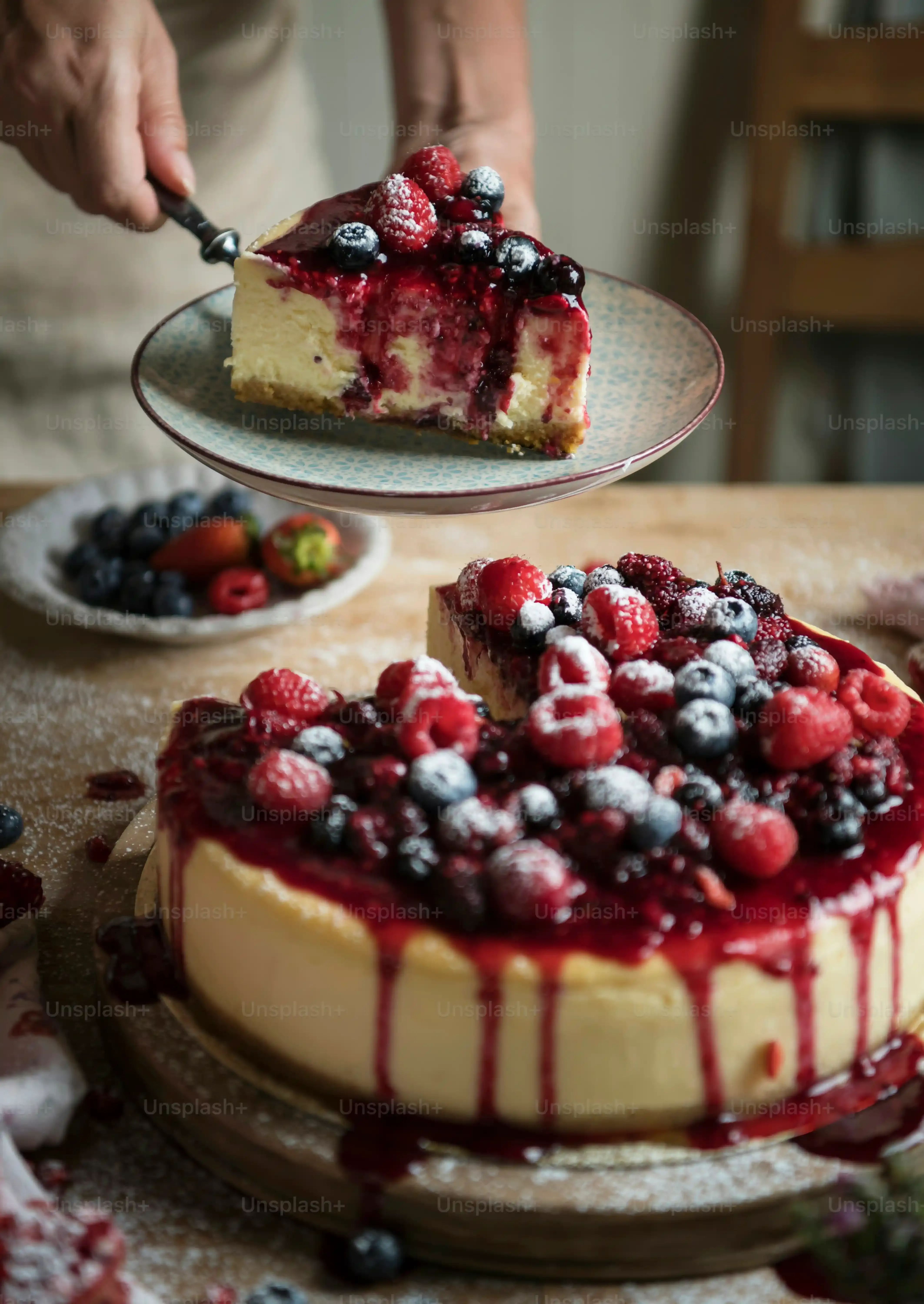
Breaking the Cheesecake Barrier
cheesecake is great, we get it. It's the gateway drug to the wonderful world of cheese in dessert. But sticking *only* to cheesecake is like only ever eating vanilla ice cream – you're missing out on a whole universe of flavor. The real fun starts when you look beyond the obvious. Think about using cheeses you normally wouldn't associate with sweetness. Ever considered goat cheese in a tart with roasted figs and honey? The earthy tang of the goat cheese cuts through the sweetness of the figs and honey beautifully, creating something far more interesting than a standard fruit tart. It’s about understanding the cheese's personality and finding a sweet partner that complements its quirks.
Unexpected Pairings That Just Work
This is where you get to play mad scientist in the kitchen. Forget the rulebook for a minute. How about a sharp cheddar grated over warm apple crumble? The saltiness and slight nuttiness of the cheddar against the sweet, soft apples and buttery topping is surprisingly addictive. Or what about ricotta salata, a firm, salty, aged ricotta, shaved thinly over watermelon and a drizzle of balsamic glaze? maybe that leans more appetizer, but the principle applies: salty cheese and sweet fruit is a winning combination. Don't be afraid to experiment with cheeses that have a bit more funk or sharpness; they often provide the most exciting contrast.
- Goat Cheese: Pairs well with honey, figs, berries, and lemon.
- Mascarpone: Excellent base for fruit tarts, layered desserts, or even whipped toppings.
- Ricotta: Versatile for fillings, puddings, or baked goods.
- Parmesan: Adds savory depth to fruit tarts or shortbread.
- Blue Cheese: Brave pairing with dark chocolate, pears, or port-poached fruit.
- Cheddar: Works surprisingly well with apples or in pie crusts.
Integrating Cheese into Different Forms
Cheese doesn't always have to be the main event, like in a cheesecake. It can be an accent, a whisper of something unexpected. Consider folding whipped goat cheese into a mousse or panna cotta for a subtle tang. You could make ice cream with cream cheese or mascarpone as a base, offering incredible richness. Imagine a shortbread cookie where some of the butter is replaced with a firm, grated cheese like Parmesan or even a mild Gruyere – it adds a savory note and a wonderful crumbly texture. The goal isn't to make everything taste overtly cheesy, but to use the cheese's characteristics – its fat, salt, acidity, texture – to enhance the overall dessert experience.
Mastering the Art of Cheese in Dessert Creations
Mastering the Art of Cheese in Dessert Creations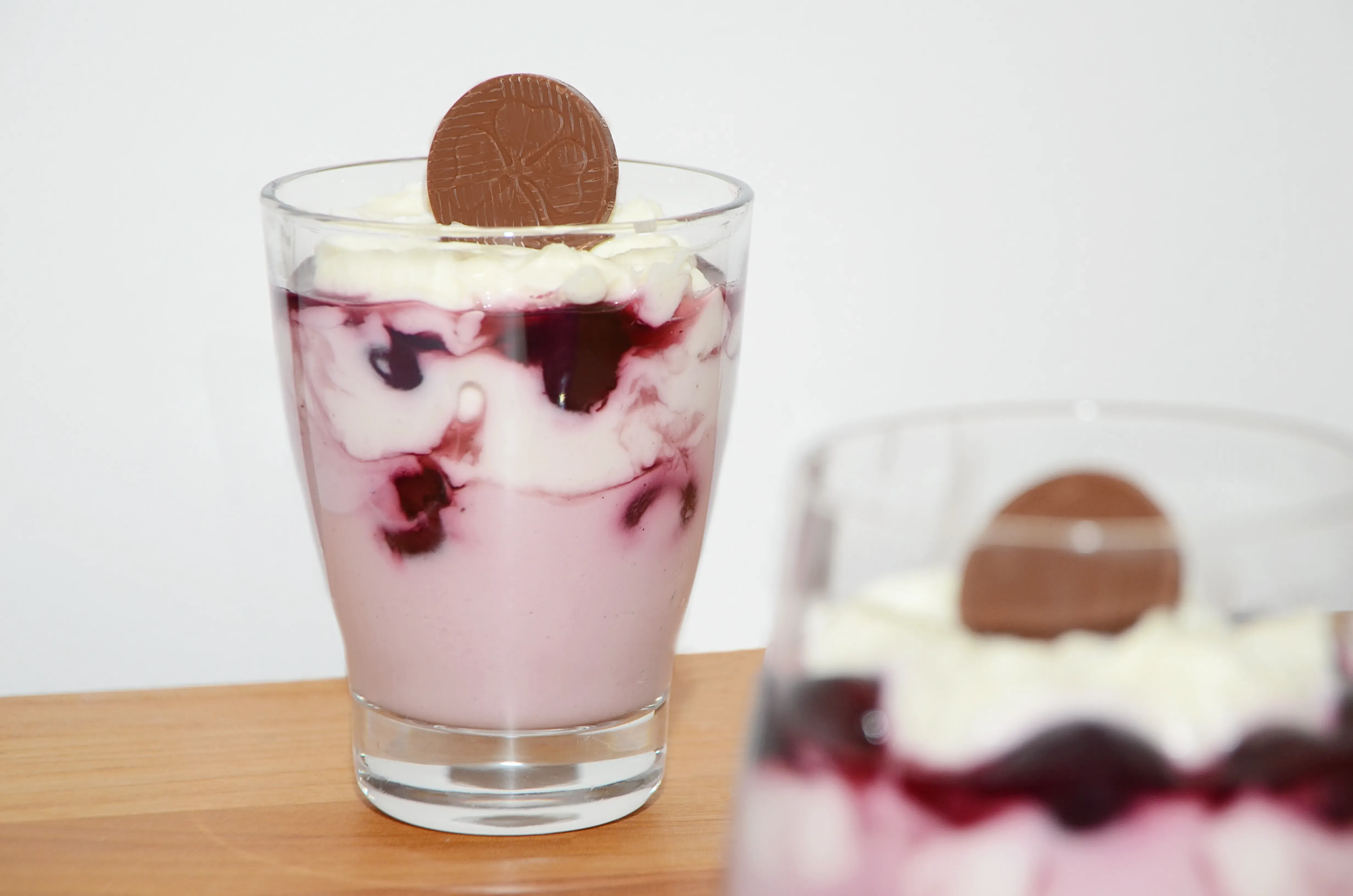
Picking the Right Cheese for the Job
So, you’re ready to move past just eating cheese *with* dessert and start putting it *in* there? Excellent. This is where the real fun, and potential pitfalls, begin. The first rule of Mastering the Art of Cheese in Dessert Creations is understanding your cheese. Not all cheeses are created equal, especially when sugar is involved. You wouldn't use a stinky Limburger in a delicate panna cotta (unless you're actively trying to lose friends). Think about the cheese's moisture content, its tang, its saltiness, and its meltability. A fresh cheese like ricotta or mascarpone is forgiving and blends easily into creams and fillings. A semi-hard cheese like cheddar or Gruyere needs grating and often works best in baked goods or crusts. Aged, hard cheeses like Parmesan or Pecorino are intense and best used sparingly as a garnish or flavor accent. Get to know your ingredients before you start throwing things in a bowl. A little research into a cheese's typical flavor profile and texture will save you a lot of wasted ingredients and questionable outcomes.
It’s not just about the type, either; the age and quality matter. A young, mild goat cheese is vastly different from an aged, earthy one. The cream cheese you use for cheesecake should be full-fat and block style, not the whipped stuff in a tub. These details aren't just for cheese snobs; they genuinely impact the final flavor and texture of your dessert. Don't be afraid to taste the cheese on its own first, really pay attention to its characteristics, and then start thinking about what sweet flavors would complement or contrast with it. It's like casting actors for a play; you need the right personality for the role.
Techniques for Seamless Integration
Integrating cheese into a sweet base isn't always as simple as stirring it in. Temperature is critical. Cream cheese, mascarpone, and ricotta often need to be at room temperature to blend smoothly, preventing lumps that will ruin the texture of your filling or batter. When baking with cheese, especially harder varieties, grating it finely ensures it distributes evenly and melts properly. For richer cheeses, sometimes whipping them first can lighten their texture and make them easier to incorporate into mousses or creams.
Consider the balance of flavors carefully. If your cheese is particularly salty or tangy, you might need to adjust the amount of sugar or add another balancing element, like acidity from lemon juice or richness from egg yolks. Conversely, if you're using a mild cheese, you might need to enhance its flavor with a pinch of salt or a complementary extract. Don't be afraid to taste and adjust as you go. It's your kitchen, not a sterile lab. The goal of Mastering the Art of Cheese in Dessert Creations is to create harmony, not a cheese plate masquerading as dessert. Get the proportions wrong, and you end up with something confused. Get them right, and you have something truly special.
Cheese Type | Best Dessert Applications | Tips for Use |
|---|---|---|
Cream Cheese | Cheesecakes, Frostings, Dips | Use full-fat, room temperature. Whip well. |
Mascarpone | Tiramisu, Fruit Tarts, Whipped Toppings | Very rich, blends smoothly. Don't overmix when whipping. |
Ricotta | Cannoli, Pastiera, Baked Goods, Puddings | Drain excess liquid. Can be slightly grainy; sieve for smoother texture. |
Goat Cheese | Tarts with fruit/honey, Ice Cream, Mousse | Pairs well with bright or earthy flavors. Use mild for subtlety, aged for punch. |
Parmesan | Savory Shortbread, Fruit Tarts (garnish) | Use sparingly, finely grated. Adds salty, umami depth. |
The Unexpected Sweet Ending
So, we've journeyed through the surprising landscape of cheese in dessert. It’s clear that cheese isn't just a savory player; its acidity, fat content, and specific flavors offer a depth that sugar alone can't achieve. From the familiar comfort of cheesecake to the more adventurous pairings of blue cheese with honey or ricotta in a light pastry, the possibilities are extensive. Stepping outside the usual dessert box to incorporate cheese can transform a simple sweet into something truly layered and interesting. It requires a bit of thought about balancing flavors and textures, but the payoff is a dessert that stands out. Don's dismiss cheese in dessert as just a novelty. It's a legitimate, and often superior, way to finish a meal.