Table of Contents
Ever stared at a picture of that golden, syrup-soaked pastry with gooey cheese pulling apart and thought, "Yeah, right, like I could ever make that"? You're not alone. The idea of tackling a traditionalcheese dessert knafehcan seem a bit daunting, like trying to assemble IKEA furniture blindfolded. But let's cut through the mystique. This isn't some impossible culinary feat reserved for ancient masters in distant lands. It's a dessert built on relatively simple components: crispy pastry, melted cheese, and sweet syrup.
Understanding the Sweet Cheese Dessert Knafeh
Understanding the Sweet Cheese Dessert Knafeh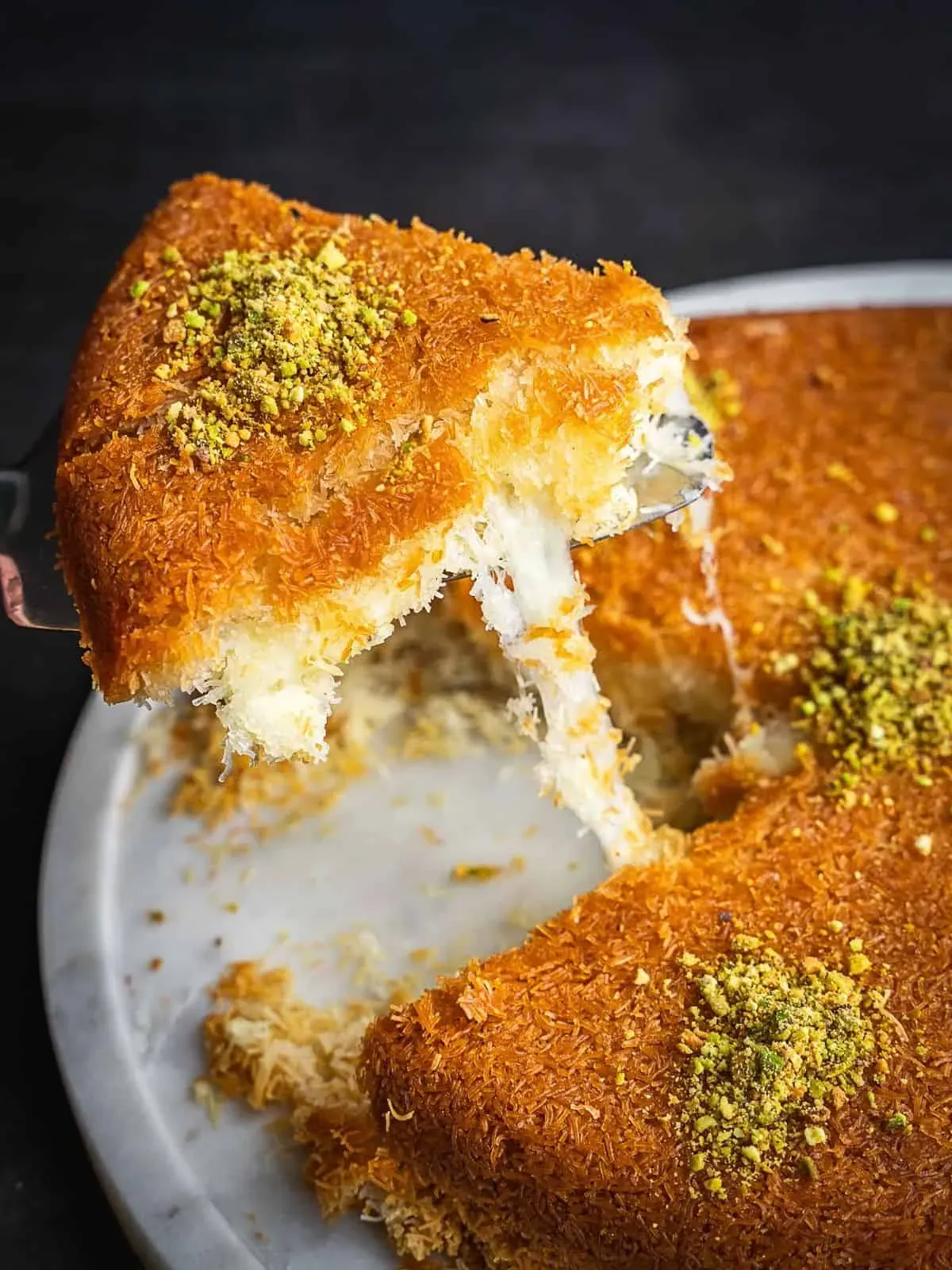
What Exactly is Knafeh?
Let's get straight to it. When people talk about the sweet cheese dessert knafeh, they're talking about a dish that hits a few key notes: it’s crispy, it’s gooey, and it’s sweet. At its core, it’s a pastry made with shredded phyllo dough, also known as kataifi, layered or mixed with cheese, baked until golden, and then drenched in a simple sugar syrup, often flavored with rose or orange blossom water. Imagine a dessert that combines the best parts of baklava's crunch with the comforting pull of melted cheese. It’s served warm, often topped with bright green ground pistachios, providing a color contrast that screams "eat me."
Where Does This Sweet Cheese Dessert Come From?
This isn't a dessert with one single, undisputed birthplace, though the city of Nablus in Palestine is often cited as a major origin point, particularly for the Nabulsi style. But you find variations of this sweet cheese dessert knafeh across the Middle East, Turkey, and Greece. Each region, even individual cities or families, might have their own twist. Some use a fine semolina dough instead of kataifi, some layer the cheese between two sheets of pastry, others mix it in. The cheese itself varies too – from a specific unsalted Nabulsi cheese to mozzarella, ricotta, or a blend. It's a culinary conversation that spans borders, with everyone claiming their version is the most authentic or, frankly, the best.
- Common Names for Knafeh:
- Kunafa
- Kanafeh
- Kunafeh
- Konafi
- Kanafa
Gathering Ingredients for Your Cheese Dessert Knafeh
Gathering Ingredients for Your Cheese Dessert Knafeh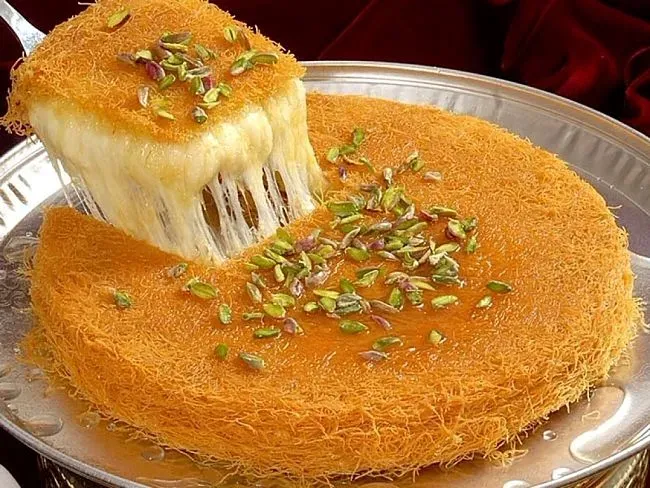
The Core Trio: Kataifi, Cheese, and Fat
Alright, so you're sold on making this sweet cheese dessert knafeh. What do you actually need to pull it off? First up is the kataifi dough. Think of this as super-fine shredded phyllo. You can usually find it in the freezer section of Middle Eastern or Mediterranean grocery stores. It looks like a tangled mess of fine hair, and that's exactly what gives knafeh its signature crispiness. You'll also need cheese, naturally. Traditionally, an unsalted cheese like Nabulsi is used, but let's be real, finding that can be a quest. Unsalted mozzarella is a fantastic and widely available substitute. It melts beautifully and gives you that epic cheese pull without adding saltiness where you only want sweet. The third crucial element is fat – either clarified butter (ghee) or just plain unsalted butter, melted. This is what coats the kataifi strands, ensuring they crisp up into that perfect golden-brown.
Syrup and Flavor Boosters
Beyond the pastry and cheese, the syrup is key to a killer cheese dessert knafeh. It’s a simple sugar syrup, usually a 2:1 sugar to water ratio, simmered until slightly thickened. But the magic often comes from the flavoring. Rose water or orange blossom water are traditional choices and they lend that unmistakable fragrant aroma. A squeeze of lemon juice in the syrup isn't just for flavor; it also helps prevent the sugar from crystallizing. And for the final flourish, ground pistachios are the classic topping. They add color, a bit of crunch, and a nutty counterpoint to the sweetness. Don't skimp on these; they make the finished dessert look as good as it tastes.
Essential Knafeh Ingredients | Why You Need Them |
|---|---|
Kataifi Dough | The crispy, shredded pastry base. |
Unsalted Cheese (Mozzarella or Nabulsi) | Provides the signature gooey, cheesy center. |
Melted Butter or Ghee | Crisps up the kataifi beautifully. |
Sugar | Base for the essential sweet syrup. |
Water | Combines with sugar for the syrup. |
Rose or Orange Blossom Water (Optional but Recommended) | Adds traditional fragrant flavor to the syrup. |
Lemon Juice (Optional) | Prevents syrup crystallization, adds brightness. |
Ground Pistachios | Classic garnish for flavor and color. |
Simple Steps to Make Delicious Cheese Dessert Knafeh
Simple Steps to Make Delicious Cheese Dessert Knafeh
Prepping Your Pan and Pastry
Alright, let's get down to the actual making of this glorious sweet cheese dessert knafeh. First things first, you need to prep your kataifi dough. If it's frozen, make sure it's thawed completely, preferably in the fridge overnight, then on the counter for a bit. You want it pliable, not frozen solid. Gently pull the strands apart; they tend to clump up. Now, take your melted butter or ghee and really work it into the kataifi. Every single strand needs a good coating. This is crucial for that golden, crispy finish. Think of it like buttering every single noodle before baking a casserole. Next, grab your pan. Traditionally, a round, shallow pan is used, but any oven-safe pan will work. Coat the bottom and sides generously with more melted butter or ghee. Press about half to two-thirds of the buttered kataifi evenly into the bottom of the pan. Press it down firmly, creating a compact base. You can use the bottom of a glass or a flat measuring cup to really pack it in.
Layering the Cheese and Top Crust
With your base layer of kataifi pressed firmly into the buttery pan, it's time for the star: the cheese. Drain your cheese well if it has excess moisture. Shredded mozzarella works like a charm for that classic pull. Spread the cheese evenly over the compacted kataifi layer, making sure it goes almost to the edges but leaves a small border so the cheese doesn't ooze out and stick during baking. You want a generous, but not overwhelming, layer of cheese. Now, take the remaining buttered kataifi dough. Loosely cover the cheese layer with this second portion. Don't press this top layer down as hard as the base; you want it a little lighter and airier for maximum crispiness. Ensure the cheese is completely covered. Your sweet cheese dessert knafeh is now assembled and ready for its date with the oven.
Quick Prep Checklist:
- Thaw kataifi fully.
- Shred or separate kataifi strands.
- Coat kataifi thoroughly with melted butter/ghee.
- Generously butter baking pan.
- Press 1/2 to 2/3 of kataifi into pan base firmly.
- Spread drained cheese evenly over base.
- Cover cheese with remaining kataifi loosely.
Tips, Tricks, and Variations for Your Knafeh Creation
Tips, Tricks, and Variations for Your Knafeh Creation
Tips, Tricks, and Variations for Your Knafeh Creation
so you've got the basics down for assembling yourcheese dessert knafeh. Now let's talk about making it *really* sing, or at least avoiding a soggy, uneven mess. First off, don't be shy with the butter or ghee. Seriously, coat that kataifi until it feels rich and pliable; that's your ticket to maximum crispiness. When pressing the base layer, use some muscle – a flat-bottomed glass or measuring cup works wonders for getting a compact, even foundation. And the syrup? Make it while the knafeh bakes so it's warm, not boiling hot, when you pour it over the *hot* pastry right out of the oven. That temperature contrast is key for soaking without dissolving. As for variations, feel free to experiment with cheese blends – a mix of mozzarella and a bit of ricotta or even a mild goat cheese can add complexity. Play with your syrup flavors too; a strip of orange peel or a few cardamom pods simmered in the syrup offer a nice twist on the classic rose or orange blossom water.
Pro Knafeh Pointers:
- Ensure kataifi is fully coated in fat.
- Press base layer firmly for stability.
- Pour *warm* syrup over *hot* knafeh.
- Consider cheese blends for flavor.
- Infuse syrup with citrus peel or spices.
- Don't skip the pistachios – they're essential!
The Story Behind the Iconic Cheese Dessert Knafeh
The Story Behind the Iconic Cheese Dessert Knafeh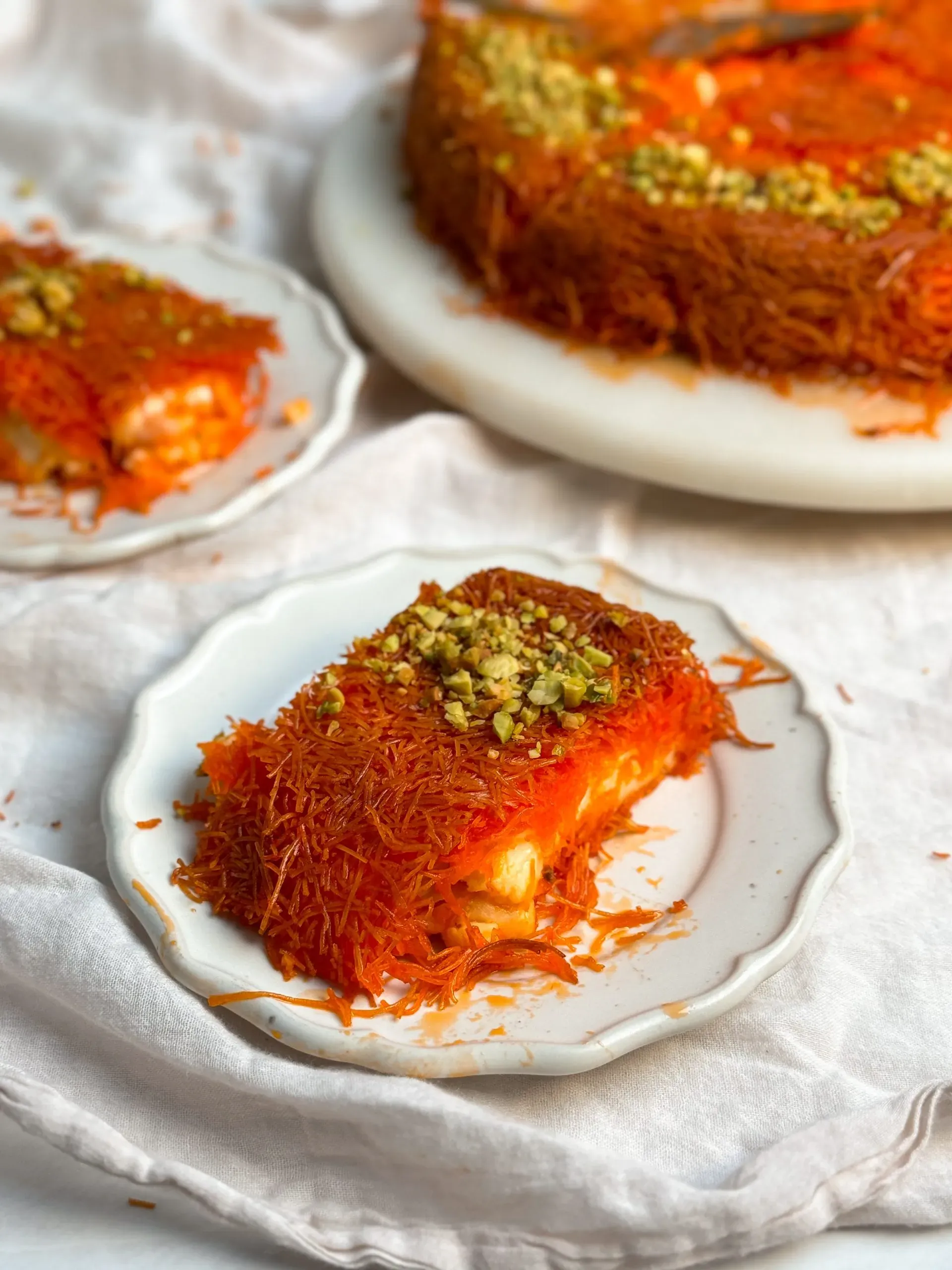
Tracing the Roots of This Sweet Cheese Dessert
so you've made the thing, it's glorious, cheese is pulling, syrup is dripping. But where did this whole sweet cheese dessert knafeh idea even come from? Like many ancient foods, pinpointing the exact moment is tough, but the story often circles back to the city of Nablus in Palestine, possibly as far back as the 10th century. Legend says it was created for a caliph during Ramadan, a rich, filling treat to break the fast. Nablus became famous for its specific version using local Nabulsi cheese, a mild, brined cheese that softens beautifully without melting completely away or getting stringy in a frustrating way. This wasn't just a simple dessert; it became a symbol of Nabulsi identity, a source of civic pride. Think of it like New York pizza or Chicago deep-dish – it's not just food, it's history baked into a pan.
Beyond Nablus: Knafeh's Journey and Evolution
From its potential origins in Nablus, the sweet cheese dessert knafeh didn't stay put. It traveled across the Levant, into Turkey, Egypt, and even parts of Greece, adapting as it went. Different regions put their stamp on it. Turks have Künefe, often using Hatay cheese and a coarser semolina pastry. Egyptians might make Kunafa using fine semolina or the shredded kataifi, sometimes adding cream fillings alongside or instead of cheese. This spread wasn't just random; it followed trade routes, cultural exchange, and migration. Every variation tells a little story about the place it landed, how local ingredients and tastes shaped this fundamental concept: crispy dough plus soft cheese plus sweet syrup. It shows how food traditions evolve, absorbing new influences while holding onto their core identity.
- Key Regional Knafeh Styles:
- Nabulsi Knafeh (Palestine): Known for Nabulsi cheese and fine semolina or kataifi.
- Künefe (Turkey): Often uses Hatay cheese and coarser semolina or kataifi.
- Kunafa (Egypt): Can use fine semolina or kataifi, sometimes includes cream.
- Lebanese/Syrian Knafeh: Often uses kataifi with a mix of cheeses.
Your Knafeh Adventure Awaits
So there you have it. From understanding the basics to getting your hands sticky with kataifi and cheese, you've navigated the path to making your owncheese dessert knafeh. It might not look exactly like the picture-perfect versions you see online on your first try – maybe a bit lopsided, perhaps some syrup overflow – and that's perfectly fine. The real win is the aroma filling your kitchen and the satisfaction of pulling apart that cheesy, crunchy goodness. Forget the fancy cafe versions for a minute; this one is yours, made with your own two hands. Now go forth and bake.