Table of Contents
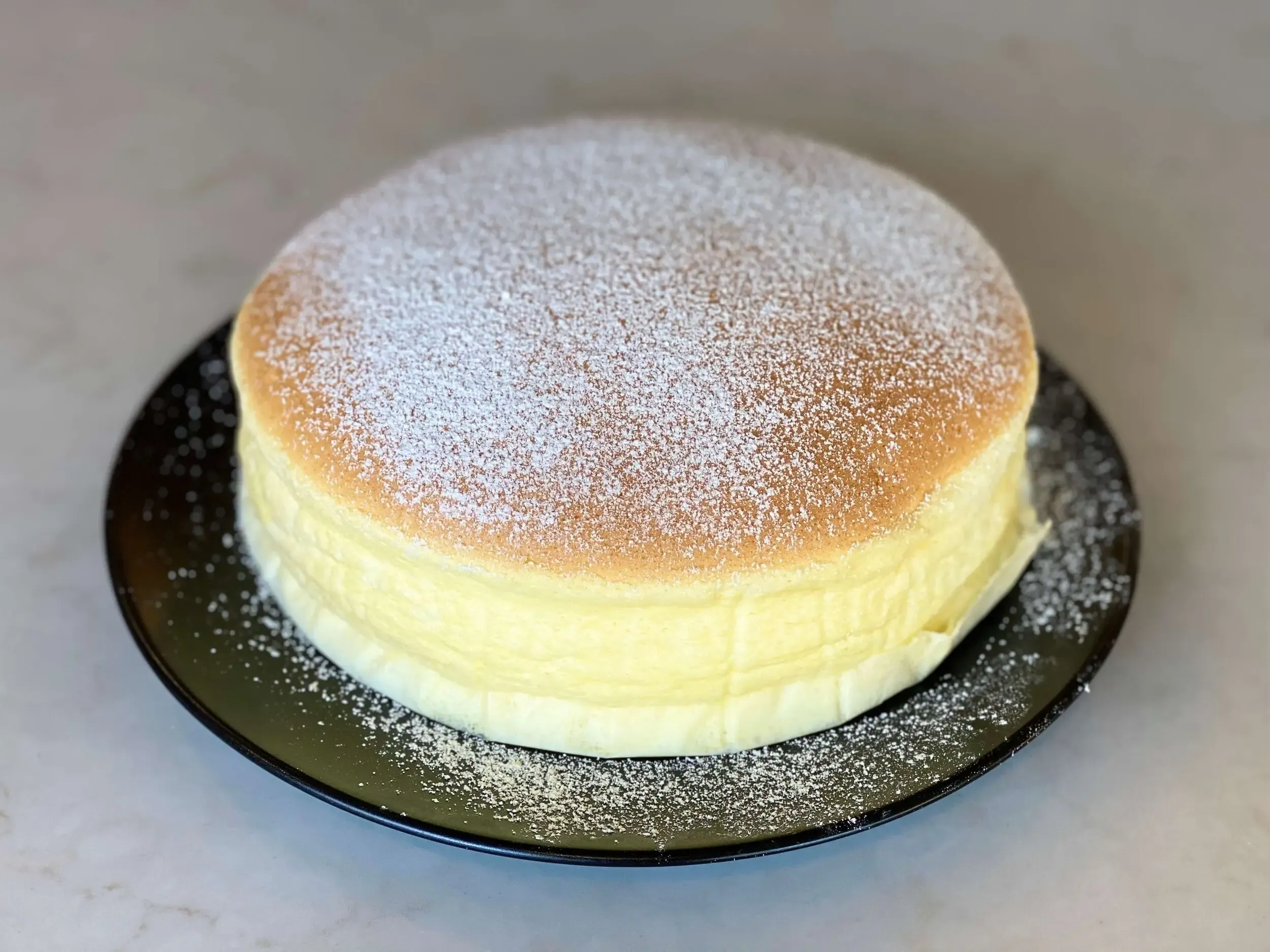
Maybe you’ve seen those mesmerizing videos online. A cake sits there, innocent enough, until someone pokes it, and the whole thing shimmies like a happy cloud. That, my friend, is often a prime example of acheese dessert japanese, specifically the kind known as Japanese Souffle Cheesecake or Cotton Cheesecake. Forget everything you think you know about New York-style bricks of cream cheese. This isn't that. This is air, held together by the sheer will of perfectly beaten egg whites and a delicate custard base.
Understanding Japanese Cheesecake: More Than Just a Cheese Dessert
Understanding Japanese Cheesecake: More Than Just a Cheese Dessert
It's Not Your Grandma's Cheesecake
Alright, let's get this straight from the jump. When we talk aboutcheese dessert japanese, specifically the fluffy, jiggly kind, we are not talking about the dense, rich, often sour-cream-topped monoliths you find in a New York diner. Those are fantastic in their own right, truly champion desserts built for heft and intense flavor. The Japanese version operates on an entirely different principle. It aims for lightness, an almost gravity-defying texture that makes you wonder if you're eating air infused with a subtle, sweet creaminess. It's a dessert that prioritizes feel and texture as much as, if not more than, overwhelming flavor.
A Culinary Balancing Act
Think of this cheese dessert japanese not just as a baked good, but as a performance. Achieving that signature wobble and melt-in-your-mouth quality requires precision. It's a hybrid creation, borrowing the richness from traditional cheesecake ingredients like cream cheese, butter, and egg yolks, but then blending it with the airy structure of a chiffon or sponge cake, courtesy of stiffly beaten egg whites. The technique is everything – gentle folding, careful temperature control, and a water bath are non-negotiable. It’s a delicate dance between richness and airiness, a far cry from simply mixing ingredients and hoping for the best. This isn't a dessert you just whip up; it's one you coax into existence.
So, what sets this particular cheese dessert apart?
- Texture: Ethereal, fluffy, jiggly, melts in your mouth.
- Flavor Profile: Subtle, creamy, less tangy than Western cheesecakes.
- Composition: A hybrid of cheesecake and sponge/chiffon cake techniques.
- Baking Method: Typically uses a water bath for gentle, even cooking.
- Goal: Prioritizes lightness and texture over dense richness.
Why Japanese Cheese Dessert is So Different: The Magic of Fluff
Why Japanese Cheese Dessert is So Different: The Magic of Fluff
The Meringue is the Secret Weapon
So, how do they get that incredible, almost gravity-defying fluff? It all comes down to the meringue. Unlike many Western cheesecakes where eggs are simply mixed into the batter, the Japanese method treats the egg whites like they're building a skyscraper. You whip them with sugar until they form stiff, glossy peaks. This isn't just about adding volume; it's about creating a stable structure of air bubbles. When you gently fold this cloud-like meringue into the rich, creamy base of egg yolks, cream cheese, and other ingredients, you're essentially infusing the batter with air. This trapped air is what expands in the oven, lifting the cake and giving it that characteristic lightness and bounce.
Gentle Heat and the Water Bath
Achieving that perfect, crack-free, uniformly tender texture isn't just about what goes into the batter; it's also about how you bake it. Japanese soufflé cheesecakes are almost always baked in a water bath, or *bain-marie*. This isn't optional; it's crucial. Placing the cake pan in a larger pan filled with hot water creates a humid, stable environment in the oven. The water bath prevents the edges of the cake from baking too quickly and drying out, which is a major culprit behind cracking. It ensures the cake cooks gently and evenly throughout, allowing that delicate meringue structure to set without collapsing or becoming tough. It’s like giving the cake a spa treatment while it bakes, resulting in that incredibly smooth, fine crumb and signature jiggly texture that makes thischeese dessert japanesestand out.
Key factors for maximum fluff and jiggly goodness:
- Stiffly beaten egg white meringue provides the lift.
- Gentle folding technique keeps the air bubbles intact.
- Accurate temperature control prevents rapid rise and fall.
- The water bath ensures even, moist heat for a tender crumb.
- Using a fine sieve for the batter removes lumps and promotes smoothness.
Making Your Own Perfect Japanese Cheese Dessert: The Recipe
Making Your Own Perfect Japanese Cheese Dessert: The Recipe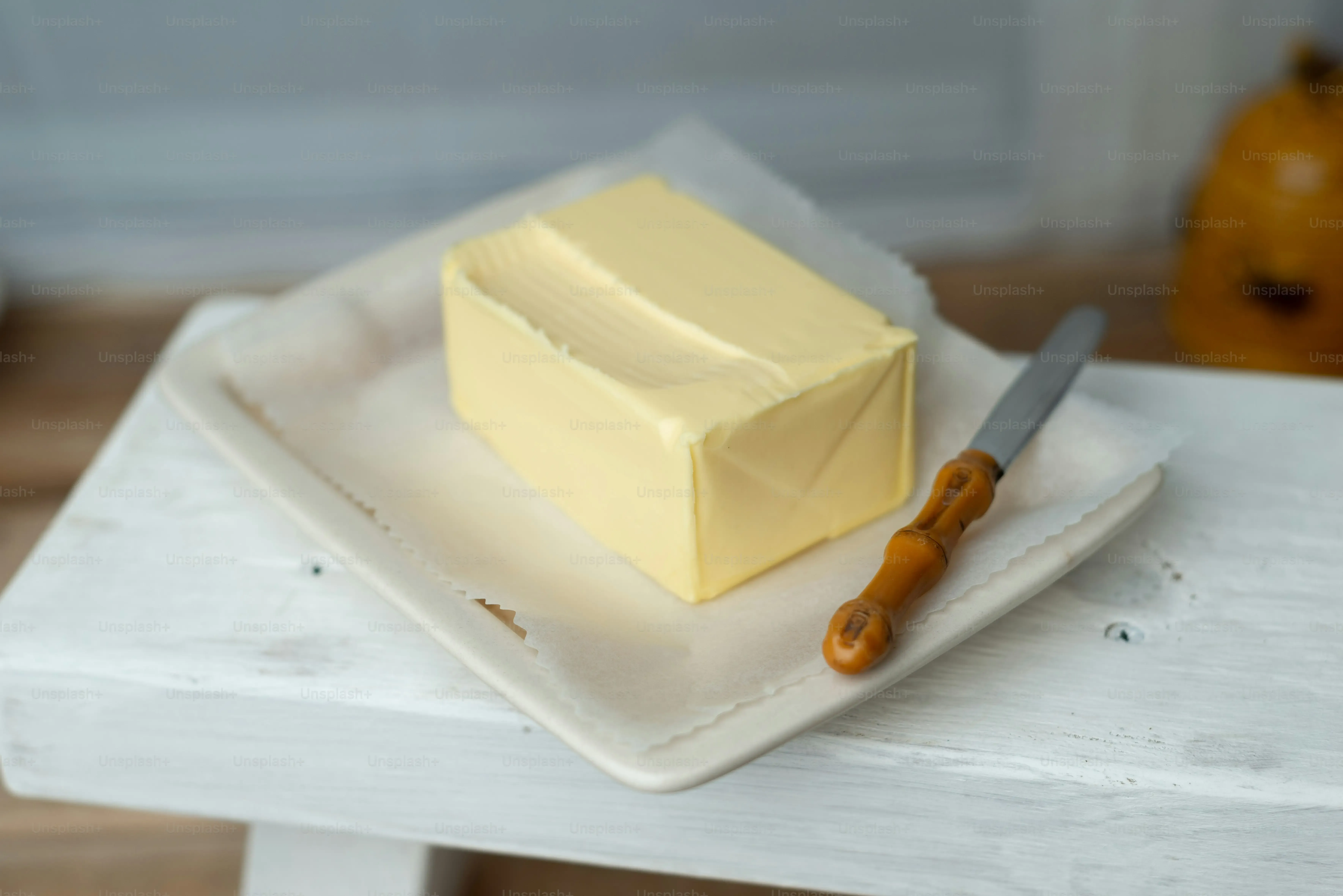
Gathering Your Arsenal: Ingredients and Tools
Alright, so you're ready to jump into the kitchen and tackle this jiggly beast? Excellent. Making your own perfectcheese dessert japaneseisn't magic, but it is chemistry and technique. Think of it less as baking a cake and more like performing a delicate operation. You'll need the usual suspects – cream cheese, butter, milk, eggs, sugar, flour, cornstarch – but the quality matters here. Room temperature ingredients are non-negotiable, especially the cream cheese and eggs. Cold ingredients fight you every step of the way. You'll also need a good whisk or stand mixer for those egg whites, a sifter for your dry ingredients, and a reliable cake pan, preferably a springform pan wrapped tightly in foil to prevent water leaks during the crucial water bath.
Troubleshooting Your Japanese Cheesecake: Common Issues and Fixes
Troubleshooting Your Japanese Cheesecake: Common Issues and Fixes
Why Did My Beautiful Cake Crack?
so you pulled your masterpiece out of the oven, and instead of a smooth, perfect dome, you've got a Grand Canyon running across the top. It happens. A cracked surface on yourcheese dessert japaneseis usually a sign of baking too fast or too hot. When the top sets before the inside is cooked, the rising steam and expansion underneath have nowhere to go but through the weakest point – the crust that formed too early. Or sometimes, taking it out of the warm, humid oven environment into cooler kitchen air too quickly causes a sudden contraction. It's basically thermal shock for your delicate cake.
To avoid this heartache, ensure your oven temperature is accurate. An oven thermometer is your best friend here; don't trust the dial implicitly. Bake low and slow, especially after the initial higher temperature burst. Also, resist the urge to open the oven door constantly. Every peek lets out precious steam and drops the temperature. Once the baking time is up, turn off the oven and leave the cake inside with the door slightly ajar for an hour. This allows it to cool down gradually, minimizing the shock and reducing the risk of cracking or significant deflation.
The Dreaded Deflation and Uneven Texture
You see it jiggle beautifully in the oven, then watch in horror as it shrinks into a sad, flat disc. Deflation is another common pitfall with this type of cheese dessert. The primary culprit? Undercooking or instability in the meringue. If the cake isn't fully set in the center, the fragile air structure collapses as it cools. Over-mixing the batter after adding the meringue can also pop those crucial air bubbles before they even get a chance to set.
Uneven texture, like a dense layer at the bottom and airy top, often points to improper mixing or folding. The heavy cream cheese base needs to be thoroughly smooth before the meringue goes in. When folding the meringue, be gentle but thorough. You need to incorporate it fully without knocking all the air out. Think "cut and fold," not "stir vigorously." Ensure your water bath has enough hot water to last the entire baking time. If it dries out, the gentle cooking environment disappears, leading to uneven baking. Patience during the cooling phase is also key; don't rush it out of the oven.
Common Issues and Potential Causes:
- Cracked Top: Oven too hot, baked too fast, sudden temperature change upon cooling.
- Significant Deflation: Undercooked center, over-mixed batter (deflating meringue), not cooled properly.
- Dense Bottom Layer: Base batter not smooth enough, meringue not folded in evenly, water bath too shallow or dried out.
- Uneven Browning: Oven hot spots, cake pan not centered, not rotated during baking.
- Sticking to Pan: Pan not properly greased and lined with parchment paper.
Embrace the Jiggle: Final Thoughts on Your Japanese Cheesecake Journey
So there you have it. You've navigated the tricky waters of egg whites, bain-maries, and oven acrobatics all for that elusive, jiggly cloud of acheese dessert japanese. It's not always perfect on the first try – sometimes it cracks, sometimes it sinks a bit in the middle, because cakes, frankly, have attitudes. But when it works, when you slice into that impossibly light texture and take that first bite, you understand the obsession. It’s a delicate balance of technique and patience, yielding a dessert that challenges what you thought cheesecake could be. It might not be a dense, rich indulgence, but it’s a delightful, airy experience that’s worth the effort. Now go poke that cake and watch it dance.