
Table of Contents
Navigating the culinary landscape of Japan can be an adventure, filled with unexpected delights around every corner. But for those seeking specific dietary compliance, like halal, it sometimes feels less like an adventure and more like a scavenger hunt in a foreign land. You've heard about the incredible pastries and sweets, maybe even the buzz around Japanese cheese desserts, and now you're wondering: is there such a thing ascheese dessert japan halal? It's a valid question, considering the prevalence of gelatine, alcohol, and other non-halal ingredients in many sweets. This article cuts through the confusion. We'll explore the world of Japanese cheese desserts, identify the hurdles in finding halal versions, and spotlight key players like QBB, who are actively working to meet this need with their EMINA brand. Prepare to get the real scoop on locating sweet, creamy, and compliant treats during your time in Japan.
The Sweet Craze: Exploring Japanese Cheese Desserts
The Sweet Craze: Exploring Japanese Cheese Desserts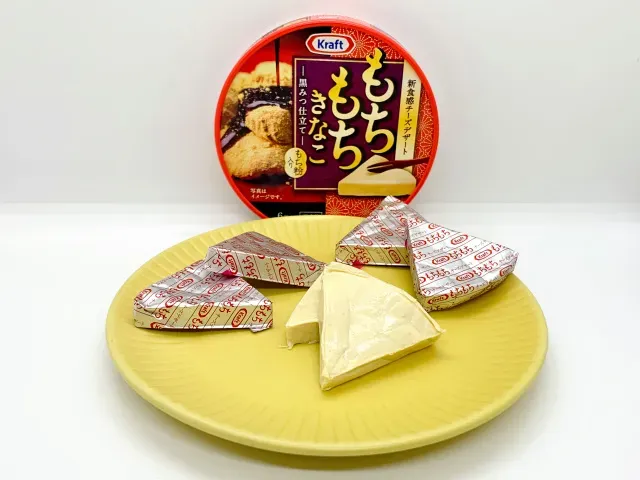
Beyond Cheesecake: What's the Big Deal?
so you're diving into Japanese sweets and wondering about cheese desserts? Forget everything you think you know about New York cheesecake. Japanese cheese desserts are often a different beast entirely. They tend to be lighter, fluffier, and less dense than their Western counterparts. Think airy soufflé cheesecakes that wobble when you touch them, or rich, creamy tarts with a delicate balance of sweet and tangy. It's not just about the heavy, solid block of cheese; it's about texture, subtle flavors, and often, presentation.
Walk into a depachika (department store basement food hall) in Tokyo, and you'll see displays that look like edible art. Small, perfect cheese tarts, often baked fresh, their centers slightly gooey. Chilled cheese mousses in elegant glasses. Even things like cheese-filled mochi or savory-sweet cheese buns show up. The Japanese approach takes cheese and elevates it, making it a star ingredient in delicate, often visually stunning, creations.
Texture is King: The Soufflé Sensation
One of the most iconic Japanese cheese desserts is the soufflé cheesecake. This isn't your average heavy dessert. It's made with egg whites whipped to stiff peaks, folded gently into a cream cheese batter, and then baked slowly, often in a water bath. The result? A cake that’s incredibly light, almost cloud-like. It melts in your mouth rather than sitting heavy in your stomach.
Then there are the cheese tarts, particularly those from places like BAKE Cheese Tart, which became famous globally. These feature a crisp, buttery tart shell filled with a creamy, slightly tangy cheese filling that's often served warm, giving that delightful contrast of textures and temperatures. It's this focus on how a dessert *feels* to eat, not just how it tastes, that sets many Japanese cheese desserts apart.
Popular Japanese Cheese Dessert Types:
- Soufflé Cheesecake
- Baked Cheese Tart
- Rare (No-Bake) Cheesecake
- Cheese Mousse
- Cheese Cream Puffs
Not Always Cream Cheese: The Flavor Palette
While cream cheese is a common base, Japanese cheese desserts aren't limited to it. Sometimes they incorporate mascarpone for richness, ricotta for lightness, or even local cheeses. The sweetness level is often more subdued than in Western desserts, allowing the natural tang and creaminess of the cheese to shine through. You might find variations with green tea (matcha), yuzu citrus, or seasonal fruits, adding layers of uniquely Japanese flavor to the cheese base. It's a constant evolution, with chefs and bakeries experimenting with new combinations.
Finding Halal Cheese Dessert Options in Japan
Finding Halal Cheese Dessert Options in Japan
The Halal Hunt: More Complex Than It Looks
so you've tasted or at least seen the amazing Japanese cheese desserts, and now the big question hits: where do you findFinding Halal Cheese Dessert Options in Japan? This isn't as simple as just grabbing something that looks like cheesecake. Japan, while increasingly accommodating to Muslim travelers, doesn't have halal certification plastered on everything in a typical bakery or convenience store. Many seemingly innocent sweets can contain hidden non-halal ingredients. We're talking about things like pork-derived gelatine used for setting mousses or cheesecakes, alcohol in vanilla extract or flavorings, or even certain emulsifiers derived from non-halal sources. It means you can't just assume a cheese tart is okay because it doesn't have meat in it. You have to look closer, ask questions, and sometimes, do a bit of digging.
QBB's EMINA: A Leader in Halal Cheese for Japan and Beyond
QBB's EMINA: A Leader in Halal Cheese for Japan and Beyond
Stepping Up for Halal Consumers
so finding halal cheese desserts in Japan feels tough, right? Most mainstream Japanese companies weren't really focused on this niche for a long time. But then you have companies like QBB (Rokko Butter Co., Ltd.), a major player in Japan's processed cheese market. They've been around forever, known for their little block cheeses. While their standard lineup might use ingredients that aren't halal-certified, they recognized a growing need, not just within Japan's increasing Muslim population and visitors, but also in export markets with large Muslim communities. This wasn't just a charitable act; it was a smart business move seeing a gap in the market. They decided to tackle the challenge of producing cheese products that meet strict halal standards, which is way more involved than just skipping pork.
This isn't just about ticking a box. Achieving halal certification requires rigorous processes, from sourcing ingredients that are permissible under Islamic law to ensuring no cross-contamination occurs during manufacturing. For a large-scale food producer like QBB, this meant potentially adjusting supply chains, cleaning protocols, and even production lines. It's a significant investment, showing a commitment to serving consumers who adhere to halal dietary guidelines. This is where their EMINA brand comes into the picture, specifically designed to cater to these markets and needs.
EMINA: The Halal Answer for Cheese Lovers
Enter EMINA. This is QBB's dedicated brand for halal-certified cheese products. They didn't just slap a halal sticker on their existing items; they developed specific products under this name, ensuring compliance from the ground up. EMINA products are manufactured in facilities that meet halal requirements, often involving joint ventures in countries with established halal ecosystems, like Indonesia. This allows them to produce cheese that is genuinely permissible for Muslim consumption, opening up possibilities for enjoying dairy products, including those used in desserts.
The EMINA line aims to provide the same quality and taste QBB is known for, but within halal parameters. While their range might vary by region, the core idea is to offer reliable, certified cheese options. For someone searching forcheese dessert japan halalchoices, knowing that a major, reputable company like QBB is producing halal cheese under the EMINA brand is a game-changer. It means the foundational ingredient for many cheese desserts is available in a compliant form, paving the way for bakeries or individuals to create halal versions.
What does Halal Certification for Cheese Consider?
- Ingredients (e.g., rennet source - animal or microbial)
- Additives and Emulsifiers
- Flavorings and Extracts (checking for alcohol)
- Manufacturing process cleanliness
- Prevention of cross-contamination
Navigating the World of Halal Cheese Dessert Japan: Tips for Travelers
Navigating the World of Halal Cheese Dessert Japan: Tips for Travelers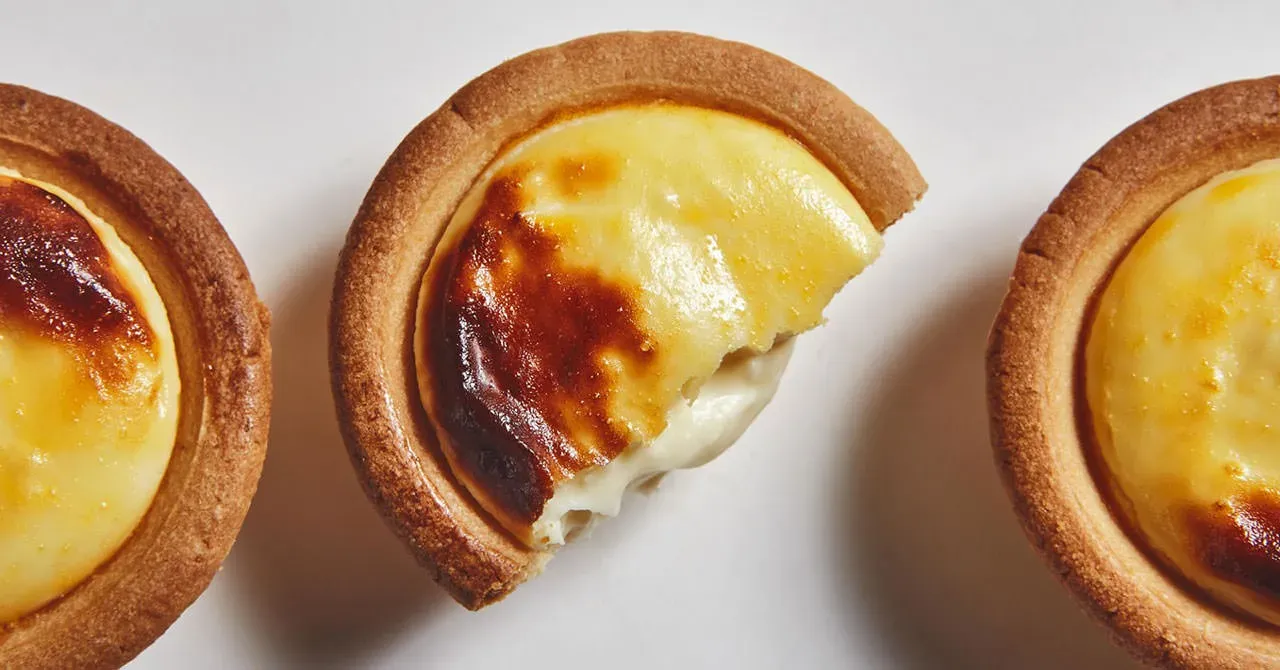
Tips for Finding Your Sweet, Halal Fix
Alright, so you're in Japan, you've got a craving forcheese dessert japan halal, and you know it's not always easy to find. Don't despair, but also, don't just grab the first cute-looking tart you see. The best approach is to be proactive. Look for establishments specifically advertising themselves as Muslim-friendly or halal-certified. Websites and apps dedicated to halal dining in Japan are your absolute best friends here; they often list bakeries or cafes that use halal ingredients or have specific halal menus. Don't be shy about asking staff directly about ingredients, even if there's a language barrier – having translation apps ready helps immensely. Remember, even if a place doesn't have a full halal certification, they might offer specific items made without gelatine or alcohol, especially if they cater to international visitors or have a clear ingredient list available.
Here are some practical steps:
- Check Halal restaurant/shop directories online (e.g., Halal Gourmet Japan).
- Look for signs or certificates indicating Muslim-friendly or Halal status.
- Utilize translation apps to ask about ingredients like gelatine, alcohol, or animal-derived emulsifiers.
- Focus on larger cities or tourist areas, which tend to have more options.
- Consider purchasing halal-certified ingredients (like EMINA cheese) to make your own simple desserts if you have access to a kitchen.
Finding Your Halal Sweet Spot in Japan
So, is finding cheese dessert in Japan that's also halal a walk in the park? Not always. It requires diligence, label checking, and knowing which brands are making an effort. We've seen that while traditional Japanese sweets might pose challenges, companies like QBB stepping up with dedicated halal lines under brands like EMINA are changing the landscape. The options are growing, albeit slowly. It's less about stumbling upon treats and more about targeted searching. Keep your eyes open, do your homework, and you might just find that creamy, compliant cheese dessert you've been looking for.