Table of Contents
Thinking about cheese usually brings to mind savory dishes or a nice board with crackers and wine. But hold on – cheese also happens to be a secret weapon in the world of desserts. It adds a creamy texture, a subtle tang, or even a rich depth that balances sweetness in ways sugar alone can't. From classic cheesecakes to lesser-known treats, cheese makes dessert truly special. If you've ever felt intimidated by the idea of baking or creating something sweet with cheese, you're not alone. Many people wonder where to start. This guide is designed to demystify the process. We're going to dive deep into the essential cheese dessert ingredients and procedure you need to know. We'll cover the types of cheese that work best, the other crucial components, and walk you through the steps to create delicious cheesy desserts right in your own kitchen. Get ready to unlock a whole new level of dessert making.
Why Cheese Belongs on Your Dessert Plate
Why Cheese Belongs on Your Dessert Plate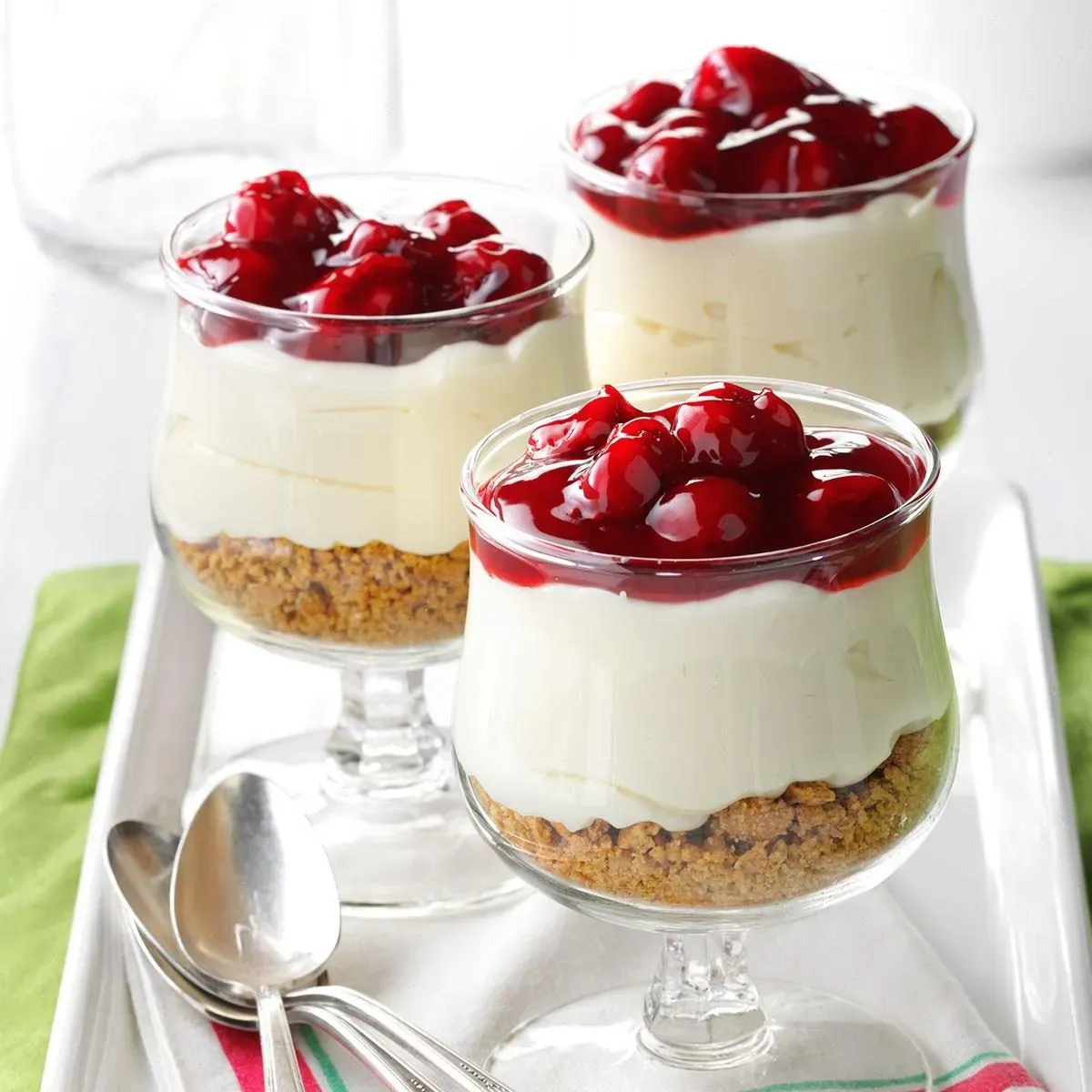
More Than Just a Savory Staple
so you're thinking, cheese? For dessert? Absolutely. Forget the idea that cheese is just for crackers or melting on pizza. When you bring cheese into the dessert world, it does something magical. It cuts through cloying sweetness, adds incredible richness, and gives textures you just can't get otherwise. Think about a cheesecake – that creamy, slightly tangy base is pure dairy goodness. Or a ricotta fritter, light and airy. Even a sharp cheddar can pair beautifully with apples in a pie, creating a sweet and savory dance on your tongue. It's about balance, complexity, and frankly, making desserts way more interesting than just sugar bombs.
Essential Cheese Dessert Ingredients You Need
Essential Cheese Dessert Ingredients You Need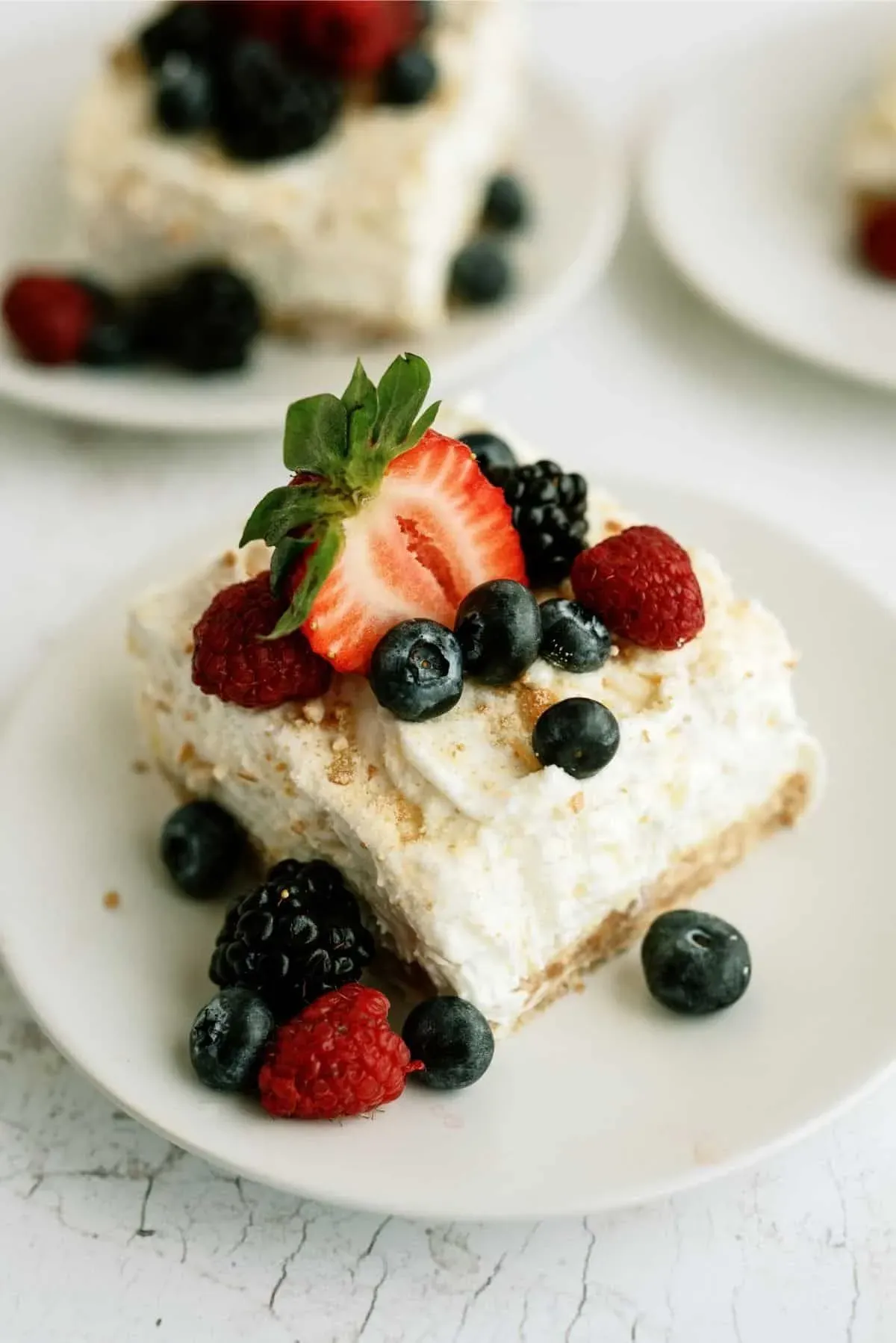
Picking Your Star Cheese Player
Alright, so you're sold on the idea of cheese for dessert. Great. Now, what cheese? You can't just grab any block from the fridge and expect magic. For most creamy, dreamy cheese desserts, you're usually looking at a few key players. Cream cheese is the absolute MVP for cheesecakes, obviously. It gives you that dense, smooth richness everyone loves. Then there's ricotta, especially whole-milk ricotta. It's lighter, a bit grainy sometimes, but fantastic in things like Italian pastries or light tarts. Mascarpone is the super-rich, spreadable Italian cousin, essential for Tiramisu but also amazing in frostings and no-bake desserts. These aren't your sharp cheddars or stinky blues; they're milder, creamier cheeses built for sweetness.
Beyond the Cheese: Supporting Cast Members
cheese is the headliner, but it needs a good band. The other essential cheese dessert ingredients are pretty standard baking stuff, but quality matters. You'll need sugar, of course, usually granulated or confectioners' sugar depending on the texture you're after. Eggs are crucial for structure and richness, especially in baked goods like cheesecake – they help set everything up. Heavy cream or sour cream often show up to add moisture and tang, making the dessert incredibly smooth. Don't forget flavor! Vanilla extract is a must, and things like lemon zest, other citrus, or even a pinch of salt can really make the cheese flavor pop and keep things from being one-dimensionally sweet.
- Cream Cheese: The cheesecake classic, provides density and tang.
- Ricotta: Lighter texture, great for fillings and fritters.
- Mascarpone: Italian richness, perfect for creamy, no-bake recipes.
- Eggs: Provide structure and richness in baked desserts.
- Heavy Cream/Sour Cream: Adds moisture, smoothness, and balancing tang.
- Sugar: Sweetness, obviously, but also affects texture.
- Flavorings: Vanilla, citrus zest, salt to enhance and balance.
Mastering the Cheese Dessert Procedure
Mastering the Cheese Dessert Procedure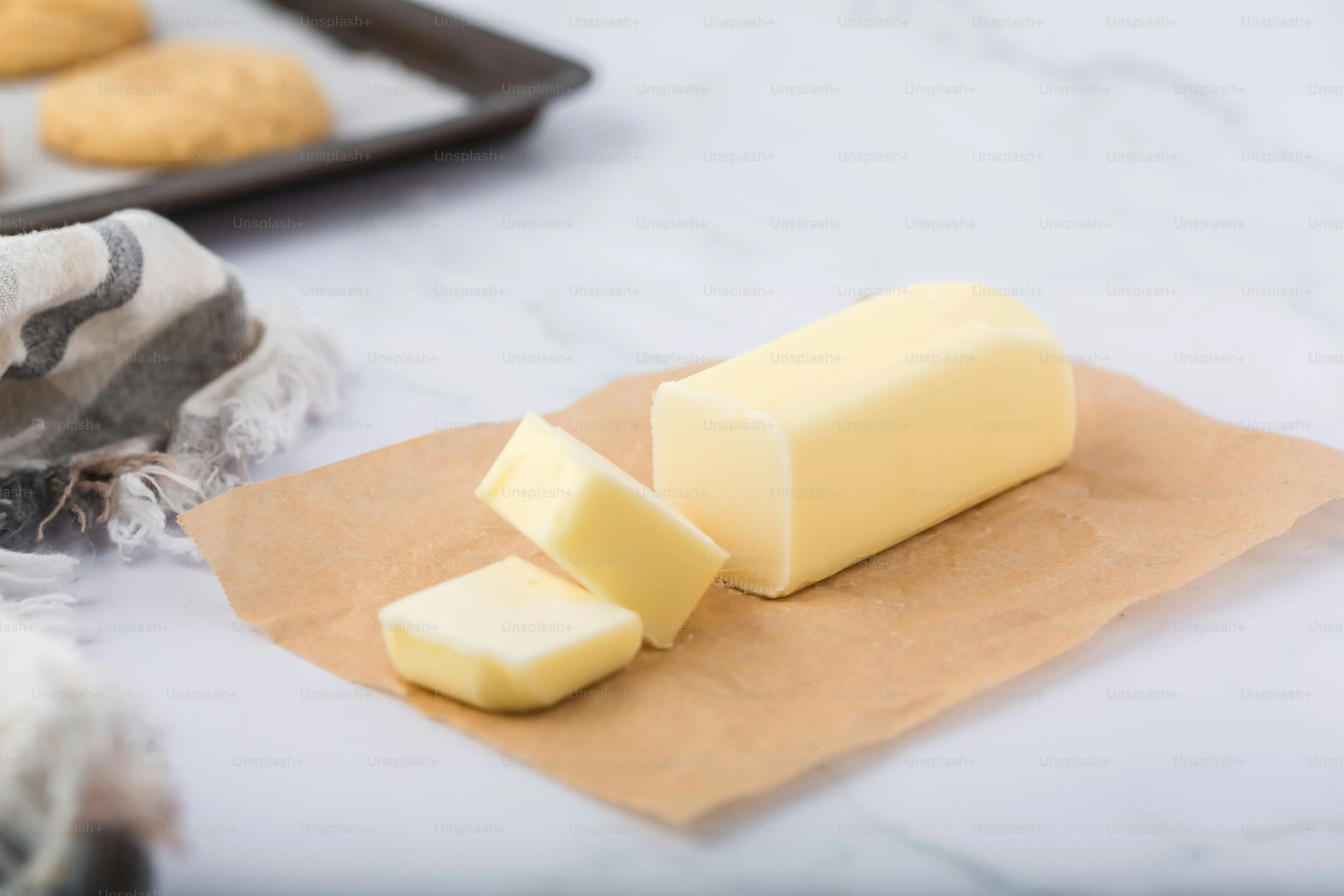
Getting Started: Prep and Mixing Magic
so you've got your stellar cheese and your supporting cast of ingredients. Now comes the fun part: putting it all together. The procedure for cheese desserts really depends on what you're making, but some fundamentals apply. For things like cheesecake, getting your cream cheese to room temperature is non-negotiable. Seriously. Cold cream cheese means lumps, and nobody wants lumpy cheesecake. You'll usually start by creaming the cheese with sugar until it's smooth, then add eggs one at a time, mixing just until combined. Overmixing is the enemy here; it can whip too much air in, leading to cracks later. For lighter desserts using ricotta or mascarpone, the mixing might be gentler, often just folding in whipped cream or egg whites to maintain that airy texture.
Baking, Chilling, and the Waiting Game
Once your mixture is ready, the next steps in the cheese dessert procedure involve heat or cold. Baked cheese desserts, especially cheesecakes, often benefit from a water bath. This provides gentle, even heat and prevents that dreaded dry, cracked top. It's an extra step, sure, but it makes a difference. Baking times and temperatures are critical; follow the recipe closely and resist the urge to open the oven door constantly. For no-bake desserts, chilling is your best friend. These rely on refrigeration to set up properly. Give them ample time in the fridge – often several hours or even overnight. Rushing the chilling means a sad, unset dessert. Patience is a key ingredient here.
Here are a few procedural points to keep in mind:
- Always use room temperature cheese for smooth mixing.
- Mix eggs in gently, one at a time, to avoid over-aerating the batter.
- Consider a water bath for baked cheesecakes to ensure even cooking.
- Chill no-bake desserts thoroughly for proper setting.
- Resist peeking in the oven during baking for consistent results.
Tips, Tricks, and FAQs for Your Cheese Dessert Journey
Tips, Tricks, and FAQs for Your Cheese Dessert Journey
Tips, Tricks, and FAQs for Your Cheese Dessert Journey
you've got the ingredients squared away and a handle on the basic procedure. Now, let's talk about the little things that make a big difference when you're tackling cheese desserts. First off, don't rush the cooling. Cheesecake needs hours, sometimes overnight, to set up properly and develop its flavor. Pulling it out too soon is a rookie mistake and usually results in a sad, wobbly mess. Also, pay attention to your oven temperature – too high and you get cracks; too low and it never sets. If you're using a water bath, make sure your springform pan is wrapped *tightly* in foil; a soggy crust is nobody's friend. And hey, don't be afraid to experiment a little once you've mastered the basics. Swap out vanilla for almond extract, add some citrus zest, or swirl in a fruit compote before baking. The more you make them, the better you'll get a feel for the texture and timing.
Ever wonder why your cheesecake cracked? Usually, it's a combination of overmixing (too much air), baking at too high a temperature, or cooling too quickly. Try baking it in a water bath and letting it cool *gradually* in the oven with the door propped open before moving it to the fridge.
Common Questions About Cheese Desserts:
- Can I use low-fat cream cheese? You can, but the texture won't be as rich or smooth. For best results, stick to full-fat.
- How do I know when my cheesecake is done? The edges should look set, maybe slightly puffed, but the center should still be a little jiggly when you gently nudge the pan. It will firm up as it cools.
- My ricotta is too wet for a filling. What do I do? Drain it! Place the ricotta in a cheesecloth-lined sieve over a bowl and let it sit in the fridge for a few hours or overnight to get rid of excess moisture.
- What's the difference between using heavy cream and sour cream? Heavy cream adds pure richness and smoothness. Sour cream adds richness *plus* a pleasant tang that cuts sweetness and adds moisture without thinning the batter too much.
Your Sweet Ending with Cheese
So there you have it. Cheese isn't just for your main course or snack time. It's a versatile player in the dessert game, capable of adding dimension and richness that straight sugar just can't replicate. We've walked through the necessary cheese dessert ingredients and procedure, from picking the right cheese to understanding the basic steps that turn simple components into something truly satisfying. Don't overthink it; start with a classic like a simple cheesecake or a creamy mousse. Get your hands dirty, see how the cheese behaves, and adjust as you go. The world of cheese desserts is vast, and mastering the fundamentals gives you the keys to explore it. Now go forth and make something delicious.