Table of Contents
Think Indian desserts, and maybe rich, syrupy gulab jamun or flaky jalebi come to mind. But cheese? In a dessert? Absolutely. The world of Indian sweets holds a delightful surprise: the cheese dessert indian, with Rasmalai leading the charge. Forget cheesecake or tiramisu; this is something else entirely. Originating from Bengal, Rasmalai isn't just cheese thrown into something sweet. It's a careful craft, transforming fresh cheese curds into soft, spongy spheres. These little wonders then float in a bath of thickened, sweetened milk infused with cardamom and saffron. It sounds simple, maybe even a bit odd if you're new to it, but the result is a texture and flavor combination that's both delicate and incredibly satisfying. In this article, we'll dive into why Rasmalai is such a beloved cheese dessert indian, break down the steps to making it yourself (because yes, you can!), offer some real-world tips to avoid the common pitfalls, and point you towards where you might find this sweet treasure.
Rasmalai: Why This Indian Cheese Dessert Reigns Supreme
Rasmalai: Why This Indian Cheese Dessert Reigns Supreme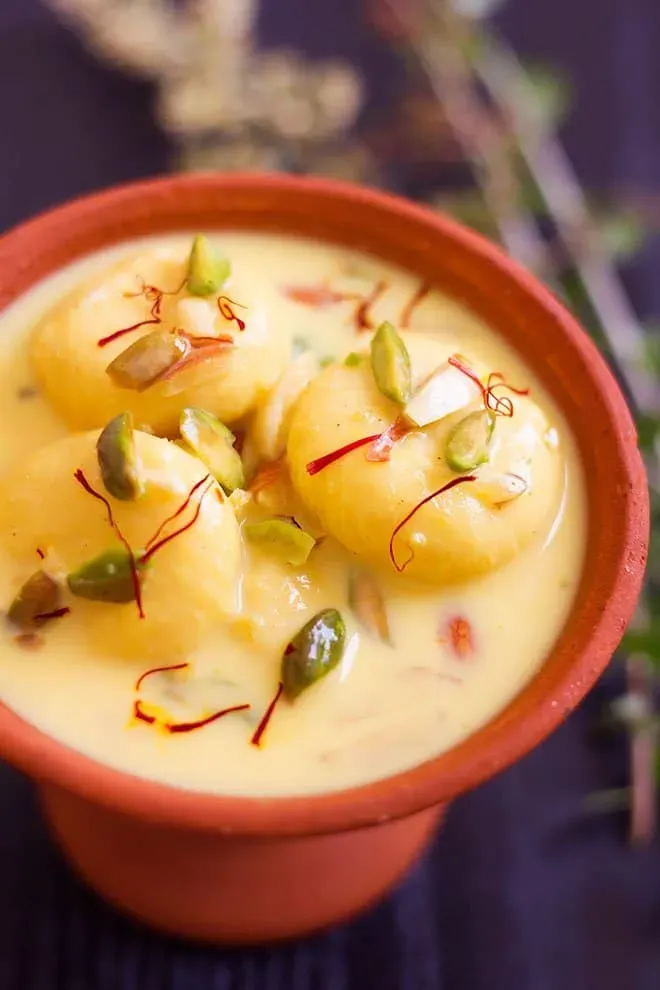
Texture and Taste: A Delicate Balancing Act
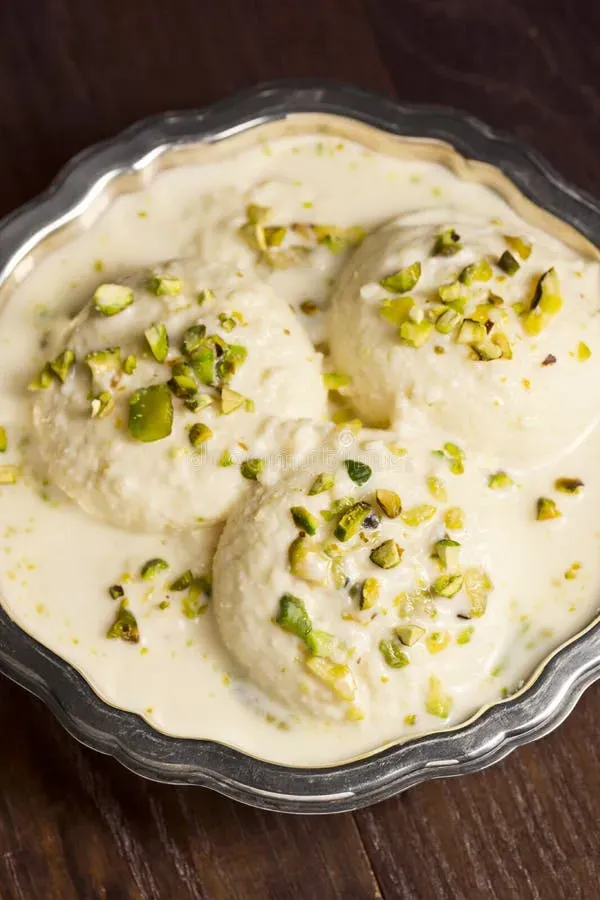
Let's be honest, when you hear "cheese dessert," your mind probably doesn't jump straight to India. But Rasmalai flips that script entirely. Its reign isn't accidental; it's built on a foundation of utterly unique texture and flavor. Unlike dense, heavy Western cheese desserts, Rasmalai offers a delicate, spongy bite. Imagine little clouds made of fresh cheese, cooked just right so they absorb the luxurious milk bath they swim in. That milk isn't just plain liquid; it's slow-simmered, thickened slightly, and perfumed with warm cardamom and vibrant saffron. The sweetness is usually dialed back compared to some other Indian sweets, allowing the subtle richness of the milk and the fresh cheese to shine through. It’s less of a sugar rush and more of a gentle, aromatic embrace.
- Soft, spongy cheese curds
- Creamy, aromatic milk sauce
- Infused with cardamom and saffron
- Subtly sweet, not overwhelming
More Than Just Dessert: A Cultural Icon
Rasmalai isn't just something you grab after dinner; it holds a special place in the hearts of many, particularly in Bengal where it originated. It’s the go-to sweet for celebrations, festivals, and welcoming guests. Offering a bowl of chilled Rasmalai is a gesture of warmth and hospitality. Growing up, it was the dessert you looked forward to during Diwali or a family gathering. There’s a certain comfort in that familiar, delicate flavor. It's a sweet that feels both elegant and homey at the same time, a rare combination. This cultural weight, combined with its distinct taste profile, elevates Rasmalai beyond just another sweet dish; it’s an experience, a memory, a piece of tradition served cold.
Occasion | Significance |
|---|---|
Diwali | Festive celebration sweet |
Weddings | Part of celebratory feasts |
Welcoming Guests | Gesture of hospitality |
Family Gatherings | Comforting traditional treat |
Crafting the Perfect Rasmalai: Your Guide to This Classic Cheese Dessert Indian Style
Crafting the Perfect Rasmalai: Your Guide to This Classic Cheese Dessert Indian Style
Starting with Chenna: The Heart of Your Cheese Dessert Indian
Making Rasmalai at home might sound intimidating, but it starts with something surprisingly simple: fresh cheese curds, known as chenna or paneer. You can buy it ready-made, but for the absolute best texture in your cheese dessert indian, making it yourself is key. It's not complicated; you curdle milk using a bit of lemon juice or vinegar, then drain the whey. The magic happens next – kneading. You can't just use the crumbly cheese you'd put in a curry. This needs serious elbow grease. You're aiming for a smooth, lump-free dough. Think about working bread dough, but softer. This step is non-negotiable; if your chenna isn't smooth and pliable, your Rasmalai balls will crack and fall apart when they cook. It's the foundation, so get it right.
Cooking the Cheese Balls: The Syrup Swim
Once your chenna is perfectly kneaded, you gently roll it into small, smooth balls. No cracks allowed! Now, these aren't fried; they're cooked by simmering in a simple sugar syrup. This is where they puff up and become spongy. The trick is to cook them long enough for them to absorb the syrup and become light, but not so long they turn tough. A wide pot with plenty of syrup is crucial so they have room to expand. It's a delicate balance, like trying to perfectly time toast in a wonky toaster – takes a bit of practice, but totally doable.
- Knead chenna until smooth
- Roll small, crack-free balls
- Simmer in a wide pot of sugar syrup
- Cook until puffed and spongy
The Creamy Finale: Bathing in Rabri
While your cheese balls are doing their thing in the syrup, you prepare the star liquid: the milk sauce, or rabri. This isn't rocket science, just milk slow-simmered and reduced slightly until it's creamy. You sweeten it, add your fragrant spices – cardamom is a must, saffron gives it that beautiful color and aroma. Some recipes use a touch of cornflour to thicken it faster, which is fine for home cooks. Once the cheese balls are cooked and slightly cooled from the syrup, they get gently squeezed to remove excess sweetness and then transferred to this warm, aromatic milk bath. They soak up the flavors and creaminess, transforming into the delightful cheese dessert indian we crave. Chill it thoroughly before serving; that's when it truly shines.
Tips for Making Your Own Indian Cheese Dessert at Home
Tips for Making Your Own Indian Cheese Dessert at Home
Don't Rush the Chenna Kneading Process
Look, I get it. You're excited to make this amazing Indian cheese dessert, and you want to skip straight to the good part – eating it. But trust me, if there's one place you absolutely cannot skimp, it's kneading the chenna. You need to work those fresh cheese curds until they are smooth as silk, no graininess, no lumps. Think of it like building the foundation of a house; if it's weak, the whole thing falls apart. If your chenna isn't kneaded properly, your carefully rolled balls will disintegrate in the hot sugar syrup. It requires patience, maybe 10-15 minutes of consistent effort by hand, or a few minutes in a food processor if you're feeling modern. Your palms might ache a little, but the payoff is perfectly spongy Rasmalai. It's the difference between a sad, crumbly mess and those ethereal little clouds.
Mind the Syrup Temperature and Ball Formation
Once your chenna is ready and you've rolled your smooth, crack-free balls – and yes, they *must* be crack-free – the next critical step is the sugar syrup. It needs to be at a rolling boil when you gently drop the balls in. If the syrup isn't hot enough, the cheese balls won't cook properly and won't puff up. They'll just sit there, looking sad and dense. Also, overcrowding the pot is a rookie mistake. Give those little guys room to expand; they roughly double in size. Dropping too many in at once drops the syrup temperature too much. Cook them in batches if you have to. It's better to take a little extra time than end up with hard, uncooked centers in your otherwise lovely Indian cheese dessert.
- Knead chenna until completely smooth, like dough.
- Ensure cheese balls have no cracks before cooking.
- Bring sugar syrup to a rolling boil before adding balls.
- Cook cheese balls in batches to avoid overcrowding.
- Maintain syrup temperature throughout cooking.
Where to Find and Enjoy Authentic Indian Cheese Desserts
Where to Find and Enjoy Authentic Indian Cheese Desserts
Seeking Out the Sweet Shop Experience
Alright, you've read about the magic of Rasmalai and other Indian cheese desserts. Now you want the real deal. The most reliable place to find authentic versions is typically an Indian sweet shop, often called a 'mithai shop'. These aren't your average bakeries. They specialize in traditional sweets, and the good ones have been doing it for generations. Look for shops that seem busy, especially around festival times. A strong indicator is seeing locals buying in bulk. Don't be shy; point at what looks good, ask what's fresh. Rasmalai should be served chilled, swimming in that creamy, saffron-tinted milk. If it's warm, or the cheese balls look dense and rubbery, you might want to keep looking. Sometimes, larger Indian restaurants will have a dessert menu that includes Rasmalai, but the dedicated sweet shop is usually where you'll find the masters at work.
Making It Yourself or Spotting Quality
Can't find a decent sweet shop nearby? Don't despair. Making Indian cheese desserts at home, particularly Rasmalai, is entirely possible, as we've discussed. It requires patience, especially with the chenna, but the result is incredibly rewarding and ensures you know exactly what went into it. If you are buying, look for visual cues. The cheese balls should be a clean, off-white color, possibly tinted slightly yellow from saffron in the milk. They should look plump and soft, not hard or shriveled. The milk should be thick enough to coat a spoon but still pourable, not watery or overly gloopy from too much thickener. Trust your senses; a good Rasmalai smells subtly of cardamom and saffron, not just sugar. Finding that perfect bite might take a little searching or a bit of kitchen effort, but that's part of the fun.
What makes a truly great Rasmalai stand out?
- The cheese balls are incredibly soft and spongy.
- The milk is rich, creamy, and perfectly spiced.
- It's served properly chilled.
- The sweetness level is balanced, not overpowering.
The Last Bite: Why Rasmalai Sticks Around
So there you have it. Rasmalai, the quintessential cheese dessert indian, isn't just a sweet; it's a process. It demands patience, a gentle hand with the paneer, and an appreciation for subtlety in its milky bath. It's not a quick fix or a simple dump-and-stir situation. When done right, those soft, porous cheese discs soaking up the fragrant milk are something special. When done wrong, well, you get rubber balls in thin, sweet liquid – a common enough outcome for the impatient. But the effort is precisely why it holds a certain status. It's a classic for a reason, a testament to the fact that sometimes, the best things require a bit of work, offering a quiet, satisfying sweetness that's hard to replicate.