Table of Contents
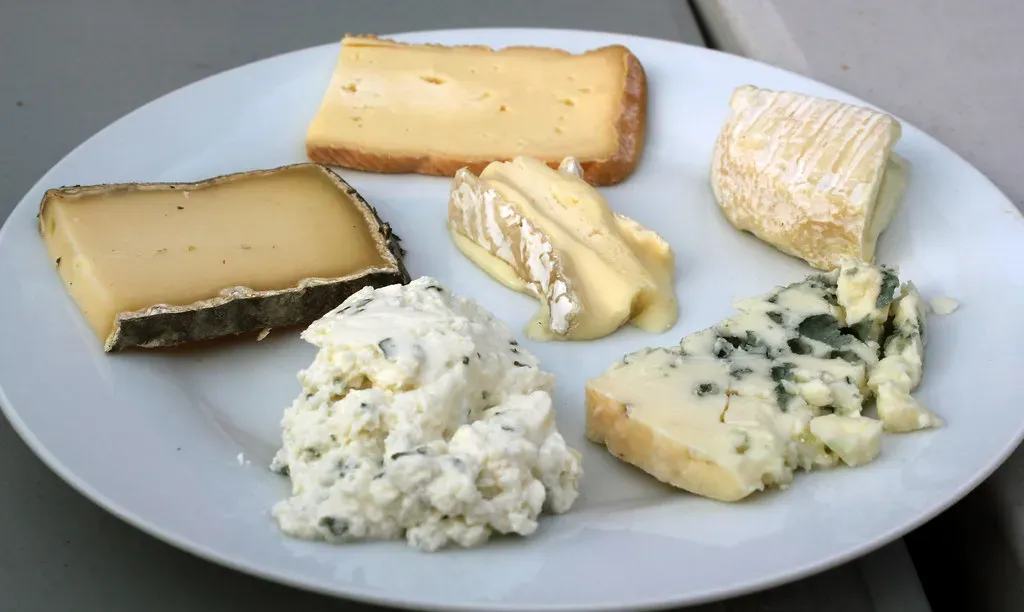
Picture this: you're wrapping up a fantastic meal in France, feeling full and happy. The waiter approaches, and you expect something sweet. Instead, a glorious platter of cheese arrives. Wait, isn't this supposed to be after dessert? The idea of "cheese dessert France" is a common one, but it's not quite accurate. While cheese is absolutely essential to a French meal, its role and timing are specific, and often misunderstood by visitors. This isn't just about shoving some brie in your face; it's a cultural ritual with its own set of unwritten rules. Navigating the French cheese course can feel daunting, from knowing *when* it appears to understanding *how* to approach the board and *what* to do with the rind. Forget everything you thought you knew about cheese as a sweet ending. We're going to unpack the real story behind cheese in France, guiding you through its proper place in the meal, the etiquette of cutting, and whether that "cheese dessert France" notion ever actually holds water. Get ready to learn how to handle the cheese course like you actually belong here.
Why "Cheese Dessert France" Isn't the Whole Story
Why "Cheese Dessert France" Isn't the Whole Story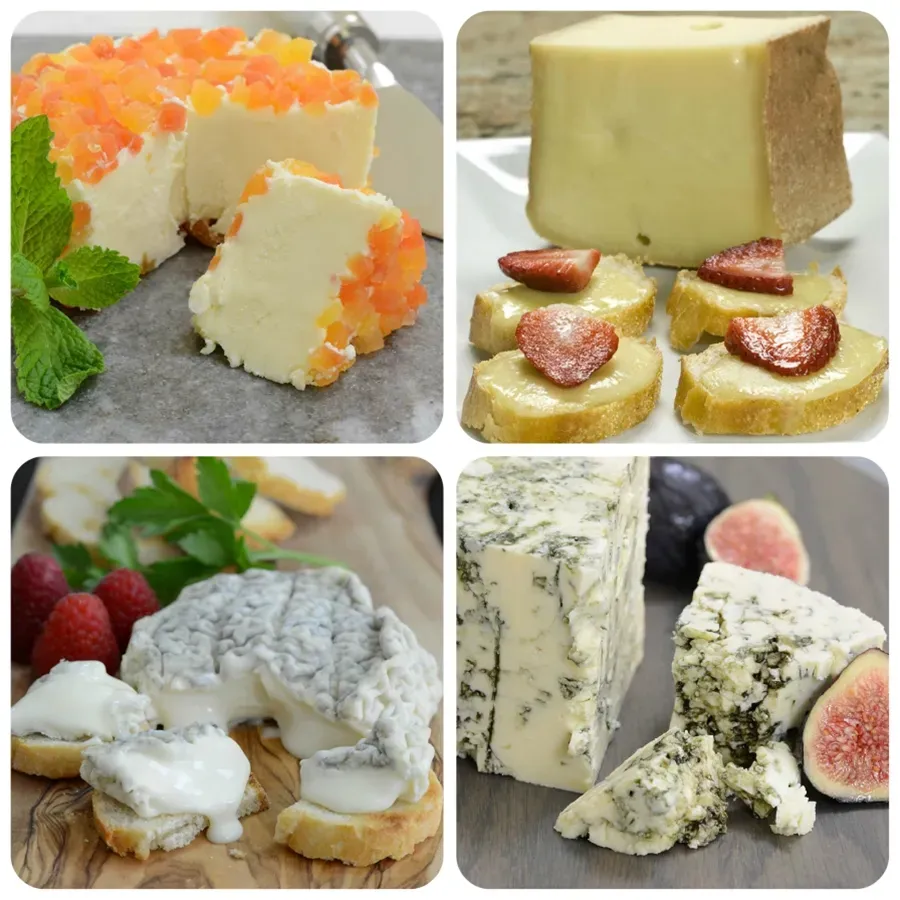
Alright, let's clear the air about this "cheese dessert France" idea. It's one of those persistent myths, like thinking all French people wear berets and striped shirts. While cheese is undeniably a cornerstone of French dining, picturing it as the final, sweet act after a meal is usually missing the mark entirely. You won't typically see folks finishing off their crème brûlée or tarte Tatin with a slice of pungent Roquefort. The French treat cheese with a certain reverence, giving it its own distinct moment in the culinary spotlight, one that precedes the sweet stuff. Think of it less like a dessert and more like a savory interlude, a bridge between the main course and the actual dessert, a palate cleanser that prepares you for sweetness, or sometimes, a standalone course if you're feeling particularly dedicated to dairy.
The True Spot for Cheese on a French Plate
The True Spot for Cheese on a French Plate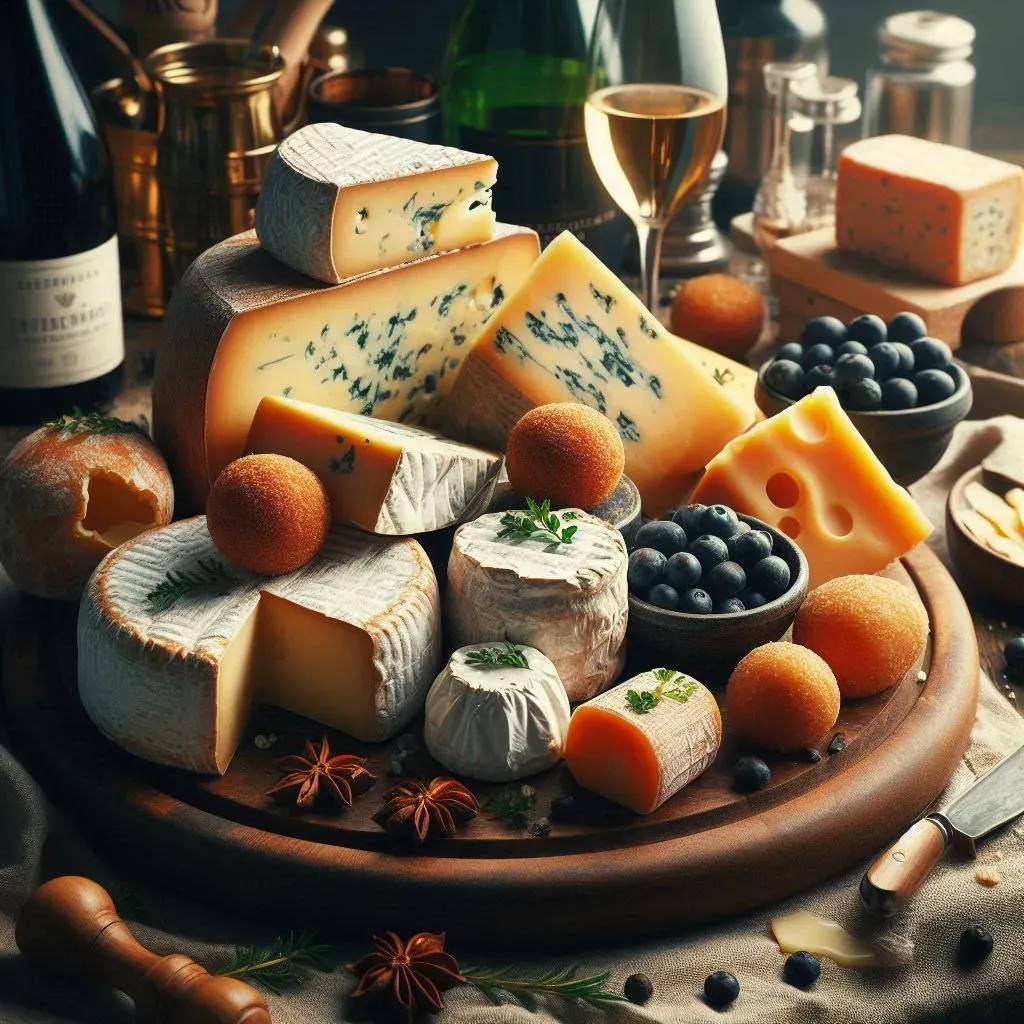
Between the Savory and the Sweet
So, you've finished your boeuf bourguignon or your perfectly cooked fish. You're leaning back, maybe loosening your belt a notch. This is the moment. In France, the cheese course arrives *after* the main dish but *before* the actual dessert. It's not an appetizer, despite what you might see at casual apéros sometimes. It's a distinct phase of the meal, a transition point. Think of it as a savory pause, a chance to appreciate different textures and flavors before diving into sweetness. It’s a deliberate choice, not just a random addition. When you're in a restaurant, the waiter will often bring the cheese board out at this point, or ask if you'd like cheese before dessert. Saying yes means you're ready for this specific part of the French culinary journey, leaving behind the idea of "cheese dessert France" for the moment.
Why This Specific Timing?
Why this particular slot? There are a few reasons. For one, cheese acts as a fantastic palate cleanser. The richness and variety of flavors, from sharp goat cheeses to creamy cow's milk varieties, can reset your taste buds after a substantial main course. It prepares you to fully appreciate the dessert that follows. It also allows the cheese itself to be the star for a few minutes. It's not competing with the main dish, and it's not overshadowed by the sweetness of dessert. It gets its own dedicated attention, a moment to shine. Sometimes, if you're not feeling particularly hungry for a full dessert, the cheese course can even serve as your final savory note before coffee.
- Cheese arrives after the main course.
- It comes before the sweet dessert.
- It acts as a palate cleanser.
- It's a distinct course, not an appetizer or dessert.
- It allows cheese to be appreciated on its own.
Cutting the French Cheese: Rules You Need to Know
Cutting the French Cheese: Rules You Need to Know
The Unspoken Rule: Don't Butcher the Cheese
Alright, you're facing the cheese board. It's a beautiful spread, maybe a round of Camembert, a wedge of Comté, a log of goat cheese. Your first instinct might be to just lop off a chunk. Stop right there. Cutting French cheese isn't a free-for-all; it's an art form, or at least a matter of basic respect for the cheese and the people you're sharing it with. The goal isn't just to get a piece for yourself, but to cut it in a way that leaves a fair portion for everyone else and preserves the integrity of the cheese. Think about it: nobody wants to be the one left with a sad, mangled stub. This is part of the ritual that happens *before* any thought of "cheese dessert France" comes into play. You're participating in a tradition, not just grabbing a snack.
Different Shapes, Different Strokes
How you cut depends entirely on the cheese's shape. A round cheese, like Brie or Camembert, you cut like a pie, slicing wedges from the center outwards. This ensures everyone gets some of the creamy center and some of the rind. For a wedge from a large wheel, like Comté or Gruyère, you cut lengthwise along the rind, then slice across the width. Don't just cut off the tip; that's considered greedy. Logs of goat cheese? Slice rounds. Pyramids? Cut wedges from the top down. The idea is to give everyone an equal chance at enjoying the different parts of the cheese – the gooey, the firm, the rind – without leaving an awkward, unusable mess for the next person. Messing this up is a dead giveaway you're new to the French table before you even get to the dessert.
Cheese Shape | How to Cut | Why |
|---|---|---|
Round (Brie, Camembert) | Cut into wedges from the center. | Ensures everyone gets rind and center. |
Wedge (Comté, Gruyère) | Slice lengthwise along rind, then across. | Distributes rind and inner paste evenly. |
Log (Goat cheese) | Slice into rounds. | Simple, fair portions. |
Pyramid (Valençay) | Cut wedges from the top down. | Maintains shape, fair distribution. |
Navigating the French Cheese Board Before Dessert
Navigating the French Cheese Board Before Dessert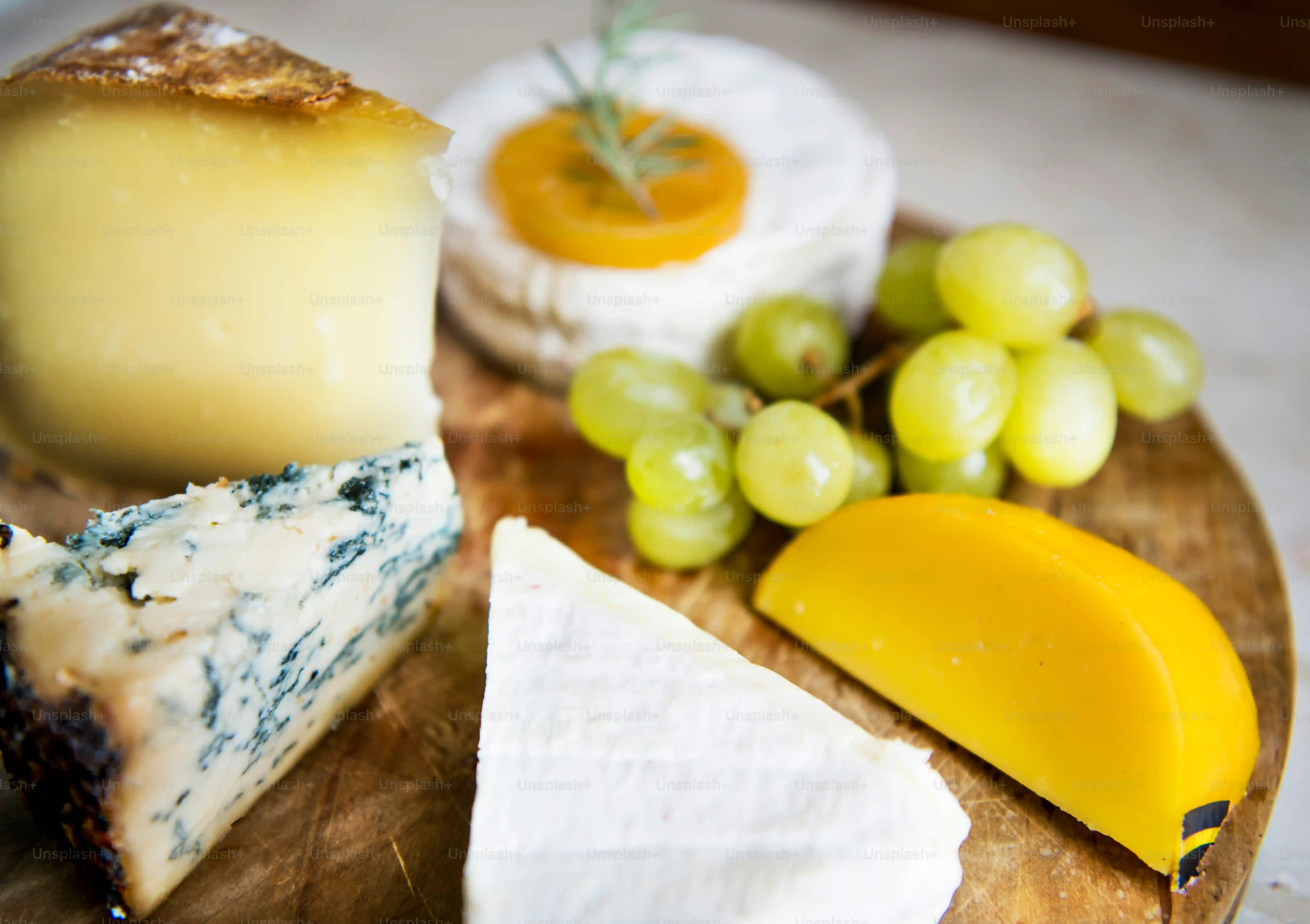
Approaching the Array: Where to Begin
Alright, you've mastered the cutting (hopefully). Now you're faced with this beautiful, sometimes overwhelming, selection of cheeses. Where do you even start? Think of the cheese board as a journey, not a sprint. The general wisdom, and what most French folks do without even thinking, is to go from the mildest cheeses to the strongest. This is crucial because if you start with a powerful blue cheese, your palate will be blown out, and you won't taste the subtle nuances of a delicate goat cheese or a young Comté. Scan the board. Look for the fresh cheeses, the soft whites, the firmer but not-too-aged varieties. These are your starting points. It’s about building up the flavor intensity, ensuring you appreciate each cheese for what it is, long before anyone starts thinking about "cheese dessert France."
The Order of Operations: Mild to Mighty
So, you start mild. Maybe a chèvre frais, a gentle goat cheese, or a young, creamy Camembert. Then move to the semi-hard cheeses, like a Cantal or a Morbier with its distinctive ash line. After that, you can tackle the aged, harder cheeses like Comté or Beaufort, which offer nutty, complex flavors. Finally, if you're feeling brave and your company is too, you move onto the pungent washed-rind cheeses like Epoisses (which smells like a barnyard but tastes divine) and the blues like Roquefort. This progression isn't just snobbery; it's practical. It allows your taste buds to adapt and appreciate the full spectrum of flavors presented. Skipping straight to the Roquefort is like watching the end of a movie first – you miss all the build-up.
Remember the path:
- Fresh/Mild Goat or Cow's Milk Cheeses
- Soft Ripened Cheeses (like Camembert, Brie)
- Semi-Hard Cheeses (like Cantal, Morbier)
- Hard Aged Cheeses (like Comté, Beaufort)
- Washed Rind Cheeses (like Epoisses, Maroilles)
- Blue Cheeses (like Roquefort, Bleu d'Auvergne)
When French Cheese Can Stand in For Dessert
When French Cheese Can Stand in For Dessert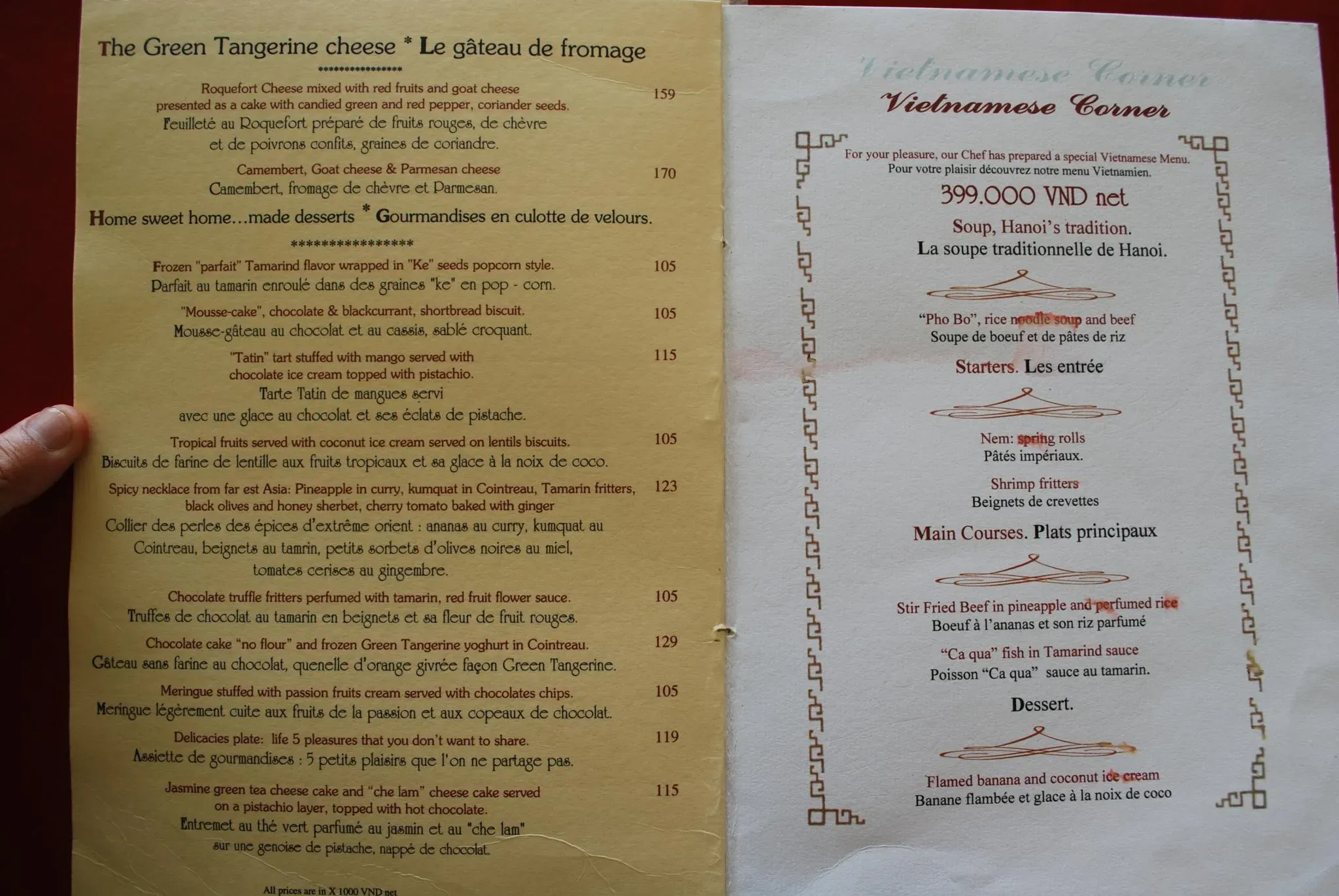
When Cheese Becomes the Final Act
so we've established that "cheese dessert France" isn't the standard practice. Cheese usually comes *before* the sweet stuff. However, there are times when cheese can indeed serve as your final savory note, effectively taking the place of a traditional dessert. This often happens in more casual settings, or if you're simply not a big fan of sweets. Sometimes, a meal is so rich and satisfying that a heavy dessert feels like overkill. In these instances, finishing with a selection of cheese, perhaps paired with some fruit or nuts, provides a satisfying conclusion without the sugar rush. It's a less common scenario in formal dining, but certainly acceptable, and for many, a preferred way to end a meal, leaning into the savory side rather than the sweet "cheese dessert France" expectation.
Consider cheese as your final course when:
- You've had a very rich main dish.
- You don't have a strong sweet tooth.
- It's a more casual meal setting.
- You prefer savory flavors to finish.
- You're offered the choice and opt out of the sweet dessert.
Wrapping Up the French Cheese Question
So, the next time you're dining in France, remember that "cheese dessert France" isn't typically the script. Cheese holds its own distinct place, usually arriving after the main course but before anything sweet. It's a moment to savor regional varieties, appreciate craftsmanship, and engage with a cornerstone of French gastronomy. Understanding the simple rules – like how to slice properly and when to eat the rind – shows respect for the tradition. While there might be rare, casual instances where cheese finishes a meal, the classic French way puts it firmly before the final sweet bite. Master this, and you're one step closer to navigating the French table like a seasoned pro.