Table of Contents
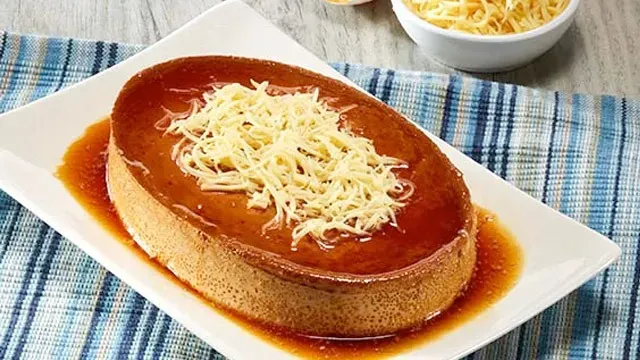
let's talk about cheese. Specifically, cheese in dessert. For some, the idea might sound, well, *wrong*. Cheese belongs on a charcuterie board or melted on a burger, right? But if you've ever dipped a plain biscuit in cream cheese or added a sprinkle of salt to chocolate chip cookies, you've had a hint of the magic that happens when sweet meets savory. In the Philippines, this isn't just a hint; it's a full-blown love affair, particularly when it comes to the delightful world of **cheese dessert Filipino**. Forget everything you thought you knew about dessert rules.
Unpacking the Filipino Cheese Dessert Craze
So, you're wondering why Filipinos put cheese in everything sweet? It's not some random quirk; it's deeply rooted in the culture's palate, which genuinely appreciates the dynamic tension between flavors. Think about it: the intense sweetness of condensed milk or sugar finds a perfect counterpoint in the salty, sometimes sharp, tang of cheese. This isn't a new fusion trend; it’s been part of the culinary landscape for generations, showing up in everything from humble street food to elaborate holiday pastries. It’s less about being *different* and more about balancing the experience, creating a complexity that a purely sweet dessert just can't achieve on its own.
More Than Just Sweet: Why Cheese Works in Filipino Desserts
More Than Just Sweet: Why Cheese Works in Filipino Desserts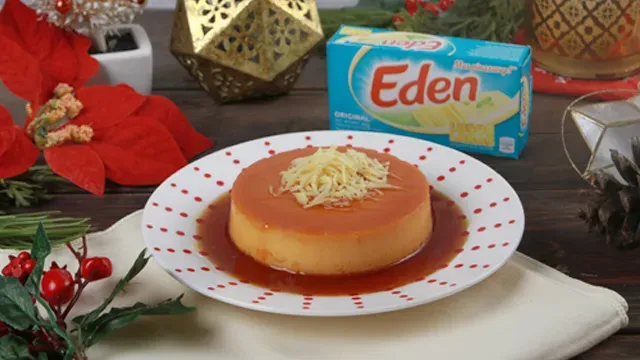
The Science of Sweet and Salty Harmony
Look, your taste buds aren't confused; they're getting a party. The reason cheese dessert Filipino hits different is the fundamental principle of contrast. Sugar slams your palate with sweetness. Add a touch of salt, and suddenly, that sweetness isn't just *sweet*; it's *amplified*, more complex. It's like turning the volume up on the good parts. Cheese, especially the types commonly used in Filipino desserts, brings that salty element, often with a creamy, slightly acidic or fermented note that cuts through the richness of condensed milk, butter, or sugar. It provides balance, stopping the dessert from becoming cloyingly sweet and giving you a reason to go back for a second bite (or third, no judgment here).
Adding Depth Beyond Flavor
It's not just about the taste; texture plays a huge role. Think about a fluffy ensaymada. It's soft, airy bread, but the grated cheese on top adds a slightly chewy, sometimes even a bit grainy, element. Or consider the density cheese brings to a baked cheese bar; it transforms a simple sweet cake into something substantial, almost fudgy. This textural interplay makes the dessert more interesting to eat. It’s the difference between a one-note song and a full orchestra – cheese adds that extra layer of instrumentation.
Here are a few ways cheese enhances Filipino desserts:
- Provides a salty counterpoint to intense sweetness.
- Adds richness and creaminess.
- Introduces textural variety (chewy, grainy, smooth).
- Offers a subtle tang or fermented note for complexity.
- Creates a more balanced, less overwhelming dessert experience.
The Right Cheese for the Job
Now, we're not talking about some fancy aged Gouda here. The magic in many cheese dessert Filipino recipes often comes from specific, often processed, cheeses. Eden cheese, a processed filled cheese product, is practically synonymous with these treats. Its mild, slightly salty flavor and easy-to-melt texture make it perfect for grating on top of ensaymada or mixing into batters. Queso de Bola, the local Edam cheese, is also a favorite, offering a firmer texture and a distinct, slightly nutty saltiness that's fantastic grated over bibingka or ensaymada. These aren't cheeses meant for a wine pairing; they're designed to complement the specific flavors and textures of Filipino sweets.
Decoding Classic Filipino Cheese Desserts
Decoding Classic Filipino Cheese Desserts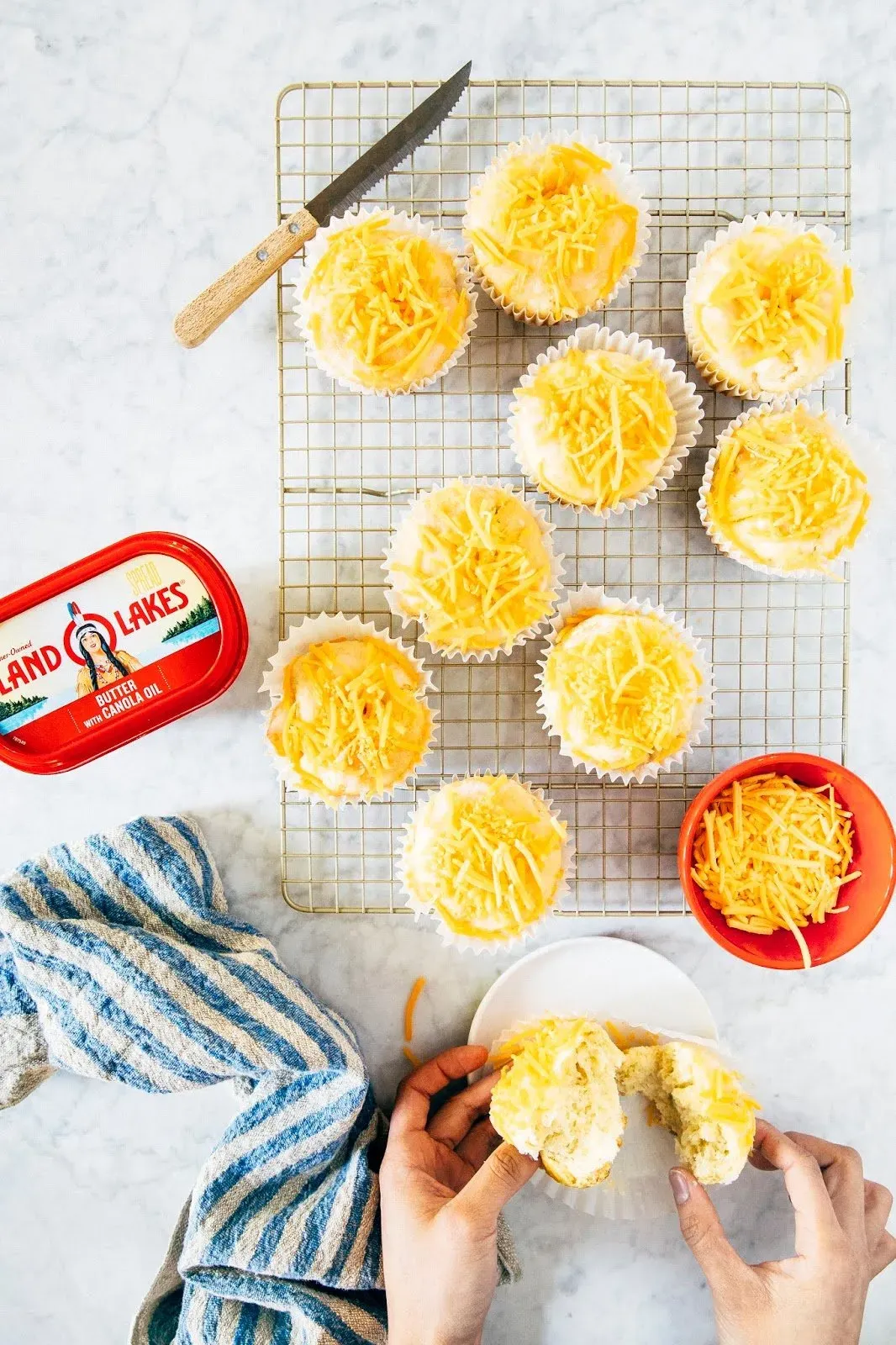
Meet the Stars of Filipino Cheese Desserts
Alright, let's get down to brass tacks and talk about the heavy hitters in the cheese dessert Filipino lineup. First up, the undisputed champion: Ensaymada. This isn't just any sweet bread. It's a brioche-like coil, soft and buttery, typically brushed with more butter (because why not?) and then absolutely *covered* in grated cheese and sprinkled with sugar. The contrast is incredible – the rich, slightly sweet bread, the salty, sharp cheese, and the granulated sugar creating a subtle crunch. It’s a breakfast pastry, a merienda (snack) staple, and frankly, acceptable at any hour. Then there are Cheese Bars, dense, almost brownie-like squares where cheese is baked right into the batter, creating a chewy, sweet-and-salty bite that's surprisingly addictive.
Beyond the Usual Suspects: Exploring More Cheesy Treats
But the cheese dessert Filipino party doesn't stop with ensaymada and cheese bars. Take Bibingka, a traditional rice cake often cooked in clay pots lined with banana leaves. While many variations exist, a common and beloved version involves slices of salted egg and, crucially, generous amounts of grated cheese melted on top. The slightly smoky flavor from the cooking process, the richness of the rice cake, the distinct bite of the salted egg, and the gooey, salty cheese? It’s a symphony of Filipino flavors. You also find cheese popping up in less obvious places, like Puto (steamed rice cakes), where a small slice of cheese is often placed on top before steaming, melting into the soft, slightly sweet cake.
Feeling adventurous? Here are a few cheese dessert Filipino classics to seek out:
- Ensaymada: Buttery sweet bread with grated cheese and sugar.
- Cheese Bars: Dense, chewy baked squares with cheese in the batter.
- Bibingka: Rice cake topped with salted egg and melted cheese.
- Puto with Cheese: Steamed rice cakes with a cheese topping.
- Cheesy Pandesal: Soft bread rolls sometimes filled or topped with cheese.
Your Guide to Making Cheese Dessert Filipino at Home
Your Guide to Making Cheese Dessert Filipino at Home
Getting Started with Cheesy Sweetness
so you've eaten these cheesy wonders and now you're thinking, "Can I actually make a cheese dessert Filipino in my own kitchen without burning the place down?" The good news is, yes, many classic recipes are surprisingly approachable, even for the baking-averse. You don't need a degree in patisserie to whip up something like Cheese Bars or even a decent Ensaymada. The key ingredients are usually pretty standard: flour, sugar, eggs, butter, condensed milk, and of course, that crucial cheese. Processed cheese like Eden is your best friend here; it melts predictably and delivers that specific nostalgic flavor. Start with a simple recipe, maybe those chewy cheese bars, which often just involve mixing wet and dry ingredients, stirring in cheese, and baking. It's less complicated than it sounds, and the payoff – warm, gooey, sweet, and salty goodness – is absolutely worth the minimal effort.
Finding Authentic Cheese Dessert Filipino Treats
Finding Authentic Cheese Dessert Filipino Treats
Hitting the Pavement: Local Filipino Bakeries and Markets
So, you've read about these glorious sweet and salty concoctions and now your mission, should you choose to accept it, is to find some authentic **cheese dessert Filipino** treats. Your first and often best bet is to seek out local Filipino bakeries. These aren't your average donut shops; they're often family-run spots where recipes have been passed down through generations. Walk in, and the smell alone will tell you you're in the right place – a mix of sweet bread, toasted coconut, and that unmistakable hint of salty cheese. Look for trays piled high with golden ensaymadas dusted with sugar and cheese, dense cheese bars cut into neat squares, or if you're lucky, warm bibingka fresh off the coals. Don't be shy; ask the staff what's fresh and what their specialties are. Sometimes the best finds are the ones tucked away in a corner.
Navigating the Digital Aisles and Community Connections
Can't find a brick-and-mortar Filipino bakery nearby? Don't despair; the internet and community networks are your friends. Many smaller home-based bakers, especially those specializing in Filipino pastries, sell their goods online through social media platforms or local food delivery services. Searching for "Filipino baked goods [your city]" on platforms like Facebook or Instagram can often uncover hidden gems. Filipino community groups, whether online or in person, are also invaluable resources. Someone always knows a lola (grandmother) or tita (aunt) who makes the best ensaymada or cheese bars in town. It requires a bit more digging than just walking into a store, but the reward of finding that perfect, homemade taste is significant.
Where to start your quest for authentic cheese dessert Filipino:
- Local Filipino bakeries (check Google Maps or Yelp).
- Asian grocery stores with a bakery section.
- Filipino community events or festivals.
- Online Filipino food vendors (search social media).
- Word-of-mouth within Filipino community networks.
Spotting the Real Deal: What to Look For
Alright, you've found a potential source. How do you know if you're getting the good stuff when it comes to cheese dessert Filipino? For ensaymada, look for a rich, golden color, a soft, slightly elastic texture when you gently press it, and a generous amount of grated cheese and sugar on top that creates a nice sweet-salty crust. Avoid dry, crumbly ones. For cheese bars, they should be dense and chewy, not cakey or overly soft. The cheese flavor should be noticeable but balanced with the sweetness, not overpowering. Bibingka should have a moist, tender crumb with a slightly smoky aroma from the banana leaves and charcoal cooking (if traditionally made). The cheese should be melted and bubbly, integrated into the top layer. Trust your senses: if it looks, smells, and feels right based on descriptions and photos of classic versions, you're likely on the right track.
The Verdict on Filipino Cheese Desserts
So, there you have it. Filipino cheese desserts aren't some culinary accident; they're a deliberate, delicious exploration of flavor contrasts that just works. From the dense chewiness of cheese bars to the fluffy indulgence of ensaymada, the addition of cheese adds a layer of complexity and a welcome savory edge that cuts through sweetness. It might sound odd on paper, but one bite usually convinces the skeptics. Whether you track down an authentic bakery treat or decide to tackle a recipe in your own kitchen, experiencing this unique corner of Filipino cuisine is highly recommended. It’s proof that sometimes, the most unexpected pairings create the most memorable bites.