Table of Contents
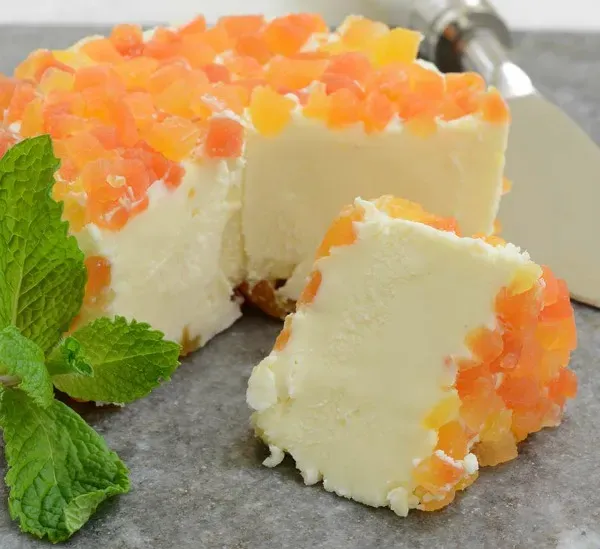
When you hear "cheese," your mind probably goes to a charcuterie board, maybe a grilled cheese sandwich, or perhaps a fancy pairing with wine before dinner. But cheese playing a starring role *after* the main course? Absolutely. The world of desserts is far more exciting when cheese gets involved, moving beyond the simple cheesecake or tiramisu you might already know. Crafting the perfect cheese dessert description is key to making these sweet and sometimes tangy creations sound as irresistible as they taste. It’s about capturing that delicate balance, the texture, the unexpected flavor notes that make cheese desserts so unique. Ready to explore how different cheeses transform into sweet masterpieces and how to talk about them in a way that makes mouths water? We'll dive into the creamy, the crumbly, and everything in between, showing you why cheese desserts are worth every bite and every descriptive word.
Beyond the Board: Why Cheese Belongs in Your Dessert Description
Beyond the Board: Why Cheese Belongs in Your Dessert Description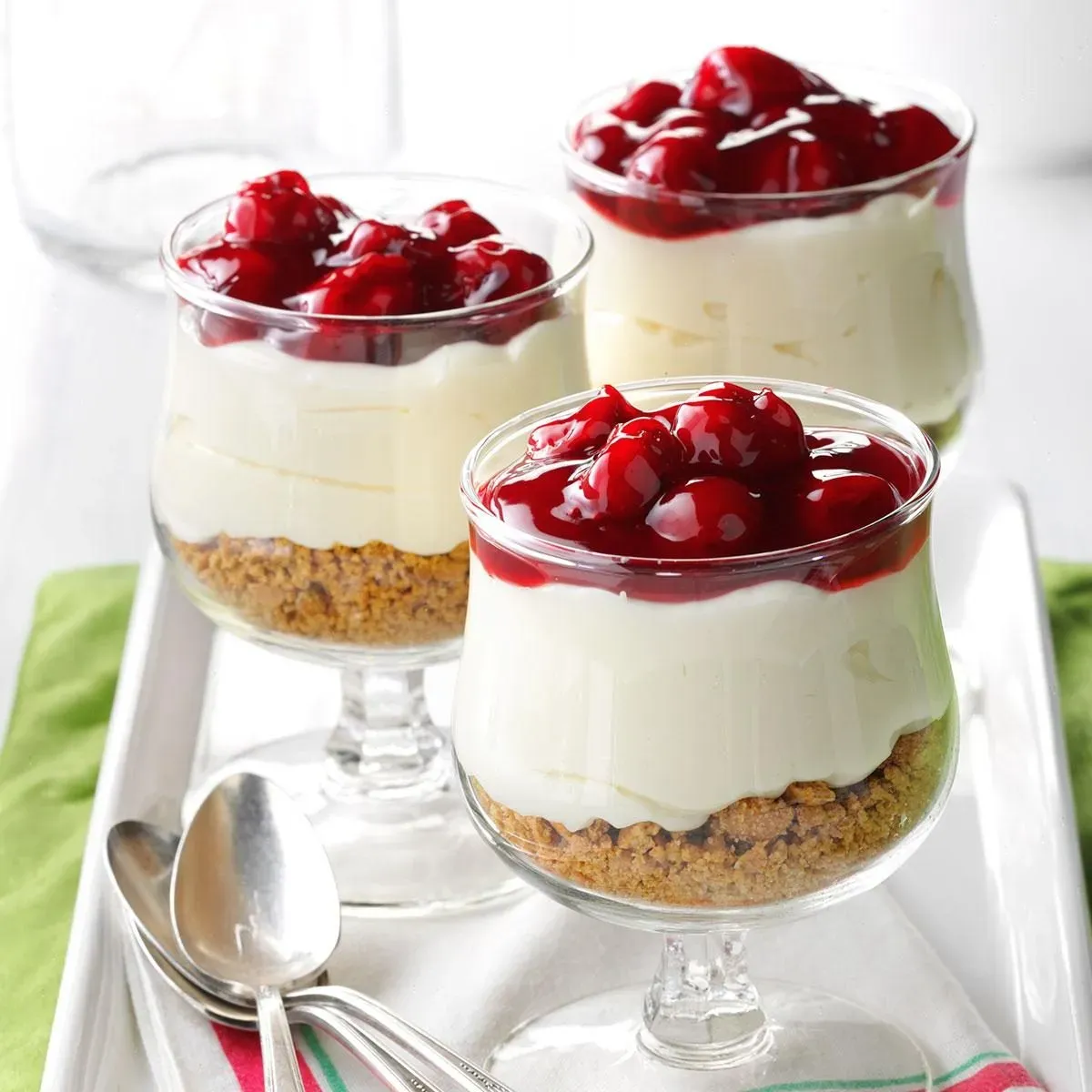
Look, I get it. Cheese after dinner usually means a platter with some crackers and maybe fig jam. Classic, sure, but a little... predictable? The real magic happens when cheese stops being just a pre-dessert palate cleanser and becomes the star of the show. Think beyond the expected. Cheese brings this incredible depth – a tang, a richness, sometimes even a bit of funky complexity – that sugar alone just can't replicate. It cuts through sweetness, adds creamy texture, or provides a salty counterpoint that makes everything else sing. Getting the cheese dessert description right isn't just about listing ingredients; it's about selling that unexpected harmony, making people curious enough to take the plunge and discover that, yes, cheese absolutely belongs in their dessert.
Why bother with cheese in dessert?
- It adds complexity beyond simple sweetness.
- It provides interesting textures (creamy, crumbly, firm).
- It creates a balance, preventing desserts from being cloyingly sweet.
- It offers a savory contrast that enhances other flavors.
Soft and Creamy: Unpacking Fresh Cheese Dessert Descriptions
Soft and Creamy: Unpacking Fresh Cheese Dessert Descriptions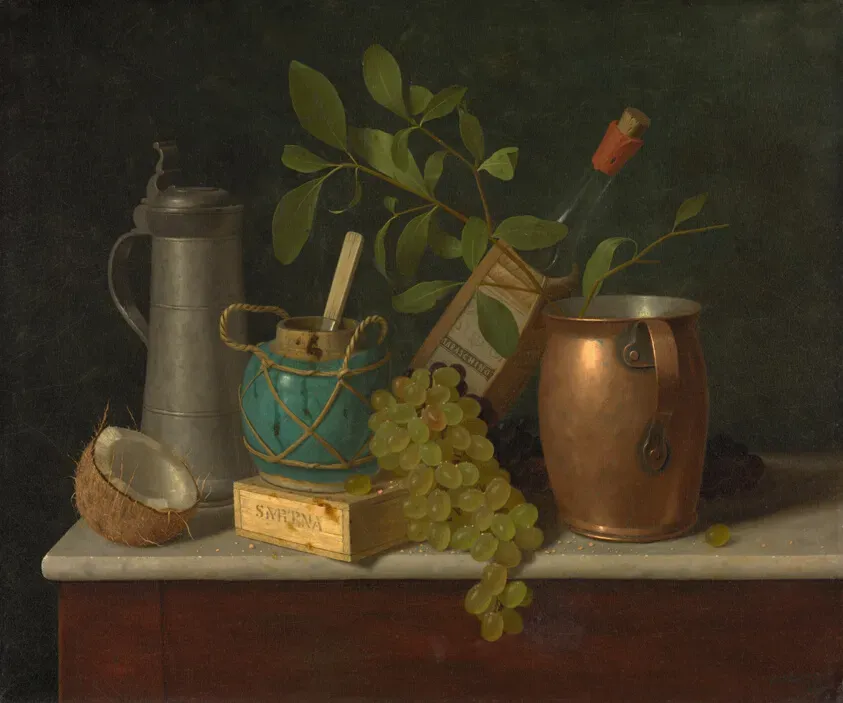
The Usual Suspects: Ricotta, Mascarpone, and Cream Cheese
Alright, let's talk about the easy-access cheese buddies in the dessert world. We're talking ricotta, mascarpone, cream cheese – the ones you probably already have lurking in your fridge or can grab without a special trip to the fancy cheese shop. These guys are the MVPs of creamy desserts. Ricotta, especially whole milk ricotta, brings a slightly grainy but incredibly moist texture and a delicate, milky sweetness. It's not aggressive; it plays nice with fruit, citrus, honey. Mascarpone? That's pure, unadulterated dairy luxury. Thick, velvety, almost like solidified cream. It's the base for a killer tiramisu, obviously, but amazing whipped with sugar and served with berries. And cream cheese? Well, that's the backbone of classic cheesecake. Tangy, dense, and rich. Describing these isn't just saying "creamy"; it's about *what kind* of creamy – is it light and airy like whipped ricotta, or spoon-coatingly thick like mascarpone?
Painting a Picture of Texture and Taste
When you're writing a cheese dessert description for something made with these fresh cheeses, you need to get specific. Don't just say "delicious." Is the ricotta dessert "light and airy, like sweet clouds"? Is the mascarpone cream "silky smooth, melting on the tongue"? How does the tang of the cream cheese cut through the sweetness of the graham cracker crust? Think about the mouthfeel. Is it dense and rich, requiring small bites? Or is it light enough you could eat a whole bowl? Use words that evoke that physical sensation. "Velvety," "pillowy," "dense," "luscious," "airy." It's about making someone *feel* what it's like to eat it just by reading the words.
Describing Fresh Cheese Dessert Textures:
- Velvety smooth (Mascarpone)
- Light and airy (Whipped Ricotta)
- Dense and rich (Classic Cheesecake)
- Creamy with a slight grain (Traditional Ricotta preparations)
- Silky (Mascarpone or cream cheese mixtures)
Beyond Just "Sweet and Creamy"
Sure, they're sweet and creamy, but what else is happening? Fresh cheeses often have a subtle tang or a clean, milky flavor that's easily overpowered if you're not careful. A good description highlights this nuance. Does the ricotta have a hint of lemon zest that brightens its mild flavor? Does the cream cheese offer a pleasant tartness that balances the sugary fruit topping? It's not just about the sugar and the fat; it's the *cheese* flavor itself. Sometimes it's barely there, a subtle backdrop. Other times, like in a really good Basque cheesecake, that slightly funky, tangy cream cheese flavor is front and center. Pay attention to how the cheese interacts with the other components – the crust, the fruit, the sauce. That interplay is where the interesting description lives.
Aged Wonders: Harder Cheeses in Sweet Creations
Aged Wonders: Harder Cheeses in Sweet Creations
Beyond the Soft Stuff: Parmesan, Cheddar, and Friends
so we've covered the easy, creamy candidates. Now let's get a little more adventurous. Who thought Parmesan belonged anywhere near sugar, right? Turns out, a little salty, nutty, even slightly crystalline aged cheese can do wild things in a dessert. Think Parmesan shortbread cookies served with a sweet fig compote, or a sharp cheddar baked into an apple pie crust. These aren't your mild-mannered mascarpones. They bring a savory punch, a depth of flavor that cuts through sweetness in a way fresh cheeses can't. Describing these requires acknowledging that savory edge – it's not just sweet; it's a complex interplay of sweet and salty, sometimes with a hint of sharpness or nuttiness. It challenges expectations, and that's exciting.
Unexpected Aged Cheeses in Desserts:
- Parmesan (cookies, tarts, brittle)
- Cheddar (apple pie, scones, savory-sweet muffins)
- Gouda (caramel pairings, tarts)
- Blue Cheese (with chocolate, pears, honey)
Crafting the Perfect Cheese Dessert Experience
Crafting the Perfect Cheese Dessert Experience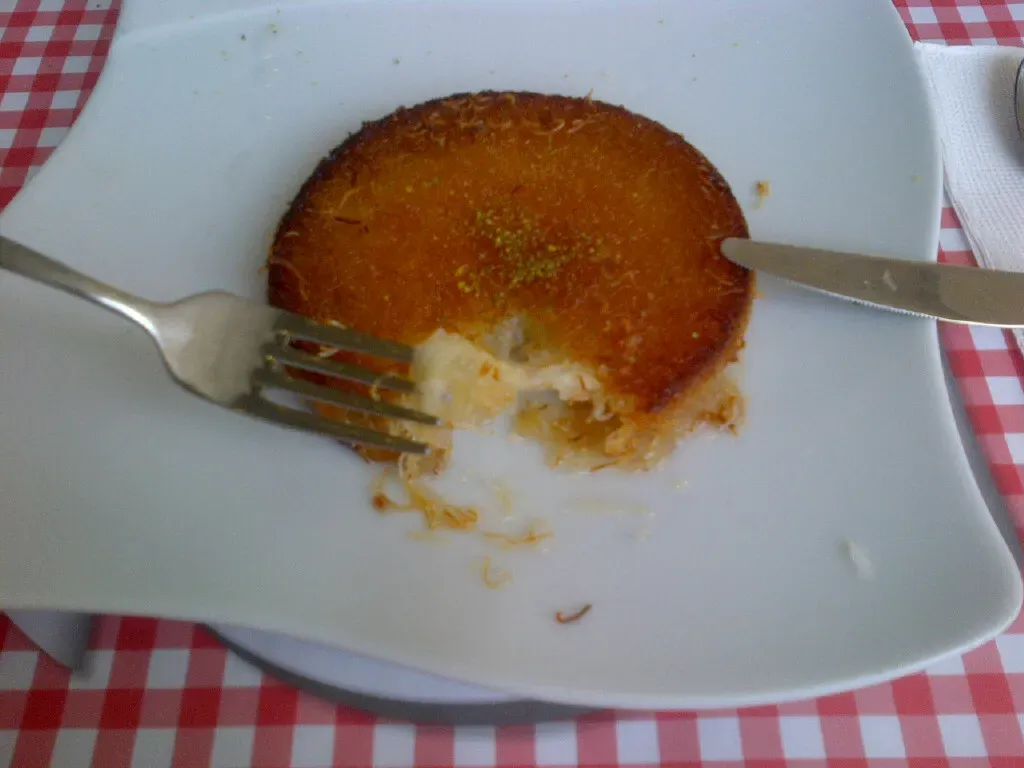
Starting with the Right Cheese and Concept
So, you're ready to actually make or choose one of these beauties and need to nail the cheese dessert description? First things first: pick the right cheese for the job. You wouldn't use a sharp cheddar in a delicate panna cotta, just like you wouldn't use mild ricotta in a robust, savory-leaning tart. Think about the flavor profile you're aiming for. Is it light and refreshing? Then maybe a fresh cheese like goat cheese or ricotta whipped with lemon and honey is your best bet. Want something rich and decadent? Mascarpone or cream cheese are your friends. Looking for an intriguing sweet-and-savory punch? That's where your aged Goudas or even a hint of Gorgonzola come in. Don't just grab any cheese; consider how its specific texture and flavor will contribute to the final dish. It's the foundation, and a shaky foundation means a wobbly dessert and a difficult description to write.
Once you have the cheese, think about the *type* of dessert. Is it a baked item like a cheesecake or tart? A no-bake mousse or parfait? A simple cheese served with accompaniments? Each type dictates how the cheese will behave and how you'll need to describe it. A baked cheese dessert will have a different texture – perhaps firm, dense, or crumbly – compared to a whipped cheese dessert which will be airy and light. This initial choice heavily influences the language you'll use later when you're trying to convince someone it's worth ordering (or making).
Presentation and Pairing: Making it Pop
Alright, you've made your cheese dessert. Now, how do you make it look and sound as good as it tastes? Presentation is huge. A simple scoop of ricotta cream looks infinitely better with a sprinkle of toasted pistachios and a drizzle of aged balsamic glaze. A slice of sharp cheddar apple pie needs that perfect golden crust and maybe a scoop of vanilla bean ice cream melting alongside it. Think about color, texture, and height on the plate. These visual cues translate directly into your cheese dessert description. You can talk about the "golden crust," the "ruby red cherry compote," or the "velvety smooth surface" of a no-bake creation. Visuals are part of the flavor story.
Pairings matter too. What are you serving *with* the cheese dessert? A specific wine? A coffee? A complementary sauce or garnish? These pairings aren't just afterthoughts; they enhance the main event and are crucial details for a complete description. Serving a blue cheese cheesecake? Mention the drizzle of honey or the candied walnuts that balance its intensity. Have a light ricotta tart? Highlight the fresh berries or the citrus zest that brightens it. The supporting cast helps the cheese star shine brighter and gives you more specific, enticing details for your description.
Tips for Describing Cheese Dessert Pairings:
- Mention complementary textures (e.g., "creamy cheesecake with crunchy almond brittle").
- Highlight balancing flavors (e.g., "tangy cream cheese balanced by sweet raspberry coulis").
- Specify beverages that enhance the experience (e.g., "pairs perfectly with a glass of late-harvest Riesling").
- Describe the visual appeal of garnishes (e.g., "finished with vibrant fresh berries").
The Final Bite: Wrapping Up Cheese's Sweet Side
So, there you have it. Cheese isn't just for savory spreads or melting on pasta. Its versatility extends beautifully into the sweet realm, offering complexity and counterpoints that sugar alone can't touch. Mastering the cheese dessert description means understanding these nuances – the fresh tang of ricotta, the salty bite of Gorgonzola against honey, the smooth richness of mascarpone. It’s about articulating a flavor profile that challenges expectations and rewards the adventurous palate. Don't just say it's sweet; explain the interplay, the texture, the surprise. Because frankly, a good cheese dessert deserves better than bland marketing copy. It deserves a description that does it justice.