Table of Contents
Picture this: Dinner is done. Everyone eyes the dessert menu, likely bracing for a sugar onslaught of chocolate cake or crème brûlée. But what if dessert didn't involve a sugar crash? What if it was something... different? Something sophisticated, maybe a little savory, definitely satisfying? That's where the often-misunderstood world of the cheese course comes in, leading us directly to the core of the **cheese dessert definition**. For many, "dessert" means sweet, full stop. But for those in the know, a well-chosen selection of cheeses offers a complex, elegant, and frankly, more interesting way to finish a meal. It's not just throwing a block of cheddar on a plate after dinner. There's a method, a type of cheese, and a whole experience wrapped up in what truly constitutes a dessert cheese. This article cuts through the confusion. We'll explore what makes a cheese fit this specific bill, delve into the characteristics that set it apart, and discuss how to pair it for maximum impact. Get ready to rethink your final course.
What is the Real Cheese Dessert Definition?
What is the Real Cheese Dessert Definition?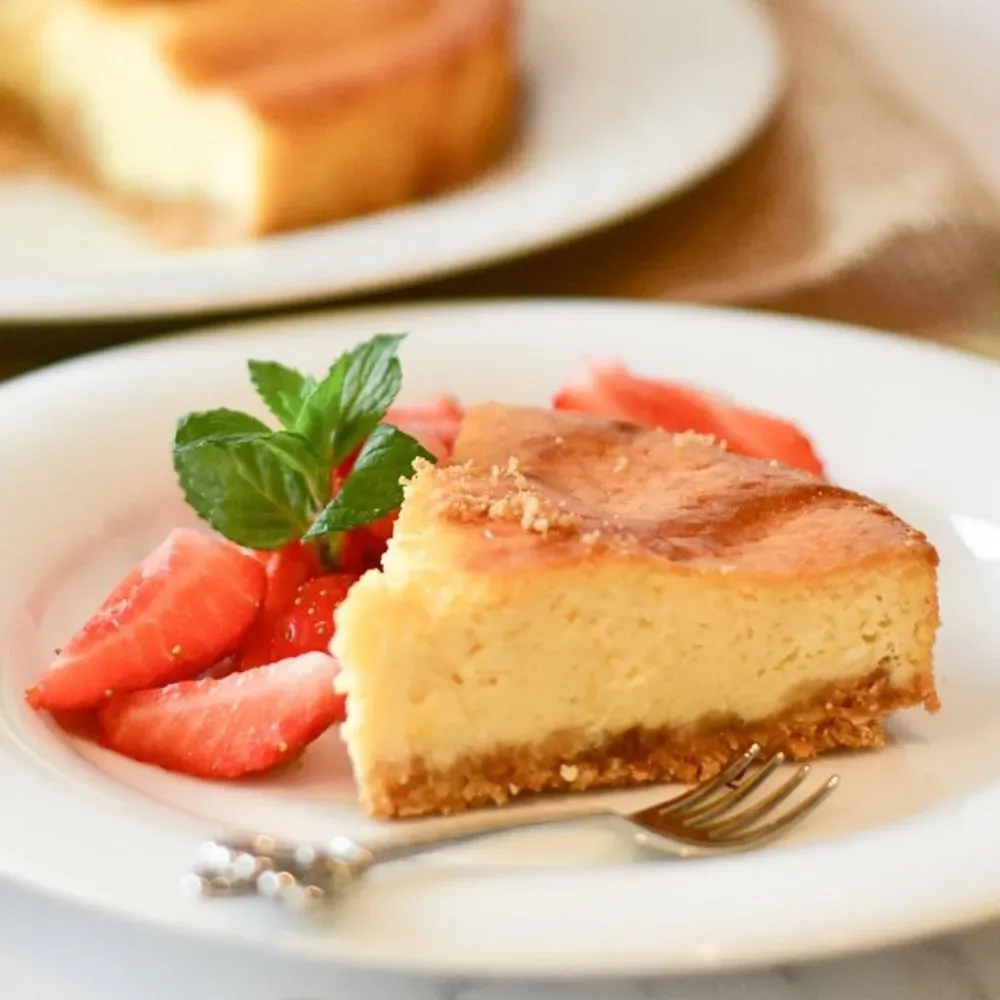
Breaking Down the Common Misconception
so when someone says "dessert," most people immediately think of sugar bombs, right? Cakes, cookies, ice cream, the whole sweet parade. And for a long time, cheese was just... cheese. Something you might nibble on with crackers, maybe melt into a sauce, or slice for a sandwich. The idea of it being the grand finale to a meal felt a bit foreign, or maybe reserved only for fancy restaurants. But the **What is the Real Cheese Dessert Definition?** conversation starts by challenging that sweet-only mindset. It's not about replacing your favorite chocolate lava cake with a block of cheddar (though, hey, no judgment if that's your thing). It's about understanding that certain cheeses, due to their texture, richness, and flavor profile, are specifically suited to be the *final* taste you experience after a savory meal.
Defining the "Dessert" in Dessert Cheese
So, if it's not just *any* cheese, what fits the bill for the **cheese dessert definition**? Think of cheeses that offer a different kind of satisfaction than an appetizer cheese. They're often richer, maybe a bit more intense in flavor, or possess a creamy, luxurious texture that feels like a natural conclusion. These aren't typically cheeses you'd shred over pasta or put on a cracker before dinner. They're designed to be savored slowly, perhaps with a complementary sip of wine or a bite of fruit. The "dessert" part comes from its placement in the meal – it serves as the concluding course, offering a distinct flavor experience that cleanses the palate or provides a lingering, complex taste that rounds out the meal without the overwhelming sweetness of traditional desserts.
- Dessert cheese is served *after* the main course.
- It's often rich and flavorful, not just a mild nibble.
- Texture plays a big role – think creamy, decadent, or complex.
- It's meant to be savored, often with pairings.
- It offers a savory or complex alternative to sweet endings.
Key Characteristics of a Great Dessert Cheese
Key Characteristics of a Great Dessert Cheese
Beyond Just Being "Rich"
So, what exactly are we looking for when we talk about the **Key Characteristics of a Great Dessert Cheese**? It's more nuanced than just saying "it's rich." Think about texture first. Many fantastic dessert cheeses have a certain creaminess, a melt-in-your-mouth quality that feels indulgent. We're talking about cheeses that might be oozy and soft, like a perfectly ripe Brie or Camembert, or perhaps incredibly dense and fudgy, like a good blue cheese or an aged Gouda. Flavor intensity is also crucial. A dessert cheese shouldn't be shy. It should offer a pronounced taste, whether that's the sweet nuttiness of an aged hard cheese, the tangy bite of a goat cheese, or the pungent complexity of a washed-rind variety. It needs to stand up on its own, providing a memorable final note to the meal without being overwhelming or simply bland.
- Creamy or dense texture
- Pronounced, distinct flavor
- Often aged for complexity
- Can be soft, semi-soft, or hard
- Pairs well with specific accompaniments
Pairing Your Cheese for a Perfect Dessert Experience
Pairing Your Cheese for a Perfect Dessert Experience
Finding Harmony in Flavors and Textures
So, you've got your dessert cheese picked out, maybe a creamy blue or a nutty aged Cheddar. Now what? Just plopping it on a plate feels... incomplete. The magic of the cheese dessert definition truly shines when you introduce thoughtful pairings. Think of it like building a little flavor symphony on your palate. You want elements that complement, contrast, or enhance the cheese without overpowering it. This isn't the time for intensely sweet jams or overpowering sauces. The goal is harmony. Consider textures – if your cheese is soft and gooey, a crisp cracker or a crunchy nut provides a welcome counterpoint. If it's hard and crumbly, something smooth like fig jam or a drizzle of honey can be delightful. It's about finding that balance, ensuring each element elevates the cheese, not competes with it.
Classic Pairings and Unexpected Delights
When it comes to pairing your dessert cheese, some combinations are classics for a reason. Fruit is almost always a good idea. Pears and apples work beautifully with many cheeses, from sharp cheddars to soft bries. Grapes are simple and refreshing. Dried fruits like figs and apricots offer concentrated sweetness that pairs well with tangy or salty cheeses. Nuts – walnuts, almonds, pecans – bring texture and earthy notes. And let's not forget the liquids. A carefully chosen wine, whether it's a sweet dessert wine, a Port, or even a crisp dry wine that cuts through richness, can transform the experience. Sometimes, a simple drizzle of honey or a spoonful of quince paste is all you need to unlock new dimensions in the cheese. Don't be afraid to experiment a little; sometimes the most surprising pairings are the best ones.
Here are a few classic dessert cheese and pairing ideas:
- Blue Cheese (like Roquefort or Gorgonzola) + Honey or Fig Jam + Walnuts
- Brie or Camembert + Baked Apples or Pear Slices + Crusty Bread
- Aged Cheddar + Sliced Apples or Pears + Pecans
- Goat Cheese (chevre) + Dried Apricots or Cherries + Almonds
- Parmesan Reggiano + Balsamic Glaze (sparingly!) + Grapes
Why the Cheese Dessert Definition Makes Sense as a Final Course
Why the Cheese Dessert Definition Makes Sense as a Final Course
A Palate Cleanser and a Lingering Pleasure
So, why does the concept encapsulated by the **Why the Cheese Dessert Definition Makes Sense as a Final Course** actually work? It's not just some stuffy tradition invented by people who hate sugar. Think about what you've just eaten: likely a mix of savory, maybe rich, dishes. Your palate needs a shift. While a super-sweet dessert blasts your taste buds into submission, a well-chosen cheese offers a different kind of reset. It can cut through richness, provide a clean, distinct flavor, or offer a complex, lingering taste that slowly fades, unlike the sticky residue of a sugary treat. It's a sophisticated way to transition from the main meal to... well, to being comfortably full without feeling like you need to be airlifted out of your chair. It provides a final moment of reflection on the meal, a last, elegant note before coffee or conversation.
Closing Thoughts on the Cheese Dessert Definition
So, the next time dinner winds down and the sweet menu appears, remember the alternative. The **cheese dessert definition** isn't just some obscure culinary footnote; it's a legitimate, often more satisfying, way to cap off a meal. It bypasses the sugar rush and subsequent crash, offering nuanced flavors and textures that evolve as you savor them. Choosing the right cheese and pairing it thoughtfully elevates the experience from simple snack to a considered final course. It’s a choice that speaks to a palate interested in complexity over mere sweetness. Sometimes, the best way to finish is not with a bang of sugar, but with the quiet, lingering satisfaction of a perfectly aged cheese.