Table of Contents
Let's be honest, when you think of dessert, your mind probably goes straight to something sugary – cake, pie, maybe a molten chocolate lava situation. And that's fine. But there's a quieter, perhaps more sophisticated player waiting in the wings: the cheese dessert course. Forget complicated baking or elaborate plating. Serving a cheese course after the main event offers an elegant transition, a moment to savor different textures and flavors without the sugar crash. It's a move that signals confidence in your palate and a nod to European tradition. This isn't just tossing some cheddar on a plate; a well-executed cheese dessert course involves a bit of thought, from selecting the right cheeses to knowing what to pair them with. We'll walk through the practical steps to pull off this deceptively simple, yet impactful, final act to your meal.
Serving a Cheese Dessert Course: Why It Works
Serving a Cheese Dessert Course: Why It Works
It's the Easiest Elegant Finish
Let's be real. You've just cooked a whole meal. Maybe you wrestled with a roast, perfected a tricky sauce, or simply managed not to burn the pasta. The last thing you need is to then embark on a multi-step baking project that requires precise timing and a prayer to the dessert gods. Serving a cheese dessert course bypasses all that fuss. You arrange some cheese, maybe add a few bits and bobs, and bam – you've got an elegant, sophisticated ending that looks like you put in way more effort than you did. It’s the culinary equivalent of putting on a sharp blazer over a t-shirt; instantly elevates the whole look with minimal fuss.
A Palate Cleanser, Not a Sugar Bomb
After a rich main course, sometimes another heavy, sweet dish just feels... wrong. It sits there, a lead weight in your stomach. A well-chosen cheese dessert course offers a different kind of satisfaction. The tang of a goat cheese, the saltiness of a blue, the creamy texture of a brie – these flavors can actually refresh your palate, preparing you for conversation or just a pleasant post-meal glow. It’s a sophisticated shift in gears, a gentle landing rather than a sugary explosion that leaves everyone needing a nap. Plus, it provides variety for guests who might not have a massive sweet tooth.
So, why choose the cheese route? Here are a few compelling reasons:
- Minimal preparation required (slice and arrange, mostly).
- Provides a sophisticated, elegant conclusion to the meal.
- Offers flavors that cleanse the palate rather than overwhelm it.
- Catters to guests who prefer savory over sweet after dinner.
- Allows for easy customization based on season or guest preferences.
- Often pairs beautifully with leftover wine from the main course.
Picking the Perfect Cheeses for Your Dessert Course
Picking the Perfect Cheeses for Your Dessert Course
Picking the Perfect Cheeses for Your Dessert Course
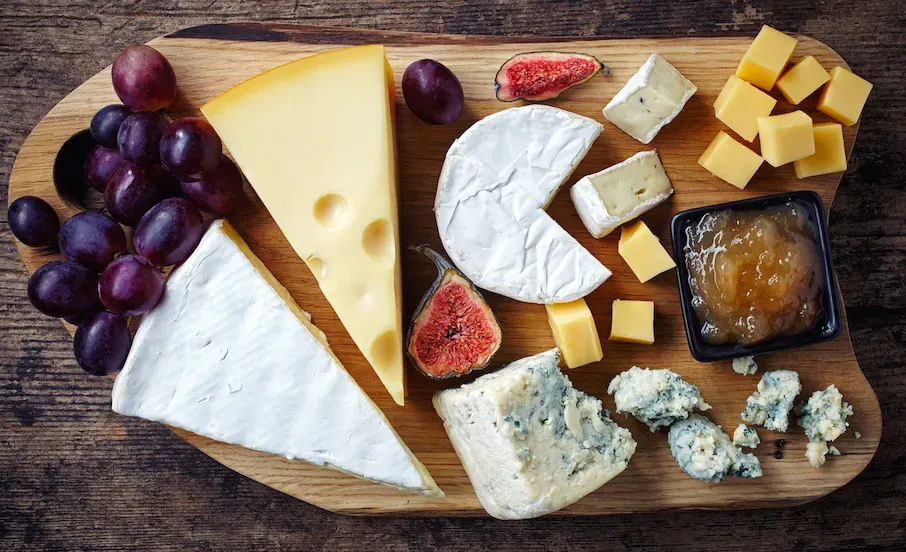
Alright, so you're sold on the idea of a cheese dessert course. Great. Now comes the fun part, and honestly, where some folks get a little stressed: picking the actual cheeses. The goal here isn't to replicate a cheese shop's entire inventory. You're aiming for a curated selection, maybe three to five cheeses, that offer a range of experiences without overwhelming the palate after a full meal. Think about variety – not just in flavor, but in texture and the type of milk used. A soft, creamy brie, a crumbly, sharp blue, and a firm, nutty aged cheese like a Gouda or cheddar make a nice starting point. Avoid bringing out anything too aggressively stinky right after dinner unless your guests are hardcore cheeseheads; you want intrigue, not an air assault.
When curating your selection for a cheese dessert course, consider these categories for balance:
- Something soft and creamy (like a Brie or Camembert)
- Something firm and nutty (like a Gouda, Cheddar, or Comté)
- Something blue and maybe a little funky (like a Gorgonzola Dolce or a mild Stilton)
- Maybe a fresh, tangy goat or sheep cheese if you want something lighter
- Aim for different milk types: cow, goat, and sheep.
Beyond the Cheese: What to Serve With Your Dessert Course
Beyond the Cheese: What to Serve With Your Dessert Course
The Essential Companions: Bread and Fruit
you've got your stellar cheese lineup ready for the cheese dessert course. But serving cheese solo is like showing up to a party without a plus-one – awkward and incomplete. The stuff you serve *with* the cheese isn't just filler; it's crucial to the overall experience. Think of them as supporting actors making your cheese the undeniable star. At the absolute minimum, you need bread. A simple baguette, sliced, is classic for a reason. It offers a neutral canvas for the cheese to shine. Fresh fruit, like sliced apples, pears, or grapes, provides sweetness and acidity that cuts through the richness of the cheese. Dried fruits, like figs or apricots, offer a more concentrated sweetness and chewy texture. These pairings aren't revolutionary, but they are foundational, providing contrast and balance that elevates the cheese.
Adding Layers: Spreads, Nuts, and Unexpected Bites
Once you've got bread and fruit covered for your cheese dessert course, you can start playing around with more interesting additions. Jams, preserves, and honey are fantastic. A tangy fig jam with a salty blue cheese? Pure magic. Quince paste (membrillo) is another traditional favorite, especially with firm cheeses. Nuts add texture – think walnuts, almonds, or pecans. Toasted nuts bring out even more flavor. And if you're feeling a bit adventurous, consider something slightly unexpected. Olives can work with certain cheeses, offering a briny counterpoint. A drizzle of really good olive oil on a hard cheese? Don't knock it till you've tried it. The goal is to offer variety that complements, contrasts, and enhances the unique characteristics of each cheese you've selected.
Here are some popular and effective accompaniments for your cheese dessert course:
- Crusty bread (baguette, sourdough)
- Water crackers or simple, unsweetened biscuits
- Fresh fruit (apples, pears, grapes, berries)
- Dried fruit (figs, apricots, dates)
- Honey or honeycomb
- Fruit preserves or jams (fig, cherry, apricot)
- Quince paste (membrillo)
- Nuts (walnuts, almonds, pecans, hazelnuts)
- Marinated olives (optional, but can be a nice surprise)
- Sometimes, a small, lightly dressed green salad is served alongside, especially in France.
Making Your Cheese Dessert Course Look Amazing
Making Your Cheese Dessert Course Look Amazing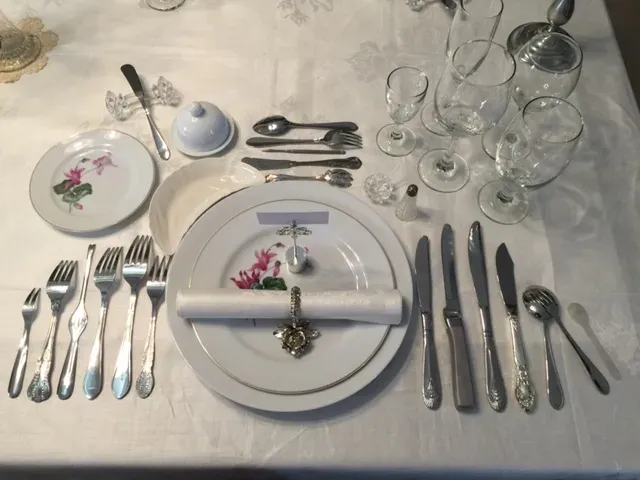
Starting with the Right Canvas
Alright, so you've nailed the cheese selection and gathered your stellar supporting cast of accompaniments for your cheese dessert course. Now, how do you make this spread look less like a random pile of stuff and more like an intentional, inviting masterpiece? It starts with your base. Forget those flimsy plastic trays from the grocery store. Invest in a solid cheese board or platter. Wood is classic and warm – think acacia, bamboo, or a nice piece of slate. Marble is cool and elegant, great for keeping cheeses slightly chilled. The size matters too; you don't want everything crammed together like sardines, but you also don't want a vast expanse of empty space. Give the cheeses room to breathe, but keep the accompaniments close enough to suggest pairings. Think of it as creating a landscape, not just dumping ingredients.
Arranging for Impact and Ease
Now for the actual layout when you're focused on making your cheese dessert course look amazing. Don't just plop things down randomly. Start with the cheeses – they're the stars. Place them spaced out on the board. If you have soft cheeses, maybe slice one or two for easier serving, but leave some whole for visual appeal. Arrange the accompaniments around them, clustering items that pair well together if you want to guide your guests, or scattering them for a more abundant feel. Think about color and texture contrast. The deep purple of figs next to a pale, creamy cheese, the crunch of nuts beside smooth honey. It's about building visual interest. Make sure there's a logical flow, perhaps from mildest cheese to strongest, so guests can navigate without their palates getting blown out too early.
- Place cheeses first, leaving space between them.
- Arrange accompaniments around the cheeses, considering color and texture contrast.
- Slice some cheeses but leave others whole for variety.
- Group complementary items loosely.
- Don't overload the board; it should look inviting, not overwhelming.
- Ensure easy access to all items for guests.
The Finishing Touches
Details matter when making your cheese dessert course look amazing. Pull the cheeses out of the fridge about 30-60 minutes before serving so they come to room temperature – this is crucial for flavor and texture. Cold cheese is sad cheese. Provide appropriate knives for each cheese type; a spreader for soft cheeses, a sharp knife for firm ones, maybe a small spoon for honey or jam. If you're feeling fancy, small labels identifying each cheese are a nice touch, especially if you have something unusual. It sparks conversation and helps guests remember what they liked. Remember, the goal is an inviting spread that encourages lingering and conversation, not just a quick bite. It's the final visual statement of your meal.
As one cheesemonger told me, "Presentation isn't just about looking pretty; it's about respecting the cheese and the experience you're creating."
Pairing Drinks with Your Cheese Dessert Course
Pairing Drinks with Your Cheese Dessert Course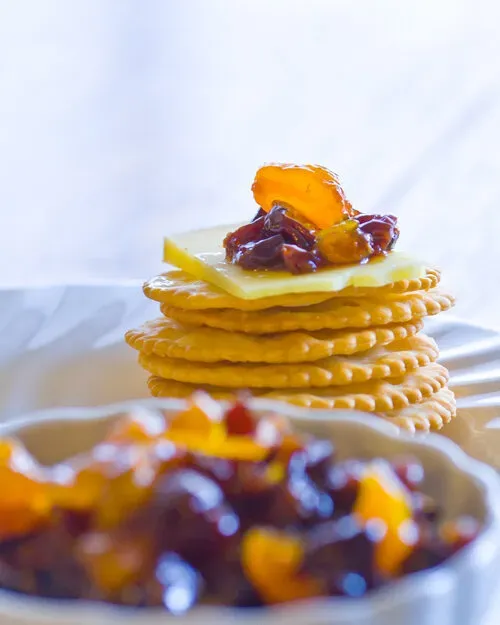
Finding Harmony: The Art of Pairing
So you've got your gorgeous spread of cheeses and all the fixings for your cheese dessert course. Excellent. Now, what are you pouring? This is where things get interesting, and frankly, a little less rigid than some wine snobs might have you believe. Pairing drinks with cheese is less about finding a single perfect match for the whole board and more about understanding how different drinks interact with different cheese types. Think of it like a dance: you want partners that complement each other, maybe one leads and the other follows, but they shouldn't step on each other's toes. Often, the wine you served with your main course can work, especially if it wasn't too heavy or tannic. But exploring specific pairings can elevate the experience from good to truly memorable. The goal is balance – cutting through richness, highlighting subtle flavors, or providing a counterpoint to salt or tang.
Beyond Wine: Exploring Pairing Options
While wine is the classic partner for a cheese dessert course, it's certainly not your only option. Sweet wines, like Sauternes or a late-harvest Riesling, are fantastic with pungent blues or rich pâtés. Port is another time-honored match, particularly with Stilton. But don't overlook beer! A crisp Saison can be brilliant with goat cheese, while a malty Stout can stand up to aged Goudas. Even non-alcoholic options like sparkling cider or certain teas can find a place. The key is experimentation. What cuts the fat of a triple-cream? What enhances the nutty notes of a Comté? Sometimes, the most surprising pairings are the most delightful. Don't be afraid to break from tradition; your palate is the ultimate judge.
Some classic and slightly less common pairings for your cheese dessert course:
- Soft, Creamy (Brie, Camembert): Sparkling wine (Champagne, Prosecco), unoaked Chardonnay, Saison beer.
- Firm, Nutty (Gouda, Cheddar, Comté): Aged Port, nutty Sherry (Amontillado, Oloroso), Amber Ale, dry hard cider.
- Blue (Gorgonzola, Stilton): Sweet wine (Sauternes, Port, Late Harvest Riesling), Stout or Porter, strong Belgian Ale.
- Fresh, Tangy (Goat, Feta): Sauvignon Blanc, crisp dry Rosé, Lager or Pilsner.
Your Final Bite: Mastering the Cheese Dessert Course
So there you have it. Serving a cheese dessert course isn't some unattainable culinary peak reserved for fancy restaurants. It's a practical, flexible way to end a meal that offers depth and variety without the fuss of baking. By choosing a few quality cheeses, adding some simple accompaniments, and presenting them thoughtfully, you create a memorable moment for your guests. It's less about perfection and more about providing a genuine experience – a chance to linger, discuss, and appreciate the subtle complexities that cheese brings to the table. Give it a try; you might find it becomes your go-to finale.