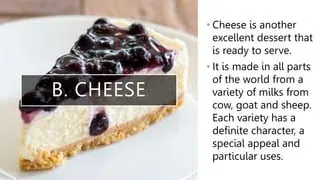
Table of Contents
Thinking cheese for dessert sounds a bit... odd? You're not alone. Many people picture a sugary, creamy confection when they hear "dessert," not a hunk of aged gouda or a wedge of pungent blue. But here's a secret: cheese, when chosen correctly, can be the absolute perfect ending to a meal. It offers a complex counterpoint to sweetness, a satisfying richness, and an elegance that few traditional desserts can match. Understanding the right cheese dessert characteristics is key to unlocking this culinary secret.
Why Cheese Belongs on Your Dessert Plate
Why Cheese Belongs on Your Dessert Plate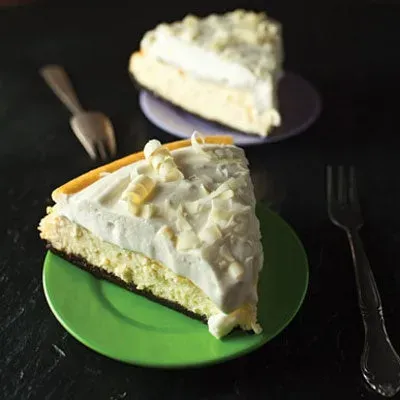
Breaking the Sweetness Barrier
Look, we get it. Dessert usually means sugar, right? Cakes, cookies, ice cream, puddings – the whole sweet parade. The idea of swapping a slice of chocolate cake for a piece of cheese feels counterintuitive to many. You've just finished a savory meal, and your brain is probably screaming for that sugary hit to signal completion. But that's exactly why cheese works so well after dinner. It's a palate cleanser, a transition, something that shifts gears entirely instead of just piling more sweetness on top of what you've already eaten. It offers a different kind of satisfaction.
A Symphony of Savory Notes
Think about the flavors. A great cheese isn't just "salty." It has layers – nutty, earthy, tangy, sometimes even a hint of sweetness or fruitiness depending on how it's aged and what milk was used. When you pair this complexity with something simple, like a crisp apple slice or a handful of almonds, you create a flavor combination that's far more interesting than just sugar on sugar. It's about balance, contrast, and appreciating the nuances that cheese dessert characteristics bring to the table. It wakes up your taste buds in a different way.
Why Make Room for Cheese?
- Offers a sophisticated alternative to overly sweet desserts.
- Provides complex flavors and textures.
- Excellent palate cleanser after a rich meal.
- Pairs wonderfully with fruits, nuts, and a touch of sweetness.
- Feels elegant and less heavy than many traditional desserts.
The Perfect End to a Meal
Serving cheese for dessert feels grown-up and intentional. It's not just grabbing whatever sugary thing is around. It's curating a small, thoughtful experience. A well-chosen cheese provides a rich, satisfying mouthfeel without leaving you feeling weighed down or experiencing that sugar crash later. It's the kind of ending that encourages lingering conversation, perhaps over a final glass of wine or port. It signals a moment of pause and appreciation for the meal you've just enjoyed, highlighting those specific cheese dessert characteristics that make it shine.
Key Cheese Dessert Characteristics to Understand
Key Cheese Dessert Characteristics to Understand
Key Cheese Dessert Characteristics to Understand
Alright, so you're sold on the idea of cheese after dinner. Great. But you can't just grab any random block from the fridge and call it a day. There are specificKey Cheese Dessert Characteristics to Understandif you want to nail this. We're talking about texture – do you want something creamy and spreadable, or firm and crumbly? Intensity matters too; a super pungent cheese might overwhelm lighter palates, while something too mild could get lost. Think about the balance of sweet and savory notes already present in the cheese, and how its aging process has developed its flavor profile. It's less about a single rule and more about finding a cheese that offers something interesting and complementary after a full meal.
Popular Cheese Types for the Dessert Course
Popular Cheese Types for the Dessert Course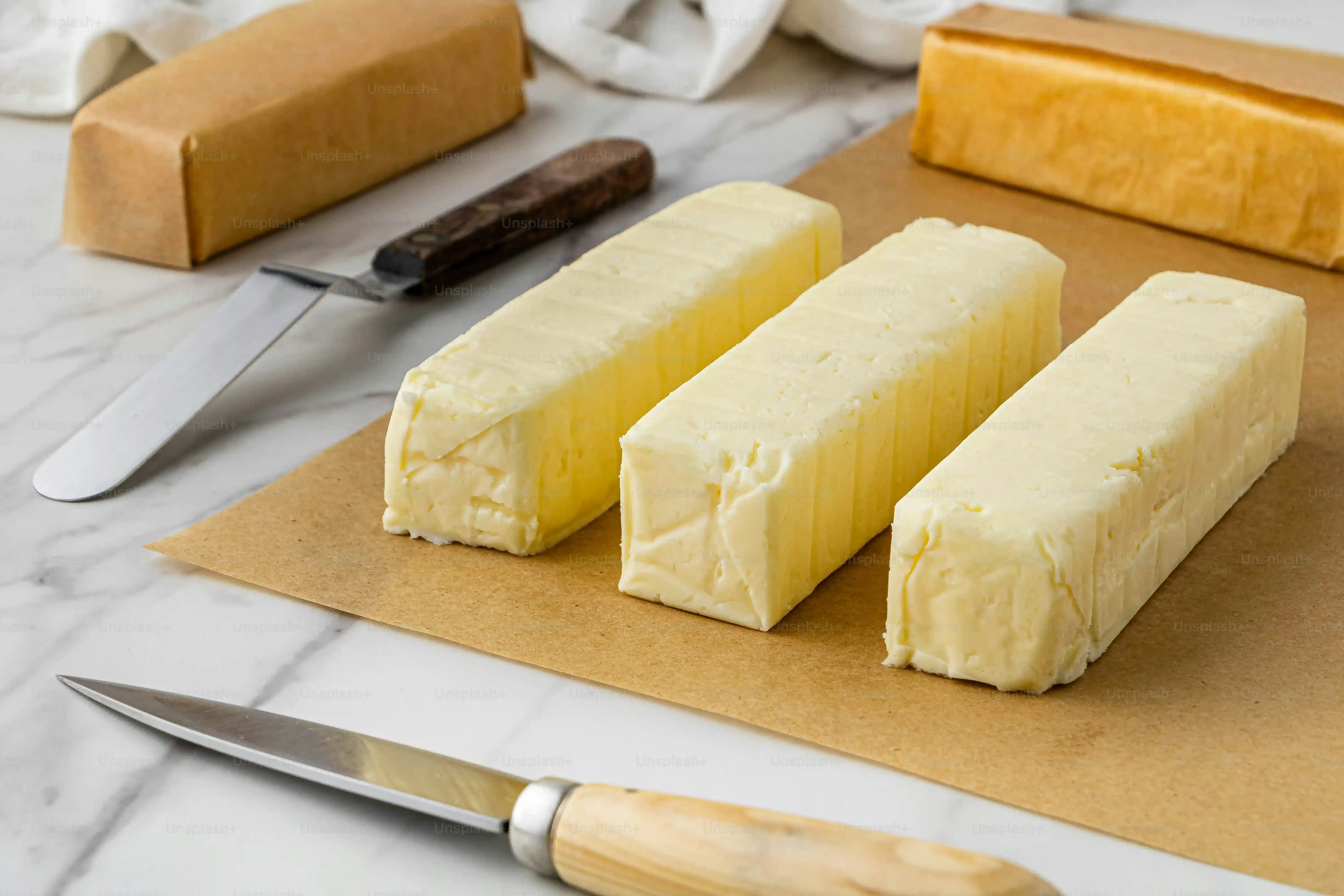
Soft and Creamy Delights
so you're thinking about dipping your toe into the cheese-for-dessert pool. Where do you start? A safe bet, and often a crowd-pleaser, is the realm of soft, creamy cheeses. Think Brie, Camembert, or even a really good triple-crème. These cheeses have a luscious texture that feels indulgent, much like a traditional dessert. Their flavors are typically milder than aged hard cheeses or pungent blues, often described as buttery, mushroomy, or slightly sweet. This makes them less intimidating for beginners and versatile for pairing. Their inherent richness is a key cheese dessert characteristic that makes them satisfying without being heavy in the way a chocolate cake might be.
Aged and Assertive Options
Ready to get a little more adventurous? The world of aged cheeses offers incredible depth for dessert. A firm, nutty Gouda, a crystalline aged Cheddar, or even a slightly sweet Parmigiano-Reggiano can be fantastic. These cheeses bring more intense, concentrated flavors to the table – notes of caramel, roasted nuts, or even tropical fruit can emerge with age. Their texture is often drier, sometimes crumbly, providing a different tactile experience than a soft cheese. And then there are the blues! A mild Gorgonzola dolce or a creamy Roquefort can be stunning with the right accompaniment. The assertive nature of these cheeses, another important set of cheese dessert characteristics, requires thoughtful pairing, but the reward is a truly complex and memorable end to your meal.
Great Cheeses for Your Dessert Plate:
- Brie (creamy, mild)
- Camembert (earthy, rich)
- Gouda (nutty, caramel notes, varies by age)
- Aged Cheddar (sharp, sometimes sweet crystals)
- Gorgonzola Dolce (mild blue, creamy)
- Roquefort (sharp blue, tangy)
- Parmigiano-Reggiano (nutty, crystalline)
- Taleggio (pungent rind, creamy interior)
Perfect Pairings to Complement Cheese Dessert Characteristics
Perfect Pairings to Complement Cheese Dessert Characteristics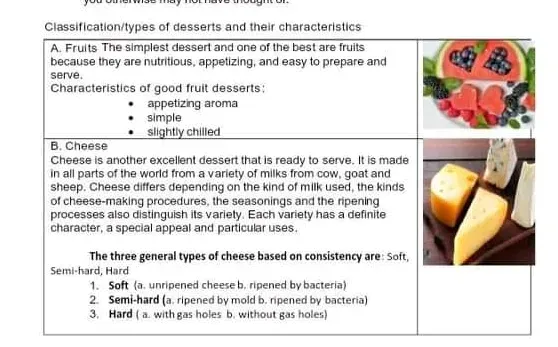
so you've picked your cheese – maybe a creamy Brie, a sharp Cheddar, or a funky blue. Now comes the fun part: what do you put *with* it? Simply serving a naked piece of cheese is like showing up to a party in your pajamas – technically allowed, but you're missing out on the whole vibe. The magic of a cheese dessert plate lies in the supporting cast. You want things that will play off those specificPerfect Pairings to Complement Cheese Dessert Characteristics– maybe cutting through richness, highlighting sweetness, or adding a textural contrast. Think about what the cheese *needs*. A rich cheese might benefit from something acidic or tannic, while a salty cheese screams for a touch of sweetness. It's a balancing act, a little culinary dance where each element makes the other better.
Beyond the Board: Creative Cheese Dessert Ideas
Beyond the Board: Creative Cheese Dessert Ideas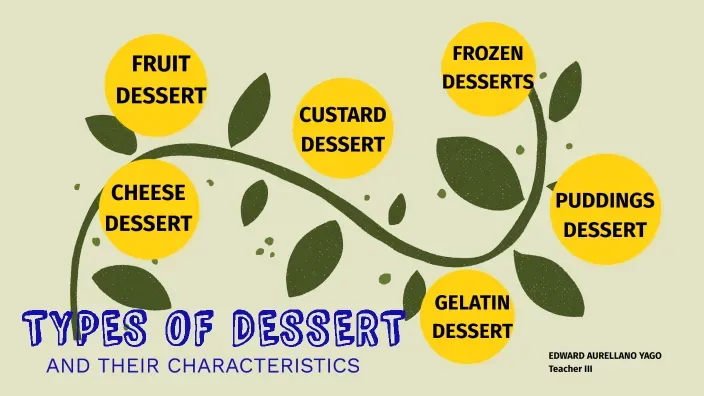
Moving Past the Standard Platter
the cheese board is a classic for a reason. It’s easy, it looks fancy with minimal effort, and it lets people pick and choose. But let's be honest, sometimes it feels a bit... expected. If you really want to impress someone or just explore the full potential of cheese after dinner, you need to ventureBeyond the Board: Creative Cheese Dessert Ideas. This means thinking about cheese not just as something to slice and serve, but as an ingredient. It opens up a whole new world of possibilities, letting you play with texture, temperature, and flavor in ways a simple board just can't.
Incorporating Cheese into Baked Goods
When most people think "cheese dessert," their mind might jump to cheesecake, and yes, that's a prime example. But don't stop there. Imagine a delicate tart with a filling based on ricotta or mascarpone, perhaps infused with lemon zest. Or consider savory-sweet pastries that incorporate goat cheese or even a sharp cheddar with caramelized onions or apples. Baking transforms cheese, altering its texture and mellowing some of its sharper edges while concentrating its inherent richness. It allows those specific cheese dessert characteristics to integrate into a more complex structure, offering unexpected bites of salty, tangy goodness within a sweet context.
Think outside the cheesecake box:
- Ricotta or Mascarpone Tarts with Fruit
- Goat Cheese and Caramelized Onion Pastries
- Cheddar and Apple Crumble Topping
- Parmesan Shortbread Cookies (surprisingly good with fruit or jam)
- Blue Cheese and Pear Galette
Cheese in Lighter, Fruit-Focused Creations
Cheese doesn't always need to be the heavy hitter. It can provide a subtle counterpoint in lighter, fruit-forward desserts. A dollop of fresh ricotta or a crumble of feta can elevate a simple bowl of berries. Consider a panna cotta or mousse where the cream base is infused with a hint of goat cheese or a mild blue, creating a complex creamy texture with an intriguing savory note. Pairing cheese with fruit is a time-tested concept on the board, but integrating it *into* the dessert allows for a more cohesive and surprising experience. It leverages the tangy or salty cheese dessert characteristics to cut through the sweetness and brightness of the fruit, creating balance.
Cheese: A Dessert Worth Exploring
So, is cheese the best dessert? For many, the answer is a resounding yes. Moving beyond the traditional sweet ending reveals a world of complex flavors and satisfying textures. By focusing on key cheese dessert characteristics – richness, depth, and the ability to complement rather than overpower – you open the door to a sophisticated and often more interesting final course. Whether it's a creamy brie with fig jam or a sharp cheddar with a drizzle of honey, understanding these traits helps you curate a dessert experience that feels both elevated and deeply satisfying. Give it a try; your palate might just thank you.