Table of Contents
Forget everything you think you know about cheese and dessert. We're not talking cheesecake here, or some fancy cheese board after dinner. We're diving deep into the world of cheese dessert arabic style, where cheese becomes the star of incredibly sweet, syrupy, and often warm creations that will challenge your taste buds in the best way possible. If the idea of hot, stretchy cheese mingling with fragrant syrup and crispy pastry sounds odd, well, prepare to be surprised. These aren't timid treats; they're bold, ancient, and deeply rooted in Middle Eastern hospitality. We'll explore the undisputed champion, Knafeh, unpack other lesser-known but equally fascinating cheese dessert arabic delights like Halawet El Jibn, offer guidance on attempting these in your own kitchen, and point you towards finding the real deal. Get ready to expand your dessert horizons far beyond the usual suspects.
Exploring Knafeh: The King of Arabic Cheese Desserts
Exploring Knafeh: The King of Arabic Cheese Desserts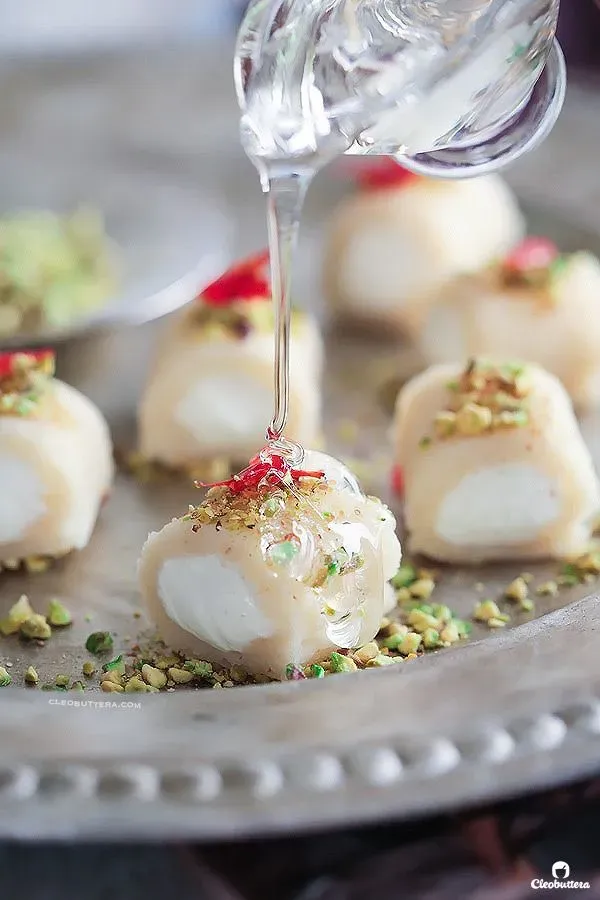
The Undisputed Monarch of Sweet Cheese
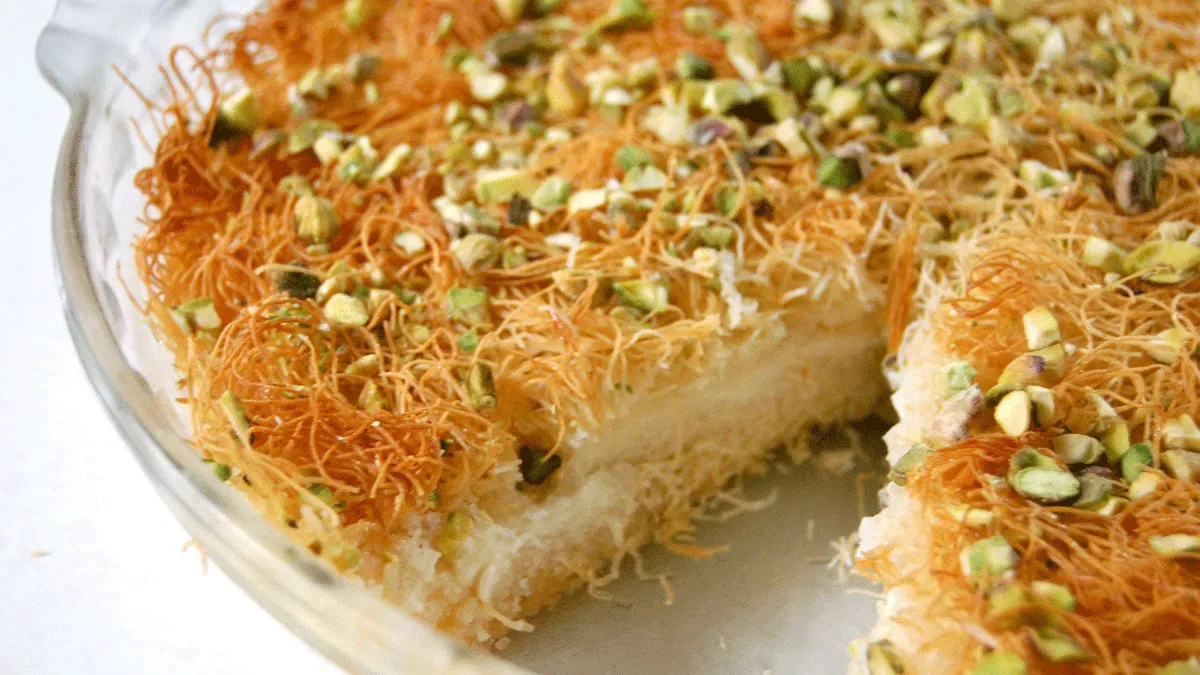
Let's get one thing straight: when you talk about cheese dessert arabic style, especially in the Levant, you're talking about Knafeh. Period. There's no debate, no real contenders for the top spot. This isn't just a dessert; it's an institution, a culinary landmark. Imagine fine strands of crisp pastry, soaked in fragrant sweet syrup, cradling a molten, stretchy layer of cheese. It's served warm, often hot off the massive round trays found in specialized shops, and the sensory experience is immediate and profound. The crunch, the pull of the cheese, the sticky sweetness – it hits you all at once. It’s the kind of dessert that silences a room, leaving only sounds of satisfied sighs and clinking spoons.
Two Crowns: Coarse and Fine Knafeh
While Knafeh reigns supreme, it wears a couple of different crowns. The most common, and arguably the most dramatic, is Knafeh Khishneh, or coarse Knafeh. This uses long, thin strands of kataifi dough, which crisp up beautifully when baked. Then there's Knafeh Na'ameh, the fine version, where the kataifi is ground into a texture more like breadcrumbs before being pressed into the tray. Both share the core elements – the special unsalted cheese (traditionally Nabulsi or Akkawi, though mozzarella often steps in), the butter or ghee that provides richness and crispness, and the essential sugar syrup infused with rose water or orange blossom water. The choice between coarse and fine often comes down to regional preference or personal texture preference. Me? I lean coarse for that extra crunch, but I wouldn't turn down a slice of the fine stuff either.
Key Components of Classic Knafeh:
- Kataifi Dough: Shredded phyllo pastry, either long strands (coarse) or ground (fine).
- Sweet Cheese: A mild, unsalted cheese that melts into a gooey, stretchy layer (Akkawi, Nabulsi, or mozzarella blend).
- Clarified Butter or Ghee: Essential for crisping the pastry and adding richness.
- Sugar Syrup: Simple syrup flavored with rose water, orange blossom water, or sometimes lemon juice.
- Pistachios: Crushed or ground, used generously for garnish and a bit of crunch.
Halawet El Jibn and Other Unique Cheese Dessert Arabic Delights
Halawet El Jibn and Other Unique Cheese Dessert Arabic Delights
While Knafeh gets all the glory, don't sleep on Halawet El Jibn. This is a completely different beast in the cheese dessert arabic lineup. Instead of crispy pastry, you get a smooth, pliable dough made from cheese and semolina, rolled thin and filled with a delicate clotted cream called Ashtah. It's typically cut into small rolls, drizzled with that same fragrant syrup, and scattered with pistachios. It’s lighter, almost ethereal compared to the heft of Knafeh, and the texture combination of the soft dough and rich cream is seriously addictive. This shows the range within the cheese dessert arabic category – it's not just about baked crusts and gooey centers. There are other regional variations too, like Qatayef (often filled with cheese, though sometimes nuts or cream) or even simple sweet cheese served with syrup.
Curious about the different textures?
- Knafeh Khishneh: Crispy, crunchy strands.
- Knafeh Na'ameh: Fine, breadcrumb-like texture, softer crunch.
- Halawet El Jibn: Smooth, pliable dough with creamy filling.
Making Your Own Cheese Dessert Arabic Masterpiece
Making Your Own Cheese Dessert Arabic Masterpiece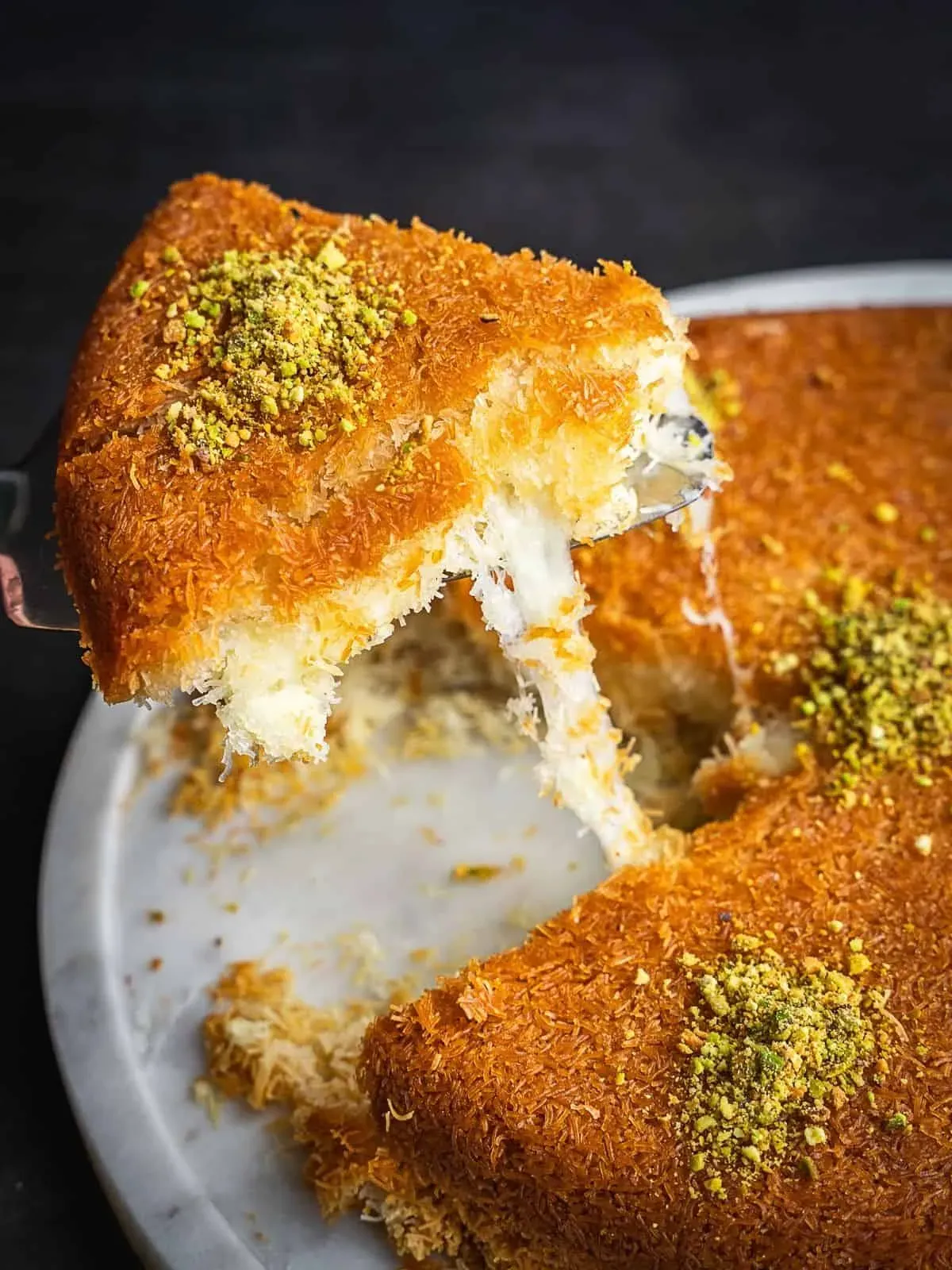
Taking the Plunge: Your First Homemade Knafeh
Alright, so you've tasted the magic, maybe even scrolled through endless drool-worthy photos online, and now you're thinking, "Can I actually make this cheese dessert arabic thing at home?" The answer is absolutely yes, but let's be real, it's not like whipping up a batch of cookies. There are a few specific ingredients and techniques you'll need to get comfortable with. Don't be intimidated by the fancy pastry shops; they started somewhere too. Your first attempt might not look picture-perfect, the cheese might not stretch *quite* as dramatically, but the fundamental flavors are achievable. Think of it as a culinary adventure. You'll need to source kataifi dough and the right kind of cheese – this is crucial. Getting the syrup consistency right is also key; too thin, and it won't soak properly; too thick, and it becomes a sticky mess.
Essential Ingredients and Techniques to Master
To make a proper cheese dessert arabic, specifically Knafeh, you can't just grab any cheese from the fridge. You need a cheese that melts smoothly and stretches without being overly salty. Traditional Akkawi or Nabulsi are ideal, but finding them can be tough depending on where you live. A good low-moisture mozzarella is often a solid substitute, sometimes blended with ricotta or a mild white cheese to get the right texture and flavor balance. The kataifi dough needs to be handled carefully; it dries out fast. Generously coating it with melted butter or ghee is non-negotiable for that crispy texture. And the syrup? It's usually a simple sugar and water mix boiled down, then infused off the heat with rose water or orange blossom water. This fragrant syrup is poured over the hot baked knafeh, creating that signature sweet, slightly floral finish.
Key Steps for Homemade Knafeh Success:
- Shred and butter the kataifi dough thoroughly.
- Prepare the cheese layer, ensuring it's relatively dry and evenly distributed.
- Press the layers firmly into the baking pan.
- Bake until golden brown and the cheese is melted.
- Prepare the warm sugar syrup while the knafeh bakes.
- Pour the syrup over the hot knafeh immediately after it comes out of the oven.
- Let it sit for a few minutes before cutting and serving.
Serving Your Creation and What to Expect
Once your cheese dessert arabic, your beautiful Knafeh, is out of the oven and soaked with syrup, the hardest part is waiting those few minutes before slicing. It's best served warm, so the cheese is still molten and stretchy. Garnish generously with crushed pistachios – they add color, crunch, and a lovely nutty flavor that complements the sweet cheese perfectly. Don't expect perfection the first time. Maybe the bottom layer didn't crisp up enough, or the cheese spread a bit unevenly. That's fine. You made Knafeh! It still tastes incredible. The sense of accomplishment from recreating this iconic cheese dessert arabic at home is immense, and frankly, even a slightly imperfect homemade version often tastes better than a mediocre store-bought one. Plus, your kitchen will smell amazing.
Where to Find Authentic Cheese Dessert Arabic Experiences
Where to Find Authentic Cheese Dessert Arabic Experiences
Seeking Out the Source
So, you've read about Knafeh and Halawet El Jibn, maybe even attempted a batch at home with results that... well, let's just say they were "rustic." Now you crave the real deal, the kind that makes you close your eyes and just savor the moment. Finding authentic cheese dessert arabic isn't always as simple as strolling into the nearest bakery chain. Your best bet is often heading to neighborhoods with a strong Middle Eastern presence. Look for bakeries or sweet shops that specialize in Arabic pastries. These places often have massive, round trays of Knafeh, still warm, ready to be sliced and doused in syrup right before your eyes. Don't be shy; ask questions. The people running these shops are usually passionate about their craft and happy to guide you.
The Unforgettable Experience of Freshness
Eating cheese dessert arabic, especially Knafeh, is an experience tied directly to its temperature. It *must* be served warm, ideally hot. That's when the cheese is perfectly molten and stretchy, and the pastry is at its crispiest before the syrup starts to soften it. Finding a place that serves it fresh from the oven or grill is key. Cities like Nablus in Palestine are legendary for their Knafeh (Nabulsi Knafeh, anyone?), but you can find incredible versions in cities across the Middle East and in diaspora communities worldwide. If you see a place with trays of Knafeh on display, ask if it's fresh. The slight wait for a new batch is always worth it for that peak cheese pull moment. It's more than just a dessert; it's a cultural ritual.
Wondering what to look for in an authentic shop?
- Large, round metal trays of Knafeh on display.
- A dedicated area for preparing and serving the dessert warm.
- The option to get it "with extra syrup" (always a good sign).
- Locals stopping by for quick servings.
- The heavenly smell of sweet syrup and warm pastry.
Beyond the First Bite: Your Arabic Cheese Dessert Takeaway
So there you have it. Your crash course in cheese dessert arabic. You've met Knafeh, arguably the most famous ambassador, and glimpsed other fascinating creations where cheese plays a surprisingly sweet role. Attempting these at home requires a bit of patience and the right ingredients, a minor hurdle for a potentially significant reward. Finding an authentic version served warm and dripping with syrup is an experience worth seeking out. Whether you're already a convert or approached this topic with a healthy dose of skepticism, these desserts prove that sometimes, the most unexpected combinations yield the most memorable flavors. They're not just sweets; they're a taste of history and hospitality, served one syrupy, cheesy bite at a time.