Table of Contents
Let's be honest, biting into a perfect cheese danish is one of life's simple, flaky, creamy pleasures. That delicate puff pastry, the slightly sweet, tangy cheese filling – it’s a breakfast hero or an afternoon pick-me-up that rarely disappoints. But have you ever wondered what goes into making one that truly sings, or why some seem to fall flat (literally and figuratively)? Forget those sad, dried-out gas station imposters. We're talking about the real deal, the kind you dream about. Mastering the cheese danish might seem like a task best left to professional bakers with impossibly early wake-up calls and secret recipes passed down through generations. But what if it wasn't? This article pulls back the curtain on this beloved pastry. We’ll explore its origins, break down the anatomy of a stellar cheese danish, dive into the details of crafting the flaky layers and the rich filling, troubleshoot common pitfalls, and even look at some tasty twists on the classic. Consider this your straightforward guide to conquering the cheese danish in your own kitchen, no secret handshake required.
What Exactly is a Cheese Danish?
What Exactly is a Cheese Danish?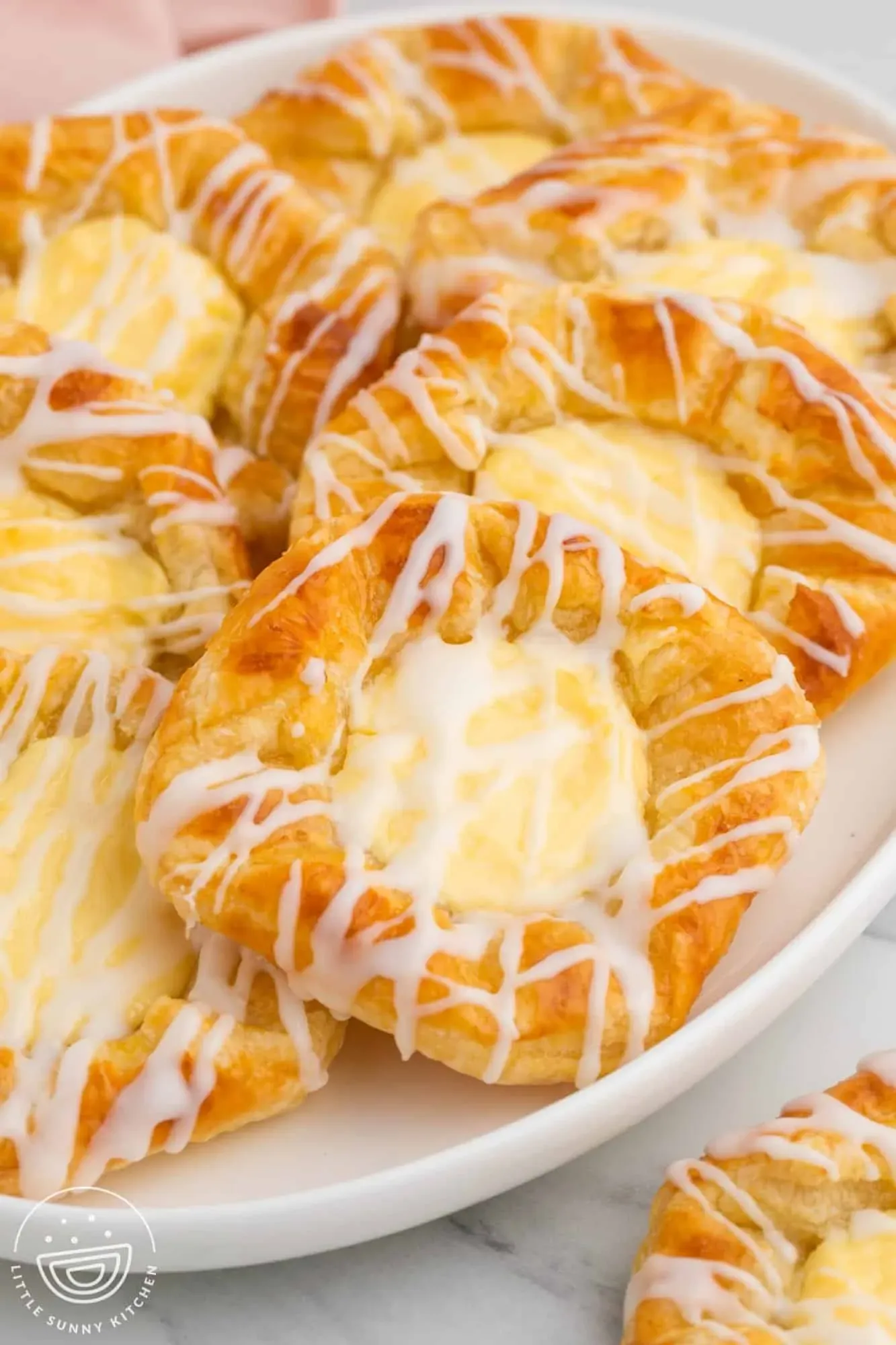
The Anatomy of a Sweet Pastry Classic
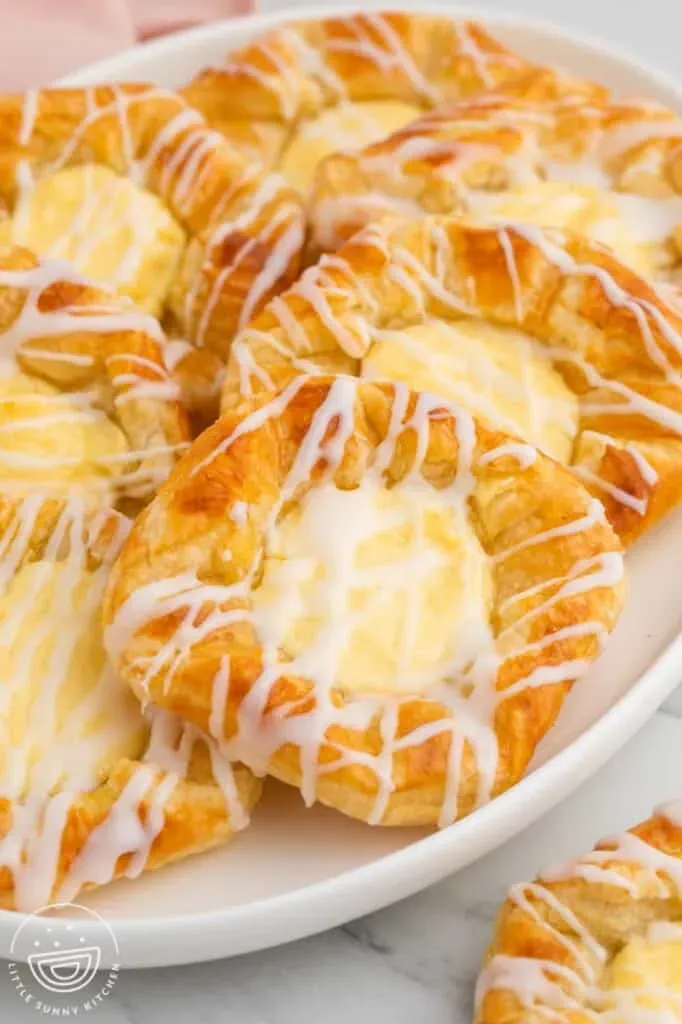
Alright, let's cut through the confusion. When most folks talk about a cheese danish, they're picturing that glorious pastry with layers so thin you could read through them, wrapped around a dollop of creamy, slightly sweet filling. It's not just any cheese shoved into any bread. We're talking about a specific type of pastry, often a laminated dough similar to croissant dough, and a filling typically made from cream cheese, sugar, and maybe a hint of lemon or vanilla. It's a breakfast item, sure, but let's be real, it works any time of day you need a little buttery, cheesy comfort. Think of it as a carefully constructed vehicle for delivering maximum delight per bite.
More Than Just Cheese and Dough
A proper cheese danish isn't just slapped together. The magic happens in the contrast: the shattering crispness of the outer layers gives way to the tender interior, which then meets the rich, slightly tangy sweetness of the cheese filling. Sometimes you'll find raisins or other fruits mixed into the cheese, but the classic is pure, unadulterated cheese bliss. It’s a delicate balance – too much dough and it's heavy; too little filling and it's dry. When done right, it’s a masterclass in texture and flavor working in harmony. It's the kind of pastry that makes you momentarily forget your troubles, or at least makes them seem less important while you're chewing.
- Flaky Laminated Dough: Layers of butter and dough folded repeatedly.
- Cream Cheese Filling: Sweetened, often with egg and flavoring.
- Optional Add-ins: Raisins, fruit zest, or vanilla.
- Often Glazed: A simple sugar glaze adds shine and sweetness.
Crafting the Classic Cheese Danish: Pastry and Filling Secrets
Crafting the Classic Cheese Danish: Pastry and Filling Secrets
Getting Down to Dough and Deliciousness
Alright, let's talk turkey, or rather, talk dough and cream cheese. Crafting a truly classic cheese danish isn't rocket science, but it does require a bit of patience, particularly with the laminated dough. This isn't your average cookie dough; it's a process of layering butter and dough through repeated folding and chilling, creating those signature flaky layers. Think of it as building tiny butter pockets that steam and puff up in the oven. The filling, while seemingly simple – cream cheese, sugar, maybe an egg yolk for richness, and a splash of vanilla or lemon – needs careful balancing. Too much sugar makes it cloying, too little and it lacks that essential tang. Getting the consistency right is key; it needs to hold its shape when baked but still feel luxurious and creamy. It's a dance between temperature control for the dough and flavor precision for the filling that separates the decent danish from the divine.
- Lamination is Non-Negotiable: Cold butter, cold dough, patience with folds.
- Filling Ratio Matters: Balance sweetness and tang.
- Temperature is Your Friend: Chill the dough religiously between folds.
- Don't Overwork the Dough: Tough dough means tough pastry.
Cheese Danish Variations You Need to Try
Cheese Danish Variations You Need to Try
Adding a Fruity Twist
While the classic cheese danish holds a special place, sometimes you just need a little something extra. Adding fruit is a popular move, and for good reason. Think about it: the creamy, tangy cheese is a perfect canvas for bright, sweet-tart flavors. Cherry cheese danish is a common sight, the vibrant red compote spilling slightly from the pastry. Apple, blueberry, or even apricot fillings also make regular appearances. It's not just about dumping fruit in; it's about creating a compote or jam that complements the cheese without overwhelming it. A good fruit variation adds another layer of complexity, a burst of freshness against the rich pastry and filling. It’s proof that even a classic can handle a little accessorizing.
Exploring Nutty and Spiced Options
Beyond fruit, the world of cheese danish variations gets even more interesting. Some bakers incorporate nuts into the filling or sprinkle them on top for added texture and flavor. Almonds or pecans can add a lovely crunch and nutty depth that pairs surprisingly well with the creamy cheese. Spices are another avenue. A pinch of cinnamon or nutmeg can warm up the filling, especially if you're leaning towards a fall-inspired version. You might even find versions with a streusel topping, adding a crumbly, buttery layer over the cheese. These aren't always strictly "Danish" in the traditional sense, but they demonstrate the versatility of the core concept. It shows how a simple formula can be tweaked and twisted.
Variation Type | Potential Add-ins | Flavor Profile |
|---|---|---|
Fruity | Cherry, Apple, Blueberry, Apricot | Sweet, Tart, Bright |
Nutty/Spiced | Almonds, Pecans, Cinnamon, Nutmeg, Streusel | Warm, Crunchy, Aromatic |
Other | Poppy Seeds, Lemon Zest (more prominent) | Subtle Crunch, Citrusy Tang |
Regional Twists and Creative Combinations
Depending on where you are, you might encounter unique regional cheese danish variations. Some bakeries might use a slightly different cheese blend, maybe incorporating ricotta for a lighter texture or a touch of mascarpone for extra richness. I once had one in a small town that added a hint of orange zest to the filling, which was unexpectedly delightful. Then there are the truly creative combinations – cheese danish with chocolate chips (controversial, I know), or even savory versions with herbs and different cheeses (though that starts drifting into different pastry territory entirely). The point is, once you understand the basics of the flaky dough and the creamy filling, the possibilities open up. Don't be afraid to experiment a little, even if it means straying from the purist path. Just remember, the goal is deliciousness, not necessarily historical accuracy.
Troubleshooting Your Cheese Danish Baking
Troubleshooting Your Cheese Danish Baking
When Your Dough Goes Wrong
So, you tried making a cheese danish from scratch, and it didn't quite turn out like the picture? Join the club. Laminated dough is finicky. The biggest culprit is usually temperature. If your butter is too soft, it just smears into the dough instead of creating those distinct layers. You end up with a tough, bready mess, not a flaky marvel. Or maybe you rushed the chilling steps. Each fold needs time in the fridge for the gluten to relax and the butter to firm back up. Skipping this is like trying to build a house without letting the cement dry. It simply won't hold. Humidity can also play a role, making dough sticky and hard to handle. Sometimes, despite your best efforts, the butter leaks out during baking – that's often a sign the layers weren't sealed properly or the oven wasn't hot enough initially to set the pastry quickly.
Filling Fiascos and Shaping Snafus
Beyond the dough, the cheese danish filling can present its own set of problems. Did your filling ooze everywhere during baking? It might have been too liquid, maybe too much egg or not enough cream cheese, or perhaps you overfilled the pastry. A cracked or dry filling often means it was overcooked or the recipe didn't have enough moisture or fat. Shaping is another area where things can go sideways. If your folds aren't tight or the dough isn't sealed well, the cheese danish can unravel in the oven, turning into a flat, sad puddle instead of a neat parcel. Getting that classic square or pinwheel shape takes a little practice, ensuring the filling stays put while the pastry expands. It's not just about making it look pretty; proper shaping helps the pastry bake evenly and keeps the good stuff inside.
Common Cheese Danish Problems & Fixes
- Problem: Tough, bready pastry. Fix: Ensure ingredients are cold, chill dough thoroughly between folds, don't overwork the dough.
- Problem: Butter leaks during baking. Fix: Make sure layers are sealed, oven is preheated properly to a high temperature.
- Problem: Filling oozes out. Fix: Don't overfill, ensure filling consistency is firm enough, seal edges well.
- Problem: Dry or cracked filling. Fix: Don't overbake, check recipe for proper fat/moisture balance in filling.
- Problem: Pastry unravels. Fix: Practice shaping techniques, ensure seals are tight.
The Enduring Appeal of the Cheese Danish
The Enduring Appeal of the Cheese Danish
Why This Pastry Still Holds Its Own
So, why, in a world crammed with cronuts, artisan donuts, and avocado toast variations, does the humble cheese danish still command attention? It boils down to a few things. There's the nostalgia factor, sure – who didn't eye these up in bakery cases as a kid? But beyond that, it's a triumph of texture and a straightforward, satisfying flavor combination. That crisp, buttery shell giving way to smooth, tangy sweetness is just inherently pleasing. It's not overly complicated or trying too hard. It knows what it is: a reliable, delicious pastry that delivers comfort with every bite. While trends come and go, the classic cheese danish persists because it simply works. It’s the culinary equivalent of a comfortable old sweater – maybe not the flashiest thing in your wardrobe, but always dependable and makes you feel good.
Beyond the Bake: The Lasting Charm of the Cheese Danish
So, there you have it. The journey to a truly great cheese danish involves a bit of patience, understanding your ingredients, and maybe a few failed attempts along the way (it happens to everyone, trust me). It’s not always a straightforward path to perfect puff, and humidity can be a real jerk. But the payoff? A warm, golden pastry, its layers whispering promises of buttery goodness, cradling a dollop of creamy, slightly sweet cheese. It’s more than just flour, butter, and cheese; it's a small act of creation, a moment of simple indulgence in a world that often feels overly complicated. Whether you stick to the classic or venture into variations, mastering this pastry gives you a reliable source of comfort and a pretty impressive party trick. Just try not to eat them all straight from the oven.