Table of Contents
Ever find yourself scrolling through recipes, dreaming of that perfect slice of creamy, dreamy cheesecake? You're not alone. There's something incredibly satisfying about pulling a beautiful cheesecake from the oven, or chilling a no-bake marvel to perfection. We've taken a page, or perhaps a digital scroll, from the delightful world of the cheese cake Journal des Femmes to bring you a collection of insights and recipes that hit the sweet spot. Forget the overly complicated instructions that leave you more confused than when you started. We're diving into the heart of what makes a great cheesecake, from classic New York style to simpler, quicker versions. This isn't just about following steps; it's about understanding the little tricks that elevate your dessert from good to unforgettable. Whether you're a seasoned baker or just starting out, get ready to explore the secrets behind achieving that perfect texture, tackling common pitfalls, and maybe discovering your new go-to cheese cake journal des femmes favorite. Let's get baking (or not baking, as the case may be!).
Exploring Classic Cheese Cake Journal des Femmes Recipes
Exploring Classic Cheese Cake Journal des Femmes Recipes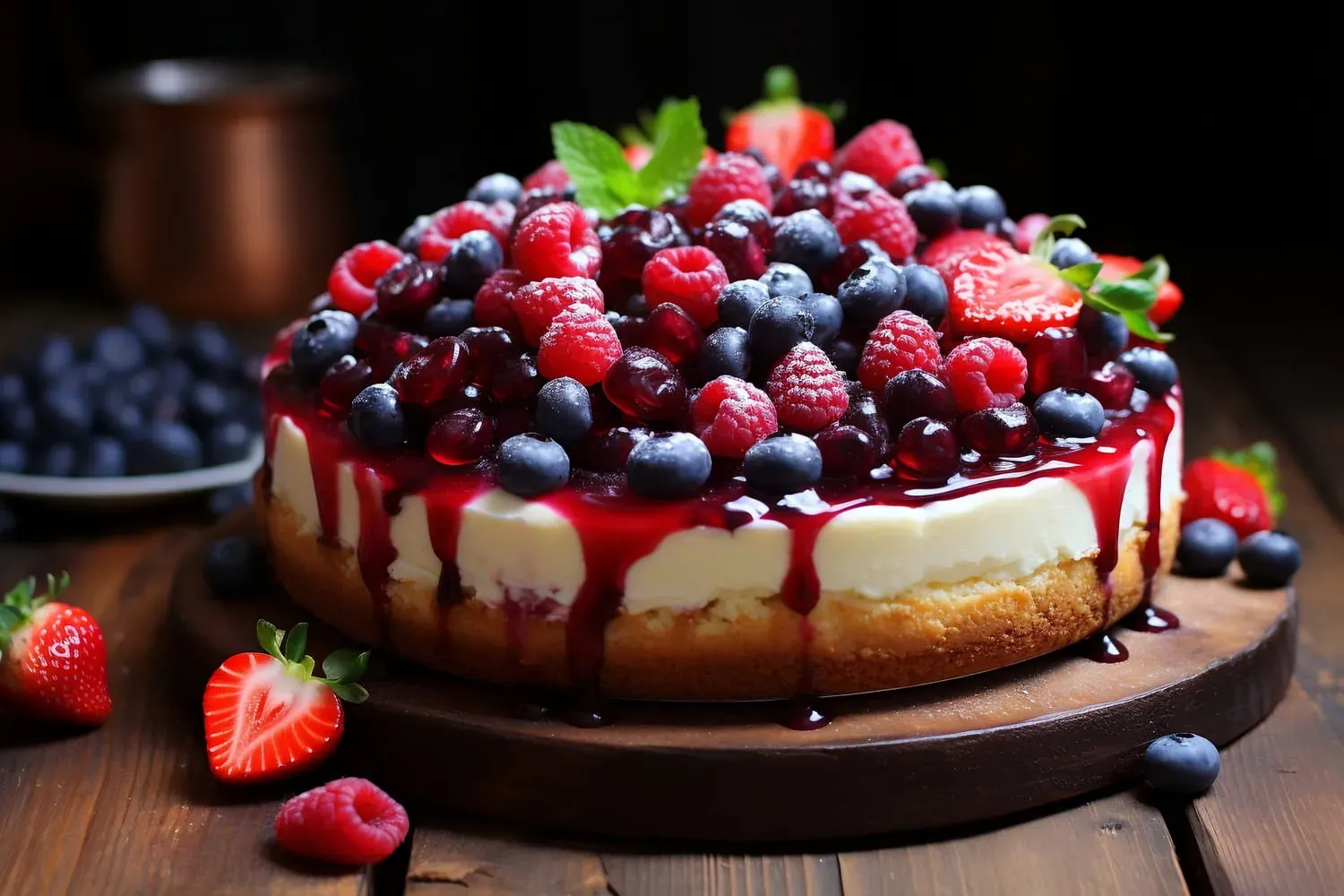
The Foundation: What Makes a Classic?
When you dive into Exploring Classic Cheese Cake Journal des Femmes Recipes, you quickly realize there's a baseline expectation. It's not just any cheesecake; it's often the dense, creamy, slightly tangy New York style that sets the standard. We're talking about a serious amount of cream cheese here, the full-fat stuff, no skimping allowed. Sugar, eggs, a touch of sour cream or heavy cream for that extra richness and smooth texture, and maybe a hint of vanilla or lemon zest to brighten things up. The crust is typically a simple graham cracker crumb situation bound with melted butter, pressed firmly into the pan. It sounds straightforward, but getting that balance right, ensuring the filling is smooth and the crust is sturdy but not brick-hard, requires attention to detail. It’s less about fancy tricks and more about respecting the quality of a few key ingredients and the process itself.
Baking for Perfection: Temperature and Technique
Achieving that signature creamy texture in classic baked cheesecakes, the kind you see lauded in resources like the cheese cake journal des femmes, often hinges on one thing: gentle heat. This is where the water bath comes in. It's not just some fussy extra step; it insulates the cheesecake, ensuring it bakes evenly and slowly, preventing cracks and that dreaded rubbery edge. Mixing is another critical point. Over-mixing after adding the eggs introduces too much air, leading to a cake that puffs up like a soufflé and then collapses dramatically. You want to mix just until everything is combined. Patience is key too; letting the cheesecake cool slowly, first in the turned-off oven and then at room temperature before chilling, is non-negotiable for a perfect set.
- Use full-fat cream cheese, softened properly.
- Don't overmix the batter, especially after adding eggs.
- Always use a water bath for baked cheesecakes.
- Cool the cheesecake gradually to prevent cracks.
- Chill for at least 4-6 hours, preferably overnight, before slicing.
Beyond the Basics: Creative Cheese Cake Journal des Femmes Ideas
Beyond the Basics: Creative Cheese Cake Journal des Femmes Ideas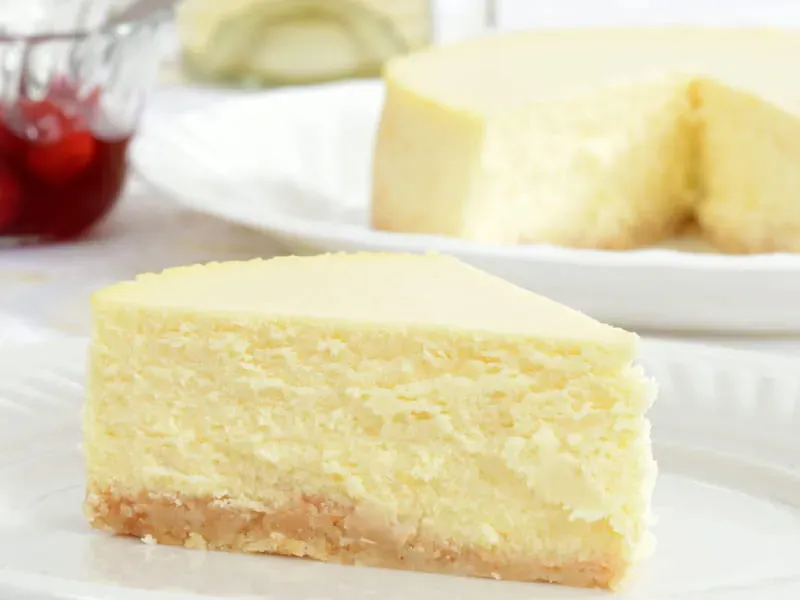
Flavor Mashups and Unexpected Ingredients
so you've nailed the classic. You can whip up a New York-style cheesecake in your sleep. Now what? This is where the real fun begins, venturing beyond the standard fare and exploring ideas that might pop up in places like the cheese cake journal des femmes when they get adventurous. Think about infusing your cream cheese base with unexpected flavors. Lemon and vanilla are great, sure, but what about a hint of cardamom or a swirl of espresso? Consider adding pureed fruits directly into the batter – roasted strawberries or a tart passion fruit curd marbled through. You can swap out some of the cream cheese for ricotta or mascarpone for a different texture and richness, creating something lighter or even more decadent. Don't be afraid to play with extracts beyond vanilla; almond, maple, or even a touch of rosewater can transform the whole experience. It's about taking that familiar creamy canvas and painting it with new, exciting tastes.
Crust Innovations and Texture Play
The crust doesn't just have to be graham crackers. While classic for a reason, there's a whole world of possibilities waiting underneath your creamy filling. Imagine a crust made from crushed ginger snaps for a spicy kick, or perhaps shortbread cookies for a buttery, delicate base. You could use crushed Oreos for a chocolatey contrast, or even pretzels for a salty-sweet combination that really grabs your attention. Beyond the ingredients, think about texture. A thicker, crunchier crust provides a satisfying counterpoint to the smooth filling. You can also incorporate nuts into your crust mix for added flavor and crunch. The cheese cake journal des femmes often features variations, showing how a simple change to the base can totally redefine the dessert. It's about building layers of flavor and texture from the ground up, making each bite interesting.
What's the wildest cheesecake flavor combination you've ever tried?
Mastering the NoBake Cheesecake: Tips and Tricks
Mastering the NoBake Cheesecake: Tips and Tricks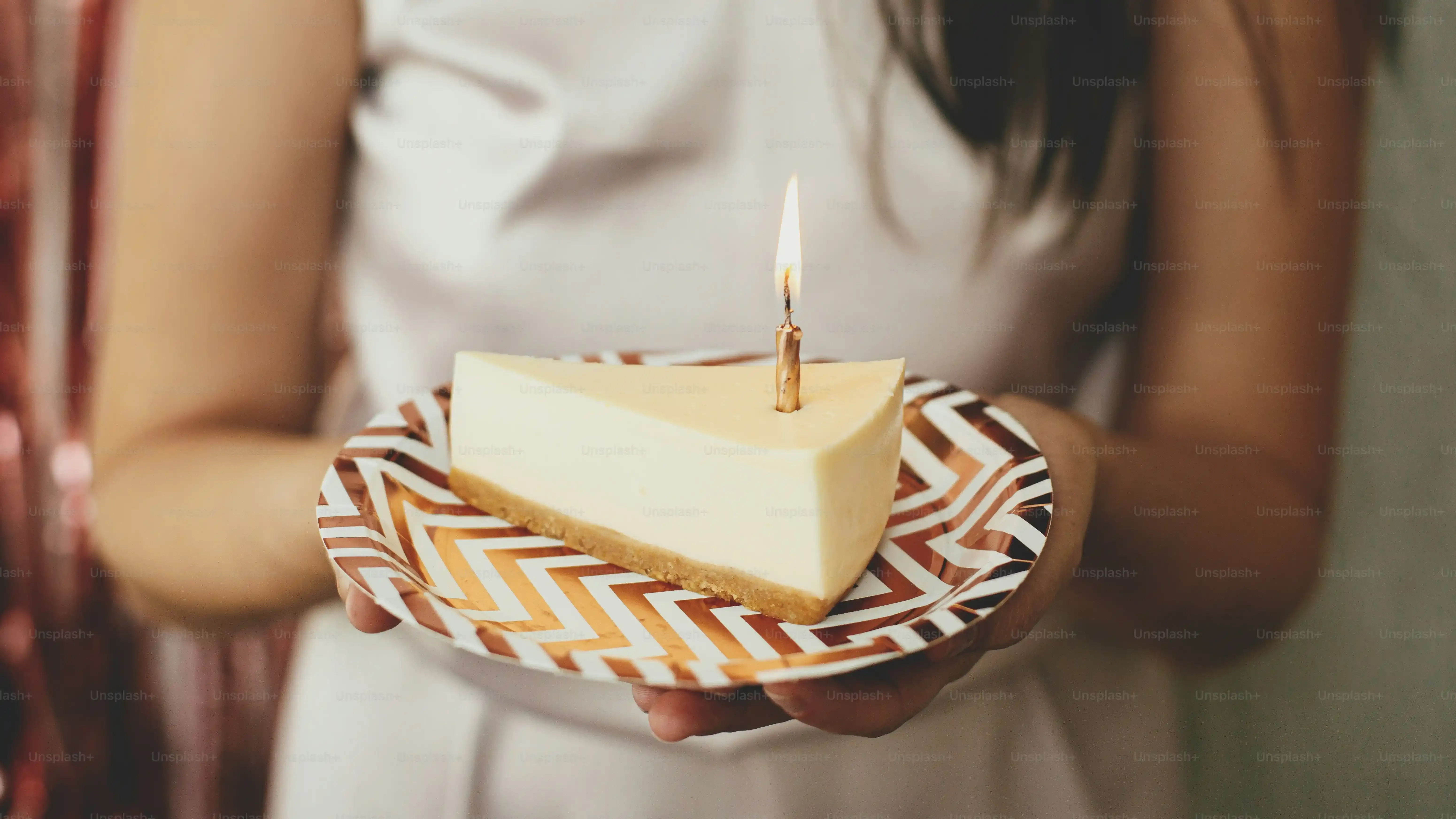
The Art of Setting Without Heat
Alright, so you've sidestepped the oven entirely. Good call if you're aiming for speed or live somewhere where turning on the oven feels like a crime against humanity. Mastering the No-Bake Cheesecake: Tips and Tricks is less about baking science and more about chemistry and patience. The key here is getting that filling to set up properly without turning into a rubber puck or a sad puddle. This usually means relying on a good setting agent. Gelatin is the classic choice, providing a firm but still creamy texture. You dissolve it carefully, usually in a bit of hot liquid, and whisk it smoothly into your cream cheese mixture. Some recipes use melted white chocolate or even agar-agar for a vegan option. The trick is incorporating it evenly without lumps and then giving it *serious* chill time. We're talking hours, maybe even overnight, to let that magic happen in the fridge.
- Ensure cream cheese is completely softened for a smooth mix.
- Dissolve gelatin or other setting agents thoroughly before adding.
- Whip heavy cream to stiff peaks separately, then fold gently into the cheese mixture.
- Chill for a minimum of 6-8 hours, ideally overnight, for a firm set.
- Use a springform pan with parchment paper for easy removal.
Getting That Perfect Crust: Foundation for Any Cheesecake
let's talk foundations. Because honestly, a spectacular cheesecake filling deserves a crust that holds its own, not one that crumbles into dust or requires a jackhammer to break through. Getting That Perfect Crust: Foundation for Any Cheesecake isn't rocket science, but it does require a bit of attention. Most folks default to graham crackers, and that's fine, it's a classic for a reason. You crush 'em fine, mix in melted butter – real butter, please, margarines are a sad substitute here – and maybe a touch of sugar, though the cookies often have enough. The key is the pressing. Get it packed down firmly and evenly into the bottom and maybe up the sides of your pan. Use the bottom of a glass or a flat measuring cup. You want it dense enough to hold its shape but not so dense it becomes a jawbreaker. A little pre-bake (usually just 8-10 minutes) can work wonders too, giving it a head start and a slightly crispier edge before the wet filling goes in. It's the unsung hero of the cheesecake world.
Your Cheesecake Journey Continues
So there you have it. We've explored a slice of what makes cheese cake, particularly those inspired by sources like Journal des Femmes, such a enduring favorite. Whether you're perfecting a baked classic, experimenting with a no-bake wonder, or just figuring out how to keep that crust from crumbling, the process is half the fun. Don't be afraid to tweak a recipe, swap out a flavor, or mess up a batch or two – that's how you learn what works best in your kitchen. The real goal isn't just a perfect dessert (though that's nice), it's the simple pleasure of creating something delicious. Keep experimenting, keep baking, and enjoy the sweet results.