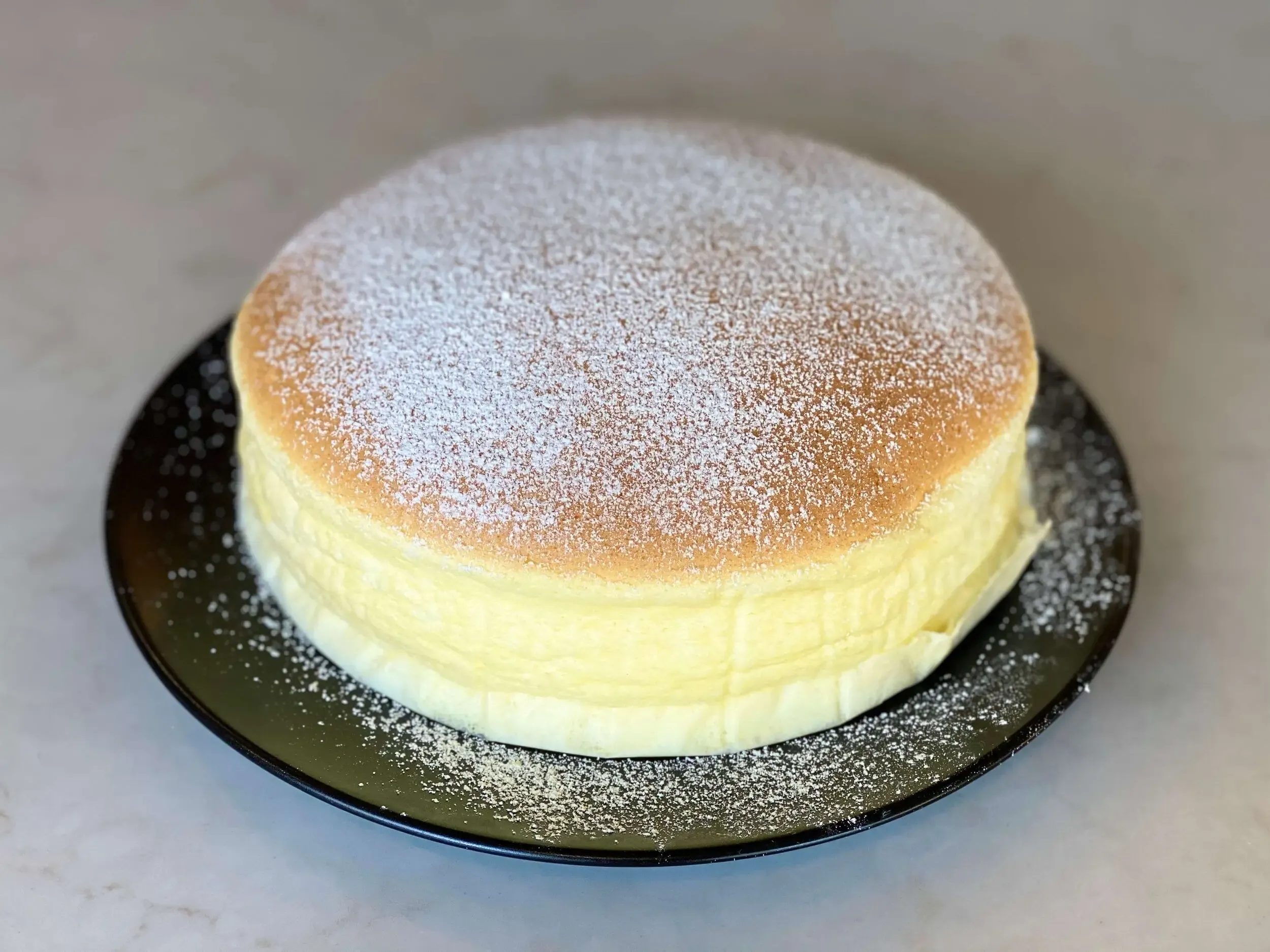
Table of Contents
Forget everything you think you know about cheesecake. That dense, often overly sweet brick of dairy? That's the American version. While lovely in its own right, it's a world away from the ethereal cloud that is authentic cheese cake japonais. This dessert doesn't just sit there; it *jiggles*. It’s light, airy, and melts in your mouth like a sweet, cheesy whisper.
Why Cheesecake Japonais is Different (And Better?)
Why Cheesecake Japonais is Different (And Better?)
so you're diving into the world of cheese cake japonais, eh? Prepare to have your mind, and your taste buds, slightly altered. This isn't your grandma's dense, crack-on-top New York style cheesecake. The difference lies fundamentally in its texture and the technique used to achieve it. While both use cream cheese, the Japanese version incorporates a meringue – those stiffly beaten egg whites folded in ever so gently. This is what injects air, creating that signature airy, cotton-soft crumb. Plus, it's baked in a water bath, which provides gentle, even heat, preventing it from drying out and contributing to that incredible jiggle. It's less about a rich, heavy dessert and more about a delicate, almost ephemeral experience.
Gathering Your Arsenal: The Essential Ingredients for Cheesecake Japonais
Gathering Your Arsenal: The Essential Ingredients for Cheesecake Japonais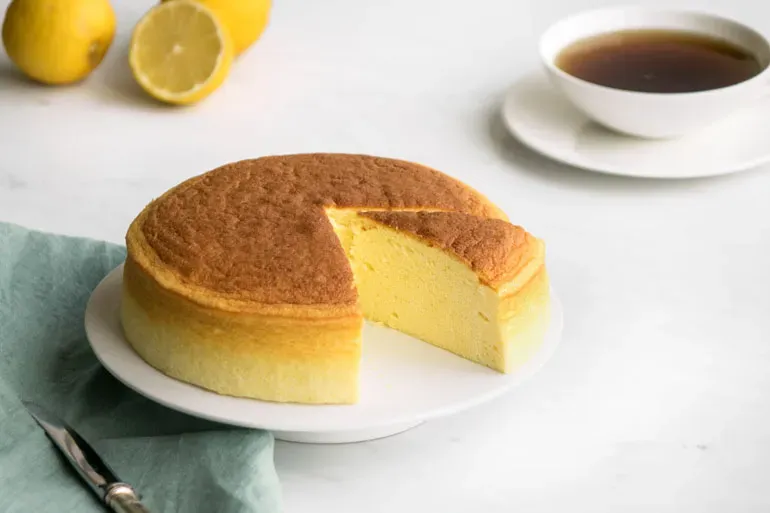
The Core Players: Cream Cheese, Eggs, and Dairy
Alright, let's talk ingredients. You can't make a proper cheese cake japonais without the right stuff. First up, cream cheese. Don't skimp here. Use a good quality, full-fat block cream cheese. The stuff in tubs often has stabilizers or extra water that can mess with the texture you're aiming for. You need it soft, so let it sit out at room temperature for a bit before you start. Then there are the eggs. You'll separate these, using yolks for richness and whites for that crucial meringue. Make sure they are fresh; stale eggs don't whip up as well. Finally, milk and butter round out the dairy base, adding moisture and fat for tenderness. Simple components, but their quality matters.
Getting the right temperature for your ingredients is key. Cold cream cheese will leave lumps. Cold eggs are harder to separate and the whites won't whip to their full potential. Think of it like prepping for a delicate science experiment – precision helps a lot. I remember the first time I tried this; I rushed the cream cheese softening, and spent way too long trying to whisk out tiny white pebbles. Learn from my impatience.
Flour Power and Sweet Support
Beyond the dairy and eggs, you'll need some dry ingredients to give your cheese cake japonais structure. All-purpose flour and cornflour (cornstarch) are your go-to here. The cornflour helps create that unique, slightly bouncy texture. Sifting these together before adding them to the wet ingredients is a good habit; it prevents lumps and ensures even distribution. Sugar, of course, provides sweetness, but also helps stabilize the meringue. Use granulated sugar, divided between the yolk mixture and the egg whites.
Lemon zest is often included for a bright, subtle flavor that cuts through the richness. It's optional, but highly recommended. A pinch of salt balances the sweetness. Some recipes call for a touch of cream of tartar in the meringue, which acts as a stabilizer, making your egg whites more robust. It's a small addition that can make a difference, especially if you're new to meringue.
- 200g full-fat block cream cheese, softened
- 60g milk
- 25g unsalted butter
- 5 large eggs, separated
- 100g granulated sugar, divided
- 40g all-purpose flour
- 10g cornflour
- Zest of 1/2 lemon (optional)
- Pinch of salt
- 1/4 tsp cream of tartar (optional, for meringue)
Mastering the Method: StepbyStep Cheesecake Japonais Recipe
Mastering the Method: StepbyStep Cheesecake Japonais Recipe
Getting the Base Just Right
so you've got your ingredients lined up. Now for the fun part – making the batter. First, grab a heatproof bowl and set it over a pot of simmering water (a double boiler setup). Combine your milk, softened cream cheese, and butter in that bowl. Whisk it gently until everything is smooth and melted together. You want it warm, not boiling. Take it off the heat and let it cool slightly.
Next, whisk in your egg yolks one at a time. Make sure each yolk is fully incorporated before adding the next. This is where you add your optional lemon zest and salt. Now, sift your flour and cornflour over the mixture. Gently whisk or fold it in until just combined. Don't overmix, or you'll develop the gluten in the flour, making your cake tough. The batter should be smooth and a little thick at this point.
The Meringue Magic and Gentle Folding
This is arguably the most crucial step for that signature fluffiness. In a separate, absolutely clean, grease-free bowl, whip your egg whites. Start on medium speed until they get foamy. If you're using cream of tartar, add it now. Gradually add the sugar a tablespoon at a time while continuing to whip on medium-high speed. Whip until you reach medium peaks – the whites should hold their shape but the tips will curl over slightly. Don't go all the way to stiff peaks; it makes folding harder.
Now for the delicate dance: folding the meringue into the cream cheese base. Take about a third of your meringue and add it to the yolk mixture. Fold it in relatively quickly to lighten the base. Then, add the remaining meringue in two additions. Use a spatula and a gentle cutting and folding motion. You're trying to incorporate the air from the meringue without deflating it. Stop as soon as you see no more white streaks. A few small lumps are better than a deflated batter. This is where patience pays off for your cheese cake japonais.
Key Folding Tips:
- Use a large rubber spatula.
- Cut down through the center of the bowl.
- Scoop the mixture from the bottom up and over.
- Rotate the bowl as you fold.
- Be gentle and deliberate.
- Stop folding when just combined.
Troubleshooting Your Cheesecake Japonais: Common Hiccups Solved
Troubleshooting Your Cheesecake Japonais: Common Hiccups Solved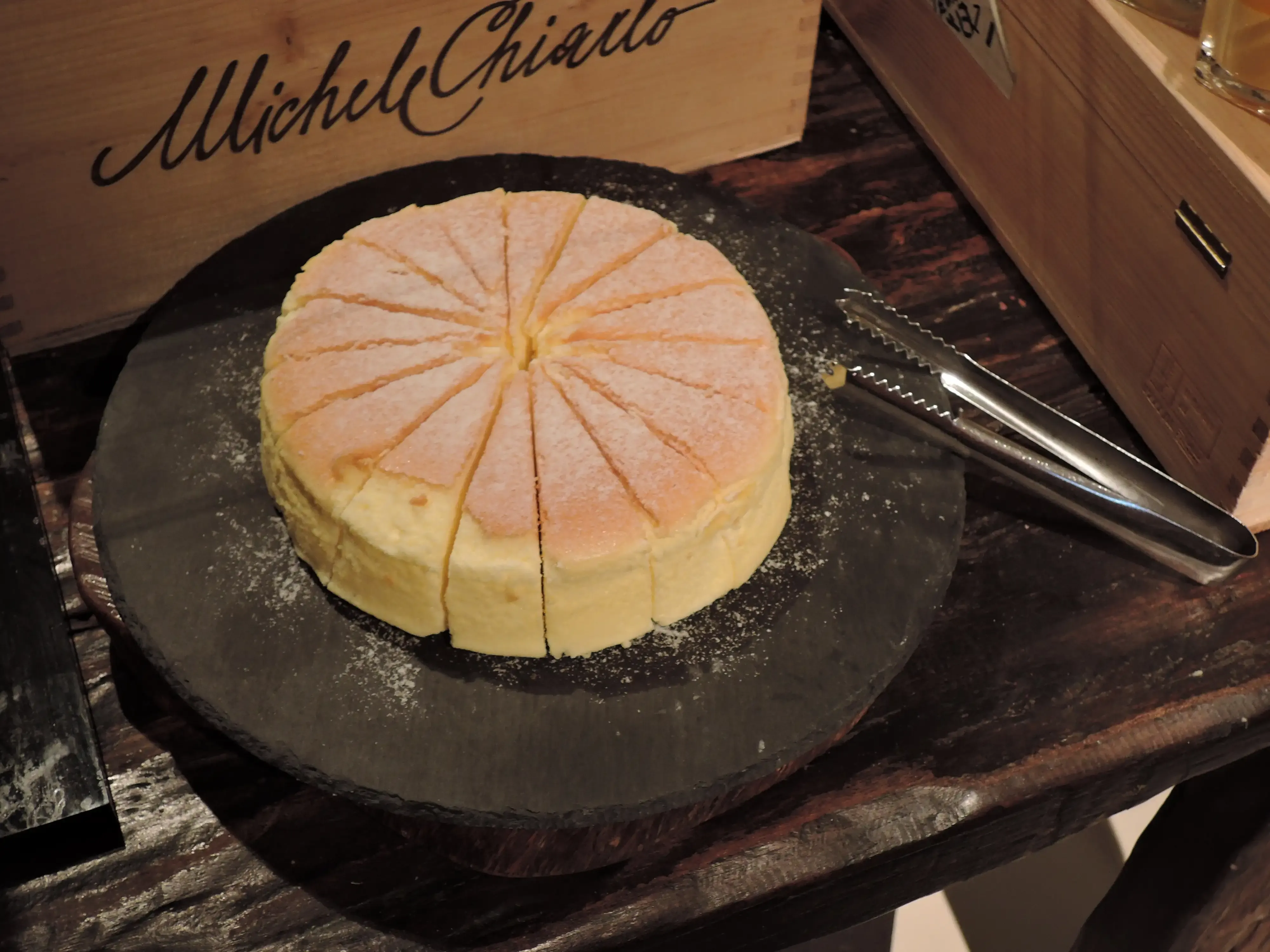
Why Did My Cheesecake Crack on Top?
Ah, the dreaded crack. You pull your beautiful cheese cake japonais from the oven, and there it is, a Grand Canyon splitting your perfect surface. Most often, this happens because the cake cooled too quickly or unevenly. The outside cools and contracts faster than the inside, causing tension that eventually gives way. Baking in a water bath helps significantly, but drafts in your kitchen or opening the oven door too soon can sabotage your efforts. Ensure your water bath is deep enough – hot water transmits heat gently. Also, resisting the urge to yank it out the moment the timer dings is crucial. Letting it cool gradually *inside* the turned-off oven with the door slightly ajar is your best defense.
Another culprit can be overmixing the batter, especially the meringue. Whipping the egg whites past medium peaks or folding them too vigorously incorporates too much air, creating a structure that's prone to collapsing or splitting as it cools. Remember, you're aiming for a delicate crumb, not a sturdy sponge. Handle that meringue like it's spun glass.
My Cheesecake Isn't Jiggly, It's Just... Cakey. What Went Wrong?
If your cheese cake japonais came out looking more like a standard cake than that mesmerizing, wobbly marvel, the texture issue likely stems from the meringue or the baking time/temperature. Not whipping the egg whites enough won't give you the necessary lift. Whipping them too much, while potentially leading to cracks, can also result in a slightly tougher texture. The goal is medium peaks, where the tips curl over.
Underbaking is another common cause of a non-jiggly cake. While you don't want to overbake (which leads to dryness and cracks), taking it out too soon means the interior hasn't fully set. The long, low-temperature bake after the initial higher heat is essential for cooking the center gently. Trust the process and the times provided. If it doesn't jiggle enticingly when you gently nudge the pan (not poke the cake!), it probably needs more time in the residual oven heat.
Common Cheesecake Japonais Problems & Fixes:
- **Cracked Top:** Cool slowly in the oven (door ajar), ensure deep water bath, don't overmix meringue.
- **Not Jiggly/Dense:** Whip meringue to medium peaks, ensure proper long, low-temp bake time.
- **Sunken Center:** Could be underbaking, overmixing, or too much air in meringue that collapsed.
- **Wet/Undercooked Bottom:** Water bath leaked into the pan, or not enough insulation on the bottom (wrap pan well!).
Serving and Storing Your Divine Cheesecake Japonais
Serving and Storing Your Divine Cheesecake Japonais
Alright, you've successfully navigated the baking minefield and your cheese cake japonais is cooling beautifully. Now for the best part: eating it. While it's tempting to dive in immediately, this cake truly shines when it's chilled. Pop it in the fridge for at least a couple of hours, preferably four or more. The flavors meld, and the texture becomes that perfect, slightly bouncy cloud. Serve it plain to appreciate its subtle nuances, or pair it with fresh berries, a light dusting of powdered sugar, or a delicate fruit sauce. This isn't a cake that needs heavy toppings; its elegance is in its simplicity. If you somehow manage to have leftovers (a rare feat, trust me), store it in an airtight container in the refrigerator. It holds up well for 3 to 4 days, remaining delightfully moist. Freezing isn't really recommended; it can change that delicate texture you worked so hard to achieve.
Simple Serving Suggestions:
- A dusting of powdered sugar
- Fresh strawberries or raspberries
- A light lemon or passion fruit sauce
- A dollop of unsweetened whipped cream
Your Jiggly Triumph Awaits
So there you have it. The journey to a perfect cheese cake japonais might involve a bit more fuss than tossing ingredients into a bowl, but the result is undeniably worth the effort. That signature jiggle, that melt-away texture – it’s proof that sometimes, the simplest ingredients, handled with a bit of care and patience, can create something truly extraordinary. It’s not just cake; it’s a culinary physics experiment that happens to taste fantastic. Go forth, preheat your oven, and make some magic happen.