Table of Contents
So, you want to make a cheesecake? Not just any cheesecake, but one that’s rich, creamy, and melts in your mouth. A lot of folks think cheesecake is tricky, but often, it comes down to understanding the building blocks. That's where the right cheese cake ingredient comes in. It’s not just about tossing things in a bowl; it's about quality, temperature, and how each component plays its part.
Getting Started: The Fundamental Cheese Cake Ingredients
Getting Started: The Fundamental Cheese Cake Ingredients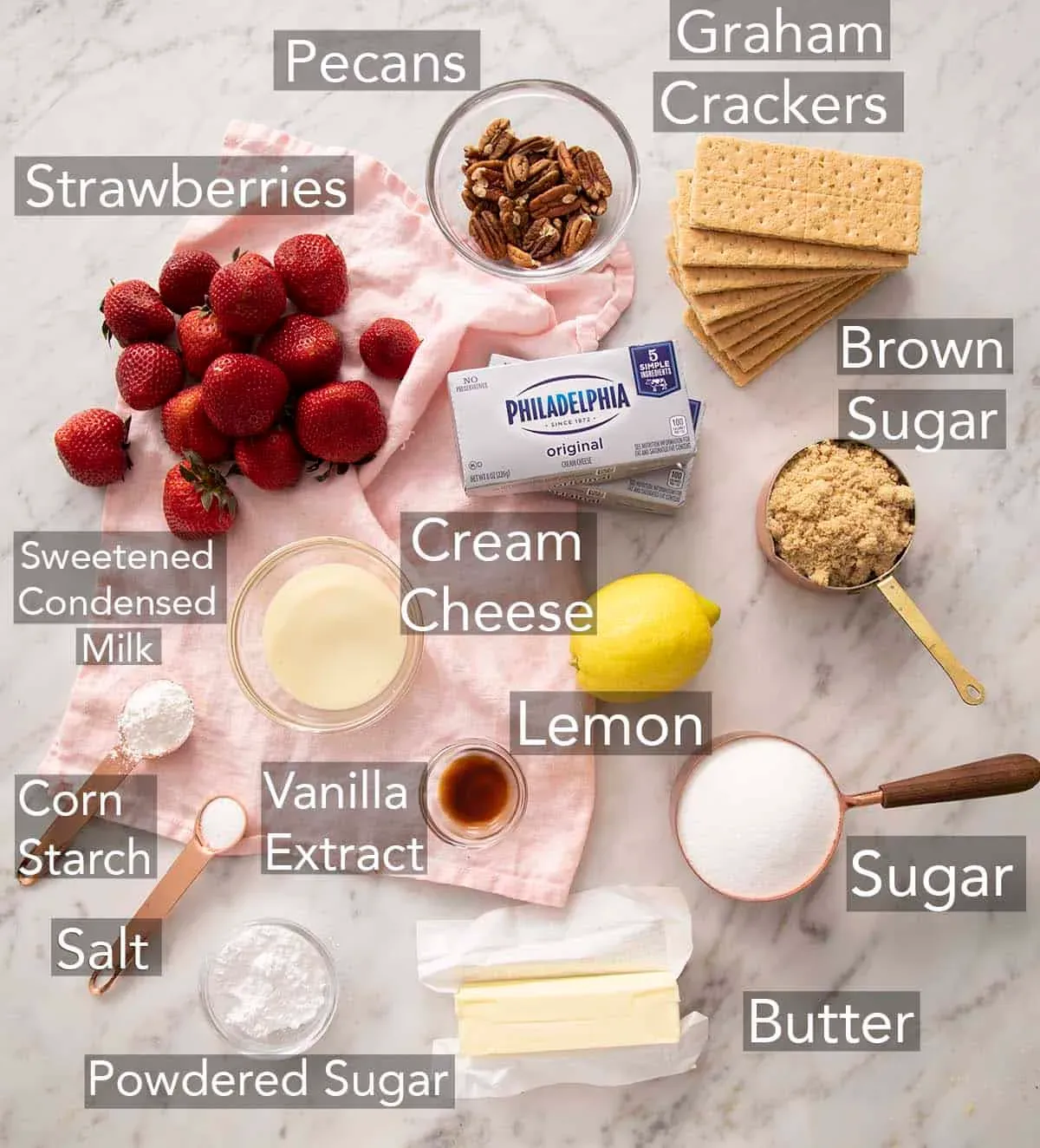
The Absolute Must-Haves
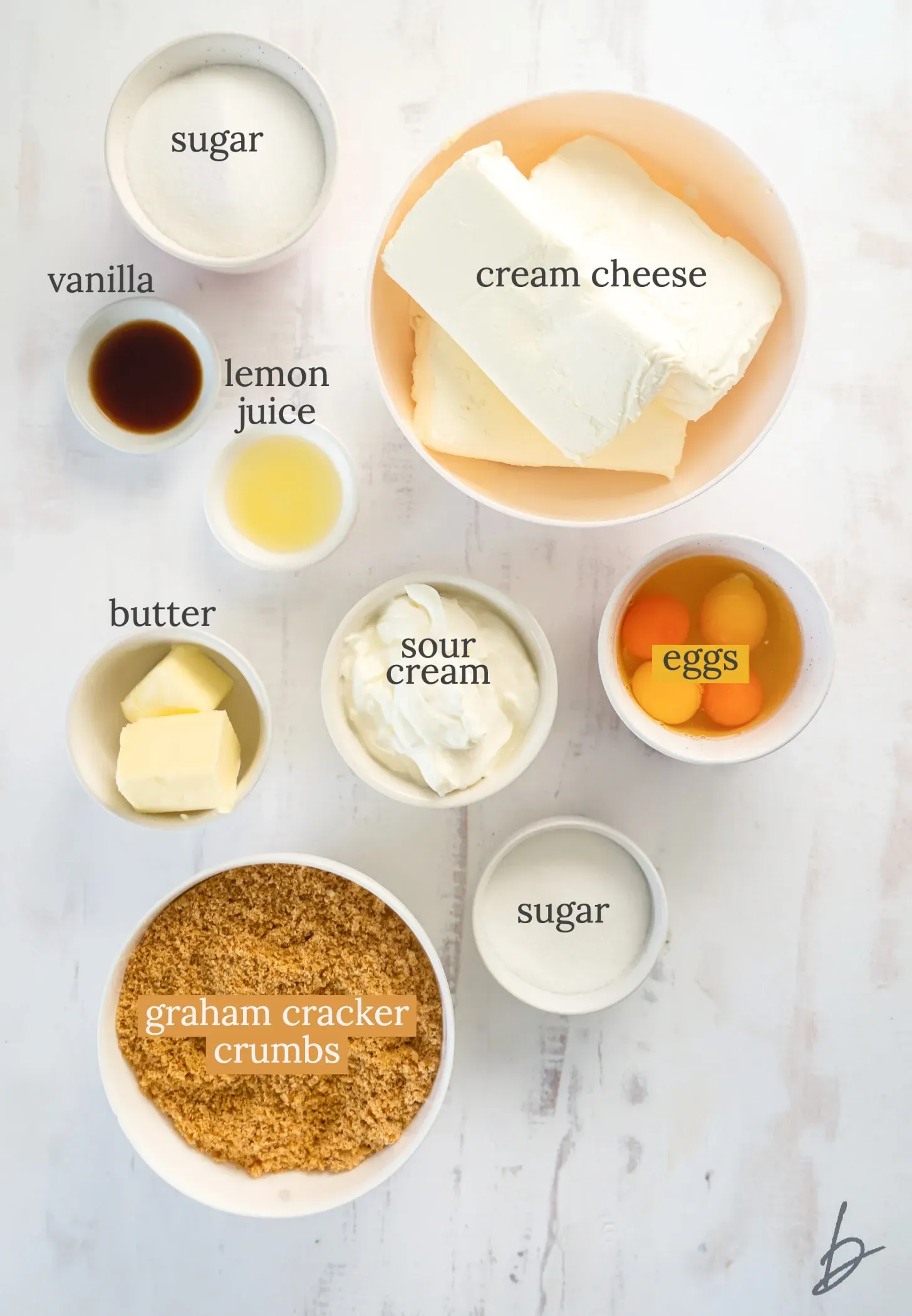
Alright, let's cut to the chase. When you're thinking about making a classic cheesecake, you're looking at a surprisingly short list of core players. The absolute foundation, the very soul of this dessert, is the cream cheese. You can't make a cheesecake without it, obviously. But it’s not just cream cheese; you'll need sugar to sweeten things up, eggs to bind it all together and give it structure, and usually some kind of dairy like sour cream or heavy cream for that signature silky texture. These are the non-negotiables, the bedrock cheese cake ingredients that every good recipe starts with.
Quality and Temp Matter More Than You Think
Look, you can buy the cheapest block of cream cheese on the shelf, but don't expect miracles. The quality of your main cheese cake ingredient, especially the cream cheese, makes a massive difference. Full-fat, block-style cream cheese is your friend here. Spreadable stuff in a tub? Leave it for bagels. Also, temperature is key. Trying to mix cold cream cheese is like trying to reason with a toddler – lumpy and frustrating. All your dairy and eggs should be at room temperature. This ensures a smooth, lump-free batter, which is crucial for that perfect, crack-free top.
- Full-fat block cream cheese
- Granulated sugar
- Large eggs
- Sour cream or heavy cream
- Vanilla extract
Crust Basics: More Than Just Support
While the filling is the star, the crust is the stage it performs on. For a classic cheesecake, you're usually talking about a graham cracker crust. This involves graham cracker crumbs, melted butter, and a touch of sugar. Simple, right? But the ratio matters. Too much butter and it's greasy; too little and it crumbles apart when you slice it. Pressing it firmly into the pan is also non-negotiable. Think of it as building a sturdy foundation. A good crust provides a necessary textural contrast to the creamy filling and adds another layer of flavor.
Cream Cheese and Dairy: The Heart of Your Cheesecake
Cream Cheese and Dairy: The Heart of Your Cheesecake
Cream Cheese and Dairy: The Heart of Your Cheesecake
Alright, let's talk about the real MVP here: the cream cheese. This isn't just *an* ingredient; it's *the* ingredient. Think of it as the foundation, the walls, and maybe even the roof of your cheesecake. Without good quality, full-fat block cream cheese, you're building on shaky ground. Those tubs of spreadable stuff? They have added air and stabilizers that mess with the texture when baked. You want the dense, pure cream cheese brick. And the dairy partners-in-crime? Sour cream or heavy cream. They don't just thin out the batter; they add that crucial tang (from sour cream) or extra richness (from heavy cream) and contribute significantly to that impossibly smooth, melt-in-your-mouth consistency we're chasing. Skimp here, and you might as well just make pudding.
Eggs and Sweeteners: Binding and Balancing Your Mix
Eggs and Sweeteners: Binding and Balancing Your Mix
The Unsung Heroes: Eggs
so cream cheese is the star, but eggs? They're the crucial supporting actors holding the whole production together. Think of them as the glue. Without eggs, your cheesecake would be a sad, runny mess. They provide structure, richness, and contribute to that smooth, creamy texture we're all after. But here's the kicker: you don't want to treat them like scrambled eggs. Over-mixing after adding the eggs is a one-way ticket to a cracked surface. Gentle incorporation is key. Just mix until they're *just* combined. Like the dairy, room temperature eggs blend more evenly into the batter, reducing the risk of lumps and making for a smoother final product.
Sugar's Role: More Than Just Sweetness
Now, let's talk about sugar. Obviously, it sweetens the cheesecake, balancing the tang of the cream cheese and sour cream. But it does more than satisfy your sweet tooth. Sugar helps create that silky texture by interfering with protein coagulation in the eggs and cream cheese. It also contributes to the browning around the edges and can even help prevent cracks by keeping the batter moist during baking. Most classic recipes call for granulated sugar, and sticking to that is usually your safest bet for consistent results. Don't mess with liquid sweeteners or brown sugar unless the recipe specifically says so – they'll mess with the chemistry.
Flavor Enhancers: Vanilla, Citrus, and Extracts
Flavor Enhancers: Vanilla, Citrus, and Extracts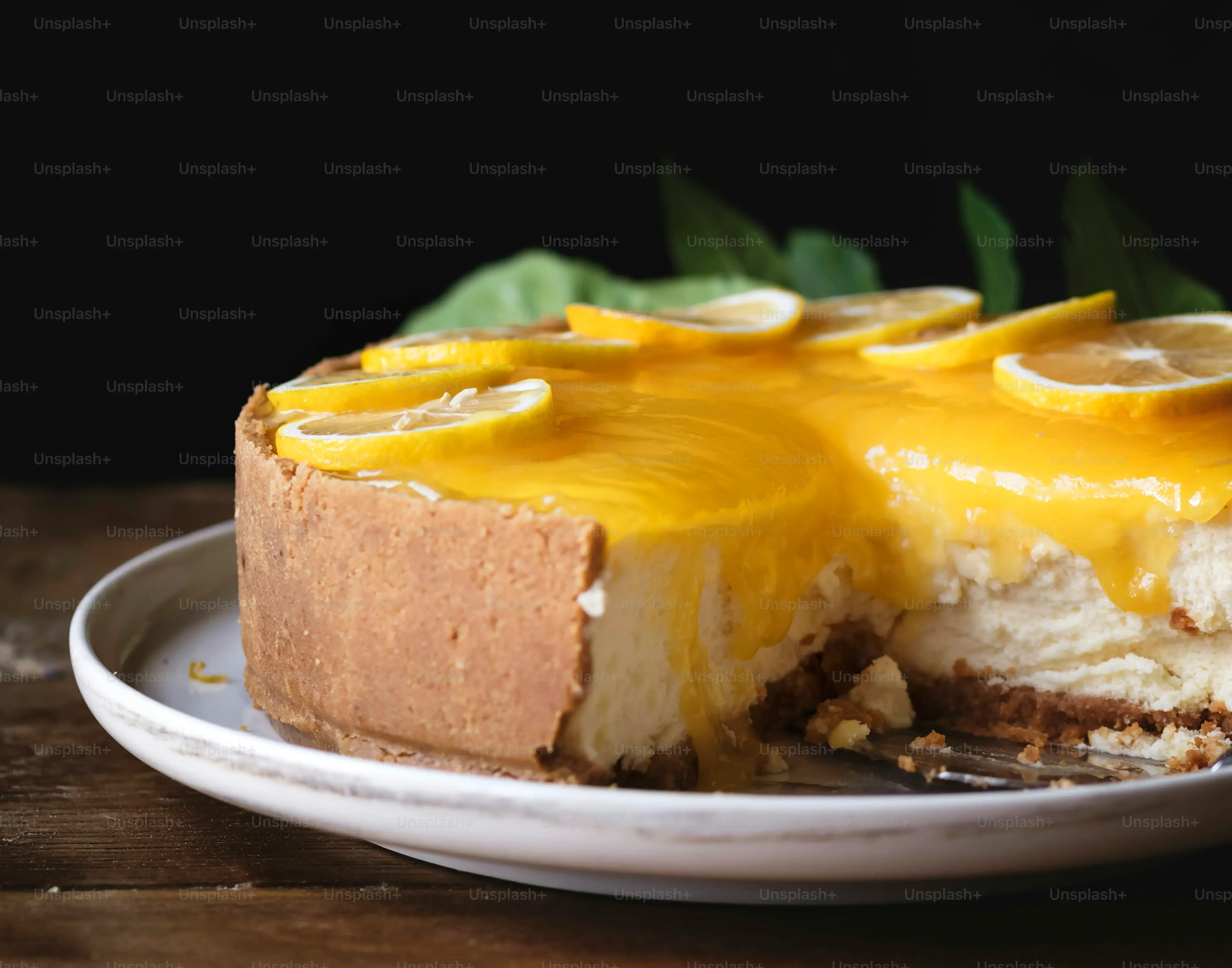
The Magic of Vanilla: Extract vs. Paste
so you've got your creamy base sorted with the essential cheese cake ingredient lineup. Now, let's talk about the stuff that makes it taste like more than just sweet, creamy cheese. Vanilla is the classic go-to, the little black dress of flavorings. It adds warmth and depth that you'd really miss if it wasn't there. You can use pure vanilla extract, which is standard, or step up your game with vanilla bean paste. The paste gives you those lovely little black speckles and a more intense, complex vanilla flavor. Artificial vanilla? Please, just don't. Your cheesecake deserves better than that fake stuff.
Citrus Zing: A Little Brightness Goes a Long Way
Ever notice how some cheesecakes have a little spark, something that cuts through the richness just slightly? That's often citrus at work. A tablespoon of fresh lemon juice or some finely grated lemon zest can elevate the entire dessert. It doesn't make it taste lemony, not usually anyway, but it provides a subtle brightness that balances the heavy creaminess. Think of it like a squeeze of lime on tacos – it just makes everything pop. A tiny bit of orange zest can also work, depending on the flavor profile you're aiming for.
What other little flavor boosters can make a difference?
- A pinch of salt (yes, even in dessert!)
- A splash of almond extract (use sparingly!)
- A bit of bourbon or other spirit (burn off the alcohol first)
Beyond the Classics: Experimenting with Extracts
While vanilla and citrus are the traditional flavor enhancers, there's a whole world of extracts out there if you're feeling adventurous. Almond extract pairs beautifully with cherry or berry toppings, but it's potent, so you only need a drop or two. You could try a maple extract for a fall-inspired cheesecake, or even a coffee extract for a tiramisu vibe. Just be mindful of the strength of these extracts. Start with a tiny amount, mix it in, and give your batter a quick taste (before adding eggs, obviously!) to get a feel for the intensity. It's your cheesecake; make it interesting.
Beyond the Basics: Adapting Your Cheese Cake Ingredient List
Beyond the Basics: Adapting Your Cheese Cake Ingredient List
Swapping Dairy for Different Textures
so you've mastered the classic. Now what? The fun begins when you start playing with the standard cheese cake ingredient lineup. Want a lighter, tangier cake? Swap some of the sour cream for plain Greek yogurt. It adds a fantastic cultured note and a slightly firmer set. Prefer something ridiculously rich? Use crème fraîche instead of sour cream. It's like sour cream went on a fancy vacation and came back even better. Just remember that these swaps can affect bake time and final texture, so be prepared to watch your oven a little more closely. It's not a one-to-one science experiment sometimes.
Or maybe you want to go dairy-free? That's a whole different ballgame and requires specific vegan cream cheese alternatives, often made from cashews or tofu. These require different binders and fats, so don't just try swapping them straight into a traditional recipe and expect it to work. That's like trying to fuel a jet with orange juice.
- Greek Yogurt: Adds tang, slightly firmer texture.
- Crème Fraîche: Adds richness, smoother mouthfeel.
- Mascarpone: Adds incredible richness and density.
- Vegan Cream Cheese Alternatives: Requires recipe adjustments.
Incorporating Mix-ins and Flavor Boosters
Cheesecake is a fantastic canvas for flavor. Once you have your base batter down, think about what you can fold in. Chocolate chips? Absolutely. Swirls of fruit puree or caramel? Yes, please. Bits of crushed cookies or candy bars? Go for it. The trick here is not to overload the batter, which can mess with the texture and cause sinking. Also, consider the moisture content of your additions. Fresh fruit needs to be handled carefully, often pre-cooked or roasted, to prevent it from weeping water into your beautiful cake and making it soggy.
What's the wildest thing you've ever put in a cheesecake batter?
Crust Variations: Stepping Away from Graham Crackers
While graham cracker crust is classic, your crust doesn't have to be. Think crushed Oreos, vanilla wafers, gingersnaps, or even pretzels for a sweet and salty twist. You can also use crushed nuts mixed with butter and a touch of flour for a gluten-free option. Just like with the filling, the key is the right ratio of crumbs to fat and sugar, and pressing it firmly into the pan. A well-made crust provides a crucial counterpoint to the creamy filling, offering crunch and a different flavor dimension. Don't neglect the base; it's holding up your masterpiece.
Wrapping It Up: Your Cheesecake Ingredient IQ
Alright, so we’ve broken down the key players in your cheesecake creation. You’ve seen why skimping on the main cheese cake ingredient, the cream cheese, is a bad idea, and how things like egg temperature and the right kind of sugar aren't just suggestions, they're directives if you want a smooth, crack-free outcome. Making a great cheesecake isn't some mystical art reserved for pastry chefs. It boils down to respecting your ingredients, understanding their roles, and handling them correctly. Now you know what goes into that perfect slice – go forth and bake something decent.