Table of Contents
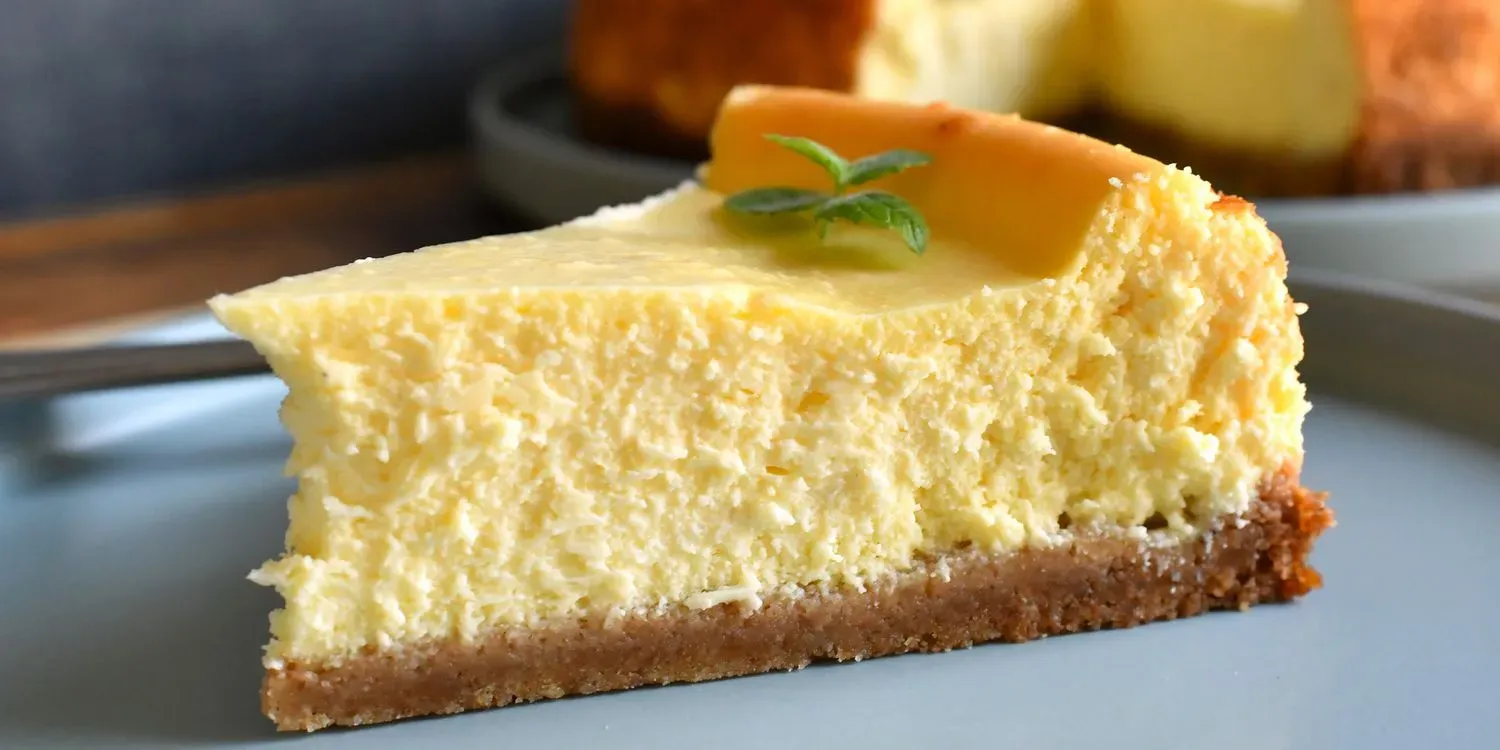
Let's be honest, there's something undeniably special about a really good cheesecake. Not the dry, crumbly stuff you sometimes find, but that smooth, rich, impossibly creamy slice that melts in your mouth. Achieving that level of perfection with a cheese cake homemade can feel like a culinary Everest for some. Maybe you've tried before and ended up with a giant crack down the middle, a soggy bottom, or a texture closer to rubber than velvet. It happens to the best of us.
The Essential Guide to Cheese Cake Homemade: Why Bother?
The Essential Guide to Cheese Cake Homemade: Why Bother?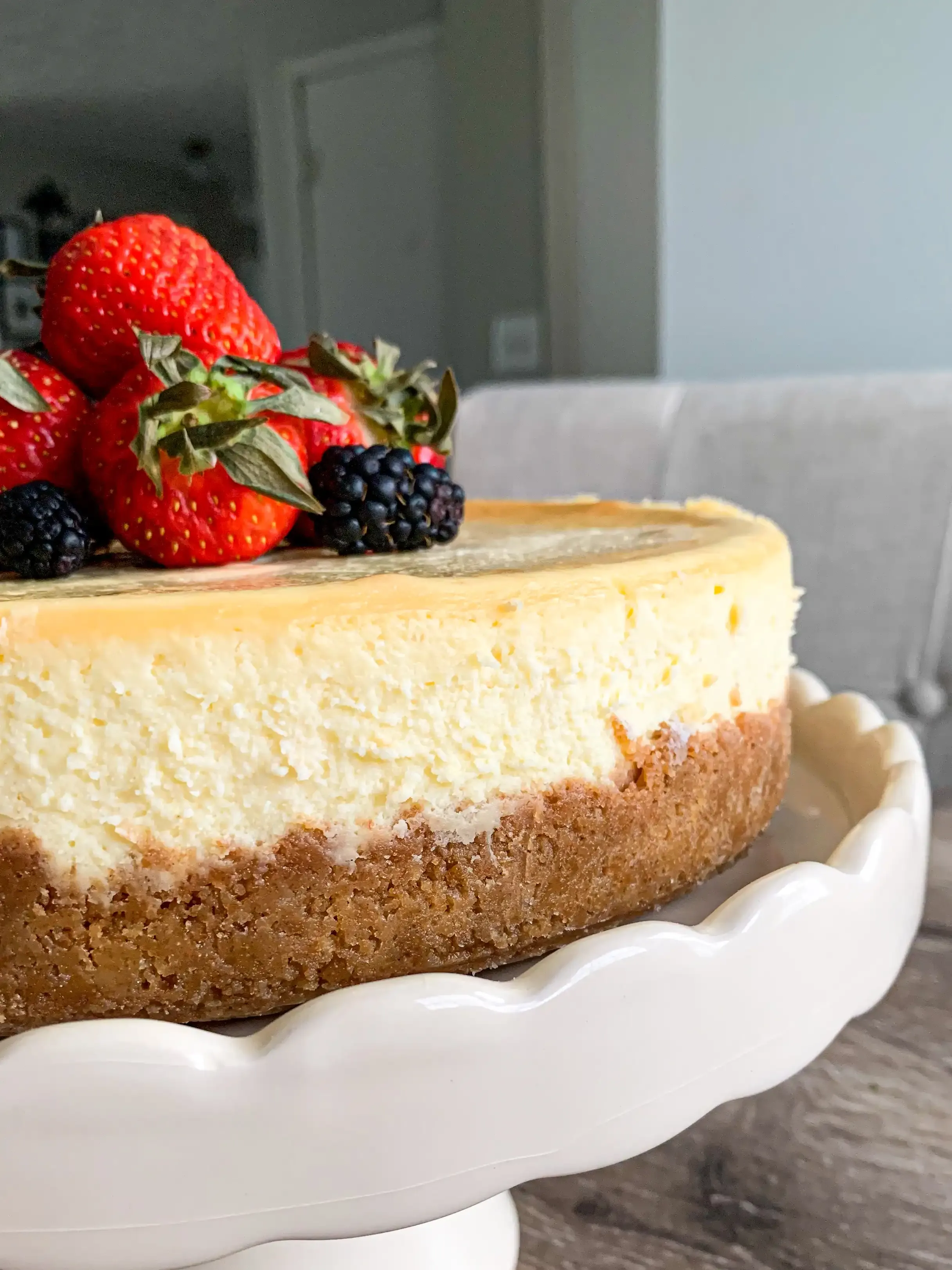
Taste That Beats the Bakery
Alright, so why even bother tackling a cheese cake homemade when you can just grab one from the store or a bakery? Let's talk about taste, pure and simple. A truly great homemade cheesecake has a depth of flavor and a creamy texture that's just different. It's richer, smoother, and you can control the nuances. You know exactly what's going into it – good quality cream cheese, fresh eggs, real vanilla.
Think about that first bite of a perfectly baked, chilled cheese cake homemade. It's a moment. Store-bought? Often bland, sometimes rubbery, and usually loaded with stabilizers you can't pronounce. When you make it yourself, you get that authentic, melt-in-your-mouth experience. It's the difference between a generic print and a hand-painted masterpiece.
Taking Control: Ingredients and Your Wallet
Beyond just taste, making cheese cake homemade gives you complete control. You choose the cream cheese, the sugar level, the type of crust. Want a thicker graham cracker crust? Go for it. Prefer less sugar? You can adjust it. Plus, let's not ignore the economics. Buying a decent cheesecake from a bakery can cost a pretty penny. Making one yourself, even with quality ingredients, is almost always cheaper. You get more bang for your buck, and a much better dessert.
It feels good knowing exactly what ingredients are in the dessert you're serving your family and friends. No mystery fillers or artificial flavors. Just simple, honest ingredients coming together to create something spectacular. That transparency is a huge win in my book.
- You choose the quality of ingredients.
- You control the sugar and flavor profile.
- It's generally more cost-effective than buying.
- You avoid artificial additives and preservatives.
The Sheer Satisfaction of Creation
Let's be honest, there's a certain pride that comes with pulling a beautiful cheese cake homemade out of your oven (after it's cooled properly, of course!). It's a project, sure, but a rewarding one. Handing someone a slice of cheesecake you made from scratch? That's a whole different level of host points. People appreciate the effort, and they'll definitely appreciate the taste.
Sure, there might be a learning curve, maybe a minor crack or two on your first attempt. But overcoming those small hurdles and achieving that perfect, creamy result? That's incredibly satisfying. It’s more than just dessert; it’s a little bit of culinary accomplishment, a sweet victory you get to share.
Ingredients & Prep: Building Your Perfect Cheese Cake Homemade
Ingredients & Prep: Building Your Perfect Cheese Cake Homemade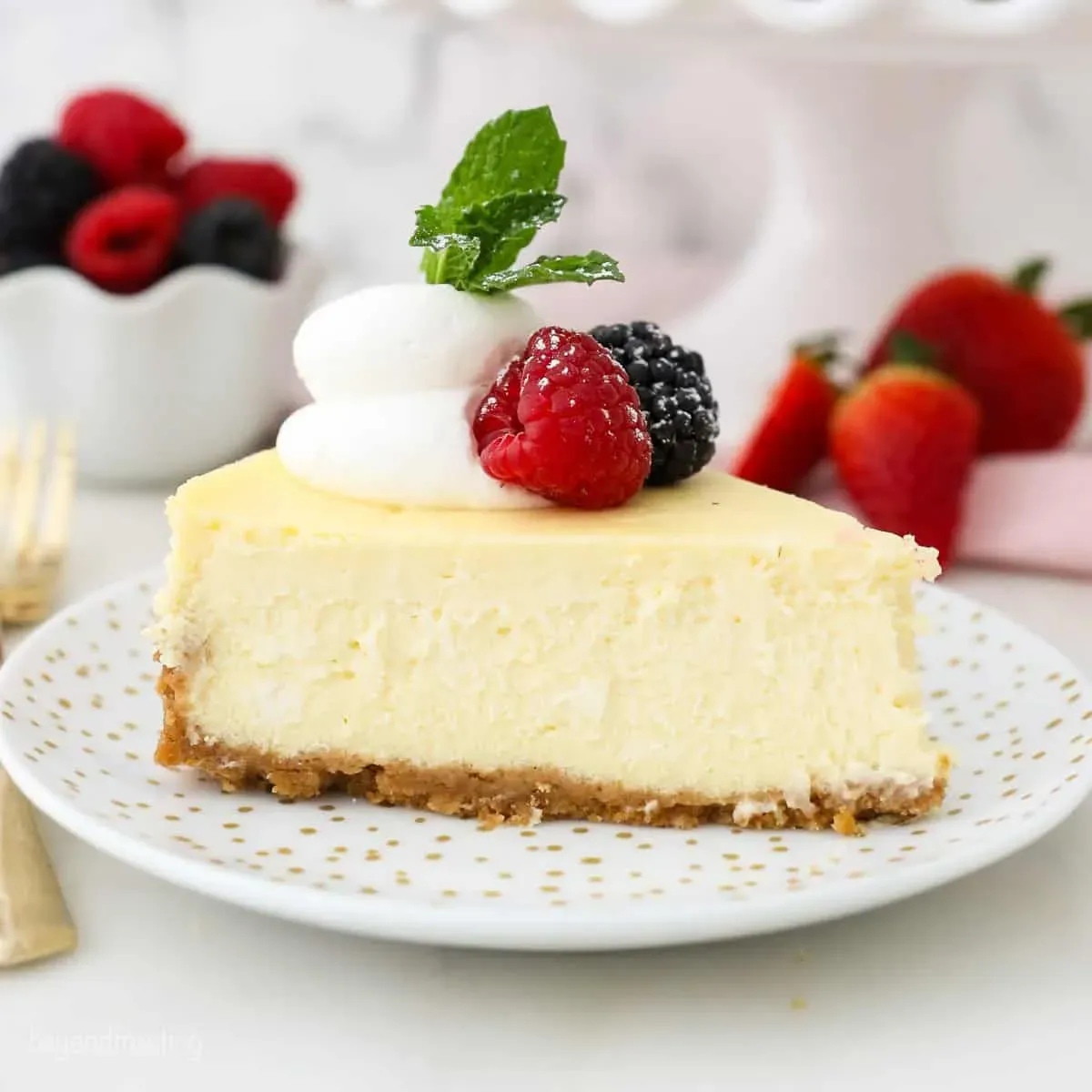
Cream Cheese: The Foundation of Greatness
Alright, let's talk about the star of the show: cream cheese. You absolutely cannot skimp here if you want a stellar cheese cake homemade. That cheap stuff? Leave it on the shelf. You need full-fat, block cream cheese. Not the whipped kind, not the light version. Those have too much water or air, and they won't give you that dense, creamy texture you're chasing.
And here's the kicker, the one thing that trips up so many people: your cream cheese *must* be at room temperature. Seriously, take it out of the fridge hours before you plan to bake. Trying to beat cold cream cheese results in lumps, and lumps mean a grainy cheesecake. Nobody wants a grainy cheesecake. It’s a simple step, but non-negotiable for a smooth batter.
Sugar, Eggs, and Vanilla: The Supporting Cast
Beyond the cream cheese, the other ingredients play critical roles in your cheese cake homemade. Granulated sugar is standard, giving sweetness and structure. Don't mess with the sugar amount unless you really know what you're doing; it affects texture as much as sweetness. Eggs bind everything together and add richness. Like the cream cheese, use large eggs and make sure they are also at room temperature. Cold eggs don't emulsify as well, leading to potential separation.
Vanilla extract adds that essential warmth and depth. Use the real stuff, not imitation. A splash of sour cream or heavy cream is often included to add moisture and tang, contributing to that classic creamy texture. Again, room temperature is key for these dairy components too. It helps everything blend seamlessly.
- Full-fat block cream cheese (room temp)
- Large eggs (room temp)
- Granulated sugar
- Real vanilla extract
- Sour cream or heavy cream (room temp, if using)
- Graham crackers, butter, sugar for the crust
Crust and Batter Basics: Don't Overthink It
Most cheese cake homemade recipes start with a simple graham cracker crust. Crush your crackers fine, mix with melted butter and a little sugar, then press it firmly into your springform pan. Pressing it up the sides creates a nice edge. Bake it for a few minutes before adding the filling; this helps prevent a soggy bottom, which is just depressing.
Now, the batter. This is where you need a light hand. Cream the room temperature cream cheese until smooth. Gradually add sugar, then the other dairy (sour cream, etc.), mixing just until combined. Add the room temperature eggs *one at a time*, mixing on low speed just until the yolk disappears. Over-beating the eggs incorporates too much air, and that air expands and collapses during baking, causing cracks. Low and slow is the name of the game once the eggs go in.
Baking Your Cheese Cake Homemade: Avoiding Cracks & Sinks
Baking Your Cheese Cake Homemade: Avoiding Cracks & Sinks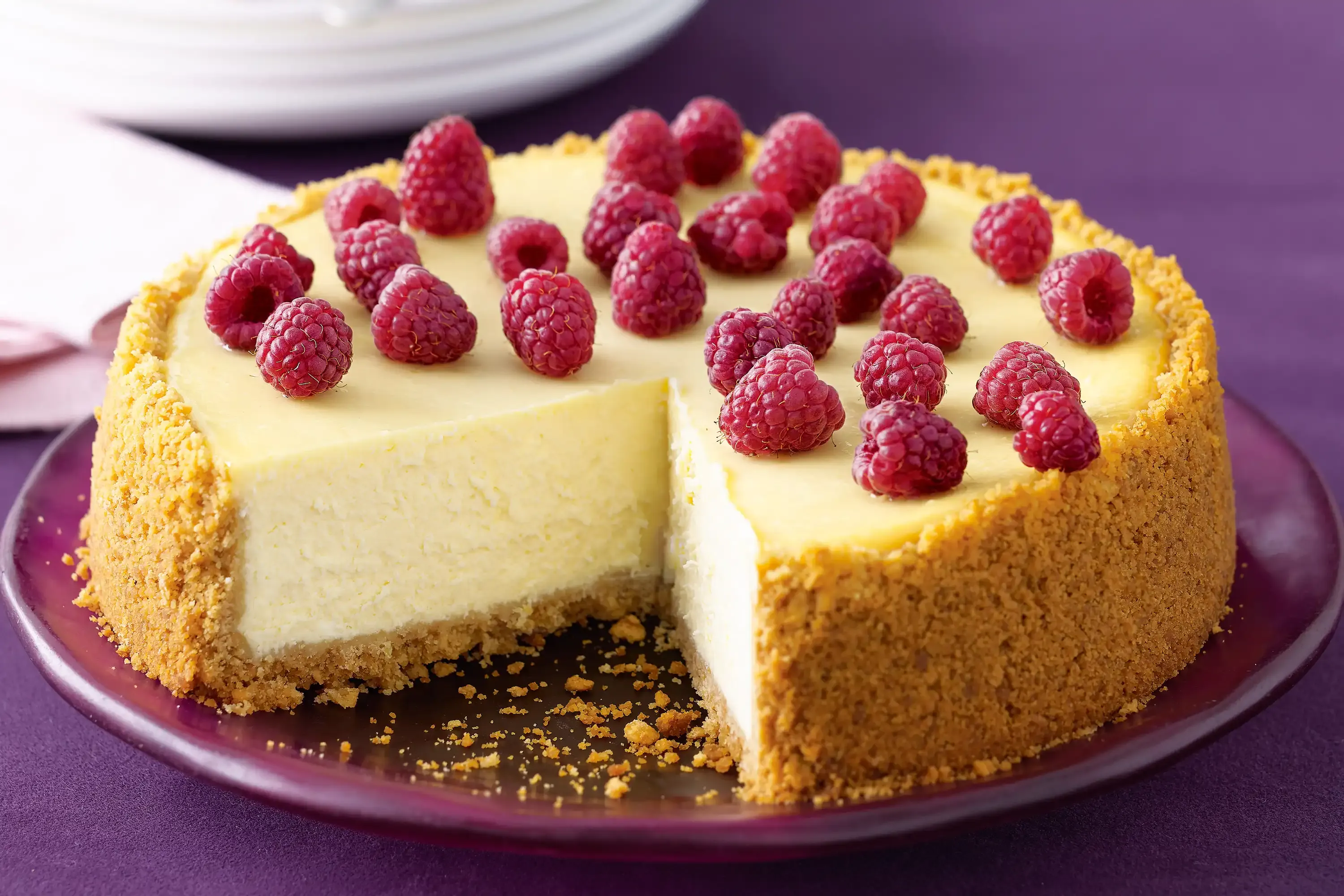
Baking Your Cheese Cake Homemade: Avoiding Cracks & Sinks
So, you've got your perfectly smooth batter in the pan, the crust is pre-baked, and you're ready to make magic. The baking phase for your cheese cake homemade is where a lot of potential heartbreak happens. The biggest enemies are high heat and sudden temperature changes. Baking a cheesecake is more like gently coaxing it into submission than blasting it with heat. Use a lower temperature than you might think, often around 325°F (160°C). This allows the center to set slowly and evenly. You're looking for the edges to be set, maybe slightly puffed, while the center is still a little wobbly – like firm Jell-O. Don't bake it until the center is completely firm; it will continue to cook as it cools. Opening the oven door repeatedly is a no-go; every time you do, you drop the temperature, stressing the cake and increasing the chances of a crack. Trust your oven timer and maybe invest in an oven thermometer to be sure of the actual temperature.
The Crucial Cooling & Chilling Steps for Cheese Cake Homemade
The Crucial Cooling & Chilling Steps for Cheese Cake Homemade
The Gentle Oven Cool-Down
you've baked your cheese cake homemade, it looks golden around the edges, maybe a slight wobble in the center. Resist the urge to yank it out immediately. Sudden temperature shifts are the archenemy of a smooth, crack-free top. What you need to do is turn off the oven but leave the cheesecake inside. Prop the oven door open an inch or two. This allows the cake to cool down gradually with the oven. It's like letting it ease into retirement instead of pushing it off a cliff. This slow transition is critical for preventing that heartbreaking crack right down the middle that screams "amateur hour." Give it about an hour in there.
Room Temp is Your Friend
After its oven spa treatment, it's time to bring your cheese cake homemade out into the real world. Place the springform pan on a wire rack. This allows air to circulate underneath, helping it cool evenly. Don't try to rush this either. Let it sit at room temperature until the pan is completely cool to the touch. This can take another 2-3 hours, maybe more depending on your kitchen temperature. Patience is a virtue in cheesecake making. Trying to move it to the fridge while it's still warm is another express ticket to Crack City.
While it cools, you might notice the edges pull away from the pan slightly. This is normal contraction as it cools. Some folks like to run a thin knife around the edge after about an hour of room temp cooling to help this process along, reducing stress on the cake's surface. It's a little extra insurance against cracks.
- Turn off oven, prop door open.
- Leave cheesecake inside for 1 hour.
- Transfer to wire rack at room temp.
- Cool completely for 2-3 hours.
- (Optional) Run knife around edge after 1 hour of room temp cooling.
The All-Important Chill Time
Once your cheese cake homemade is completely cool to the touch – I mean, completely – cover it loosely with plastic wrap. Don't press the plastic directly onto the surface yet; you don't want condensation marks. Now, into the fridge it goes. This isn't just about getting it cold; it's where the cheesecake finishes setting and develops its final dense, creamy texture. You need to chill it for at least 4-6 hours, but overnight is truly best. Seriously. Trying to slice a warm or even just cool cheesecake is a messy business. It won't hold its shape, and the texture won't be right. The fridge time is non-negotiable for that perfect slice.
Your Cheese Cake Homemade Victory
So there you have it. Making a cheese cake homemade isn't some dark art practiced only by pastry wizards. It boils down to paying attention to the details we've covered – getting those ingredients right, mixing with a gentle hand, handling the heat and cooling with care. You might still encounter a minor imperfection now and then, because that’s baking, not a sterile lab experiment. But armed with these steps, you’re significantly increasing your odds of pulling a genuinely impressive, creamy, crack-free cheesecake out of your oven. Go forth and bake something worth bragging about.