Table of Contents
You know that feeling when you slice into a perfect cheesecake? That creamy, rich goodness that just hits the spot. Most of us probably picture a classic New York-style dessert, maybe with a strawberry swirl or graham cracker crust. But what if I told you the story of that delicious slice goes way, way back? The realcheese cake historyisn't some modern invention or even just a few centuries old. It's a tale that stretches back thousands of years, across continents and empires, starting not in a fancy bakery, but perhaps on a dusty ancient Greek island as fuel for athletes.
The Ancient Roots of Cheese Cake History: Fuel for Athletes?
The Ancient Roots of Cheese Cake History: Fuel for Athletes?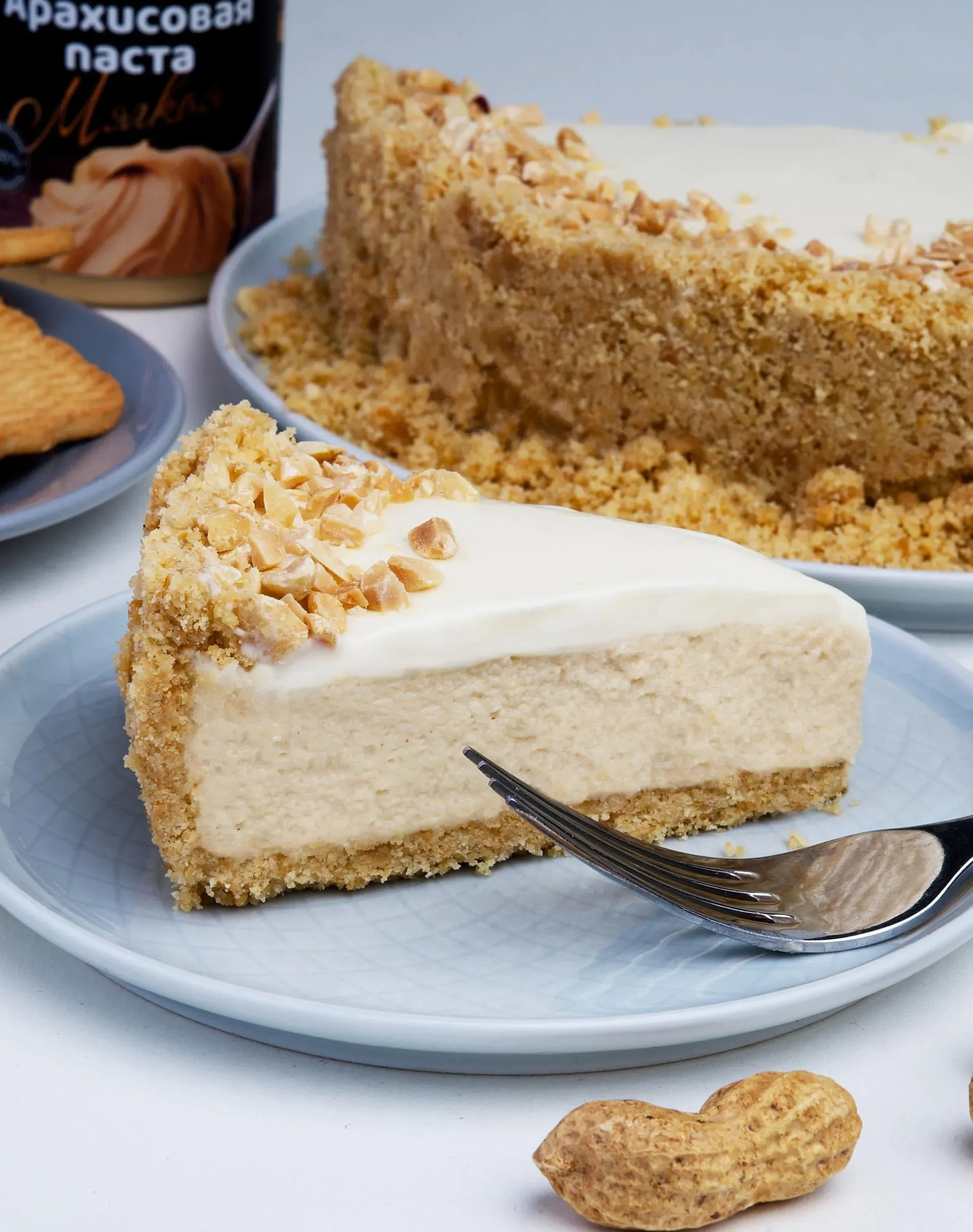
Tracing the Earliest Crumbs of Cheese Cake History
Forget the image of a delicate dessert served after dinner. The earliest whispers ofcheese cake historydon't involve birthday candles or fancy toppings. We're talking ancient Greece, like way back, possibly on the island of Samos around 2000 BCE. This wasn't a treat; it was survival food, energy bars for a world without protein shakes. Think simple ingredients: cheese, honey, wheat. Baked on a hot stone, probably tasted more like a dense, slightly sweet bread than the creamy confection we know today. It fueled folks, maybe even the athletes competing in the first Olympic Games in 776 BCE. Imagine, the original power snack wasn't some engineered goo, but essentially primitive cheesecake.
Aegimus and the Written Word
While the Samos theory is based on archaeological findings, the first *written* mention pops up much later, around the 5th century BCE. A Greek physician named Aegimus wrote a book, though sadly lost to time, about the art of making cheesecakes. This suggests it wasn't just some peasant food anymore; it had a recognized process, maybe even variations. They called it "plakous," which just means "flat mass," not exactly appetizing, but descriptive. It confirms that by classical times, this cheese-based concoction was established enough to warrant its own treatise, moving from pure utility towards something slightly more considered.
More Than Just Dessert: Purpose in Antiquity
These ancient cheese cakes weren't relegated to the end of a meal. They served multiple purposes. As mentioned, they were potent energy sources, easy to transport and relatively filling. They were also likely used in religious ceremonies, offered to the gods. The simplicity of the ingredients meant they could be made by most households. This wasn't a complex culinary feat requiring specialized tools; it was basic agriculture and dairy combined. The focus was on nourishment and perhaps symbolic offering, a far cry from the elaborate, multi-layered affairs of moderncheese cake history.
Rome Takes Over: Spreading the Cheese Cake Love Across an Empire
Rome Takes Over: Spreading the Cheese Cake Love Across an Empire
Roman Adaptation: From Plakous to Placenta
When the Romans conquered Greece, they didn't just take their statues and philosophy; they took their food too. The humble Greek "plakous" got a Roman makeover. They called their version "placenta," which, thankfully, has nothing to do with human anatomy and everything to do with layers. Roman placenta was a richer, more elaborate affair. Think multiple layers of dough filled with cheese and honey, often flavored with bay leaves. It was baked, and sometimes served warm. This wasn't just a simple energy source anymore; it was becoming a dessert, a dish worthy of Roman tables, moving thecheese cake historyforward from rustic utility to culinary craft.
Cato the Elder's Recipes: Evidence in Writing
We know about Roman placenta thanks to writers like Cato the Elder. In his work *De Agri Cultura* (On Agriculture), written around 160 BCE, he includes recipes for various cakes, including *libum* and *placenta*. Libum was simpler, a small cake used for religious offerings, made with cheese, flour, and egg. Placenta, though, was the showstopper. His recipe for placenta is detailed, describing alternating layers of dough and a cheese mixture. This wasn't a vague instruction; it was a recipe meant to be followed, showing that by the mid-Republic, cheesecake, or its direct ancestor, was a recognized part of Roman cuisine, documented for posterity.
Imperial Expansion: Taking Cheesecake Across Europe
As the Roman Empire expanded, so did their culinary habits, including their love for placenta. Wherever Roman legions marched and settled, they brought their agricultural practices, their building techniques, and their recipes. This meant the cheese-honey-flour combination, now refined and documented, spread throughout what is now Italy, across Gaul (modern France), into Britannia (Britain), and other parts of Europe. Local variations likely emerged based on available ingredients and cooking methods, but the core concept, established in Greece and enhanced by the Romans, became embedded in the culinary landscape of the continent, laying crucial groundwork for the later chapters incheese cake history.
Medieval Morsels and European Twists in Cheese Cake History
Medieval Morsels and European Twists in Cheese Cake History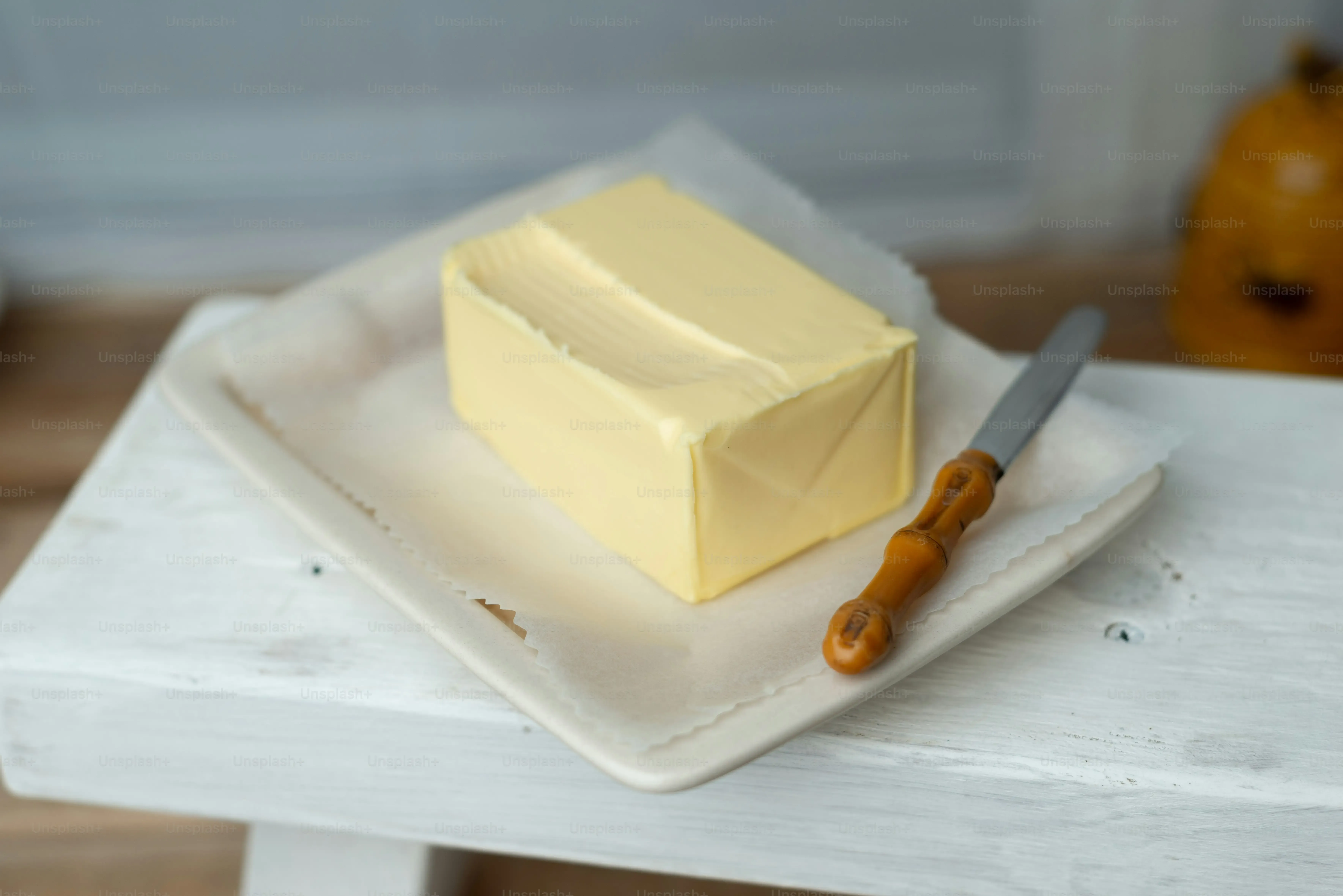
Surviving the Dark Ages: Cheese Cakes Endure
so the Roman Empire crumbled, right? You might think that fancy layered "placenta" disappeared with it. Not so fast. The concept of combining cheese, grains, and sweetener was too good, too practical, to just vanish. As Europe entered the medieval period, the idea persisted, though likely in simpler, more rustic forms depending on the region and who you were. Monasteries, often centers of learning and agriculture, kept some culinary traditions alive. Peasant households relied on basic ingredients. The elaborate Roman layers might have faded for a bit, but the core idea of a cheese-based baked good stuck around, quietly continuing the longcheese cake history.
Regional Innovations and Ingredients
Across medieval Europe, different areas started putting their own spin on things. What cheese was available? What grains grew well? Did they have access to eggs or butter? These factors shaped the local "cheese cakes." English recipes from this era mention "cheese tarts" or "cheese pies," sometimes using curds, eggs, and spices like nutmeg or cinnamon, often baked in a pastry shell. German versions might have used quark or cottage cheese. It wasn't a single, unified dessert; it was a family of baked goods, each reflecting the larder and tastes of its locale. This period was less about a grand, documented evolution and more about scattered, practical adaptations.
Towards a Creamier Future
While many medieval versions were still quite firm, more like a savory tart or a dense pudding, the seeds for a creamier texture were being sown. The increased use of eggs and sometimes butter, combined with softer cheeses or curds, started moving these dishes away from the ancient, dense "plakous." They were becoming less of an energy bar and more of a dish intended for pleasure, served at banquets or special occasions. The term "cheesecake" itself started appearing in English texts by the 15th century, signaling its identity as a distinct type of food, a significant marker in the evolvingcheese cake history.
The Birth of the Modern American Cheese Cake: A New York Story
The Birth of the Modern American Cheese Cake: A New York Story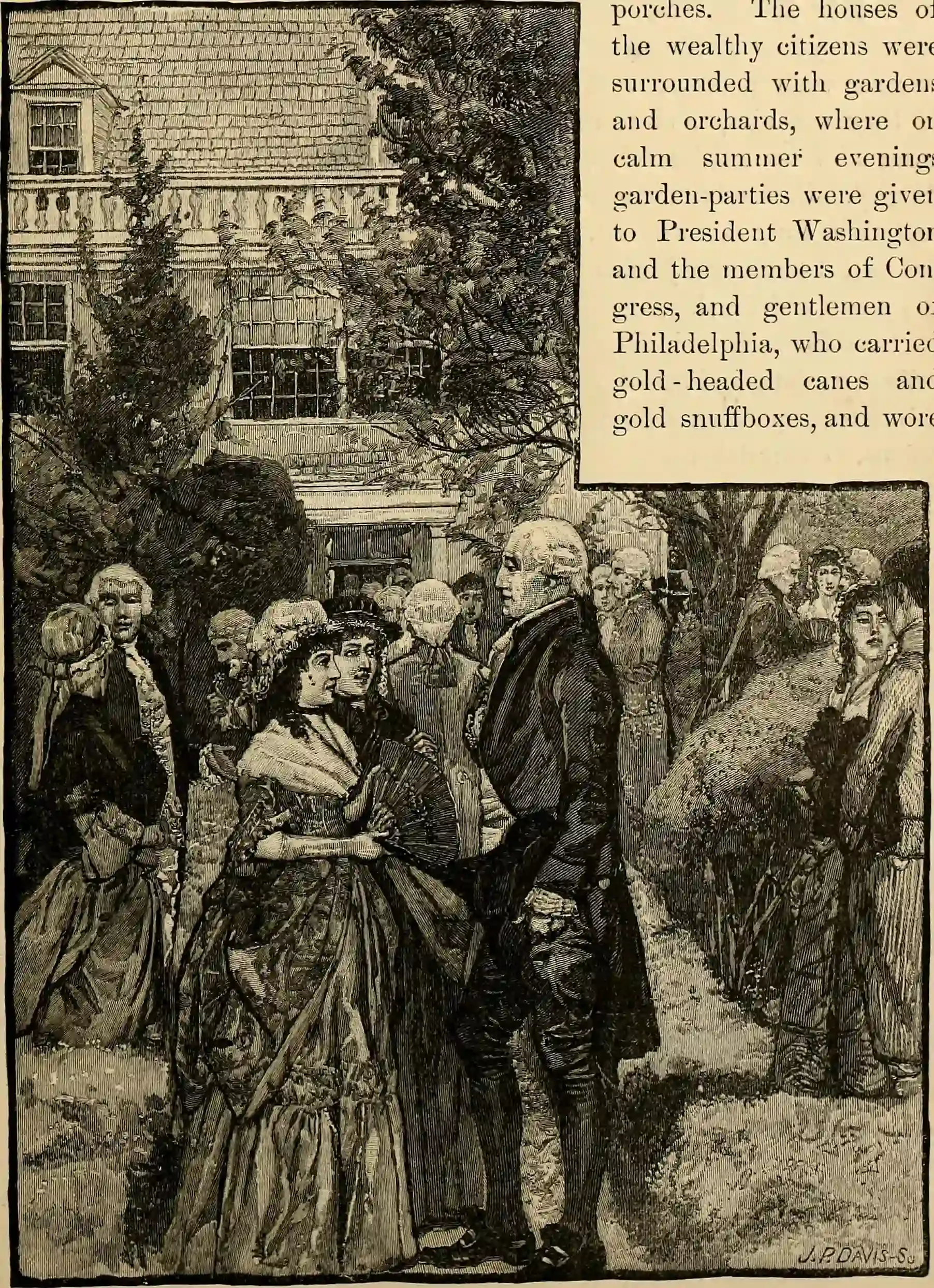
The Game Changer: American Cream Cheese
so we've traced cheesecake back through Roman layers and medieval tarts. But where does the creamy, dense slice you crave today come from? That story really kicks off in America, specifically in the late 19th century. European immigrants brought their cheese-based dessert traditions with them, but the real revolution happened in 1872. An American dairyman, William Lawrence of Chester, New York, was trying to recreate Neufchâtel, a soft French cheese. Instead, he accidentally created a richer, tangier, and ultimately more spreadable cheese by adding extra cream. He called it "cream cheese." This wasn't just another cheese; it was *the* ingredient missing from the puzzle, paving the way for the moderncheese cake historywe recognize.
New York Lays Claim to the Crown
With cream cheese readily available, bakers across the country started experimenting. But it was New York City that truly perfected and popularized the style that became synonymous with American cheesecake. Think dense, smooth, and often towering. Legends like Lindy's and Reuben's restaurants in the early 20th century became famous for their versions, attracting crowds and solidifying the "New York-style" definition: heavy on the cream cheese, often with eggs and sugar, baked slowly to achieve that signature creamy texture, and typically sitting on a simple graham cracker crust. It was a far cry from the ancient Greek energy bar, a true indulgence born from a happy dairy accident and urban culinary competition.
Global Variations and the EverEvolving Cheese Cake History
Global Variations and the EverEvolving Cheese Cake History
Beyond the Big Apple: Worldwide Takes on Cheese Cake History
While New York might claim the modern crown, the globalcheese cake historyis far from a one-city show. Travel outside the U.S., and the dessert transforms dramatically. Head to Japan, and you find a jiggly, airy "soufflé cheesecake" that's light as a cloud, made with whipped egg whites. In Italy, it's often a ricotta-based version, less dense, sometimes flavored with lemon zest or candied fruit, reflecting centuries of using fresh ricotta. Germany and Poland have their "sernik," typically made with quark, a fresh dairy product that gives it a distinct tang and texture, often baked with a crumb topping or fruit. Spain's Basque cheesecake is intentionally burnt on top, creating a caramelized crust and an incredibly creamy, almost molten interior. These aren't just minor tweaks; they are fundamental shifts in ingredients and technique, showing how a simple concept adapted to local dairies, palates, and baking traditions across the world.
From Ancient Fuel to Modern Indulgence: The Enduring Cheese Cake History
So, the next time you dig into a slice, remember its incredibly long and varied past. What started as a simple mix of cheese and honey for ancient Greeks morphed through Roman feasts, medieval European kitchens, and finally found its creamy, iconic form in bustling American cities. The cheese cake history isn't just about ingredients changing; it's a reflection of cultures colliding and tastes evolving. From dense, savory versions to the light, airy Japanese style, or the intensely rich New York classic, this dessert has proven remarkably adaptable. It's a testament to a simple idea – mixing cheese and sweetness – that has resonated with people across millennia, showing up in countless forms, each telling a small part of its fascinating story.