Table of Contents
Pregnancy cravings hit hard, and sometimes all you can think about is that creamy, dreamy slice of cheesecake. But then the worry creeps in. Can you actually indulge in cheese cake grossesse? It's a fair question. Suddenly, every bite feels like a potential minefield, and dessert, which used to be a simple pleasure, now requires a risk assessment.
Craving Cheesecake While Pregnant? What's Safe?
Craving Cheesecake While Pregnant? What's Safe?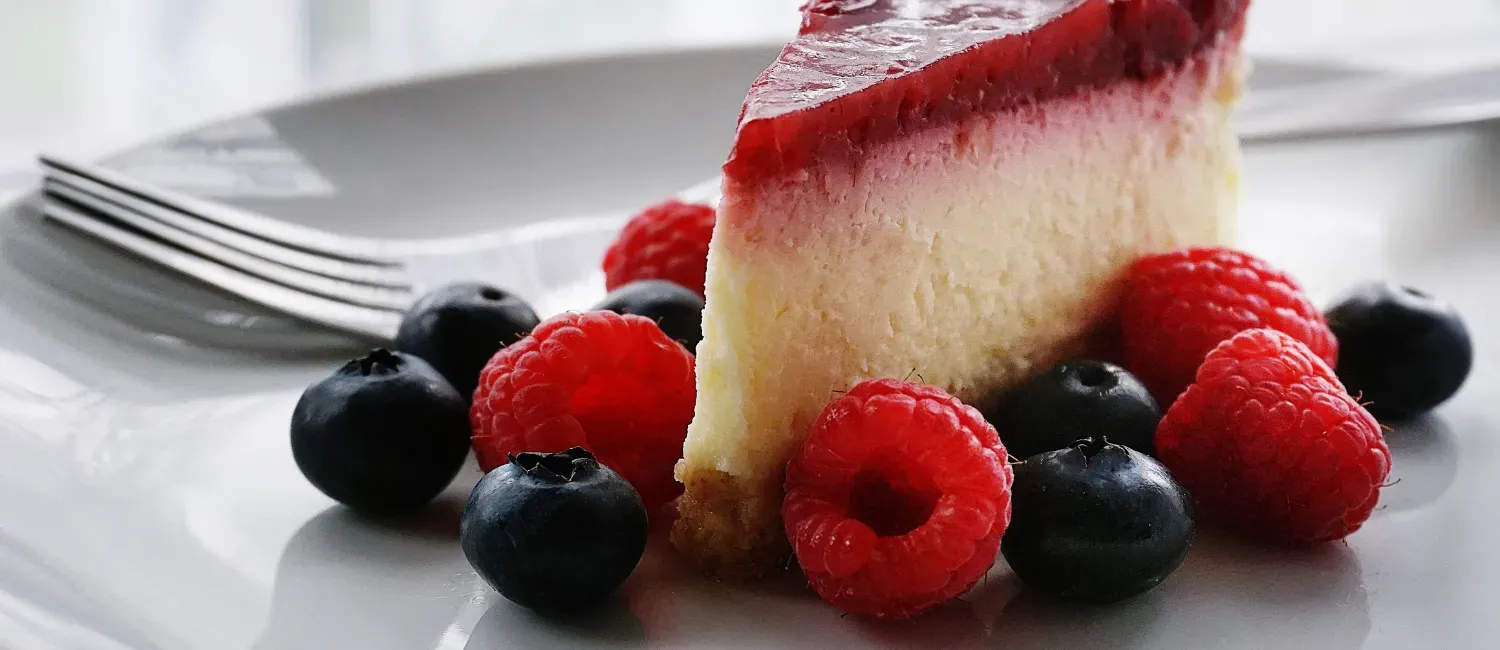
Alright, let's talk cheesecake. That intense craving for something sweet, creamy, and maybe a little bit tangy? Totally normal during pregnancy. But before you grab a fork and dive in, you're probably asking yourself, "Is this even okay right now?" The big question for many expecting parents is precisely this: Craving Cheesecake While Pregnant? What's Safe? The short answer isn't a simple yes or no, unfortunately. It depends heavily on how that cheesecake is made, specifically whether it's been cooked properly and what kind of cheese and eggs were used.
Understanding the Risks: Why "Cheese Cake Grossesse" Needs Caution
Understanding the Risks: Why "Cheese Cake Grossesse" Needs Caution
Unpasteurized Dairy and Raw Eggs: The Usual Suspects
Alright, let's get down to brass tacks. Why the sudden worry about a dessert? It boils down to a few unwelcome guests that can sometimes hang out in food, and they're particularly nasty when you're pregnant. We're talking about bacteria like Listeria monocytogenes and Salmonella. Listeria loves unpasteurized dairy products. Think soft cheeses made with raw milk – the kind that sometimes sneak into recipes or are served fresh. Salmonella, on the other hand, is often associated with raw or undercooked eggs. Both of these can cause serious illness, not just for you, but potentially for the baby too. Symptoms can range from mild flu-like aches to something much more severe, and nobody needs that kind of drama during pregnancy.
So, when you're eyeing that slice of cheese cake grossesse, you need to consider its origins. Was it made with cheese that came straight from a cow and skipped the heating process? Were the eggs just cracked into the mix without ever seeing the inside of an oven? These are the crucial questions. It’s not about being overly paranoid; it’s about understanding where the actual danger lies. Skipping past pasteurization or cooking is like leaving the back door open for these harmful bacteria to wander right in.
Connecting the Dots: Cheesecake Ingredients and Potential Problems
Now, let's apply that to your beloved cheesecake. Traditional recipes often call for cream cheese or ricotta, and sometimes mascarpone. The good news is that most commercial cream cheese and mascarpone sold in the US are made with pasteurized milk. That's a major hurdle cleared right there. Ricotta can be a mixed bag; check the label. The bigger variable is often the eggs. Many classic cheesecake recipes, especially the baked ones, use eggs to help set the filling. If the cheesecake is properly baked through, the heat kills off any potential Salmonella. The risk pops up with "no-bake" cheesecakes or those that use raw egg yolks (like in some fancy dessert sauces or mousses layered with the cheesecake). That's where the "cheese cake grossesse" situation gets tricky.
Think about the last time you had a truly amazing cheesecake. Was it light and airy, maybe seemed like it just solidified in the fridge? Or was it dense and firm, clearly baked? That distinction is key. The no-bake variety, while delicious and easy to make, often relies on gelatin or just chilling to set, meaning any raw eggs used in the filling or accompanying elements haven't been heated sufficiently. This is where you hit the red flag territory. It's not just the cheese; it's the whole package.
- Potential Risks in Cheesecake:
- Listeria from unpasteurized cheese (less common in US commercial cream cheese, but check labels)
- Salmonella from raw or undercooked eggs (common in no-bake recipes or uncooked components)
- Cross-contamination during preparation (always practice good hygiene!)
How to Enjoy Cheese Cake Grossesse Safely: Cooked vs. Raw
How to Enjoy Cheese Cake Grossesse Safely: Cooked vs. Raw
The Cooked vs. Raw Rulebook for Cheesecake
So, how do you navigate your cheese cake grossesse cravings without risking your health? The golden rule boils down to temperature. A baked cheesecake, the kind that spends time in the oven and gets firm and cooked through, is generally considered safe. The heat reaches a temperature sufficient to kill off potential bacteria like Salmonella that might be lurking in the eggs. Think of it like cooking chicken – you wouldn't eat it raw, right? Baking cheesecake does the same job for the egg component. On the flip side, the alluringly simple no-bake cheesecake, while delicious and often quicker to make, is the one you need to be wary of during pregnancy. These often rely on uncooked eggs or egg yolks for richness and setting, posing a direct risk for Salmonella exposure. Always confirm the dairy used is pasteurized, regardless of the cooking method, but the presence of cooked eggs is the primary differentiator for cheese cake grossesse safety.
Beyond Cheesecake: Essential Food Safety During Pregnancy
Beyond Cheesecake: Essential Food Safety During Pregnancy
More Than Just Dessert: Navigating Pregnancy Nutrition Safely
Thinking about cheese cake grossesse safety naturally leads to a broader conversation about food safety during pregnancy. It's not just about avoiding raw eggs or unpasteurized cheese in your sweets; it's about being vigilant across the board. Everything from deli meats to sushi to how you reheat leftovers suddenly requires careful consideration. Listeria isn't picky; it can show up in various places, especially in ready-to-eat foods that aren't heated thoroughly. Salmonella isn't confined to eggs; it can contaminate poultry and other items. Toxoplasmosis, another nasty parasite, is often linked to undercooked meat or unwashed produce. It feels like a lot to keep track of, I know, but understanding these risks is the first step to avoiding them.
Enjoying Treats Thoughtfully During Pregnancy
So, the craving for cheese cake grossesse doesn't automatically mean saying goodbye to dessert. The key takeaway remains clear: understand what's in your cheesecake and how it was made. Cooked versions using pasteurized dairy and eggs are generally the safer bet. Skipping the raw stuff isn't about spoiling your fun; it's a practical step to avoid potential risks like listeria or salmonella. Making informed choices about this and other foods helps ensure a smoother journey, allowing you to focus on the more important things – like getting ready for that new arrival, perhaps with a carefully chosen slice of cheesecake in hand.