Table of Contents
Let's be honest, making a truly great cheesecake can feel like trying to land a plane blindfolded sometimes. Too often they crack, they sink, or they just don't have that creamy, dreamy texture you crave. And then there's the flavor – sure, plain is fine, but adding fruit? That’s where things get interesting. We're talking specifically about the glorious **cheese cake framboise**, or raspberry cheesecake.
Why Everyone Loves Cheesecake Framboise
Why Everyone Loves Cheesecake Framboise
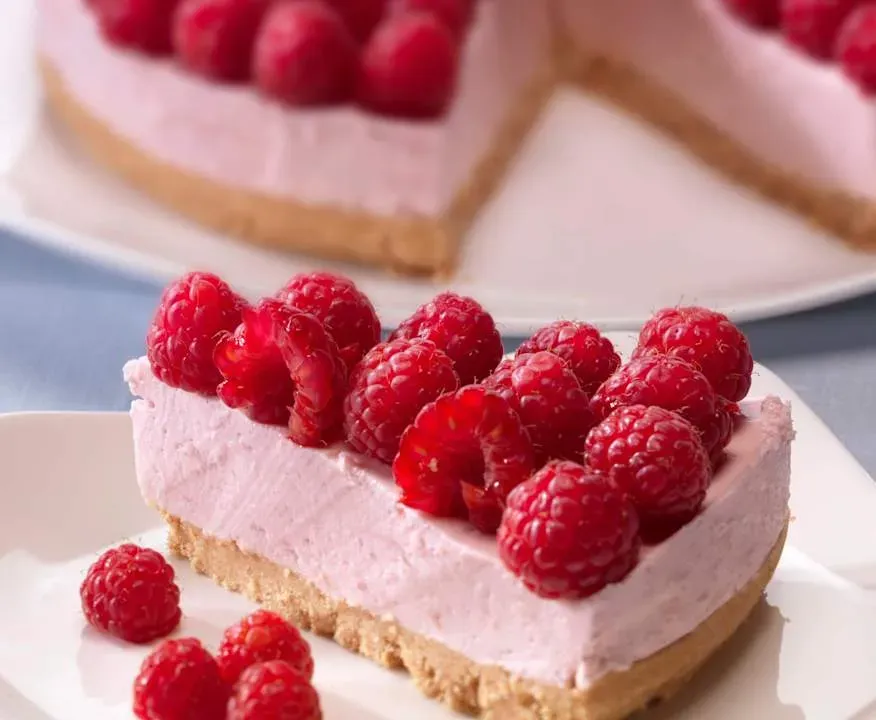
So, why does the cheese cake framboise hold such a special place in people's hearts (and stomachs)? Think about it: you've got the incredibly rich, dense, and creamy texture of a perfectly baked cheesecake. It’s smooth, tangy, and utterly decadent. Now, pair that with the bright, slightly sharp burst of fresh raspberries. Those little red gems cut through the richness beautifully, adding a necessary counterpoint that keeps each bite interesting. It's a classic pairing for a reason – the creaminess of the cheese needs that acidic lift from the fruit. It’s not just a dessert; it’s an experience, a delightful dance between sweet and tart, heavy and light, making it incredibly satisfying without being overly cloying.
Classic Cheesecake Framboise Recipe Steps
Classic Cheesecake Framboise Recipe Steps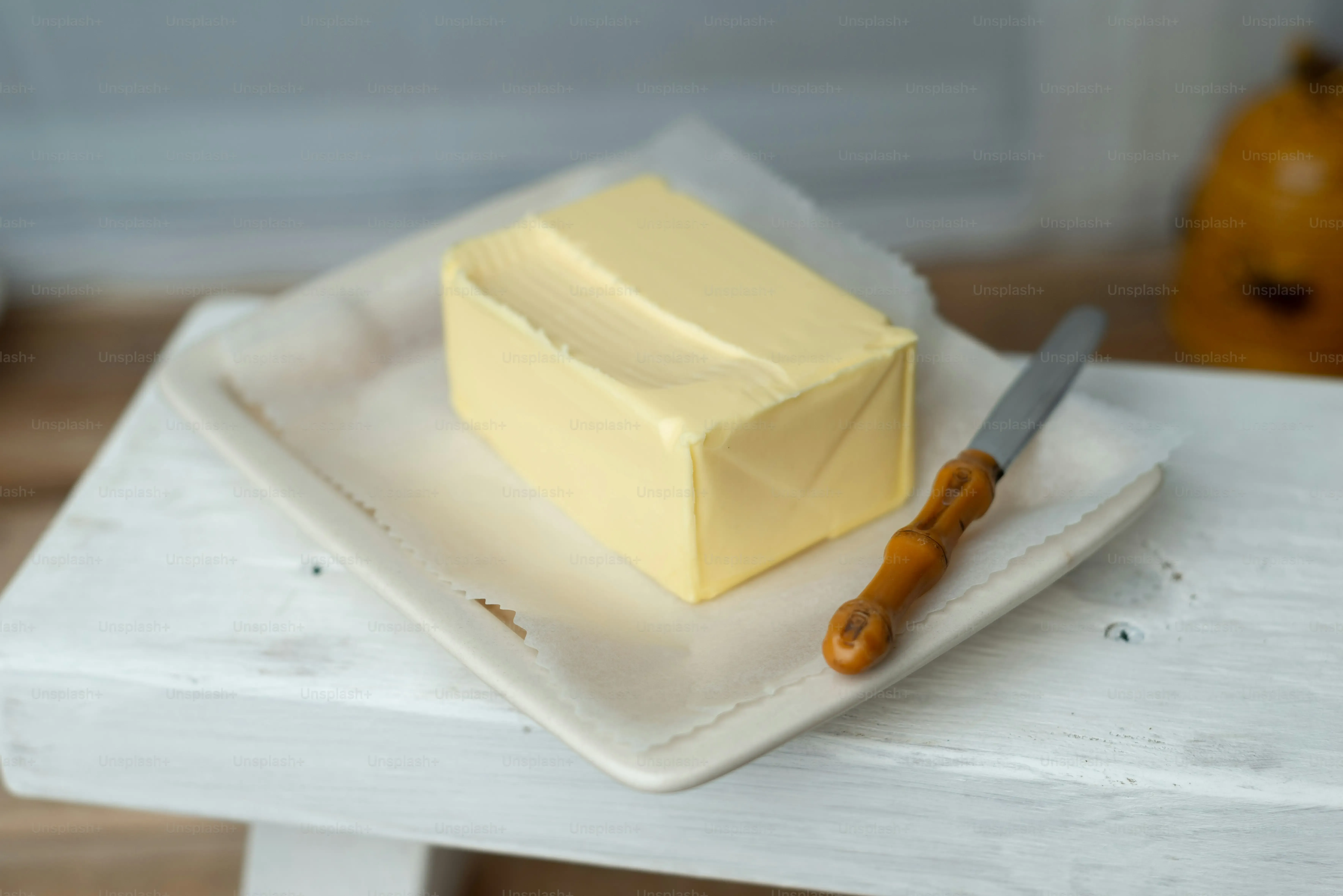
Getting Your Crust Just Right
Alright, let's dive into the nitty-gritty of making a killer cheese cake framboise. Every great cheesecake starts with a solid foundation, and I'm talking about the crust. You want something sturdy enough to hold that rich filling but also buttery and flavorful. Most classic recipes call for crushed graham crackers mixed with melted butter and a touch of sugar. Getting the ratio right is key – too much butter makes it greasy, too little and it crumbles apart.
Press it firmly into the bottom and up the sides of your springform pan. I mean *really* press it. Use the bottom of a glass or a flat measuring cup to get it packed down tightly. This prevents leaks and gives you a nice, even base. A quick bake in the oven for about 10-12 minutes sets it up nicely before you add the filling. Don't skip this step; it makes a huge difference.
Mixing That Smooth, Creamy Filling
Now for the star: the filling. This is where the magic happens for your cheese cake framboise. Start with softened cream cheese – seriously, let it sit out for a couple of hours. Cold cream cheese is the enemy of a smooth filling; it leaves lumps. Beat it on medium speed until it's completely smooth and creamy with no lumps in sight. Then gradually add your sugar, eggs one at a time (mixing just until combined after each), a splash of vanilla, and maybe a touch of sour cream or heavy cream for extra richness and a slightly tangier flavor.
Do NOT overmix once the eggs are in. Overmixing introduces too much air, which can cause cracks later. Mix on low speed or even by hand after the cream cheese is smooth. This stage is about gentle incorporation, not whipping.
- Use full-fat cream cheese. This isn't the time for low-fat options; you need the richness.
- Scrape down the bowl frequently to ensure everything is evenly mixed.
- Ensure your ingredients are at room temperature before you start.
- Handle raspberries gently when incorporating them into the filling or topping.
The Art of Baking Without Cracks
Baking a cheese cake framboise can be intimidating because of the dreaded cracks. The secret? A water bath. Wrap the outside of your springform pan tightly in heavy-duty foil (go up the sides past the top edge) to prevent water from seeping in. Place the foiled pan in a larger roasting pan and carefully pour hot water into the roasting pan until it comes about halfway up the sides of the cheesecake pan.
Bake it low and slow. High heat is another crack culprit. You're looking for the edges to be set, but the center should still be slightly jiggly when you gently shake the pan. It will continue to set as it cools. Speaking of cooling, turn off the oven and leave the cheesecake inside with the door propped open for about an hour. This gradual cooling prevents temperature shock, which can also cause cracks. Then, take it out of the water bath and let it cool completely on a wire rack before chilling it in the fridge for several hours, preferably overnight. Patience is key here.
Tips and Tricks for Your Best Cheesecake Framboise
Ingredient Matters: Don't Skimp on Quality or Temp
Look, you want a killer cheese cake framboise? It starts with what you put *in* it. This isn't the time to grab the cheapest cream cheese on the shelf. Go for full-fat, good-quality stuff. It makes a noticeable difference in texture and richness. And I cannot stress this enough: ensure *all* your cold ingredients – the cream cheese, eggs, sour cream if you're using it – are at room temperature. Trying to beat cold cream cheese into submission is a recipe for lumpy failure and overmixing. Take them out of the fridge at least two hours before you plan to bake. Seriously, go set a timer. Also, use real vanilla extract, not imitation. Little details make a big impact on your final cheese cake framboise.
Mastering the Water Bath and Cooling Game
We touched on the water bath for preventing cracks, but let's really nail this. Wrapping your springform pan isn't just about getting foil around it; it's about making a watertight seal. Use heavy-duty foil, and use several layers. If water leaks in, you'll have a soggy crust, and nobody wants that. When you pour the water into the roasting pan, use hot water – it helps maintain a consistent temperature in the oven. And the cooling process is just as critical as the baking. That slow cool-down in the turned-off oven with the door ajar prevents the drastic temperature change that causes those ugly fissures on your beautiful cheese cake framboise surface. Don't rush it; let it cool for at least an hour in the oven, then completely on a wire rack before it even *thinks* about going into the fridge.
- Use room temperature ingredients for a smooth filling.
- Wrap your springform pan *tightly* with heavy-duty foil for the water bath.
- Do not overmix the filling once eggs are added.
- Cool the cheesecake gradually in the oven first, then on a rack.
- Chill for several hours (ideally overnight) before serving.
Serving and Storing Cheesecake Framboise
Serving and Storing Cheesecake Framboise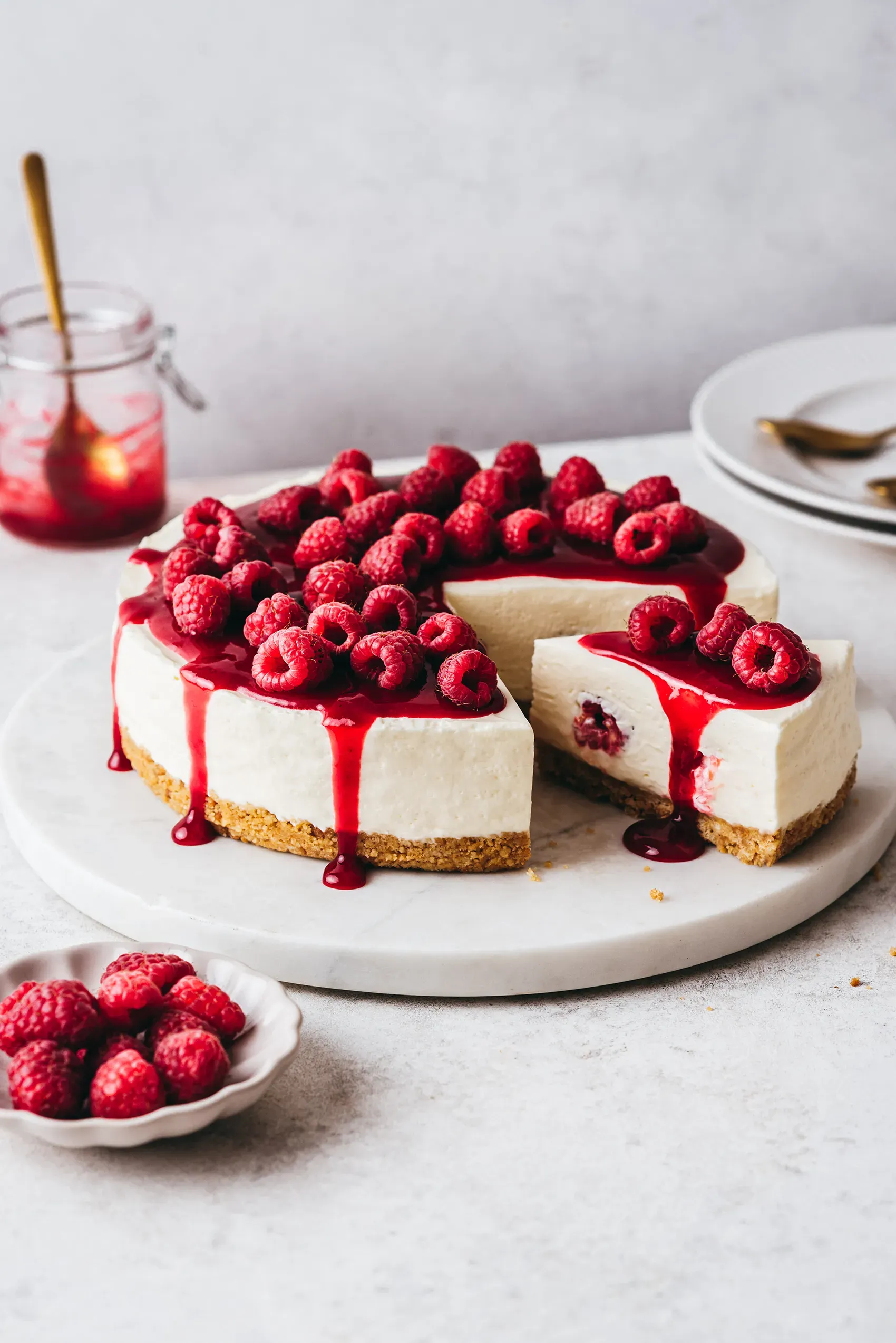
you've put in the work. You've got a beautiful, crack-free cheese cake framboise chilled to perfection. Now, how do you serve and store this masterpiece? Serving is pretty straightforward: make sure it's well-chilled, ideally overnight, as that really firms up the texture. Run a thin knife dipped in hot water around the edge of the pan before releasing the springform sides for a clean edge. For slicing, use a sharp knife, cleaning it with hot water and wiping it dry between each slice for those picture-perfect cuts. Top each slice with a few fresh raspberries or a drizzle of raspberry coulis if you like. It’s best enjoyed chilled, straight from the fridge.
- Ensure the cheesecake is fully chilled before slicing.
- Use a hot, clean knife for neat slices.
- Garnish with fresh raspberries or coulis.
- Serve directly from the refrigerator.
Storing leftover cheese cake framboise is simple but crucial for keeping it fresh. Cover it tightly with plastic wrap or transfer slices to an airtight container. It will last in the refrigerator for about 3-4 days. If you need to store it longer, cheesecake freezes surprisingly well. Cut it into individual slices, wrap each slice tightly in plastic wrap, then again in foil, and place in a freezer-safe container or bag. Thaw slices in the refrigerator overnight before serving. This lets you enjoy your hard work for weeks to come, though honestly, it rarely lasts that long in my house.
Your Cheesecake Framboise Triumph
So there you have it. Tackling a cheese cake framboise isn't about magic or some secret handshake; it's about paying attention to the details – room temperature ingredients, careful mixing, and patient baking (or chilling). You've got the steps, the potential pitfalls to avoid, and hopefully, a bit more confidence. Go make the cheesecake. Worst case? It tastes good even if it's not Instagram-perfect. And let's be real, a not-quite-perfect cheesecake framboise is still miles ahead of no cheesecake at all.