Table of Contents
Pregnancy cravings hit differently. One minute you're fine, the next you absolutely *need* that specific sweet treat. And for many expectant mothers, that craving often whispers (or screams) the name: cheesecake. But then the worry creeps in. With all the rules about what to eat and what to avoid when you're expecting, indulging in a slice of creamy goodness like cheese cake femme enceinte brings up questions. Is it safe? What ingredients should you watch out for? Are all cheesecakes created equal in the eyes of pregnancy safety guidelines?
Why the Cheesecake Worry During Pregnancy?
Why the Cheesecake Worry During Pregnancy?
so you're pregnant, you've got a serious hankering for cheesecake, and suddenly your brain's risk assessment module kicks into overdrive. Why the sudden panic over a dessert? It boils down to a couple of key ingredients commonly found in traditional cheesecake recipes: raw or undercooked eggs and certain types of cheese, particularly if they're made with unpasteurized milk. These innocent-sounding components can, unfortunately, harbor nasty bacteria like Listeria monocytogenes and Salmonella. While a healthy adult might just have a miserable few days, these pathogens pose a more significant threat during pregnancy, potentially leading to serious complications for both you and the developing baby, including miscarriage, stillbirth, or severe illness in a newborn. That potential for harm is exactly why the siren call of cheesecake suddenly feels less like a treat and more like a potential hazard.
Cheesecake During Pregnancy: Understanding the Potential Risks
Cheesecake During Pregnancy: Understanding the Potential Risks
let's get into the nitty-gritty of why your doctor suddenly looks serious when you mention cheese and pregnancy in the same sentence. The main culprits causing concern with cheesecake during pregnancy are two nasty bugs: Listeria monocytogenes and Salmonella. Listeria hangs out in unpasteurized dairy products and soft cheeses, while Salmonella is often found in raw or undercooked eggs. Most cheesecakes use cream cheese, which is usually made from pasteurized milk (good!), but some recipes call for other cheeses or even raw eggs in the filling or topping. For most healthy adults, these bacteria might cause a nasty bout of food poisoning – unpleasant, sure, but usually not life-threatening. However, when you're pregnant, your immune system is naturally suppressed to protect the growing fetus. This makes you more vulnerable to severe illness from these bacteria, which can cross the placenta and seriously harm your baby, leading to premature birth, infection, or even loss of the pregnancy. That slice of heaven suddenly has a dark side, doesn't it?
Is StoreBought Cheesecake Safe During Pregnancy?
Is StoreBought Cheesecake Safe During Pregnancy?
Why Store-Bought Might Be Your Friend
let's talk about the stuff you grab from the grocery store. Generally speaking, store-bought cheesecake is a much safer bet for expectant mothers than something whipped up at a local, less-regulated bakery or, dare I say, Aunt Carol's famous recipe that involves raw egg yolks for extra richness. Why? Because commercial food production, especially in places like the US, follows strict pasteurization rules. Pasteurization is a heating process that kills off those nasty bacteria like Listeria and Salmonella that we talked about. Most large-scale producers use pasteurized cream cheese, pasteurized heavy cream, and often use cooked eggs or egg products in their fillings. This significantly reduces the risk compared to ingredients that haven't been properly treated.
Reading the Label is Non-Negotiable
Just because it's store-bought doesn't mean you can completely switch off your pregnancy food radar. You still need to play detective and read the label. Look specifically for the word "pasteurized" next to dairy ingredients like cream cheese, milk, and cream. For the egg component, commercially produced cheesecakes often use pasteurized egg products or rely on baking the cheesecake at a high enough temperature to cook any eggs thoroughly. If the ingredients list mentions "raw eggs" or "unpasteurized milk," put it back. Seriously. It's not worth the worry or the risk. Think of the label as your personal security guard.
- Check for "pasteurized" on all dairy ingredients (cream cheese, milk, cream).
- Look for mentions of cooked eggs or pasteurized egg products.
- Avoid anything listing "raw eggs" or "unpasteurized milk."
- Be wary of cheesecakes from small, artisanal shops unless you can confirm their pasteurization practices.
- Look for an expiration date and ensure the product is properly refrigerated at the store.
Baked vs. No-Bake Store Options
You'll find store-bought cheesecakes in a couple of main categories: baked and no-bake. Baked cheesecakes, those often found in the freezer section or refrigerated bakery case, are generally safer because the baking process itself typically heats the entire mixture to a temperature sufficient to kill bacteria. No-bake versions, however, rely on gelatin or other thickeners to set and don't go into the oven. While commercial no-bake mixes and prepared fillings usually use pasteurized ingredients, the potential for raw eggs or unpasteurized dairy in some variations exists. Stick to baked options or verify the ingredients list on no-bake types carefully. When in doubt, a commercially baked cheesecake is often the safest bet for satisfying that cheese cake femme enceinte craving.
Making Cheesecake During Pregnancy: Safety Tips for Home Bakers
Making Cheesecake During Pregnancy: Safety Tips for Home Bakers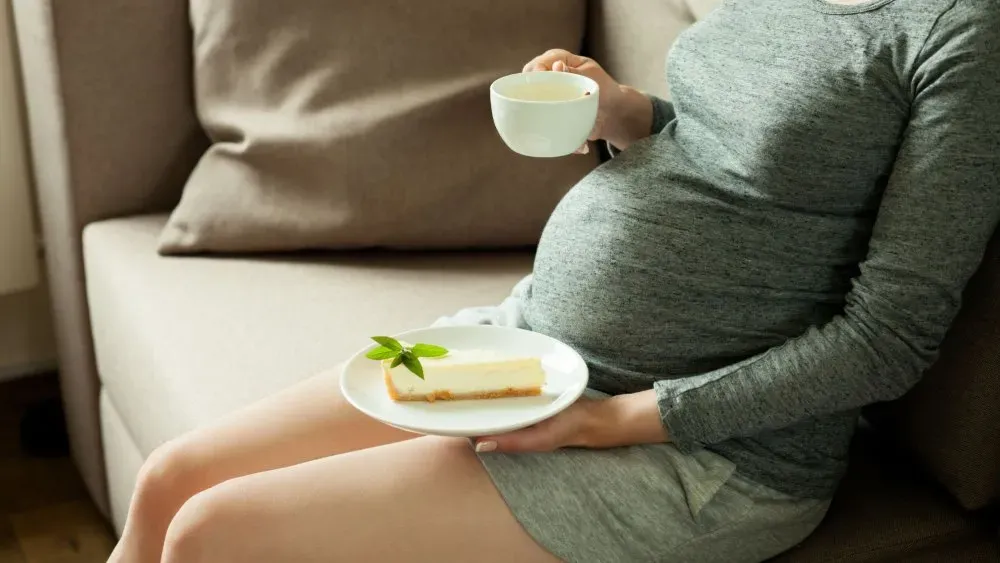
Ingredient Patrol: Choosing Wisely
so maybe the store-bought stuff isn't cutting it, or you just love the process of baking. Fantastic! Making your own cheese cake femme enceinte at home gives you total control over the ingredients, which is key when you're pregnant. The absolute first step is ingredient patrol. Forget about that artisanal, unpasteurized cream cheese you saw at the farmer's market right now. You need pasteurized dairy – cream cheese, sour cream, heavy cream, whatever the recipe calls for, make sure that word "pasteurized" is on the label. Same goes for eggs. While baking *usually* cooks eggs thoroughly, using pasteurized eggs or egg products eliminates the risk of Salmonella right from the start. It's an extra layer of safety that's totally worth it for peace of mind.
Bake it Hot, Bake it Long Enough
This isn't the time for underbaking or experimenting with lower temperatures to get that ultra-creamy, slightly wobbly center. When you're making cheesecake during pregnancy, thorough cooking is your best friend. Most standard baked cheesecake recipes call for oven temperatures between 300°F and 350°F (150°C and 175°C) and baking times ranging from 45 minutes to over an hour, depending on the size. The goal is for the internal temperature of the cheesecake to reach at least 160°F (71°C). This temperature is sufficient to kill off any potential bacteria lurking in the eggs or dairy. You can use an instant-read thermometer inserted into the center (away from the edges) to check. Don't pull it out until it hits that safe zone, even if the center still looks a little soft – it will set as it cools.
- Always use pasteurized dairy (cream cheese, milk, cream).
- Opt for pasteurized eggs or egg products if possible.
- Ensure your oven is preheated correctly.
- Bake until the internal temperature reaches 160°F (71°C).
- Use an instant-read thermometer to verify the temperature.
- Cool the cheesecake properly before refrigerating.
Kitchen Hygiene and Storage are Non-Negotiable
Beyond the ingredients and baking temperature, basic kitchen hygiene plays a huge role in food safety, especially when you're pregnant. Wash your hands thoroughly before you start and after handling raw ingredients. Clean all surfaces, bowls, and utensils that come into contact with your cheesecake batter. Avoid cross-contamination by keeping raw ingredients (like any raw eggs you might handle before using pasteurized ones) away from ready-to-eat items. Once your beautiful cheese cake femme enceinte is baked and cooled, get it into the refrigerator promptly. Don't leave it sitting out on the counter for hours. Store leftovers in an airtight container in the fridge and consume them within 3-4 days. Proper storage prevents bacterial growth after cooking and keeps your delicious creation safe to eat throughout the week.
Enjoying Cheesecake Safely: Other Sweet Treats for Expectant Moms
Enjoying Cheesecake Safely: Other Sweet Treats for Expectant Moms
Beyond the Cheesecake Craving: What Else is Safe?
so we've dissected the cheese cake femme enceinte situation. You know when it's likely safe (baked, pasteurized everything) and when to back away slowly (raw eggs, unpasteurized cheese). But let's be real, pregnancy cravings are a fickle beast. Sometimes, even a safe slice of cheesecake just isn't what your body is demanding. Or maybe you've had your fill and are looking for other ways to satisfy that sweet tooth without playing food safety roulette. The good news is the world of desserts doesn't shrink down to just plain crackers and water when you're expecting. Plenty of delicious options are perfectly fine, provided you apply the same principles: know your ingredients and how they were handled.
Safe Sweet Alternatives to Hit the Spot
When cheesecake isn't on the menu, or you just want variety, several other sweet treats get the green light. Cooked desserts are generally your safest bet because heat kills bacteria. Think baked goods like cookies, cakes, muffins, and pies, especially if they're commercially prepared or baked thoroughly at home. Puddings, custards, and flans are fine if made with pasteurized milk and cooked eggs (most store-bought versions are). Ice cream is usually safe too, as commercial ice cream is made with pasteurized milk and eggs. Just steer clear of soft-serve from machines that might not be cleaned regularly, and avoid homemade ice cream made with raw eggs. Fresh fruit, of course, is always a winner – naturally sweet and full of good stuff, just wash it well.
Safe Sweet Treats | Check For |
|---|---|
Baked Cookies, Cakes, Muffins, Pies | Thoroughly baked, commercially prepared often safest |
Puddings, Custards, Flan | Made with pasteurized milk and cooked eggs |
Commercial Ice Cream | Made with pasteurized milk/eggs; avoid soft-serve |
Pasteurized Panna Cotta, Mousse (Commercial) | Ensure pasteurized dairy and cooked/pasteurized eggs |
Fresh Fruit (Washed) | Always a good option |
Final Slice: Enjoying Treats Wisely While Expecting
So, the bottom line on cheese cake femme enceinte? It's not a hard no across the board, but it definitely requires a bit of homework. The key difference often boils down to heat and ingredients. Cooked cheesecakes, especially those made with pasteurized dairy and eggs, are generally the safer bet. Store-bought options usually follow strict pasteurization rules, but a quick glance at the ingredient list or a call to the bakery isn't a bad idea. Homemade requires meticulous attention to using pasteurized products and ensuring proper cooking temperatures. Ultimately, satisfying a craving is part of a balanced pregnancy experience, but it pays to be informed about what you're eating. A little caution can go a long way in keeping both you and your little one healthy.