Table of Contents
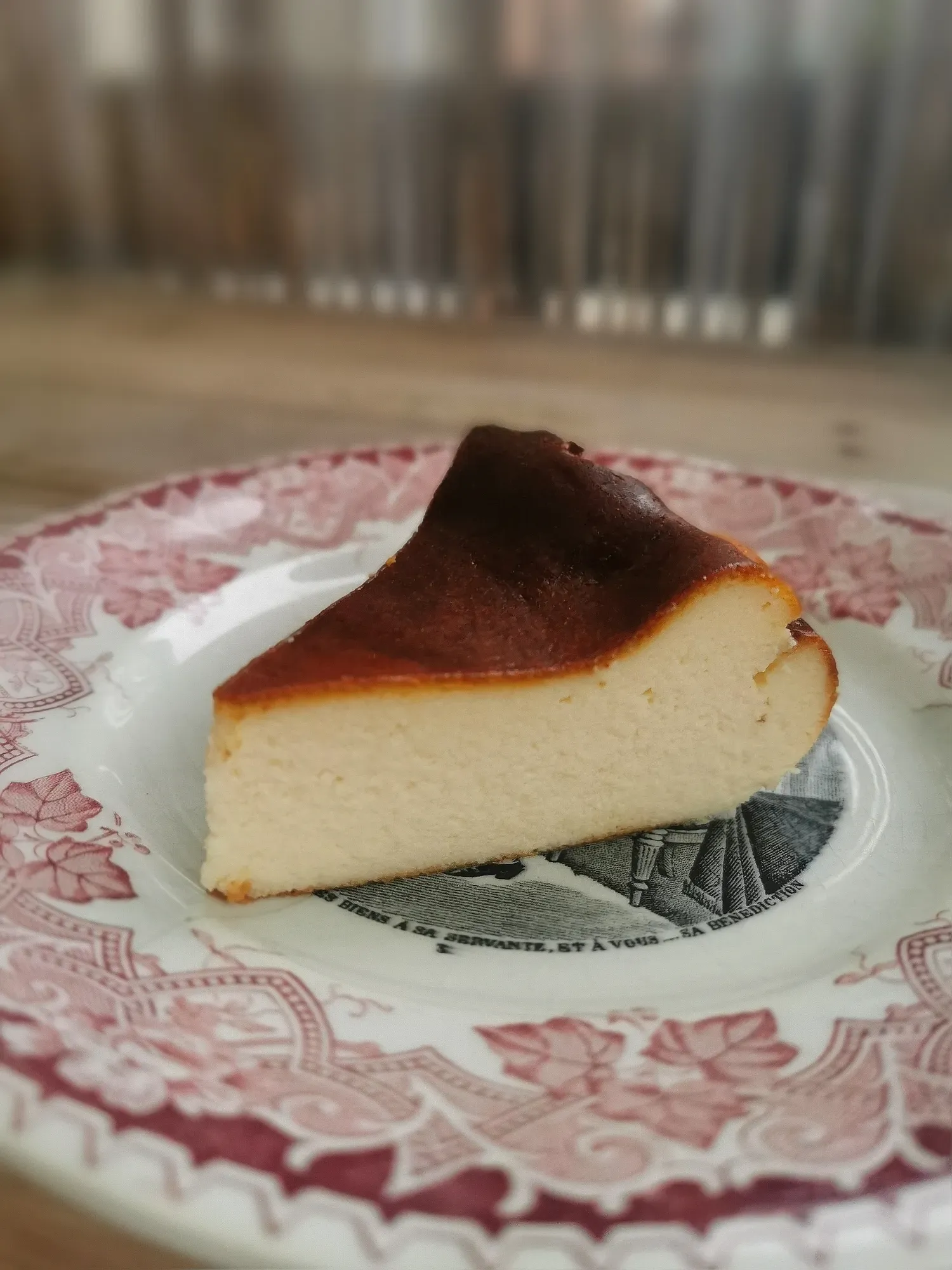
Forget everything you thought you knew about cheesecake. The classic New York style with its dense, graham cracker crust is great, sure, but there’s a different kind of magic happening over in Spain. We’re talking aboutcheese cake espagnol, often called Basque burnt cheesecake. This isn't your grandma's delicate dessert. This one arrives looking a bit... well, rustic. Its top is intentionally dark, even charred in places, a stark contrast to the impossibly creamy, almost liquid center. It's a dessert that challenges norms and rewards the adventurous palate.
What is Cheese Cake Espagnol Anyway?
What is Cheese Cake Espagnol Anyway?
It Looks Burnt, But That's the Point
so you've seen pictures, right? That dark, almost black top? Yeah, that's the signature look ofCheese Cake Espagnol, also widely known as Basque cheesecake or Tarta de Queso. It's not a mistake; it's completely intentional. This isn't like a regular cheesecake that you bake low and slow to keep it pale and perfect. This one goes into a screaming hot oven, often upwards of 400-450°F (200-230°C), which makes the outside caramelize and brown dramatically. The edges puff up and get this lovely, slightly firm texture, while the center stays incredibly soft.
Think of it as controlled chaos in dessert form. It's baked in a springform pan lined with parchment paper that wrinkles up the sides, adding to that rustic, imperfect charm. When it comes out, it looks like it barely held together, maybe even a bit collapsed in the middle. That's exactly how it should be. Don't try to smooth it out or make it look "pretty" in the traditional sense.
Texture is Everything Here
Now, the real magic happens when you slice into it. Forget dense, firm cheesecake. The inside of a good Cheese Cake Espagnol is ridiculously creamy, almost like a set custard or a very thick panna cotta. It's often described as "burnt on the outside, liquid on the inside," which is a bit dramatic, but it gets the point across.
The contrast between that slightly bitter, caramelized exterior and the sweet, tangy, and unbelievably smooth interior is what makes this dessert so addictive. It’s simple – usually just cream cheese, sugar, eggs, heavy cream, and a touch of flour – but the technique transforms those basic ingredients into something really special. There's no crust on the bottom, which means every single bite is just that glorious, creamy filling with a bit of the burnt top.
Here’s a quick rundown of what sets it apart:
- Intentionally dark, caramelized top
- No crust on the bottom or sides
- Incredibly creamy, often slightly runny center
- Baked at a high temperature
- Rustic, imperfect appearance
From San Sebastián to Global Star
This style ofcheese cake espagnoloriginated at a restaurant called La Viña in San Sebastián, in Spain's Basque Country. For decades, it was just their thing, a local favorite. People would line up for slices. Then, like many great food trends, it started spreading. First through Spain, then across Europe, and now it's everywhere. You see it in bakeries, on restaurant menus, and all over social media. It's approachable to make at home because it requires simple ingredients and the "burnt" part actually makes it less stressful than trying to get a traditional cheesecake perfectly crack-free and evenly colored.
I remember the first time I tried it in San Sebastián. It arrived looking like it had been forgotten in the oven, and I honestly wondered what the fuss was about. One bite, though, and I got it. That bitter edge from the caramelization hitting the sweet, velvety cheese – it was a revelation. It's not just a dessert; it's an experience. It challenges your expectations and delivers something truly unique.
Tracing the Roots of Spanish Cheesecake
Tracing the Roots of Spanish Cheesecake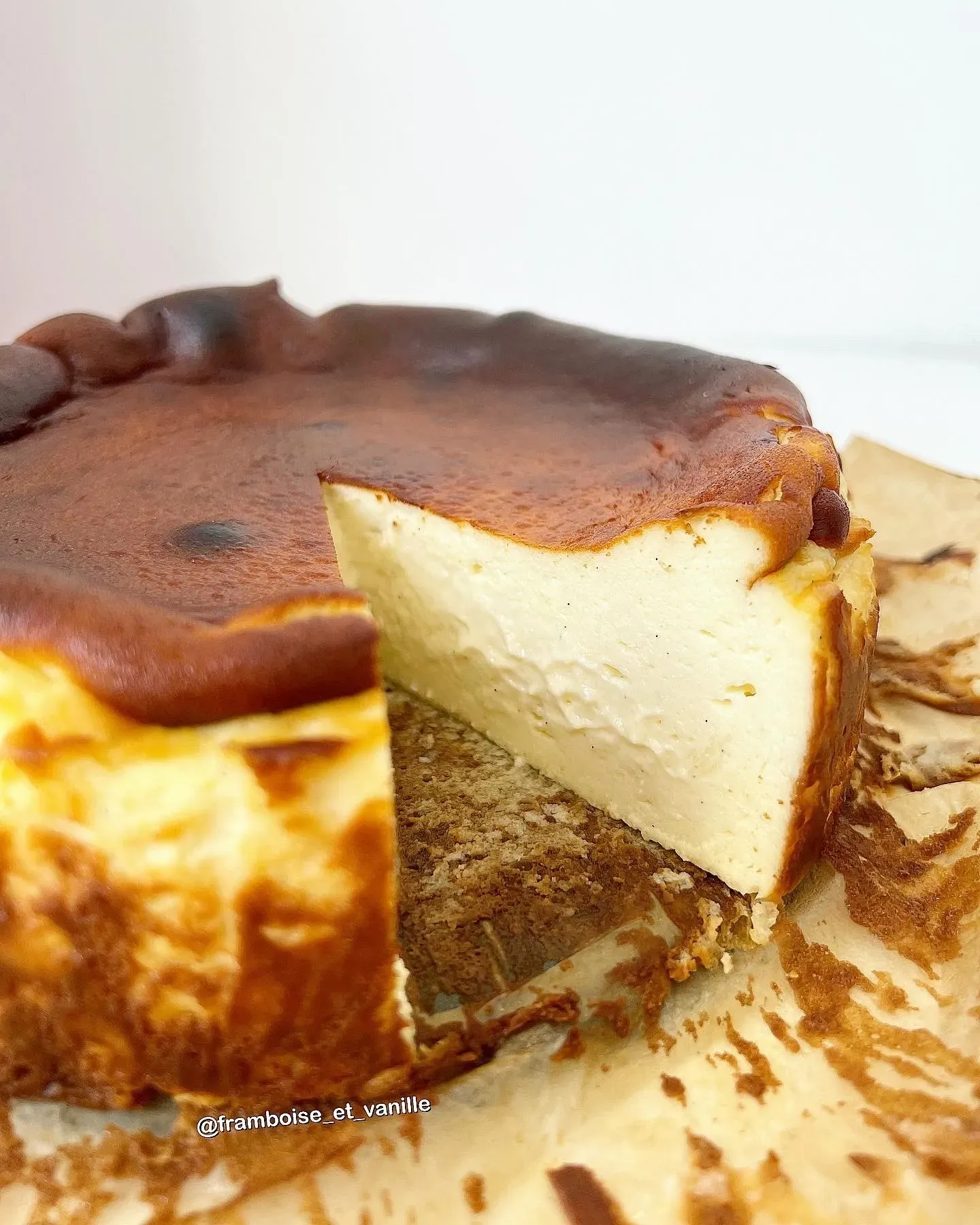
The Legend of La Viña
so when most people talk aboutcheese cake espagnolthese days, they mean the Basque burnt version. And its story pretty much starts in one specific place: La Viña restaurant in San Sebastián. For years, this unassuming spot served this simple, crustless cheesecake with its distinct dark top. It wasn't fancy; it was just really, really good. Locals knew about it, word spread by mouth, and eventually, food lovers from further afield started seeking it out.
It wasn't some ancient recipe passed down through generations of Spanish royalty. It was something developed relatively recently, probably in the last few decades, becoming a signature dish. The genius was in the simplicity and the counter-intuitive baking method. It flew in the face of traditional cheesecake wisdom, which valued a pale, unblemished surface.
Beyond the Burnt Top: Other Spanish "Cheesecakes"
Now, while the Basque version is the global star, the idea of a "Spanish cheesecake" isn't *only* that. Spain has a history of using fresh cheese in desserts. Take Quesada Pasiega from Cantabria, for example. This is a much older dessert, more like a dense, moist cake or custard made with fresh farmer's cheese (queso fresco), butter, eggs, sugar, and flour, often flavored with lemon zest. It's baked until golden brown, but it doesn't have that dramatically burnt top or the super-creamy center of the Basque style.
So, while the Basque burnt cheesecake is the one everyone's talking about, it's worth remembering that "Spanish cheesecake" isn't a single entity. The Basque version just happens to be the one that captured the world's attention with its rebellious appearance and irresistible texture.
Think of the difference like this:
- Basque Burnt Cheesecake: Modern, creamy, intentionally dark top, simple ingredients, high heat.
- Quesada Pasiega: Traditional, cake-like texture, made with fresh cheese, older recipe, lower heat.
Baking Your Own Perfect Cheese Cake Espagnol
Baking Your Own Perfect Cheese Cake Espagnol
Getting Started: Simple Ingredients, Bold Results
Alright, so you're ready to tackle this beast yourself? Good. BecauseBaking Your Own Perfect Cheese Cake Espagnolis surprisingly forgiving. Unlike traditional cheesecakes where a tiny crack feels like a personal failure, the whole point here is imperfection. You need cream cheese – good quality, full fat, none of that low-fat nonsense – sugar, eggs, heavy cream, and a little bit of flour. That's it. The magic isn't in some secret ingredient; it's in the sheer heat of your oven and a willingness to let it burn. You're essentially making a simple batter and throwing it into a very hot environment, trusting that the outside will char beautifully while the inside stays luscious and soft. Don't overmix; you don't want to whip in too much air. Just get it smooth, pour it into a parchment-lined springform pan, and let the oven do the heavy lifting.
What Makes Cheese Cake Espagnol Stand Out?
What Makes Cheese Cake Espagnol Stand Out?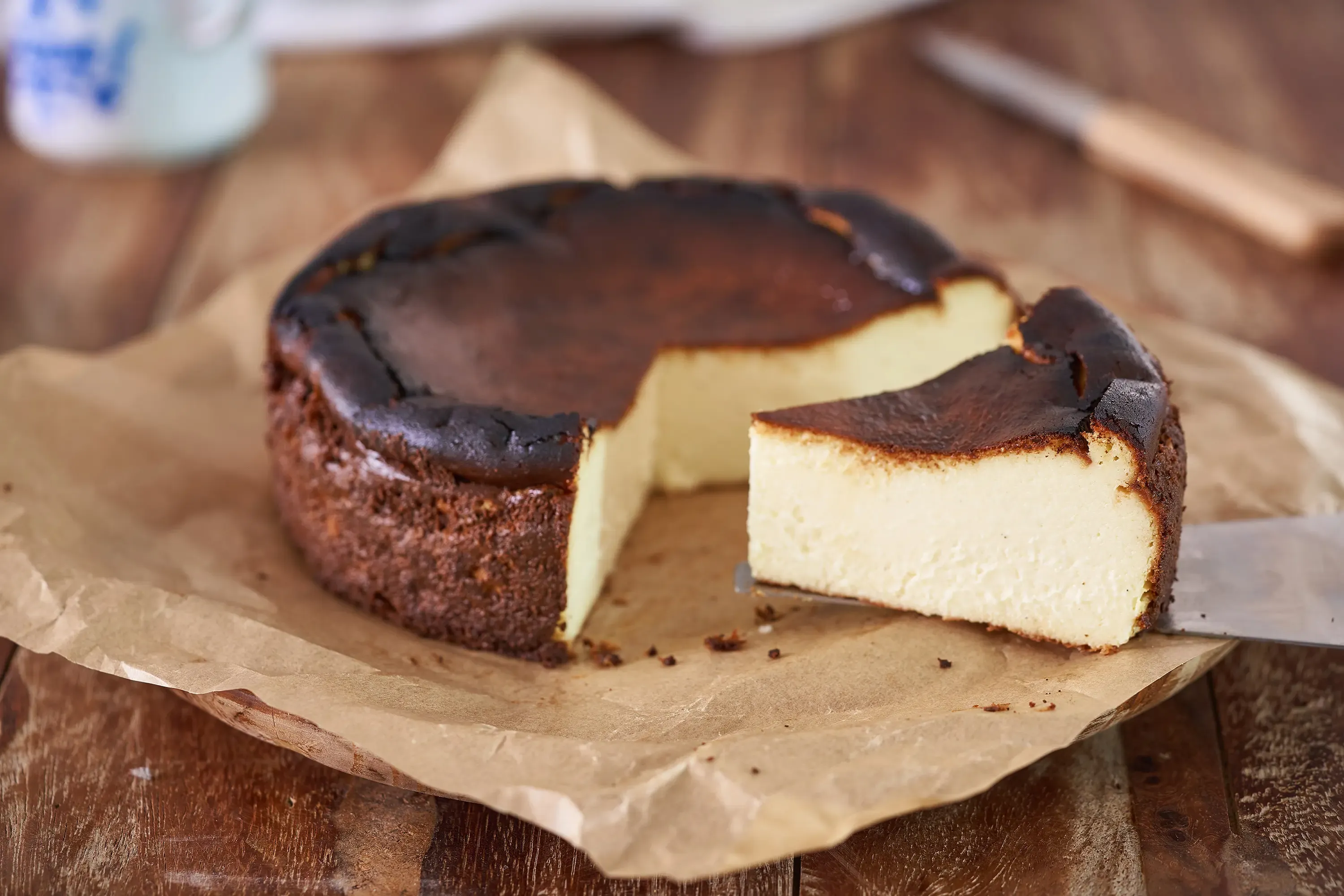
The Glorious Contradiction
So,What Makes Cheese Cake Espagnol Stand Out?compared to its cheesecake brethren? It's the defiance of tradition, pure and simple. While other cheesecakes aim for a pristine, crack-free, evenly pale surface, this one embraces imperfection. That dark, almost bitter, caramelized top is the first thing you notice, and it’s a deliberate act of baking rebellion. It tells you right away this isn't going to be some delicate, fussy dessert. That intense heat creates a thin, firm layer on the outside that yields dramatically to the interior.
The inside is the real payoff. It's not dense and solid; it's closer to a luxurious, barely-set custard. It melts in your mouth, offering a rich, creamy, slightly tangy flavor that contrasts beautifully with the slight bitterness of the burnt exterior. This textural and flavor contrast is the secret sauce. It's simple ingredients elevated by a bold technique. No water baths, no gentle baking, just turn up the heat and let it do its thing.
Simplicity and Approachability
Another key factor is its sheer simplicity. Most versions use only five or six basic ingredients you likely already have: cream cheese, sugar, eggs, heavy cream, and a touch of flour. You don't need fancy equipment or complex steps. Mix the batter, pour it into a parchment-lined pan (the wrinkles are part of the charm, remember?), and bake it hot. The lack of a crust also simplifies things considerably. No fiddling with crushing cookies or pressing crumbs into a pan. It’s just about the creamy filling and that dramatic bake.
Frankly, its forgiving nature is a huge part of its appeal. If a traditional cheesecake cracks or sinks, you feel like you failed. With Basque burnt cheesecake, if it cracks, sinks, or gets extra dark, you just shrug and say, "Yep, that's how it's supposed to look." It's the anti-fussy cheesecake, and that's incredibly appealing to home bakers who want something impressive without the stress.
So, what's the takeaway on why it's different?
- Intentional "burnt" top
- Extremely creamy, almost liquid interior
- Bold contrast in texture and flavor
- Simple ingredient list
- No crust
- Forgiving baking process (high heat, rustic look)
Finding the Best Cheese Cake Espagnol in Spain
Finding the Best Cheese Cake Espagnol in Spain
Going Straight to the Source: San Sebastián
If you're on a quest for the truly authenticcheese cake espagnol, your pilgrimage starts in San Sebastián. Specifically, you need to find your way to La Viña. It's not fancy, tucked away on a street corner, but this is the birthplace. People still line up for a slice, served simply on a plate. It's the benchmark. Taste the original – that signature burnt top, that unbelievably creamy, almost wobbly center. See how the parchment paper looks like it just barely contained the glorious mess. This is the standard against which all others are measured. While many places in San Sebastián now serve their version, trying it at La Viña is like visiting the Sistine Chapel if you're into Renaissance art. It's the source code.
Seeking Out Great Tarta de Queso Elsewhere
maybe you can't make it to San Sebastián right away. The good news is the fame of this cheesecake has spread. You can find excellent versions oftarta de queso(the Spanish name) in bakeries and restaurants throughout Spain, especially in the Basque Country but increasingly in cities like Madrid and Barcelona. Look for places that specialize in traditional Spanish desserts or modern bakeries putting their spin on classics. A good sign is that signature dark top and the promise of a super creamy interior. Don't be afraid to ask locals where they go for their favorite slice. Word of mouth is still king when it comes to finding hidden culinary gems.
So, when hunting for the best:
- Prioritize San Sebastián, especially La Viña.
- Look for the signature dark top and wobbly center.
- Ask locals for recommendations.
- Check out modern bakeries and traditional dessert spots.
- Don't expect perfection; the rustic look is part of the deal.
The Final Word on Cheese Cake Espagnol
So there you have it. The cheese cake espagnol, with its unapologetically dark crust and unexpectedly luscious interior, stands as a testament to the idea that sometimes, breaking the rules yields the best results. It's a dessert that relies on simple ingredients and a hot oven to achieve something truly remarkable and distinctly Spanish. Whether you've tasted it in a bustling San Sebastián pintxos bar or attempted it in your own kitchen, its unique texture and rich flavor tend to stick with you. It's not just cheesecake; it's a culinary statement.