Table of Contents
Pregnancy comes with its own set of unique experiences, and for many, that includes some seriously specific food cravings. Sometimes, nothing else will do except a rich, creamy slice of cheesecake. It’s a dessert that hits the spot like no other. But when you're expecting, suddenly every delicious bite feels like it needs a safety check. The big question pops up: is it okay to eat cheese cake enceinte?
Is Eating Cheesecake Enceinte Safe?
Is Eating Cheesecake Enceinte Safe?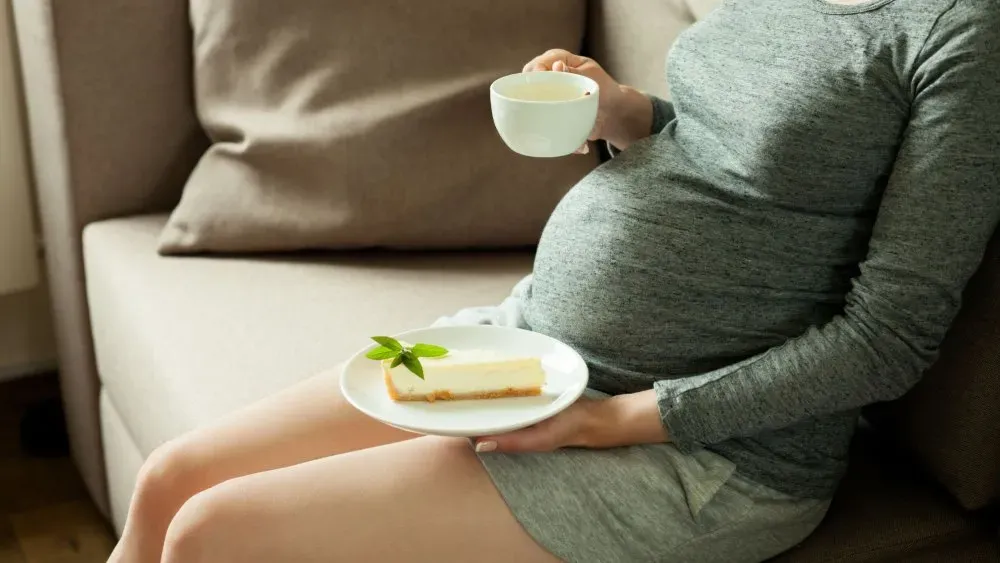
The Initial Craving and the Safety Question
Alright, let's tackle the elephant in the room, or rather, the cheesecake on the plate. You're pregnant, the craving hits, and suddenly you're asking the big question: Is Eating Cheesecake Enceinte Safe? It feels like everything you once ate without a second thought now requires a full risk assessment. Cheesecake, that glorious blend of creamy, sweet, and tangy, seems like it should be innocent enough, right? A simple dessert. But pregnancy throws a wrench into simple. Your body is doing incredible work, and that means being extra careful about what you consume.
Thinking about that slice sitting there, the concern isn't really the cheese part itself, assuming it’s made with pasteurized dairy (we'll get to that). The real potential issues often lurk in other ingredients or, more significantly, how the cheesecake is prepared. This is where the "it depends" answer comes in, and honestly, it's a frustrating answer when all you want is a straight yes or no and a fork. But understanding the 'depends' is crucial for making a safe choice and finally satisfying that craving without worry.
Why the Preparation Method Matters
So, why isn't it just a green light for all cheesecake? It boils down to a couple of key ingredients and the heat, or lack thereof, they experience during preparation. A classic baked cheesecake goes into the oven. That heat is a game-changer. It zaps potential pathogens like Listeria and Salmonella that can pose serious risks during pregnancy. Think of baking as your personal food safety superhero for this particular dessert.
On the flip side, many popular cheesecakes, especially those you find at cafes or made at home following quick recipes, are "no-bake." These rely on refrigeration to set, not heat. While convenient, this method means any raw eggs or unpasteurized dairy used in the filling don't get the benefit of being cooked. And those raw or undercooked ingredients? They're the prime suspects for foodborne illnesses you definitely want to avoid while pregnant. This distinction is the absolute core of determining if Eating Cheesecake Enceinte is Safe for you.
- Ask about the cheesecake preparation method.
- Prioritize baked cheesecakes over no-bake.
- Confirm pasteurized dairy is used.
- Avoid cheesecakes with raw egg in the filling.
Cooked vs. NoBake Cheesecake Enceinte: What's the Difference?
Cooked vs. NoBake Cheesecake Enceinte: What's the Difference?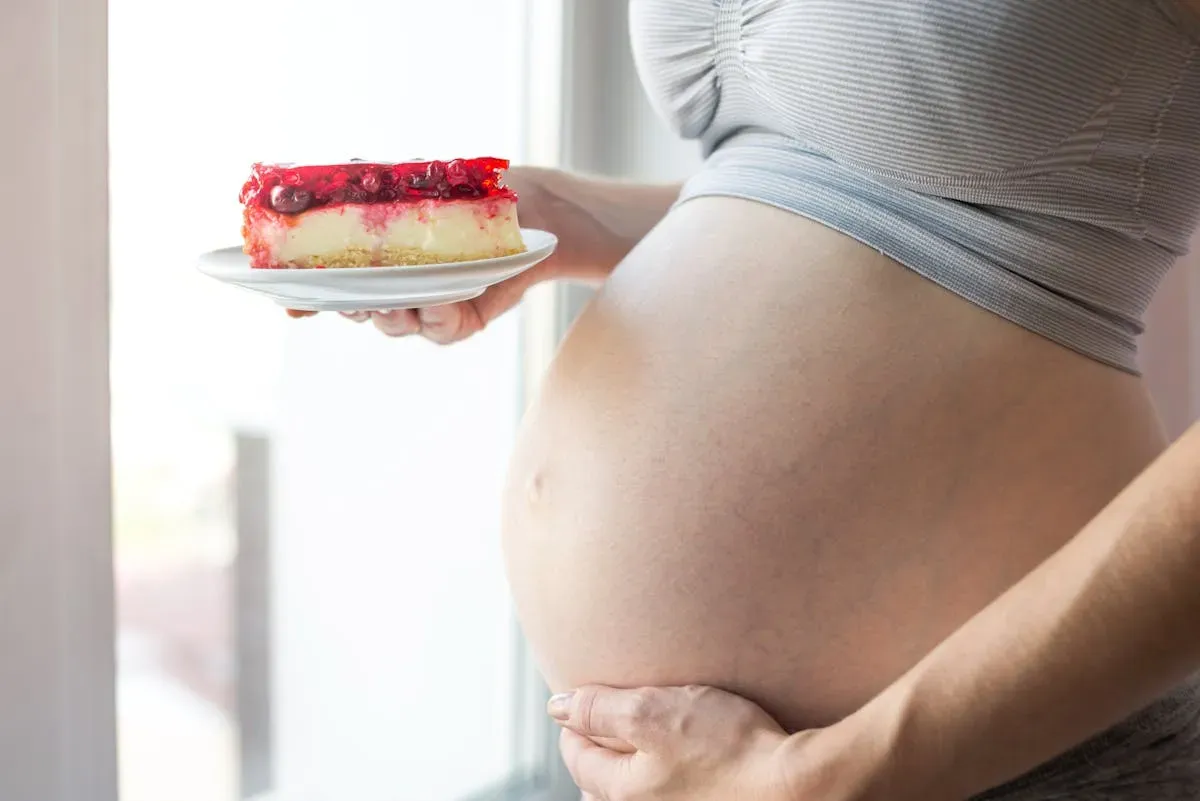
The Baked Beauty: Heat is Your Friend
let's get down to brass tacks on this whole baked versus no-bake situation when you're thinking about cheese cake enceinte. A baked cheesecake is your generally safer bet during pregnancy. Why? Because it goes into a hot oven. That sustained heat isn't just there to set the custard-like filling; it's doing crucial work behind the scenes. It heats the mixture, typically containing eggs and dairy, to a temperature high enough to kill off potential bad actors like Salmonella (often found in raw eggs) and Listeria (a concern with dairy). Think of it as a culinary decontamination process. When that internal temperature hits the right mark, you significantly reduce the risk of foodborne illness. So, if you're eyeing a slice and it looks dense, slightly browned on top, and has clearly spent time in an oven, you're likely looking at a safer option.
The No-Bake Risk: Chilling Isn't Cooking
Now, the no-bake version. Ah, the simplicity! Mix, pour, chill. Easy, right? Not always the safest path if you're pregnant and craving cheese cake enceinte. These often rely on raw or lightly cooked eggs, sometimes even just egg yolks, for richness and setting power, and they never see the inside of an oven. Gelatin or other thickeners do the heavy lifting of firming it up in the fridge. The problem? If raw eggs are used and aren't pasteurized (liquid pasteurized eggs are safer), they can carry Salmonella risk. While pasteurized dairy is common, unpasteurized versions, though less frequent in standard recipes, pose a Listeria threat. Since there's no cooking step to eliminate these bacteria, the risk, while still relatively low overall, is higher than with a baked cheesecake. It's the lack of heat treatment that makes this type a potential gamble you probably don't want to take right now.
- Baked Cheesecake: Cooked in oven, heat kills bacteria (Salmonella, Listeria). Generally considered safe if made with pasteurized dairy.
- No-Bake Cheesecake: Set by chilling, no heat treatment. Potential risk from raw eggs (Salmonella) or unpasteurized dairy (Listeria) if used. Avoid unless made with pasteurized eggs/dairy and no raw egg.
Understanding Risks: Raw Eggs and Unpasteurized Dairy in Cheesecake Enceinte
Understanding Risks: Raw Eggs and Unpasteurized Dairy in Cheesecake Enceinte
Why Food Safety is Different When You're Expecting
Alright, let's talk about the less glamorous side of dessert: the potential risks. When you're not pregnant, a little food gamble here and there might seem minor. Maybe a slight stomach ache, then you move on. But when you're growing a human, the stakes are significantly higher. Foodborne illnesses like Listeriosis and Salmonellosis, which are usually just unpleasant for a healthy adult, can be serious, even dangerous, for pregnant women and their babies. They can lead to miscarriage, stillbirth, premature delivery, or severe illness in a newborn. This is why doctors and health organizations harp on food safety during pregnancy. So, when we talk about cheese cake enceinte, we're not being overly cautious for fun; we're looking out for real, albeit relatively rare, potential threats lurking in certain ingredients if they aren't handled or prepared correctly.
The Salmonella Scramble: Raw Eggs in Your Slice
One of the primary culprits in the "no-bake cheesecake isn't safe" argument is the use of raw or undercooked eggs. Standard cheesecake recipes, especially the no-bake kind, often call for eggs to achieve that rich texture and help the filling set. The problem? Raw eggs can carry Salmonella bacteria. While the risk in commercially produced eggs in many countries is lower than it used to be, it's not zero. In a baked cheesecake, the oven heat kills these bacteria. In a no-bake version, chilling just doesn't cut it. Consuming raw or undercooked eggs puts you at risk of Salmonellosis, which can cause fever, vomiting, diarrhea, and abdominal cramps. While usually not directly harmful to the fetus, a severe maternal illness can still pose risks, like dehydration and premature labor.
Potential Risk | Common Source in Cheesecake | Why it's a Concern Enceinte |
|---|---|---|
Salmonellosis | Raw or undercooked eggs (often in no-bake) | Maternal illness, dehydration, potential premature labor |
Listeriosis | Unpasteurized dairy | Severe illness for mother, miscarriage, stillbirth, newborn infection |
Listeria's Lurk: Unpasteurized Dairy Concerns
Beyond the egg issue, there's the dairy itself. Most cheesecake is made with cream cheese, ricotta, or other soft cheeses. The key here is pasteurization. Pasteurization is a heating process that kills harmful bacteria, including Listeria monocytogenes. This bacterium is particularly nasty during pregnancy because it can cross the placenta and infect the baby, even if the mother only experiences mild flu-like symptoms. While most dairy products in the US are pasteurized, including the cream cheese you'd buy at the grocery store, there are still artisanal or homemade cheeses out there that might not be. Using unpasteurized cheese in a cheesecake, whether baked or no-bake (though baking reduces the risk significantly), opens the door to Listeriosis. Always check labels to ensure dairy ingredients are pasteurized.
So, the takeaway? When considering cheese cake enceinte, think about those two main players: eggs and dairy, and how heat interacts with them. It's not about being paranoid, but being informed.
Enjoying Cheesecake Enceinte Safely: Tips and Precautions
Enjoying Cheesecake Enceinte Safely: Tips and Precautions
Making Smart Choices When Craving Hits
so the craving for cheese cake enceinte is real, but now you know the potential pitfalls. Don't despair! This doesn't mean you have to write off cheesecake entirely for nine months. It just means being a little more discerning about your dessert choices. The absolute best rule of thumb? Go for the baked version. That time in the oven is your friend, ensuring any questionable ingredients get heated to safety. Look for cheesecakes with a firm, cooked texture, not something that looks jiggly and relies solely on refrigeration. If you're buying from a store or restaurant, don't be shy about asking if it's baked. A good establishment should know their preparation methods and be happy to tell you.
Another crucial check is the dairy. While most commercial cream cheese and ricotta in the US are pasteurized, it's always worth a quick look at the packaging if you're making it yourself or if you're unsure about the source. Pasteurized dairy is heated to kill bacteria, making it safe for pregnant women. Unpasteurized, or raw, dairy products are a no-go during pregnancy due to the risk of Listeria. When you make informed choices about the type of cheesecake and its ingredients, you dramatically reduce potential risks while still getting to satisfy that sweet tooth.
Handling and Preparing Cheesecake at Home
If you're a baker and decide to whip up a cheesecake at home to ensure its safety while cheese cake enceinte, you have full control. This is ideal. Make sure you're using pasteurized cream cheese and any other dairy ingredients. If your recipe calls for eggs in the filling, bake it thoroughly. Ensure the center reaches a safe internal temperature (around 160°F or 71°C is generally recommended for egg dishes). Using a food thermometer isn't overkill here; it's smart practice. For no-bake recipes, specifically look for versions that use pasteurized egg products (like liquid egg whites or yolks sold in cartons) or rely on other thickeners entirely, skipping raw eggs altogether. Even with safe ingredients, proper food handling is key. Wash your hands, clean surfaces, and keep ingredients properly refrigerated before use. Don't leave finished cheesecake sitting out at room temperature for extended periods; bacteria love those conditions.
Navigating dessert during pregnancy requires a little extra thought, but it's manageable. Knowing the difference between baked and no-bake, confirming pasteurized ingredients, and practicing good kitchen hygiene are your main defenses. Enjoying cheese cake enceinte safely is absolutely possible with a bit of awareness.
- Choose baked cheesecakes over no-bake versions.
- Confirm all dairy ingredients are pasteurized.
- If making at home, use pasteurized eggs or egg products for no-bake recipes.
- Ensure baked cheesecakes are cooked thoroughly (check internal temperature).
- Practice excellent kitchen hygiene: wash hands, clean surfaces.
- Refrigerate cheesecake promptly and properly.
Beyond Cheesecake: Other Dessert Considerations Enceinte
Beyond Cheesecake: Other Dessert Considerations Enceinte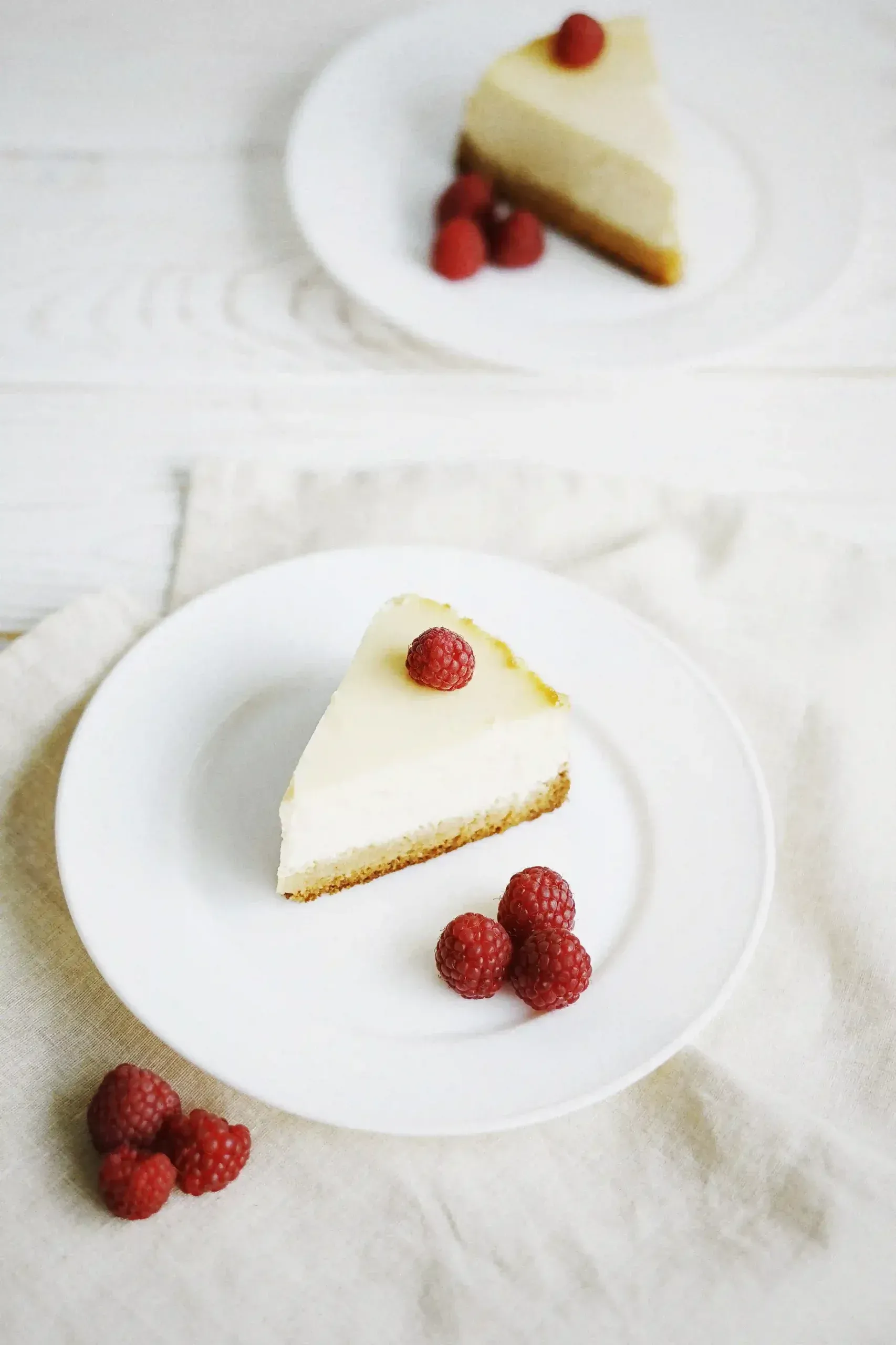
Navigating the Sweet Minefield
so we've dissected the cheese cake enceinte situation, figuring out that heat is your friend and raw stuff isn't. But let's be real, cheesecake isn't the only sweet temptation out there. Pregnancy cravings are notorious for hitting you with everything from ice cream to tiramisu. The same rules we applied to cheesecake generally hold true for other desserts. Anything with raw or undercooked eggs is a red flag – think homemade mousse, certain types of tiramisu, or even some custards if they haven't been cooked properly. Alcohol in desserts, like rum cake or some flavored fillings, is also best avoided entirely. And just like with cheesecake, ensure any dairy-based desserts, especially soft-serve ice cream from questionable machines or homemade ice cream, are made with pasteurized ingredients to dodge that Listeria bullet. Store-bought, commercially produced ice cream and most baked goods are usually fine, but always check ingredients if you're unsure. It’s about applying that same cautious lens to every sweet treat that crosses your path.
Wrapping It Up: Cheesecake and Your Pregnancy Craving
So, when that undeniable urge for cheesecake strikes during your pregnancy, the key isn't to automatically deny yourself. It's about being informed. The good news is, a properly baked cheesecake, where the heat has done its job, is usually considered safe. The real caution flag goes up for those creamy, no-bake versions, often relying on raw eggs for texture or potentially using unpasteurized cheeses. Knowing the difference and asking about ingredients – especially when you're not making it yourself – is your best defense against potential risks like salmonella or listeria. Enjoying a treat is part of life, even while expecting, but a little bit of savvy about what you're eating goes a long way. Choose wisely, and savor that slice.