
Table of Contents
Let's be honest, making a classic cheesecake from scratch can feel like trying to land a plane in a hurricane. Crust cracking, centers sinking, that dread moment you open the oven door. It's enough to send anyone running for the nearest bakery. But what if there was a way to get that creamy, tangy goodness without the high-wire act? Enter the world of the cheese cake dr oetker mix. Now, before the purists scoff, using a mix isn't admitting defeat; it's choosing a different path. It's about getting a reliable result, a solid foundation to build upon. This article isn't just about following the box instructions – anyone can do that. We're diving into how to take that Dr. Oetker mix and make it something genuinely good, maybe even something you'd serve with a bit of pride. We'll cover the basics, share some tricks to elevate your bake, troubleshoot those little hiccups that inevitably pop up, and point you in the right direction to grab a box yourself. Ready to bake a cheesecake that doesn't require a therapy session afterward?
Getting Started: What is Dr. Oetker Cheese Cake Mix?
Getting Started: What is Dr. Oetker Cheese Cake Mix?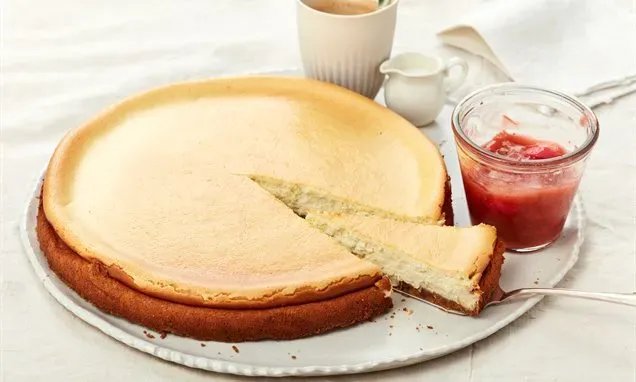
More Than Just a Box
So, you've seen the box, maybe in the international aisle or online, marked "Dr. Oetker Käsekuchen". Don't let the German throw you off; it's their take on cheesecake mix, specifically designed for the German style, which is often lighter and relies heavily on quark. Think of it not as a shortcut to mediocrity, but as a carefully measured starting point crafted by a company that's been in the baking game since the late 1800s. This isn't just some random powder; it's engineered to give you a specific texture and flavor profile. The cheese cake dr oetker mix typically includes the dry components for both the crust and the filling, saving you the hassle of weighing out flour, sugar, and leavening agents separately. It's designed for consistency, which is half the battle in baking.
What's Inside the Magic Box?
Crack open a box of cheese cake dr oetker mix, and you'll usually find two pouches: one for the base and one for the filling. The base mix often contains flour, sugar, and baking powder – the makings of a simple shortbread-like crust common in German baking. The filling mix is where things get interesting. It typically includes sugar, starch (often wheat or corn), and flavorings like vanillin. What it *doesn't* contain is the dairy. That's where you come in, adding fresh ingredients like quark, yogurt, butter, and eggs. This is crucial because it allows for that fresh, slightly tangy flavor that defines a good Käsekuchen, unlike some mixes that might try to include powdered dairy solids.
Here's a quick look at common components you'll need to add:
- Quark (essential for authentic texture)
- Plain Yogurt (adds moisture and tang)
- Eggs (binds everything together)
- Butter (for the crust)
- Milk (sometimes required depending on the specific mix version)
Why Choose the Dr. Oetker Route?
Opting for the cheese cake dr oetker mix isn't laziness; it's practicality. For many, especially outside of Germany, sourcing authentic baking quark can be a challenge. The Dr. Oetker mix is formulated to work with ingredients that are generally more accessible, or at least provides a reliable result even if your quark isn't exactly what you'd find in a German supermarket. It removes the guesswork from ingredient ratios, reducing the chance of a runny or rubbery filling. Plus, it significantly cuts down on prep time. While it won't win you any awards for "most ingredients measured by hand," it delivers a consistent, pleasant cheesecake experience that's miles ahead of many other boxed dessert options. It's about getting a good cake on the table without needing a chemistry degree.
Baking Bliss: Making Your Dr. Oetker Cheese Cake Shine
Baking Bliss: Making Your Dr. Oetker Cheese Cake Shine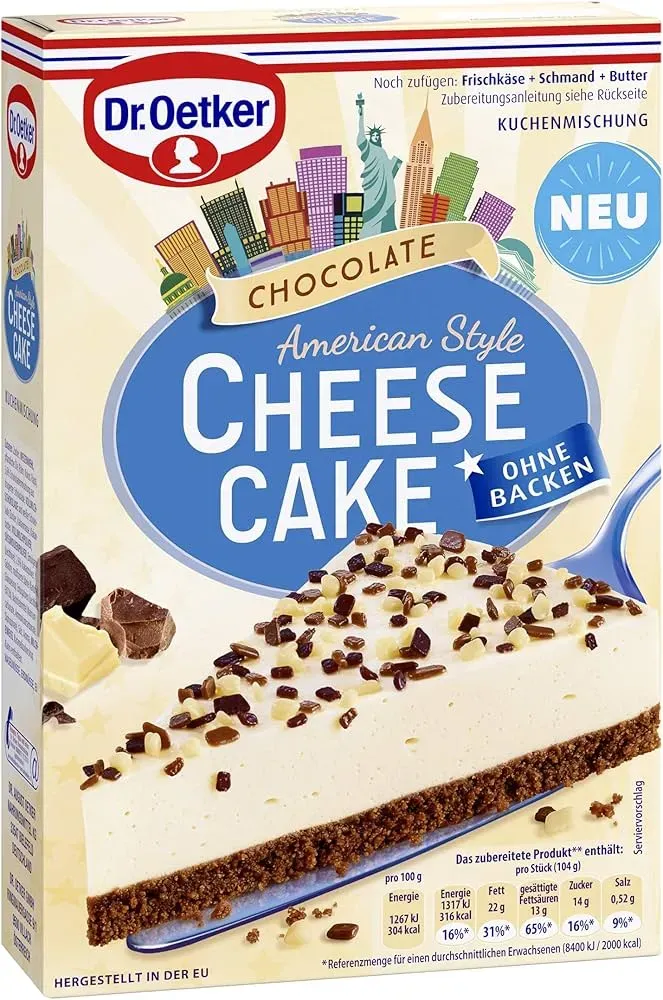
Mixing It Right: Beyond Just Following the Box
the box has instructions, and yes, you should generally follow them. But let's add a little finesse to your cheese cake dr oetker. The key is temperature. Make sure your quark, yogurt, and eggs are at room temperature. This helps everything combine smoothly and bakes more evenly. Cold ingredients can lead to a lumpy batter and a less uniform texture. When mixing the filling, don't go crazy with the mixer. Over-mixing can incorporate too much air, which leads to cracks later. Mix until just combined and smooth. For the crust, make sure the butter is soft, not melted, to get that nice crumbly texture.
Think of it like this:
- Room temp dairy = smooth batter
- Don't over-mix = no cracks
- Soft butter for crust = perfect crumbs
Baking and Cooling: The Patience Game
Baking the cheese cake dr oetker requires patience, something often in short supply when a cheesecake craving hits. Preheat your oven properly. Don't rush it. Place the springform pan on a baking sheet to catch any potential drips – better safe than sorry. Bake until the edges are set, but the center still has a slight wobble. It will continue to set as it cools. Speaking of cooling, this is where many cheesecakes meet their doom. Do NOT take it out of the oven immediately. Turn the oven off, prop the door open slightly, and let the cheesecake cool inside for at least an hour. This gradual cooling prevents drastic temperature changes that cause sinking and cracking. After that, cool it completely on a wire rack before even thinking about putting it in the fridge. Refrigeration is crucial for the final set, ideally for several hours or even overnight. Trying to slice it warm is a crime against cheesecake.
Beyond the Box: Elevating Your Dr. Oetker Cheese Cake
Beyond the Box: Elevating Your Dr. Oetker Cheese Cake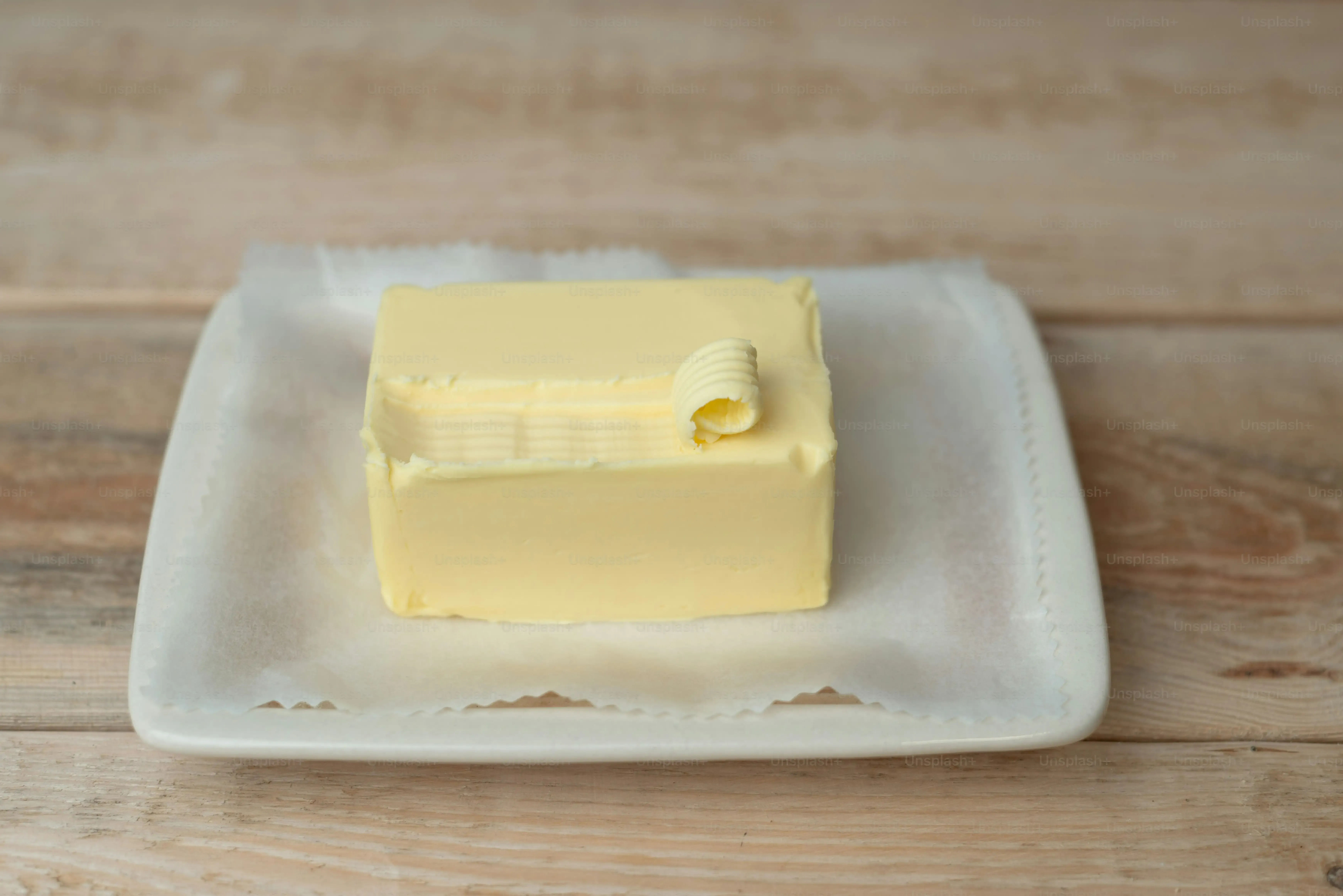
Alright, you've mastered the basic cheese cake dr oetker according to the instructions. It's good, sure, but maybe you want to make it *yours*. This is where you get to play. The mix provides a solid, reliable base, but it's a canvas waiting for your artistic touch. You're not stuck with plain vanilla. Think about adding a splash of lemon zest to the filling for brightness, or swirling in some fruit puree before baking. Maybe you want to change the crust game? Instead of just butter, try adding some finely chopped nuts or a pinch of cinnamon to the base mix. The goal here is to add layers of flavor and texture without messing up the core chemistry the mix provides. A little goes a long way in transforming a standard box cake into something that feels a bit more special, like you actually put in secret effort (which you did, just not *that* much effort).
Ways to level up your cheese cake dr oetker:
- Add citrus zest (lemon, orange, lime) to the filling.
- Swirl in berry puree or a dollop of jam before baking.
- Mix in a teaspoon of almond extract or a different vanilla (like bean paste).
- Press cookie crumbs (gingersnaps, Oreos) into the base for extra flavor.
- Top the finished, cooled cake with fresh fruit, a simple glaze, or chocolate shavings.
Troubleshooting Common Issues with Your Dr. Oetker Cheese Cake
Troubleshooting Common Issues with Your Dr. Oetker Cheese Cake
When Things Don't Go Exactly to Plan
Even with a reliable box like the cheese cake dr oetker, baking isn't always a straight line to perfection. Sometimes that beautiful, golden top decides to crack like a dry lakebed, or the center dips lower than your motivation on a Monday morning. A rubbery texture can also happen, leaving you wondering where you went wrong. Usually, these issues trace back to temperature shock or over-mixing. Pulling the cake out too fast from the hot oven is a classic culprit for cracks and sinking – the rapid temperature change makes the cake contract too quickly. Over-mixing the batter, especially after adding the wet ingredients, incorporates excess air which then collapses during baking or cooling, leading to that sad dip in the middle or a dense, rubbery finish instead of light creaminess. Don't beat the filling into submission; just persuade it to combine.
Common Cheese Cake Dr. Oetker Mishaps & Quick Fixes:
- Cracked Top: Cool gradually in the oven with the door ajar after baking. Avoid opening the oven door during baking.
- Sinking Center: Don't over-mix the filling batter. Ensure ingredients are room temperature. Cool gradually.
- Rubbery Texture: Stop mixing the filling as soon as it's combined. Make sure you're using the correct type and amount of dairy (quark/yogurt).
- Soggy Crust: Ensure butter is soft, not melted, for the base mix. Press the base firmly into the pan. Bake the crust for the minimum recommended time if specified separately.
Finding Your Mix: Where to Buy Dr. Oetker Cheese Cake
Finding Your Mix: Where to Buy Dr. Oetker Cheese Cake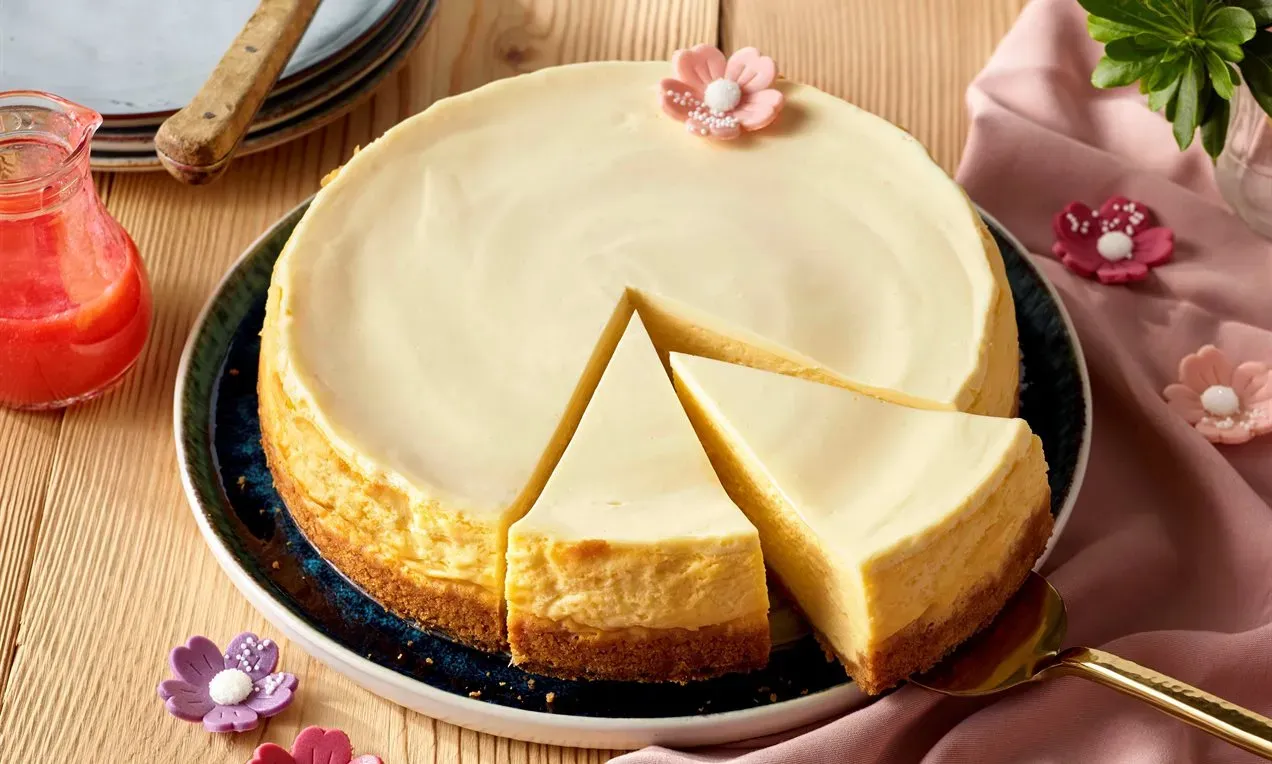
so you're convinced the cheese cake dr oetker route is worth a shot. Now, where do you actually get the stuff? It's not always sitting next to the Jell-O pudding in your average supermarket. Your best bet is often the international aisle of larger grocery stores, particularly those with a decent European selection. Failing that, online retailers are your friend. Amazon, of course, carries it, but you might also find it on websites specializing in German imports. Prices can vary wildly depending on where you look and shipping costs, so it pays to shop around a bit. Sometimes smaller, independent delis or specialty food shops might carry it too, though you'd have to call ahead or pop in to check. Don't expect to stumble upon it everywhere; finding the cheese cake dr oetker mix can sometimes feel like a minor quest, but it's usually not an impossible one.
Wrapping it Up
So there you have it. Using a cheese cake dr oetker mix isn't a culinary crime; it's a practical choice for a good result without the drama. We've walked through the steps, talked about tweaking things, tackled potential problems, and figured out where to find the stuff. The goal wasn't to pretend you spent hours whipping cream cheese by hand, but to get a decent, enjoyable cheesecake onto the table. It might not win any Michelin stars, but it's reliable, and sometimes, that's exactly what you need. Go bake the thing.