
Table of Contents
Ever crave a dessert that’s bright, creamy, and just the right amount of tangy? Something that cuts through richness without being overly sweet? If so, you're likely thinking about a classic cheese cake citron. This isn't just any cheesecake; the addition of lemon zest and juice elevates it, offering a refreshing counterpoint to the dense, smooth filling. But getting that perfect balance – a sturdy crust, a silky, crack-free top, and that vibrant citrus punch – can feel like culinary alchemy.
Why Your Next Dessert Needs to be Cheese Cake Citron
Why Your Next Dessert Needs to be Cheese Cake Citron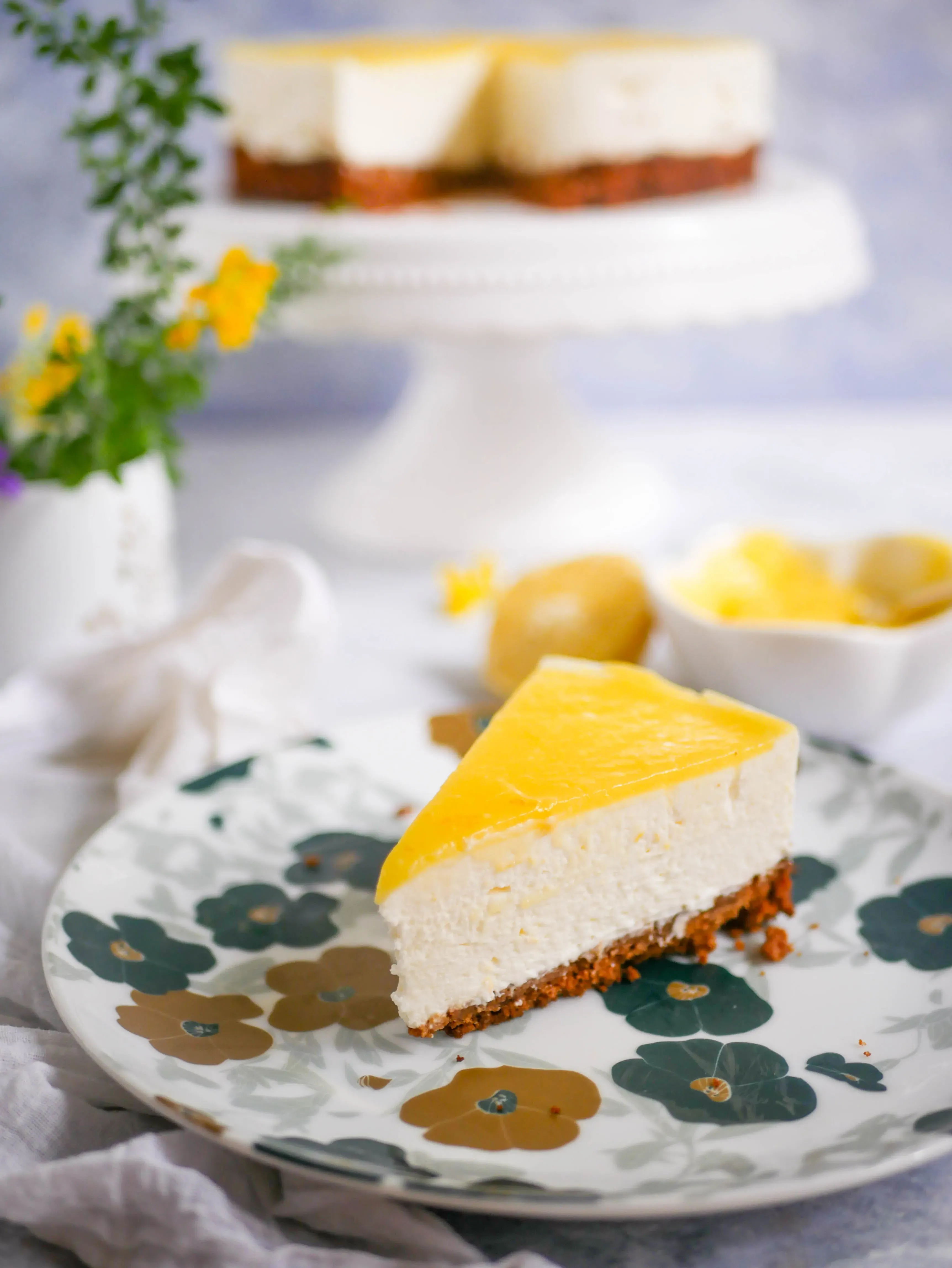
Listen, we've all been there. Staring at a dessert menu, or worse, the ingredients in our pantry, trying to decide what sweet ending is truly worth the effort. You could go for the predictable chocolate something, or maybe a fruit tart that's more work than reward. But let me tell you, the cheese cake citron is where it's at. Why? Because it hits every note. It’s creamy without being heavy, thanks to the bright, sharp counterpoint of the lemon. It’s sophisticated enough for a dinner party but comforting enough for a Tuesday night on the couch. And frankly, a well-made cheese cake citron just looks impressive, sitting there with its sunny glaze or dusting of zest. It’s a dessert that says, "Yeah, I know what I'm doing," without you having to actually say a word.
Building the Foundation for a Great Cheese Cake Citron
Building the Foundation for a Great Cheese Cake Citron
Picking the Right Crust Heroes
Alright, let's talk crust. This isn't just an afterthought; it's the bedrock of your cheese cake citron. A soggy, crumbly crust is a one-way ticket to dessert disappointment. You need something sturdy enough to hold up that creamy filling but still offer a satisfying crunch. The classic choice? Crushed cookies mixed with melted butter. Simple, right? But the type of cookie makes a difference. Graham crackers are traditional in the US, offering a neutral, slightly sweet base. For a European twist, speculoos or digestive biscuits work beautifully, adding a warm, spiced note that plays surprisingly well with the lemon. Whatever you choose, make sure they're finely crushed – a food processor is your best friend here, or a good old-fashioned Ziploc bag and rolling pin if you need to work out some frustration.
Butter Ratios and Tamping Techniques
Now, the butter. This is the glue holding your crust together. Too little, and it's a dry, dusty mess. Too much, and you've got a greasy puck. The sweet spot is usually around 1/2 cup (1 stick) of melted unsalted butter for about 1 ½ cups of fine crumbs. Mix it thoroughly until every crumb is coated and it looks like wet sand. Then comes the crucial part: tamping. You need to press this mixture firmly and evenly into your springform pan. Use the bottom of a glass or a flat-bottomed measuring cup. Really lean into it, especially up the sides if you're making a wall. This compression is what gives you a solid crust that won't fall apart when you slice your cheese cake citron.
- Graham Crackers: Classic, neutral base.
- Speculoos: Adds warm spice notes.
- Digestive Biscuits: Slightly sweeter, good texture.
- Melted Butter: Use unsalted for better control.
- Food Processor: Quickest way to make fine crumbs.
- Bottom of a Glass: Your essential tamping tool.
Pre-Baking or No Pre-Baking? That is the Question
Once your crust is firmly packed, you face a choice: pre-bake it or not? Pre-baking, typically for 8-10 minutes at around 350°F (175°C), helps set the crust and prevents it from getting soggy once the wet filling goes in. It also gives it a lovely toasted flavor. I'm firmly in the pre-bake camp for a cheese cake citron; it adds an extra layer of security against that dreaded moist bottom. Just let it cool slightly before adding the filling. If you skip the pre-bake, make sure your butter-to-crumb ratio is spot on and chill the crust thoroughly in the fridge before adding the filling. Either way, a solid, well-formed crust is the non-negotiable first step to cheese cake citron success.
Mastering the Creamy, Zesty Cheese Cake Citron Filling
Mastering the Creamy, Zesty Cheese Cake Citron Filling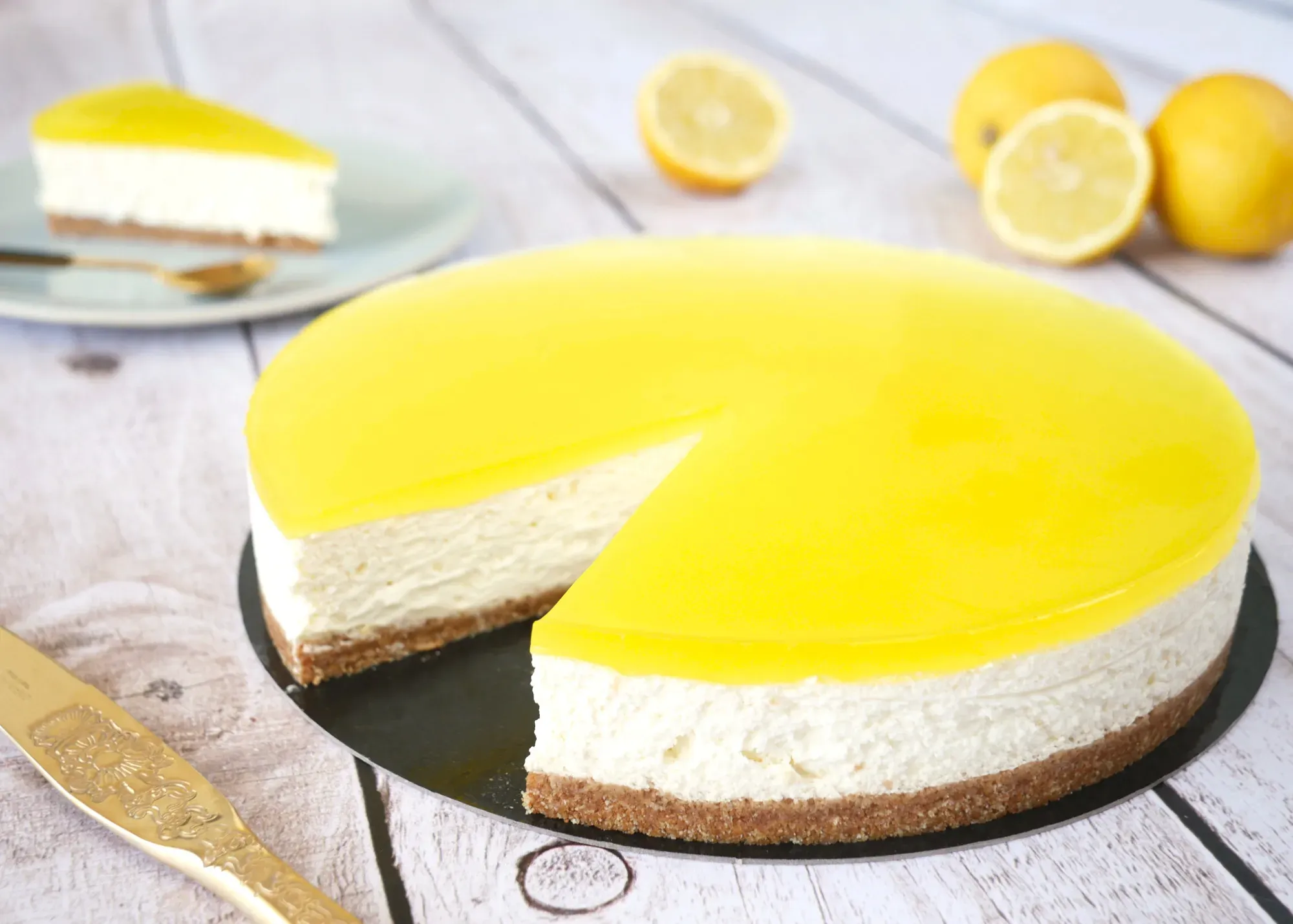
The Holy Trinity: Cream Cheese, Sugar, and Eggs
Alright, you've got your crust locked down. Now for the good stuff: the filling. This is where the magic happens for your cheese cake citron. The foundation is, of course, cream cheese. Don't even think about low-fat here; you need the full-fat block kind for that signature richness and texture. Let it sit out on the counter until it's properly softened – this is non-negotiable. Cold cream cheese leads to lumps, and no one wants a lumpy cheesecake. You'll beat this with sugar until it's smooth and creamy, then add the eggs one at a time. Why one at a time? Because you want each egg to be fully incorporated without whipping too much air into the batter. Excess air expands in the oven and then collapses, leading to cracks. Slow and steady is the name of the game here.
Mixing Techniques That Prevent Disaster
Once your cream cheese, sugar, and eggs are happy together, it's time to bring in the supporting cast: usually sour cream or heavy cream, and a touch of flour or cornstarch. The sour cream adds a lovely tang and ensures a super smooth finish, while the cream just ups the richness factor. The flour or cornstarch acts as a stabilizer, helping to prevent that dreaded crack down the middle of your cheese cake citron. Mix these in on low speed, or even by hand with a spatula. Remember the air bubbles we just talked about? This is where you keep them in check. Scrape down the sides of the bowl often to make sure everything is uniformly mixed. You're going for a satiny, pourable batter, not a whipped meringue.
- Use full-fat block cream cheese.
- Ensure all cold ingredients are at room temperature.
- Add eggs one by one, mixing just until combined.
- Mix in sour cream/heavy cream and starch on low speed.
- Scrape down the bowl frequently.
- Avoid overmixing to prevent excess air.
Injecting That Signature Citron Zing
The star of the show for a cheese cake citron is, obviously, the lemon. You need both zest and juice for maximum impact. The zest holds the potent citrus oils, giving you that bright, aromatic flavor, while the juice provides the acidity that cuts through the richness. Use a microplane for the zest, being careful to only get the yellow part – the white pith underneath is bitter. Freshly squeezed juice is a must; bottled stuff just doesn't compare. How much lemon? That depends on your preference, but a good starting point is the zest and juice of 2-3 medium lemons for a standard size cheesecake. Add this towards the end of mixing, folding it in gently. Taste a tiny bit of the batter if you dare (raw eggs, I know, but just a nibble!) to gauge the lemon intensity before it goes into the oven. You want it noticeable, but not so overpowering it makes you pucker.
Troubleshooting and Perfecting Your Cheese Cake Citron
Troubleshooting and Perfecting Your Cheese Cake Citron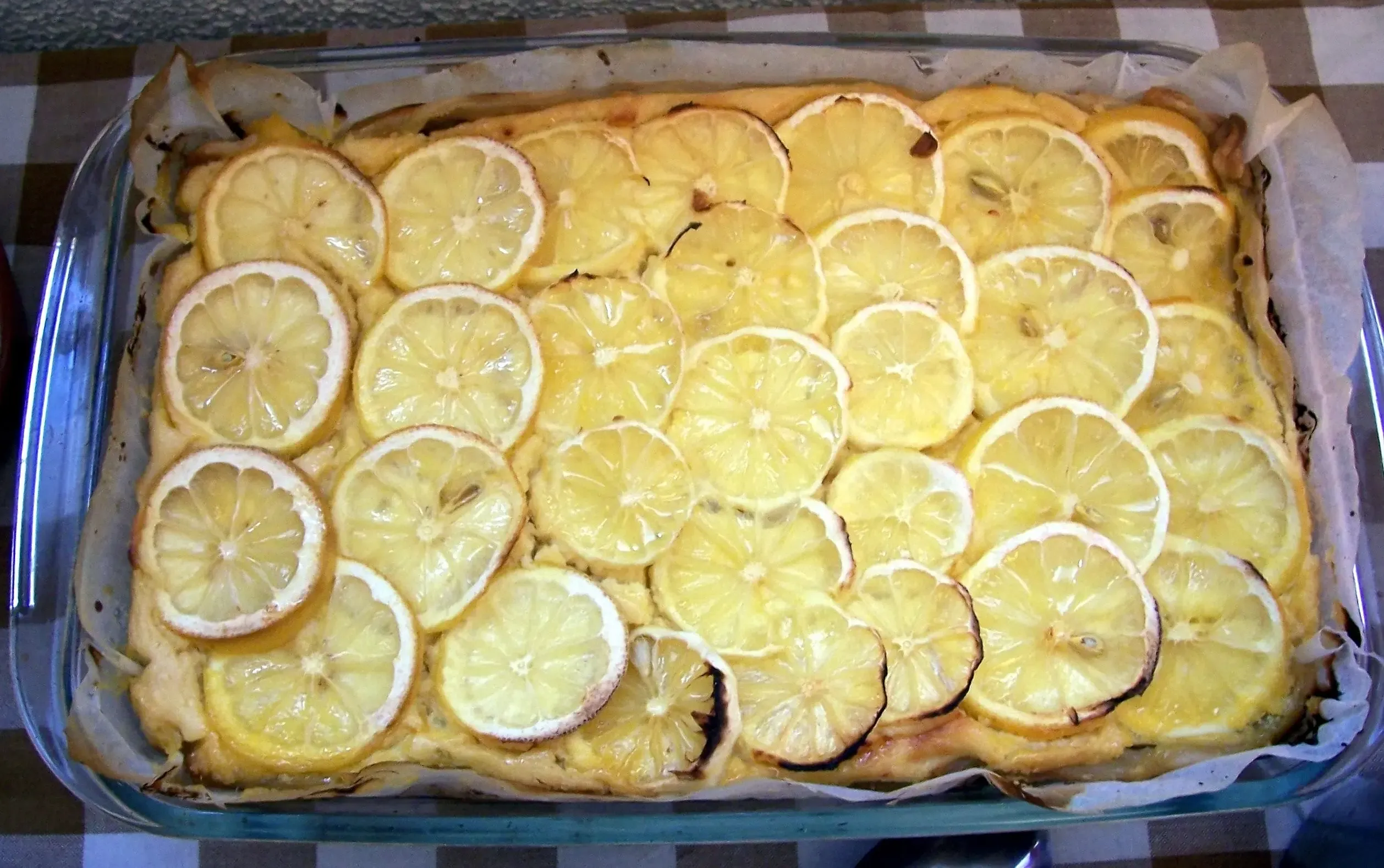
Why Your Cheese Cake Citron Might Crack (And How to Fix It)
let's talk about the heartbreak: the dreaded crack. You pull that beautiful cheese cake citron out of the oven, feeling like a culinary god, only to see a Grand Canyon running through the middle. Annoying, right? This usually happens because of rapid temperature changes or overbaking. Cheesecake is essentially a delicate custard, and it doesn't like being rushed. Baking in a water bath is your absolute best defense. It provides gentle, even heat, preventing the edges from setting too fast while the center is still wobbly. Make sure the water is hot, but not boiling, and that your springform pan is properly wrapped in heavy-duty foil to prevent leaks. Also, don't yank it out of the oven the second the timer goes off. Turn the oven off, crack the door, and let it cool down gradually inside. Patience is a virtue, especially when it comes to a perfect cheese cake citron.
Problem | Likely Cause | Solution |
|---|---|---|
Cracked Surface | Rapid temperature change, overbaking | Use a water bath, cool gradually in the oven. |
Soggy Crust | Insufficient tamping, no pre-baking, pan leak | Press crust firmly, pre-bake, wrap pan well for water bath. |
Lumpy Filling | Cold cream cheese, overmixing | Use room temperature ingredients, mix on low speed. |
Achieving That Silky Texture and Zesty Finish
Beyond avoiding disasters, perfecting your cheese cake citron means nailing that texture and flavor. The texture should be smooth and creamy, melting in your mouth, not dense or curdled. This comes back to ingredient temperature and gentle mixing. Overmixing develops gluten in the flour (if you use it) and incorporates too much air, leading to a less desirable texture. For that vibrant citron punch, don't be shy with the zest, but remember the pith is bitter. A microplane is essential here. Once baked and properly chilled (overnight is best for setting!), how you finish it makes a difference. A simple dusting of powdered sugar or a pile of fresh berries works. Or, for extra lemon power, make a quick lemon glaze by whisking powdered sugar with a little lemon juice until it's pourable. Drizzle it over the chilled cheese cake citron just before serving. It adds another layer of citrus and makes the whole thing look incredibly polished.
What's your go-to finishing touch for a cheese cake citron? Glaze, fruit, or something else entirely?
Your Perfect Cheese Cake Citron Awaits
Making a great cheese cake citron isn't magic, it's about understanding the basics and paying attention to the details. We've covered building a solid base, mixing a smooth, flavorful filling, and navigating potential baking issues. While no recipe guarantees perfection every single time – ovens vary, ingredients differ – armed with these strategies, you're significantly increasing your odds of success. The reward? That unmistakable, creamy, tangy slice that makes all the effort worthwhile. Give it a shot, learn from each bake, and soon enough, your cheese cake citron will be the one people request again and again.