Table of Contents
We all love cheesecake. That creamy, rich, slightly tangy slice of pure indulgence. But let's be honest, a little voice in the back of our heads often whispers about the cheese cake calorie count. It's a common worry. How much damage are we really doing with just one piece? It feels like a mystery, a delicious, high-stakes gamble for our waistlines. You see those decadent layers and think, "This can't be good." And you're probably right, at least from a calorie perspective. But understanding *why* cheesecake packs such a punch and *how* different types stack up can make a big difference. We're going to pull back the curtain on the cheese cake calorie story. We’ll look at what ingredients contribute the most, compare popular styles, and, most importantly, talk about how you can still enjoy this amazing dessert without completely derailing your health goals. Ready to get the real scoop?
The Truth About Cheese Cake Calorie Counts
The Truth About Cheese Cake Calorie Counts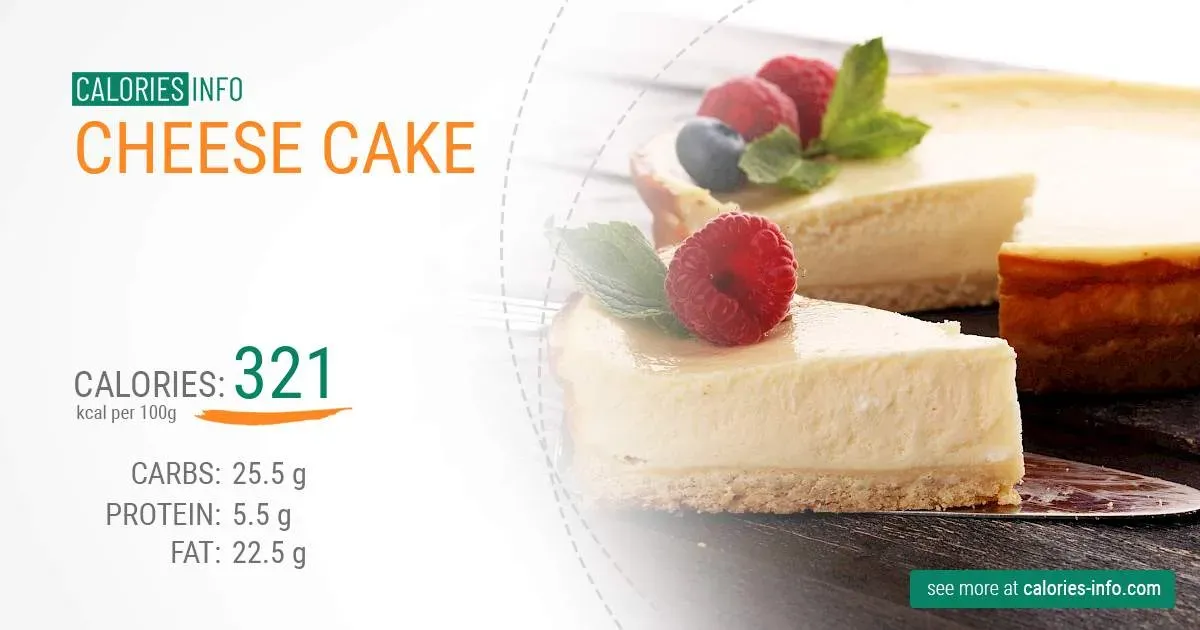
Facing the Creamy Reality
Let's not sugarcoat it, which is ironic considering the topic. The truth about the cheese cake calorie situation is pretty straightforward, and maybe a little brutal: a single slice often packs a serious punch. We're not talking about a light snack here. This is a dense, rich dessert, and that density translates directly into calories. Think about the core ingredients – cream cheese, heavy cream, sugar, butter in the crust. None of those are exactly diet staples. Ignoring the cheese cake calorie count is like ignoring a speed limit sign; you can do it, but there's a consequence, usually measured in inches rather than traffic tickets.
The Usual Suspects: Ingredients Tell the Tale
So, where do all these calories come from? It’s mostly fat and sugar doing the heavy lifting. Cream cheese is foundational, providing that signature tang and creaminess, but it’s high in fat. Heavy cream? More fat. Sugar? Obvious calorie source, and lots of it. The crust, often made with butter and crushed cookies, adds another layer of fat and carbs. It’s a perfect storm of calorie-dense ingredients designed for flavor and texture, not calorie restraint. A standard New York style slice isn't just big in size; it's big in energy concentration.
- Cream Cheese: High in fat, foundational to the texture.
- Sugar: Pure calories, provides sweetness and structure.
- Heavy Cream/Sour Cream: Adds richness, more fat content.
- Butter: Crucial for the crust, adds significant fat.
- Eggs: Contribute protein and binding, but also some fat calories.
- Crust (Graham Cracker/Cookie): Carbs and fat from butter/cookies.
Why Your Slice Might Be More Than You Think
The serving size is key, and here's where things get tricky. Restaurant portions are often huge. What looks like one slice might be two or even three times the size of a standard serving you'd find on a nutrition label for a pre-packaged cake. This massively inflates the actual cheese cake calorie intake for your treat. Even a seemingly modest slice from a bakery can easily hit numbers that represent a significant chunk of an average person's daily calorie allowance, sometimes pushing into the 800-1000 calorie range or even higher depending on toppings and richness.
What Makes a Slice of Cheesecake Pack So Many Calories?
What Makes a Slice of Cheesecake Pack So Many Calories?
The Unholy Trinity: Fat, Sugar, and More Fat
So, you’re wondering, "What Makes a Slice of Cheesecake Pack So Many Calories?" Let's break it down. It's really about the ingredient list. The base is usually cream cheese, which is essentially concentrated dairy fat. Then you add heavy cream or sour cream for that extra smooth texture and richness – more fat. Sugar is poured in generously, not just for sweetness but also for structure and browning during baking. These three elements alone create a calorie bomb before anything else even enters the picture. It's like building a house out of butter and sugar bricks.
Density and Portion Size: Double Trouble
Beyond the ingredients, the sheer density of cheesecake plays a huge role. It’s not airy like a sponge cake. It's compact and heavy. A small-looking slice can weigh quite a bit, meaning more grams of those calorie-dense ingredients per bite. And let's not forget portion distortion. As mentioned earlier, restaurant servings are notoriously large. They aren't selling you a demure little triangle; they're giving you a slab. That generous serving size, combined with the ingredient density, is really What Makes a Slice of Cheesecake Pack So Many Calories? compared to lighter desserts.
Ingredient | Primary Calorie Source | Contribution to Texture/Flavor |
|---|---|---|
Cream Cheese | Fat | Creaminess, Tang |
Sugar | Carbohydrates | Sweetness, Structure |
Heavy Cream/Sour Cream | Fat | Richness, Smoothness |
Butter | Fat | Crust Flavor, Binding |
Comparing Cheese Cake Calorie Counts: A Look at Different Styles
Comparing Cheese Cake Calorie Counts: A Look at Different Styles
Classic Styles: The Heavy Hitters
When you start Comparing Cheese Cake Calorie Counts, the classic New York style is usually the benchmark for calorie density. It's built on a foundation of full-fat cream cheese, often with sour cream or heavy cream added for extra richness, and a buttery graham cracker crust. This combination is delicious, no doubt, but it’s a calorie powerhouse. Italian cheesecakes, often made with ricotta, can sometimes be slightly lighter because ricotta has less fat than cream cheese, but they still pack a significant calorie count, especially if they include candied fruit or a rich pastry crust. French-style cheesecakes, sometimes lighter and more delicate, might use Neufchâtel or a blend of cheeses, but again, richness often dictates calorie load.
Lighter Options and What They Save You
On the other end of the spectrum when Comparing Cheese Cake Calorie Counts, you find variations designed specifically to cut down on the richness. No-bake cheesecakes, for example, often rely more on whipped cream or condensed milk than just solid blocks of cream cheese, sometimes making them a bit less dense and potentially lower in fat, though condensed milk is pure sugar. Cheesecakes made with reduced-fat cream cheese or yogurt can definitely shave off calories and fat grams. However, be wary; sometimes sugar is increased to compensate for the flavor lost from fat, or thickeners are added. It's not always a straight swap for pure health, but they are generally a step down in calorie intensity from their traditional counterparts.
So, what's the typical range we're talking about for a standard slice (let's say about 1/12th of a 9-inch cake)?
Cheesecake Style | Approximate Calorie Range (per slice) | Key Differentiator |
|---|---|---|
Classic New York | 600-1000+ | Full-fat cream cheese, dense texture, rich crust |
Italian (Ricotta-based) | 500-800 | Ricotta base (can be slightly lower fat), sometimes less dense |
No-Bake | 400-700 | Often lighter texture, uses whipped cream/condensed milk |
Reduced-Fat/Light | 300-600 | Uses reduced-fat ingredients (cream cheese, yogurt) |
Enjoying Cheesecake Without Derailing Your Calorie Goals
Enjoying Cheesecake Without Derailing Your Calorie Goals
Mastering the Art of Portion Control
so we know cheesecake isn't exactly kale. But does that mean you have to banish it forever? Absolutely not. Enjoying Cheesecake Without Derailing Your Calorie Goals starts with accepting the reality of the cheese cake calorie count and then getting smart about *how* you eat it. The biggest win you can score here is portion control. That massive slice they serve at the restaurant? Ask for half. Seriously. Or better yet, share it with a friend. Buying a whole cake? Cut smaller pieces than you think you want. It sounds simple, maybe even annoyingly obvious, but it's the single most effective strategy. Your taste buds get the memo with a smaller amount, and your waistline will thank you. It's about savoring a rich, small piece, not inhaling a giant slab.
Making Smarter Cheesecake Choices
Beyond just slicing smaller, you can also make choices about the cheesecake itself that impact the cheese cake calorie load. Remember our chat about different styles? Opting for a lighter, perhaps ricotta-based or a well-made reduced-fat version, can save you hundreds of calories compared to a dense New York style monster, especially if it's loaded with toppings. If you're baking at home, you have even more control. You can slightly reduce the sugar, use a lighter cream cheese, or build a thinner crust. While you don't want to sacrifice flavor entirely – nobody wants sad, rubbery cheesecake – small tweaks can make a difference over time. It's not about finding a "healthy" cheesecake (that's a bit of a unicorn), but finding a *less calorie-dense* option.
- Portion control is paramount: Cut smaller slices or share.
- Choose lighter styles: Ricotta or reduced-fat versions can be lower in calories.
- Be mindful of toppings: Sauces, whipped cream, and extra cookies add significant calories.
- Consider making it at home: Allows control over ingredients and portion size.
- Savor each bite: Eat slowly and truly enjoy the smaller portion.
So, What's the Final Word on That Cheesecake Calorie Count?
Alright, let's not sugarcoat it (pun intended): cheesecake isn't exactly diet food. The cheese cake calorie count is substantial, driven by all that cream cheese, sugar, and crust. We’ve seen how different styles can vary, but generally, you’re looking at a significant chunk of your daily intake in one slice. The good news? Knowing is half the battle. You understand the players – the fats, the carbs. This isn't about never eating cheesecake again; that would be tragic. It's about making informed choices. Maybe it's a smaller slice, maybe it's a less decadent version, or maybe it's just an occasional treat you truly savor, without the guilt trip attached. Enjoy the slice, but do it with your eyes wide open about what's in it. That's the real sweet spot.