
Table of Contents
Ever stare longingly at a picture of a perfectly pale, subtly tangy cheese cake au citron and think, "Yeah, right, like I could ever make that"? We get it. Cheesecake can feel like the Mount Everest of home baking – one wrong step and you're sliding back down the mountain of curdled custard or cracked tops. But here's the scoop: that bright, zesty cheese cake au citron you dream about? Totally within reach. Forget the horror stories and the complicated recipes that read like ancient scrolls. This guide cuts through the noise. We’re going to walk you through exactly what makes this particular dessert sing, break down the process into steps that make sense even after a long day, tackle the annoying little things that sometimes go wrong (because let's be real, they do), and finally, talk about how to serve and store your masterpiece so you can actually enjoy the fruits of your labor. No fluff, just the facts, and maybe a little bit of tough love about oven temperatures.
What Makes a Cheesecake au Citron So Special?
What Makes a Cheesecake au Citron So Special?
let's talk about cheese cake au citron. You've had your dense, classic New York style, maybe a chocolate swirl number, but the lemon version? It's a whole different beast. While many cheesecakes aim for pure, unadulterated richness, the cheese cake au citron brings a necessary counterpoint: brightness. That sharp, tangy hit of citrus cuts through the creamy, velvety texture of the cheese filling. It’s not just adding a flavor; it’s creating a balance, a delightful tension between rich and refreshing that keeps you coming back for another bite instead of feeling like you need a nap after one slice. It feels lighter, more sophisticated somehow, the kind of dessert you might actually want after a full meal, not just instead of one.
- It offers a vibrant contrast to rich dairy.
- The citrus cuts through density, making it feel lighter.
- It provides a refreshing tang alongside creamy texture.
- The flavor profile is both indulgent and bright.
Simple Steps to Your Dream Cheesecake au Citron
Simple Steps to Your Dream Cheesecake au Citron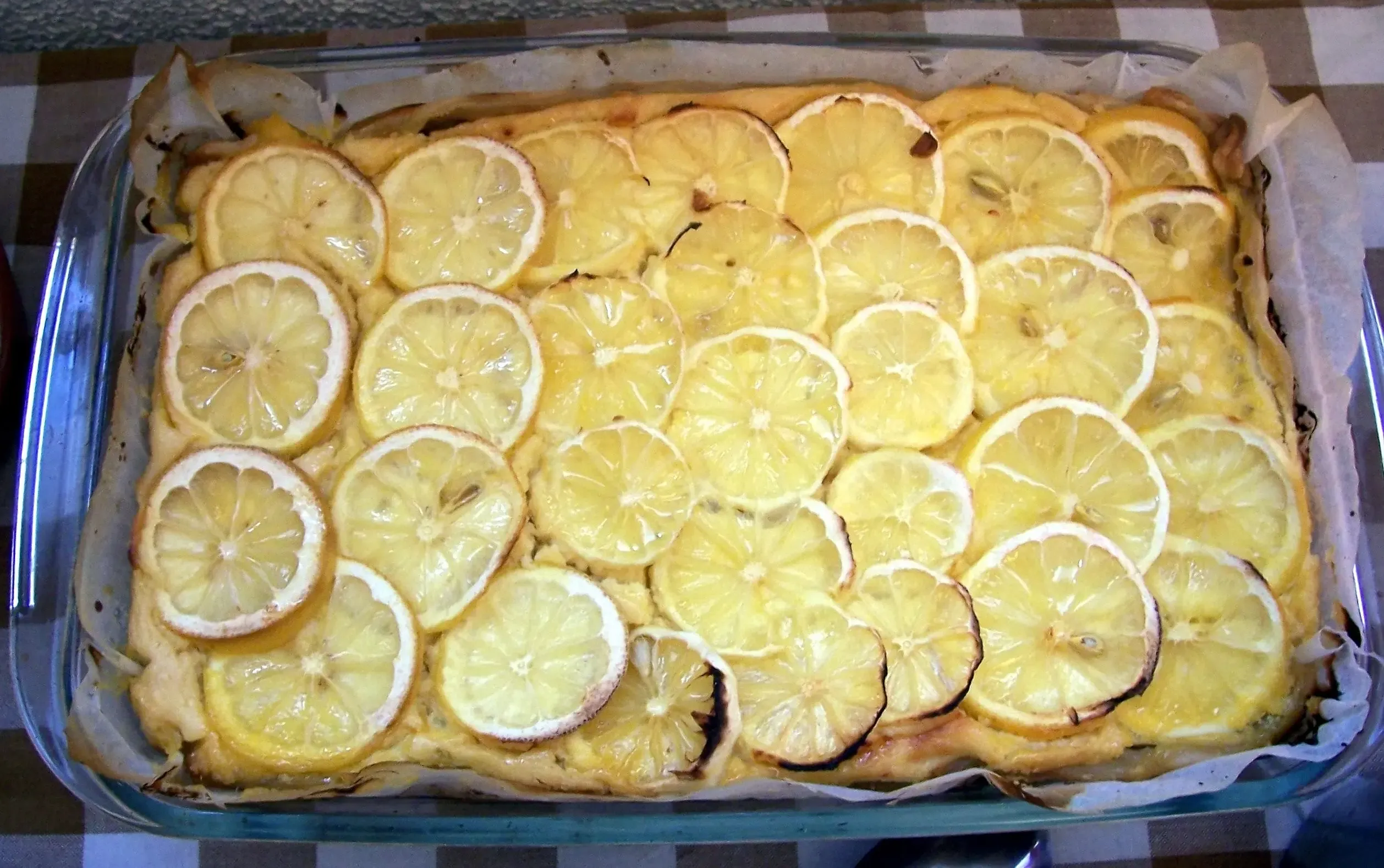
so you're ready to actually make this thing happen. Forget the intimidating images of pastry chefs hovering over ovens; making a killer cheese cake au citron is more about paying attention than possessing some secret baking gene. It starts with room temperature ingredients – seriously, if your cream cheese is cold, you're fighting an uphill battle and inviting lumps. Get that cream cheese, eggs, and sour cream (or whatever dairy you're using) out of the fridge well in advance. Zesting your lemons before you juice them is also a rookie move to avoid; you get way more zest when the lemon is firm. Mix the crust ingredients until they just clump, press it firmly into the pan (a flat-bottomed glass helps), and pre-bake it slightly. For the filling, cream the cheese until smooth, then add sugar, zest, and juice, mixing just until combined – don't overmix, or you'll whip in too much air, which leads to cracks. Finally, the water bath: essential for even baking and preventing cracks, even if it feels like a hassle wrangling a springform pan wrapped in foil.
- Always use room temperature ingredients.
- Zest lemons *before* juicing them for maximum flavor.
- Don't overmix the filling; stop as soon as ingredients are combined.
- A water bath is your best friend against cracks.
Troubleshooting Common Cheesecake au Citron Issues
Troubleshooting Common Cheesecake au Citron Issues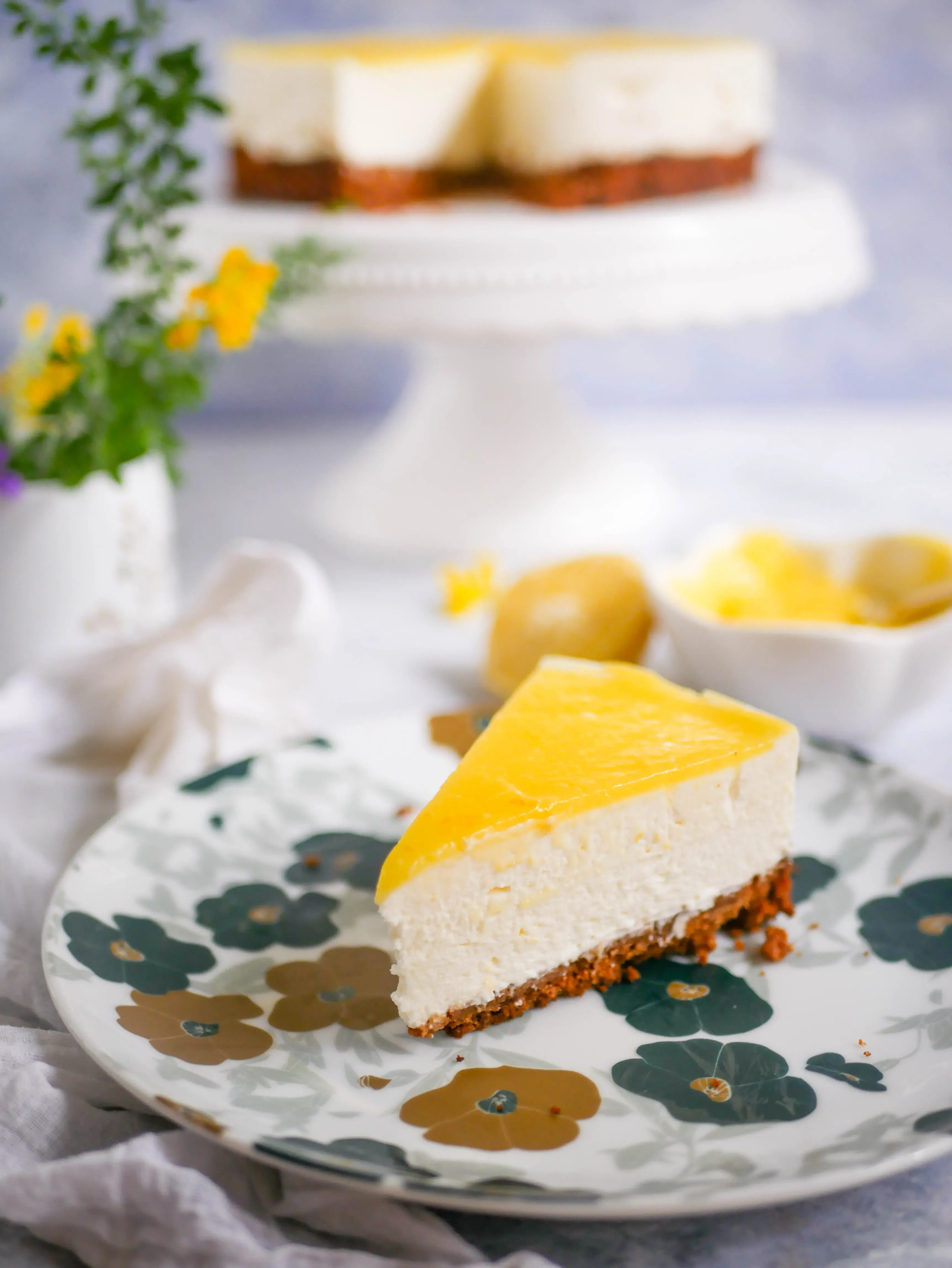
Cracked Tops and Sinking Centers
let's face it, the dreaded cracked top is the bane of many a home baker attempting a cheese cake au citron. It feels like a personal insult from the dessert gods. Often, this happens because the cheesecake baked too fast or cooled too quickly, causing the top to set before the center catches up, leading to tension and, well, a crack. Overmixing can also whip in too much air, which expands and then collapses. Your oven temperature might be too high, or you might be skipping that crucial water bath. Pulling the cheesecake out too soon is another culprit; it needs to set gradually. Don't panic if it happens; a swirl of whipped cream or some fresh berries can hide a multitude of sins, but let's try to prevent it next time.
Curdled Filling or Grainy Texture
Nobody wants a cheese cake au citron that feels more like cottage cheese than custard. If your filling looks lumpy or grainy, the prime suspect is usually cold cream cheese. Trying to beat cold, hard blocks into submission just doesn't work; you end up with unmixed pockets. Adding cold eggs too quickly can also cause issues. Another common pitfall is overmixing once the eggs are added; this develops gluten in the eggs and makes the texture tough. Ensure your lemon juice and zest are incorporated evenly without beating the mixture into oblivion. Gentle mixing is key to that silky smooth finish you expect from a perfect cheese cake au citron.
So, next time you're tackling a cheese cake au citron, keep these points in mind:
- Did you use room temperature ingredients?
- Was the water bath deep enough?
- Did you avoid overmixing, especially after adding eggs?
- Did you let it cool gradually in the oven before moving it?
Sometimes it's just one small tweak that makes all the difference between a cracked mess and a picture-perfect slice.
Serving and Storing Your Delicious Cheesecake au Citron
Serving and Storing Your Delicious Cheesecake au Citron
The Crucial Chill Time
Alright, you've successfully navigated the baking minefield and your cheese cake au citron is out of the oven, looking magnificent (or at least not actively crumbling). The absolute hardest part comes next: waiting. Seriously, do not even *think* about slicing into that beautiful thing while it's warm. A cheese cake au citron needs significant chill time – we're talking at least 4-6 hours, but honestly, overnight is better. This isn't just about getting it cold; it's about letting the texture fully set and the flavors meld. Trying to cut it too soon results in a squishy, messy slice that doesn't hold its shape. Patience is your final test in the journey of making a perfect cheese cake au citron. Once it's properly chilled, use a sharp knife dipped in hot water and wiped clean between each slice for the cleanest cuts. It makes a difference.
Keeping it Fresh: Storing Your Masterpiece
So, by some miracle, you haven't devoured the entire cheese cake au citron in one sitting. Good for you. Now you need to store it correctly to keep that bright, tangy flavor and creamy texture intact. The key is to keep it airtight. Wrap the cooled cheesecake tightly in plastic wrap, then add a layer of aluminum foil for extra protection against fridge odors and drying out. Store it in the refrigerator for up to 3-4 days. If you need to keep it longer, cheesecake freezes remarkably well. Wrap individual slices or the whole cheesecake (minus any toppings) just as you would for refrigeration, then place it in a freezer-safe bag or container. Thaw it slowly in the refrigerator overnight before serving. Don't leave it on the counter to thaw; you'll lose that lovely texture.
Quick storage tips for your cheese cake au citron:
- Always chill thoroughly before storing or serving.
- Wrap tightly in plastic wrap and foil for refrigeration.
- Refrigerated cheesecake lasts 3-4 days.
- For longer storage, wrap well and freeze.
- Thaw frozen cheesecake in the refrigerator.
Your Cheesecake Au Citron Victory Lap
So, you've navigated the crumb crust, wrestled with the filling, and held your breath while it chilled. Making a cheese cake au citron isn't exactly throwing together a two-ingredient cookie, but you did it. You now have a tangible, edible result of your effort – a dessert that actually delivers on that bright, tangy promise. It might not look like it belongs in a magazine shoot the first time, or maybe it does. Either way, it's yours. Slice it up, take a bite, and remember that sometimes the best things require a little precision and a lot of patience. And hey, even if it wasn't perfect, it still beats buying a sad, flavorless slice from the store, right?