
Table of Contents
Forget those airy, whipped imposters. When we talk about a true cheese cake americain, specifically the classic New York style, we're talking about a dense, impossibly creamy dessert that holds its shape and delivers a rich, tangy punch. It’s the kind of cake that demands respect, and frankly, a decent amount of cream cheese. Too many people settle for pale imitations, riddled with cracks or lacking that signature heft. Making the real deal might seem intimidating, a baking Everest, but it’s more about precision than magic. This isn't some fluffy, quick-fix dessert; it requires patience and attention to detail, but the payoff is a slice of pure indulgence that justifies every minute. We’ll walk you through why this particular cheese cake americain reigns supreme, break down the non-negotiable ingredients, lay out the exact steps, and tackle the common disasters that can derail your baking journey. Consider this your no-nonsense guide to achieving cheesecake perfection.
Why the Classic New York Cheesecake Endures
Why the Classic New York Cheesecake Endures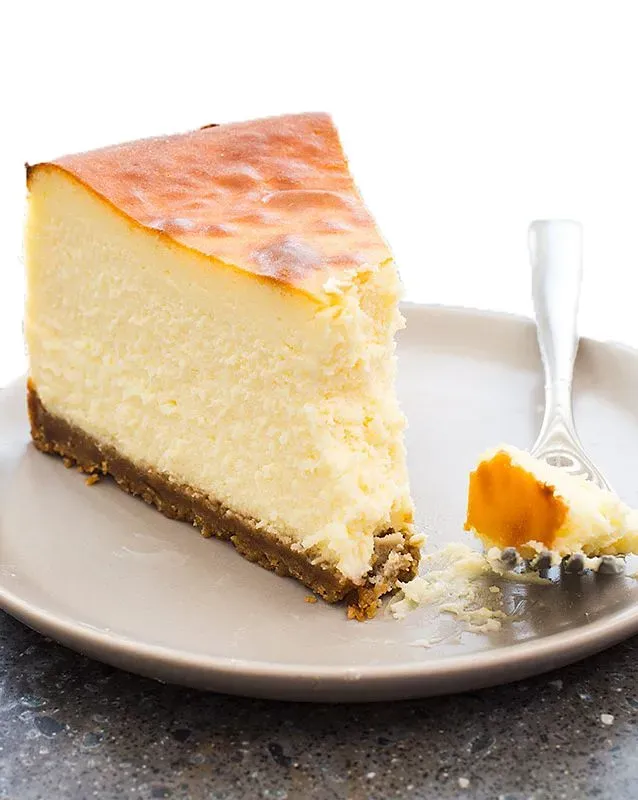
More Than Just Cream Cheese
Look, plenty of places slap some cream cheese on a crust and call it cheesecake. But the classic New York version? It’s a different animal entirely. It’s dense, rich, and smooth, almost impossibly so. It doesn’t wobble like a scared jelly; it stands tall, a monument to dairy done right. This isn't a light, airy dessert you float through; you take a bite and it grounds you. It's the standard by which all other cheesecakes should frankly be judged, a culinary benchmark that has stood the test of time for a reason.
A Slice of the City's Soul
New York City has claimed this cheesecake as its own, and honestly, who are we to argue? It’s got that same no-nonsense attitude – straightforward, substantial, and utterly satisfying. Think about the iconic diners and delis; they all served this behemoth. It wasn’t fancy; it was just *good*. It became intrinsically linked to the city's food scene, a staple dessert that locals and tourists alike sought out. It’s got history baked into every slice, a taste of a specific time and place that still resonates today.
What makes it so special?
- Its signature density and creamy texture.
- The tangy counterpoint from the cream cheese.
- The simple, often graham cracker, crust.
- It doesn't rely on excessive toppings (though they are welcome additions).
The Unchanging Appeal
In a world obsessed with trends and fleeting fads, the classic New York cheesecake remains stubbornly, wonderfully the same. People aren't looking for a deconstructed or 'updated' version; they want the real deal, the one they remember, the one that delivers that consistent, comforting richness. It’s a dessert you can rely on, a dependable pleasure in uncertain times. Its enduring popularity isn't some mystery; it's simply because it got it right the first time, and sometimes, you don't mess with perfection.
Ingredients for the Real American Cheesecake
Ingredients for the Real American Cheesecake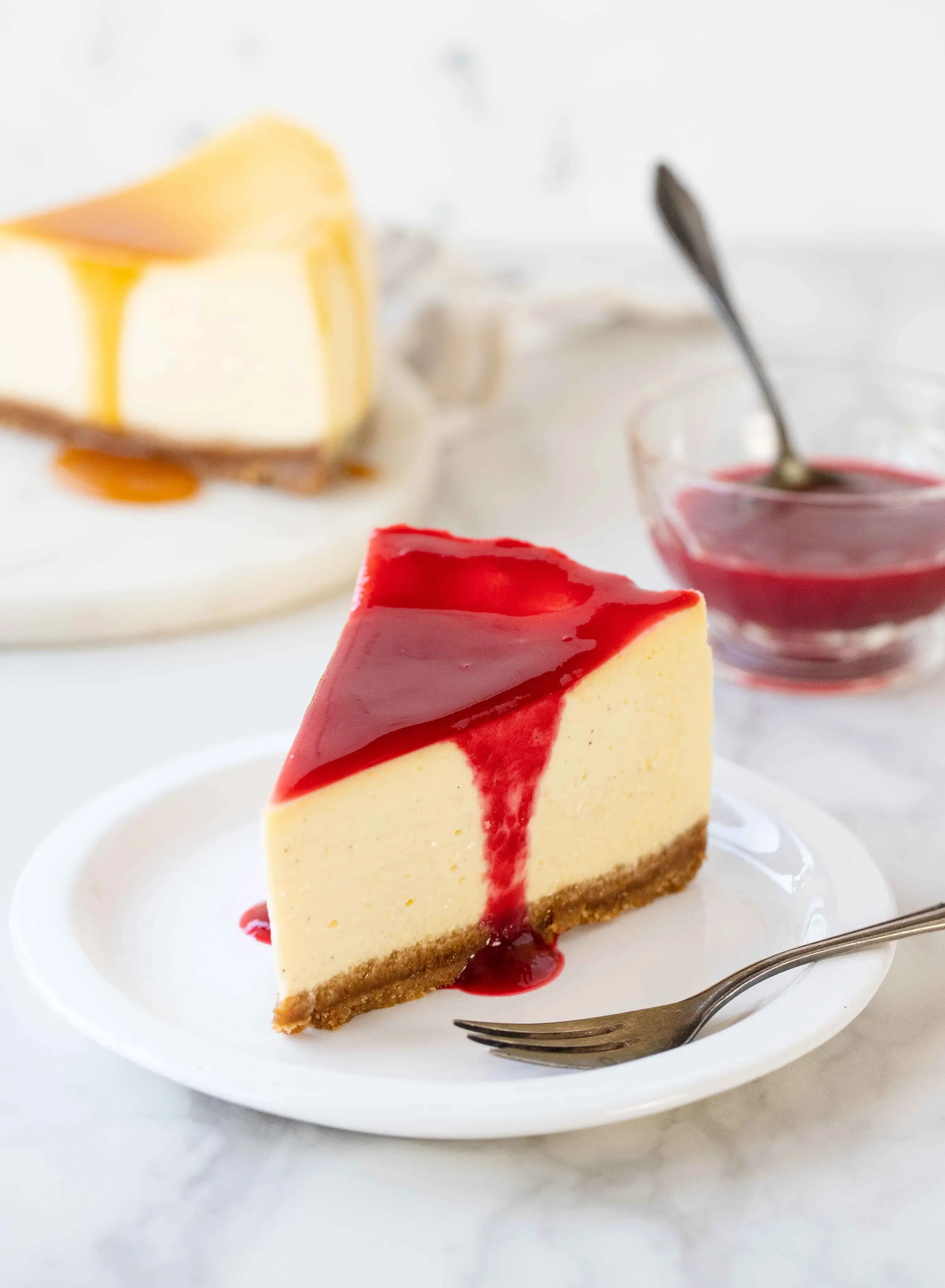
The Foundation: Cream Cheese is King
Alright, let’s talk ingredients. This is where many attempts at a proper cheese cake americain go sideways. You absolutely cannot skimp on the cream cheese. And I mean *real* cream cheese, the full-fat block stuff. None of that whipped or low-fat nonsense; it has too much water and won't give you that essential dense, smooth texture. Philadelphia is the classic choice for a reason – it’s reliable and delivers consistent results. You’ll need a good amount, because this cake is built on it. Think of it as the concrete for your dessert skyscraper.
Baking Your Classic New York Cheesecake: The Method
Baking Your Classic New York Cheesecake: The Method
Getting the Pan and Crust Right
Alright, you've got your ingredients ready. Now comes the actual construction of this magnificent cheese cake americain. First things first: the pan. You need a springform pan, usually 9 or 10 inches. Wrap the outside *tightly* with heavy-duty aluminum foil. We're talking several layers. Why? Because we're going to bake this bad boy in a water bath, and you do not want soggy crust. Trust me, I've learned this the hard way; a leaky pan in a water bath is a disaster zone. For the crust, a simple graham cracker crust is traditional and perfect. Mix those crumbs with melted butter and a little sugar, then press it firmly into the bottom of the pan. Get it even. You can pre-bake it for about 10-12 minutes at 350°F (175°C) if you want a crispier base, or skip it – some purists don't pre-bake. Just make sure it's packed down well.
Mixing the Silky Smooth Filling
This is where the magic happens, but it's also where things can go wrong if you get overzealous. Your cream cheese, sugar, and other ingredients need to be at room temperature. This is non-negotiable for a smooth batter. Beat the cream cheese first until it's smooth and lump-free *before* adding anything else. Then gradually add the sugar, scraping down the bowl often. Incorporate the eggs one at a time, mixing just until combined. Don't whip air into this. Over-mixing introduces air bubbles, which expand and cause cracks during baking. Add your sour cream or heavy cream, vanilla, and maybe a squeeze of lemon juice for that classic tang. Mix on low speed, or even by hand for the final additions, until everything is just incorporated. You're aiming for smooth, not fluffy.
Key mixing principles:
- Use room temperature ingredients.
- Beat cream cheese until smooth first.
- Add ingredients gradually.
- Mix on low speed.
- Do not over-mix after adding eggs.
The Water Bath and the Waiting Game
Pour your perfectly smooth batter into the prepared pan. Gently tap the pan on the counter a few times to help any large air bubbles rise and pop. Now, the water bath. Place the foil-wrapped springform pan inside a larger baking pan. Carefully pour hot water into the larger pan until it comes about halfway up the sides of the springform pan. This water bath creates a humid environment and ensures the cheesecake bakes evenly and gently, preventing cracks. Bake at a lower temperature, typically around 325°F (160°C), for a longer time. The center should be mostly set but still slightly jiggly. Turn off the oven, crack the door open slightly, and let the cheesecake cool *slowly* inside the oven. This gradual cooling is crucial for preventing cracks. Once cooled in the oven, remove it from the water bath, cool completely on a wire rack, and then – and this is the hardest part – refrigerate it for at least 6-8 hours, or preferably overnight. The chill time is essential for the cheese cake americain to firm up and develop its final texture and flavor.
Solving Cheesecake Woes: Tips and FAQs for American Cheesecake
Solving Cheesecake Woes: Tips and FAQs for American Cheesecake
Why Your Beautiful Cheesecake Cracked (And How to Stop It)
Ah, the dreaded crack. You pull your cheese cake americain out of the oven, feeling like a culinary champion, only to see a Grand Canyon running through the middle. Soul crushing, I know. The main culprits? Usually, it's temperature shock or incorporating too much air. Baking it too hot, cooling it too fast, or opening the oven door prematurely are prime ways to stress out your cheesecake. Over-mixing the batter, especially after adding the eggs, whips in air bubbles that expand and burst as the cake sets, leaving behind those unsightly fissures. Think of it like concrete: you want it smooth and settled, not frothy.
Other Common Headaches and Quick Fixes
Cracking isn't the only potential pitfall when tackling a classic American Cheesecake. Sometimes you end up with a cheesecake that sinks in the middle – often another sign of over-mixing or underbaking. A grainy texture? That usually points to ingredients not being at room temperature or not beating the cream cheese smooth *before* adding other things. Soggy crust? You probably didn't wrap that pan tightly enough for the water bath, or maybe you didn't pre-bake the crust if your recipe called for it. Don't despair; most common issues have straightforward solutions.
Got questions? Here are some common ones we hear:
- Do I *really* need a water bath? (Yes, if you want to minimize cracking and ensure even baking.)
- Can I use low-fat cream cheese? (Technically, yes, but the texture will suffer. Stick to full-fat for the real deal.)
- My crust is too crumbly. What gives? (Probably not enough butter, or you didn't press it firmly enough into the pan.)
- How do I know when it's done? (The edges should be set, maybe slightly puffed, and the center should still have a slight jiggle when you gently shake the pan. It will continue to set as it cools.)
Earning Your Slice
Making a proper cheese cake americain, the New York kind, isn't a five-minute job. It demands patience, good ingredients, and a bit of faith in the process. You might stare at the oven door, resisting the urge to peek, or fret over a tiny hairline crack. But when you finally cut into that chilled, dense, creamy wedge, you'll understand. It’s not just dessert; it’s the result of following the steps, respecting the science, and earning every single rich bite. Go make the cake.