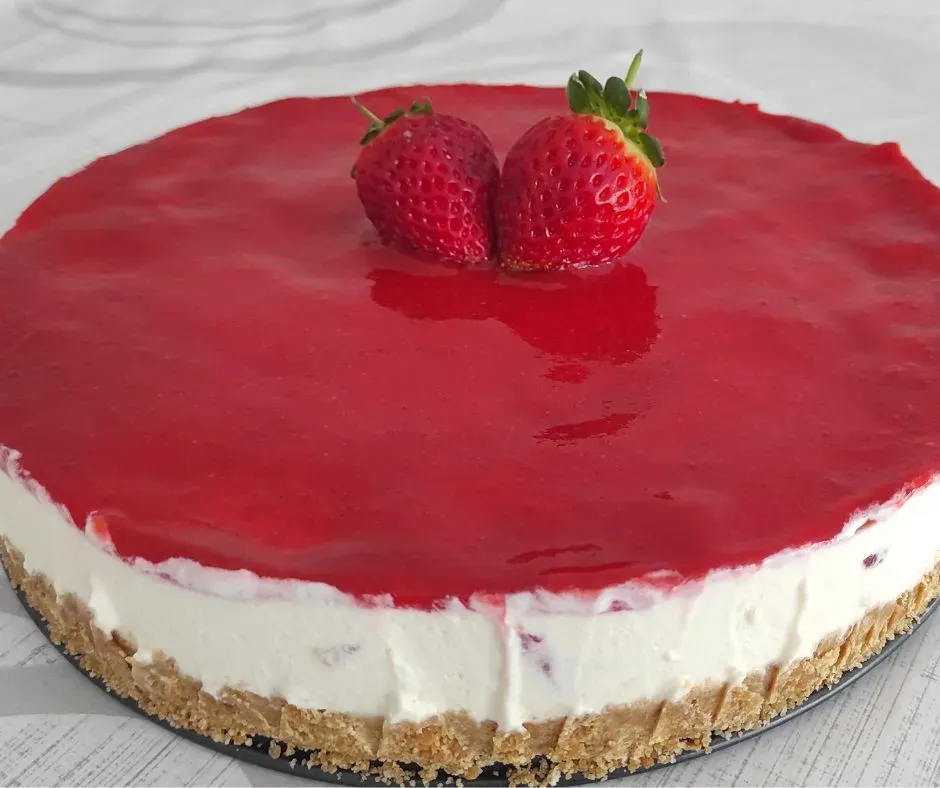
Table of Contents
Let's talk about cheese cake a la fraise. It’s that dessert that shows up at picnics and celebrations, promising creamy richness cut by bright, sweet strawberries. You see it, you want it, maybe you’ve even tried to make it. But sometimes it doesn't quite turn out like the picture – maybe the crust crumbles, the filling cracks, or those strawberries just don't pop the way you hoped. Making a truly great cheese cake a la fraise isn't just about mixing stuff in a bowl; it's about understanding a few key principles.
What Exactly is Cheese Cake A La Fraise?
What Exactly is Cheese Cake A La Fraise?
Breaking Down the Name
Alright, let's cut to the chase. When you hear "cheese cake a la fraise," your brain probably snaps right to creamy, sweet, and red. And you're mostly right. The name itself is pretty literal if you know a little French. "Cheese cake" is, well, cheesecake. And "a la fraise" just means "with strawberry." So, at its core, we're talking about a strawberry cheesecake. Simple, right? Except, like most simple things in cooking, the devil is in the details. It’s not just cheesecake with some strawberries tossed on top. There's usually a specific way the strawberries are prepared and presented that elevates it beyond just a plain cheesecake with fruit.
The Essential Elements
A classic cheese cake a la fraise typically involves a few non-negotiable components. First, you need a crust. This is often a graham cracker crust, buttery and slightly crumbly, providing a textural contrast to the smooth filling. Then comes the main event: the cheese filling. This is usually cream cheese-based, blended with sugar, eggs, and often a touch of vanilla. The texture should be dense yet creamy, not rubbery or too light. Finally, the "a la fraise" part. This isn't just sliced raw strawberries. More often than not, the strawberries are macerated, meaning they've been mixed with sugar and sometimes a bit of lemon juice or liqueur, allowing their natural juices to create a syrupy sauce. This strawberry topping is usually added after the cheesecake is baked and cooled, sitting like a jewel-toned crown.
So, what makes a good cheese cake a la fraise stand out?
- A firm, flavorful crust that doesn't fall apart.
- A rich, smooth, crack-free cream cheese filling.
- Bright, sweet, slightly saucy strawberries that complement, not overpower, the cheese.
- Proper chilling time – seriously, don't skip this.
More Than Just Dessert
While it’s definitely a dessert, cheese cake a la fraise holds a particular spot in the culinary landscape. It’s a crowd-pleaser that feels a bit fancy without being intimidatingly complex to *eat*. It’s substantial enough to be satisfying but the strawberries add a freshness that keeps it from feeling overly heavy. It’s the kind of thing you bring to a potluck and watch disappear rapidly. It works for a summer barbecue just as well as it does for a holiday gathering. It’s versatile, dependable, and generally makes people happy. That’s the real magic of a good cheese cake a la fraise.
Mastering the Classic Cheese Cake A La Fraise Recipe
Mastering the Classic Cheese Cake A La Fraise Recipe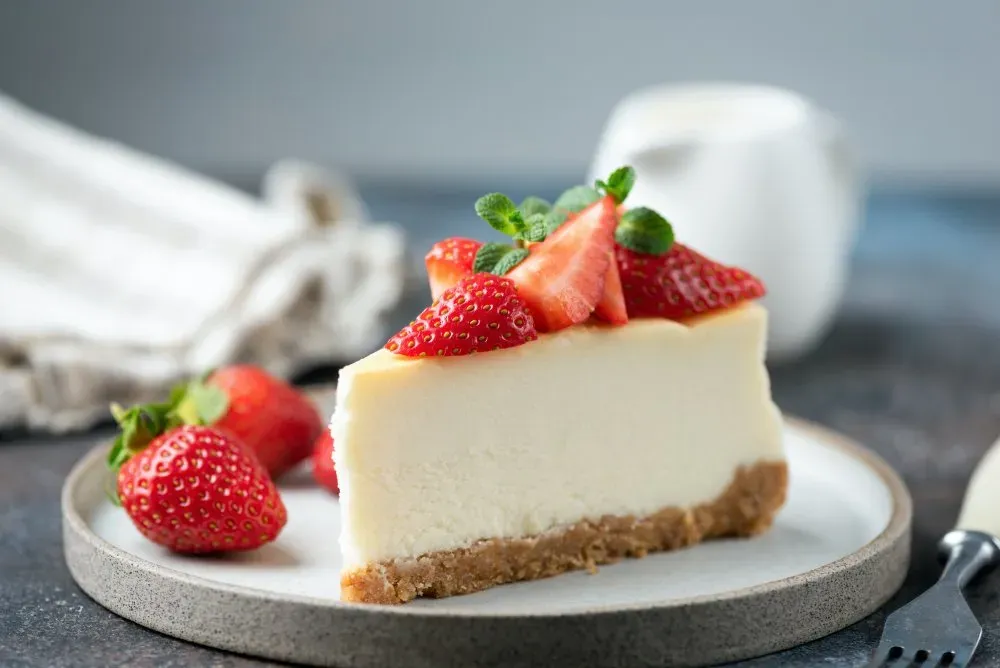
Building the Foundation: The Crust
Alright, let's talk about the base of this operation: the crust. A truly great cheese cake a la fraise starts with a solid foundation. You don't want a soggy mess or something that disintegrates when you try to slice it. The classic choice is a graham cracker crust, and for good reason. It's easy, slightly sweet, and has that perfect sandy texture. The key? Butter. Melted butter binds those crumbs together. Don't just dump the crumbs and butter in the pan; press them firmly into the bottom and up the sides. Use the bottom of a glass or a flat measuring cup. Get in there and compact it like you're paving a tiny road. A little pre-baking helps too, just ten minutes or so, to set it before the filling goes in. It adds a layer of insurance against sogginess.
The Heart of the Matter: The Cheese Filling
Now for the star: the cheese filling. This isn't the time for low-fat anything. You need full-fat cream cheese, softened properly. Cold cream cheese means lumps, and nobody wants lumpy cheesecake. Let it sit out. Beat it until it's smooth before adding anything else. Sugar comes next, then eggs. Add the eggs one at a time, mixing just until combined. Overmixing eggs introduces too much air, and that's a fast track to a cracked surface later. Vanilla is essential, maybe a little lemon zest if you're feeling zesty. Keep it simple. The goal is a smooth, dense, creamy mixture that screams indulgence.
Getting this right involves a few key steps:
- Use room temperature cream cheese.
- Beat cream cheese until perfectly smooth before adding other ingredients.
- Add sugar gradually.
- Mix in eggs one at a time, on low speed, just until incorporated.
- Scrape down the bowl often to ensure everything is blended evenly.
The Gentle Heat and the Long Wait
Baking a cheese cake a la fraise isn't like baking cookies. It's a low and slow process. Many bakers swear by a water bath (bain-marie) to ensure even cooking and prevent cracks. Wrap the springform pan tightly in foil (like, *really* tightly, you don't want a leak) and place it in a larger pan filled with hot water. The steam creates a humid environment, which helps the cheesecake cook gently. Bake until the edges are set but the center still has a slight wobble. Turn off the oven and let it cool inside with the door propped open. This gradual cooling is crucial for preventing those heartbreaking cracks. And then, the hardest part: chilling. It needs hours, ideally overnight, in the fridge to firm up properly before you even *think* about adding those beautiful strawberries.
Tips for Baking the Ultimate Cheese Cake A La Fraise
Tips for Baking the Ultimate Cheese Cake A La Fraise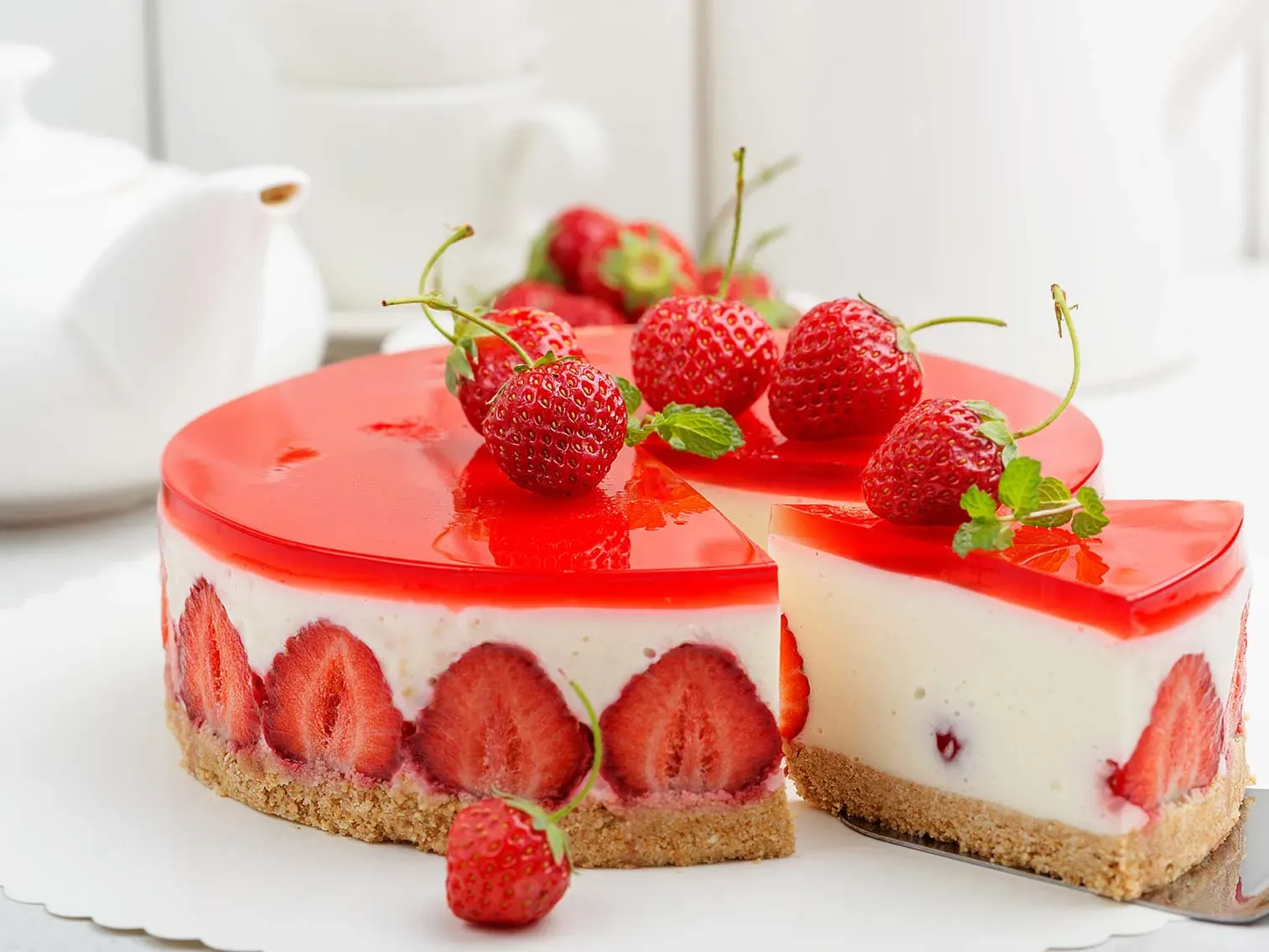
Ingredient Quality is Non-Negotiable
Look, you can't make a silk purse out of a sow's ear, and you can't make an ultimate cheese cake a la fraise with subpar ingredients. This isn't the time to skimp on the cream cheese. Go for the full-fat block stuff, the kind that comes in a foil wrapper, not the whipped or spreadable tubs. Those have stabilizers and extra air you don't want in a dense cheesecake. Use real vanilla extract, not imitation. And for the strawberries? Ripe, fragrant berries are key. If your strawberries taste like water, your topping will too. Think of it as building a house; a weak foundation means the whole thing might just collapse.
Mind the Temperature, Always
Baking cheesecake is a temperature game from start to finish. Your cream cheese and eggs *must* be at room temperature for that smooth, lump-free filling we talked about. Cold ingredients mean overmixing to get them smooth, and overmixing means cracks. The oven temperature needs to be consistent and not too high; low and slow is the mantra. And that water bath? It's not just for show; it keeps the temperature around the cheesecake stable and moist. After baking, letting it cool gradually in the turned-off oven prevents sudden temperature shocks that cause cracks. Patience here pays off in a beautiful, smooth surface.
- Room temperature cream cheese and eggs: Critical for smoothness.
- Low and slow oven temperature: Prevents overbaking and cracking.
- Water bath: Creates a humid environment for even cooking.
- Gradual cooling: Essential for preventing surface cracks.
- Full chilling time: Develops flavor and sets texture.
Don't Rush the Chill or the Topping
I know, I know. It's tempting to slice into that beautiful cheese cake a la fraise the moment it's cool enough not to burn your tongue. Resist this urge. Cheesecake needs hours, preferably overnight, in the refrigerator to set properly. This chilling time isn't just about firmness; it allows the flavors to meld and deepen. Adding the strawberry topping too early can make the crust or top soggy. Prepare your macerated strawberries and add them just before serving, or at least a few hours before so the juices can slightly seep in but not turn everything into a mushy mess. This ensures the strawberries are vibrant and the cheesecake remains pristine.
Beyond the Standard Cheese Cake A La Fraise
Beyond the Standard Cheese Cake A La Fraise
Beyond the Standard Cheese Cake A La Fraise
So, you've nailed the classic cheese cake a la fraise. The crust is perfect, the filling is smooth, and the strawberries are glistening just right. What's next? Don't stop there. The world of cheese cake a la fraise variations is wide open. Think about swapping the graham cracker crust for crushed shortbread cookies or even chocolate wafers for a different flavor profile. The filling itself can take on new dimensions – maybe infuse the cream cheese with a hint of basil or mint, or swirl in some raspberry puree before baking. And the "a la fraise" part? Get creative! Roast the strawberries with a balsamic glaze for a deeper, more complex sweetness, or combine them with other berries like raspberries or blueberries. A splash of Grand Marnier or a sprinkle of black pepper (seriously, try it) can completely transform the simple strawberry topping into something unexpected and memorable.
Your Cheese Cake A La Fraise Questions Answered
Your Cheese Cake A La Fraise Questions Answered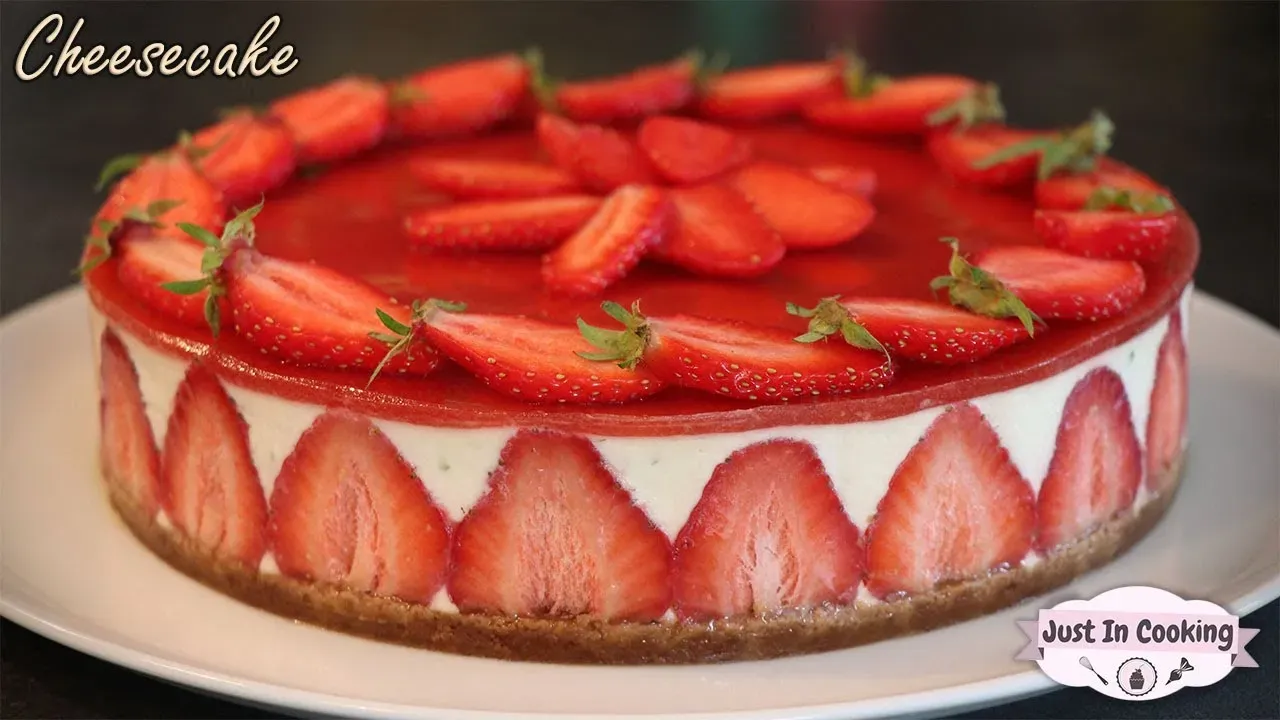
Why Does My Cheesecake Always Crack?
Ah, the dreaded crack. It's the bane of many a home baker attempting a cheese cake a la fraise. That smooth, pristine surface suddenly looks like a miniature earthquake hit it. Usually, this isn't a sign you're a terrible baker; it's often about temperature shock and overbaking. Baking at too high a temperature, opening the oven door too early, or pulling the cheesecake out and letting it cool too quickly on the counter are prime culprits. The outside cooks and sets faster than the inside, creating tension. As it cools, the outer, firmer part can't shrink with the still-soft interior, and *snap*, you get a crack. Using a water bath helps immensely by keeping the temperature even and moist.
How Do I Avoid a Soggy Crust?
Nobody wants a cheese cake a la fraise with a wet, mushy bottom. The crust is supposed to be the sturdy, slightly crunchy counterpoint to the creamy filling. Soggy crusts usually happen because moisture from the filling seeps into the crust during baking or chilling. Pre-baking your crust is your best defense. Bake it for about 10 minutes before adding the filling. This helps set the butter and creates a barrier. Also, make sure your springform pan is properly sealed, especially if you're using a water bath. A leaky pan means a waterlogged crust, and that's just depressing.
- Pre-bake your graham cracker crust for 10-12 minutes.
- Ensure your springform pan is tightly sealed, especially for a water bath.
- Press the crust firmly into the pan bottom and sides.
- Don't add the strawberry topping until the cheesecake is fully chilled, ideally just before serving.
What's the Best Way to Prepare the Strawberries?
The "fraise" part of cheese cake a la fraise deserves attention. Just slicing raw strawberries isn't usually enough. Macerating them is the standard and effective method. Slice or quarter your ripe strawberries, toss them with a few tablespoons of sugar, and let them sit for at least 30 minutes. The sugar draws out the strawberries' natural juices, creating a simple, bright syrup. A squeeze of lemon juice enhances the strawberry flavor and adds a little zing. For a richer topping, you can gently cook a portion of the macerated strawberries into a thicker sauce and mix it back with fresh berries. This gives you both texture and intense flavor.
Mastering Your Cheese Cake A La Fraise Mission
So there you have it. Tackling a cheese cake a la fraise might seem a bit daunting at first, like trying to assemble furniture with only a picture, but break it down, pay attention to the details – room temp cream cheese, no overmixing, gentle cooling – and you’re most of the way there. It takes a little patience, maybe a couple of test runs that aren’t quite magazine-cover perfect (we’ve all had those), but the payoff is a slice of something genuinely satisfying. It's not magic; it's just baking with a bit of know-how and maybe a dash of stubborn refusal to let a dessert get the best of you.