Table of Contents
Let's be honest, sometimes the idea of another sugary, overly sweet dessert after a substantial meal feels like a chore, not a treat. You've just navigated courses of savory goodness, and now you're expected to power through a dense chocolate cake or a towering parfait? It’s understandable if your palate is crying for something different, something that extends the dining experience rather than abruptly ending it. This is precisely where the often-overlooked but utterly brilliant concept of embracing cheese a dessert enters the picture.
Why Consider Cheese a Dessert?
Why Consider Cheese a Dessert?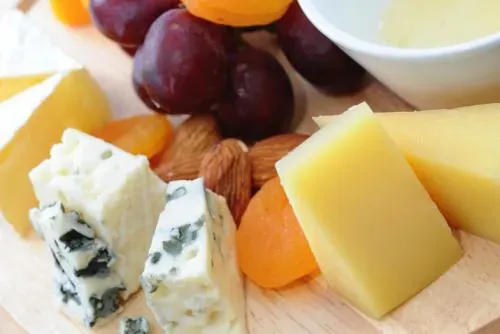
Breaking the Sweetness Barrier
Look, we've all been there. You've just had a fantastic dinner. Maybe it was rich, maybe it was light, but it hit the spot. Then the dessert menu comes. Another round of sugar bombs? Sometimes your palate just screams for a different kind of satisfaction. This is precisely why you should consider cheese a dessert. It’s not about replacing sweetness entirely; it’s about offering a sophisticated counterpoint. Cheese brings complexity – tang, saltiness, creaminess, even a bit of funk – that sugary desserts often lack. It acts as a palate cleanser and a final, lingering note to the meal, rather than a heavy, sweet punctuation mark.
A Global Tradition, Reimagined
Thinking about cheese a dessert isn't some fringe idea cooked up by food snobs. It's a practice with deep roots in many cultures, particularly across Europe. In France, a cheese course before or after dessert is standard. It’s seen as a way to savor the end of the meal, allowing conversation to flow over varied textures and flavors. It makes sense, right? Why rush to a sugar rush when you can linger with something nuanced? It provides a bridge from the savory meal you just enjoyed, offering continuity instead of a jolt. It’s less about ending the meal and more about extending the pleasure of good food and company. Plus, it’s usually far less work than baking a soufflé.
Reasons to Choose Cheese for Dessert
- Offers complex, non-sweet flavors.
- Acts as a palate cleanser.
- Extends the dining experience.
- Often requires minimal preparation.
- A culturally rich tradition.
- Pairs wonderfully with various beverages.
The Best Cheeses for Your Dessert Plate
The Best Cheeses for Your Dessert Plate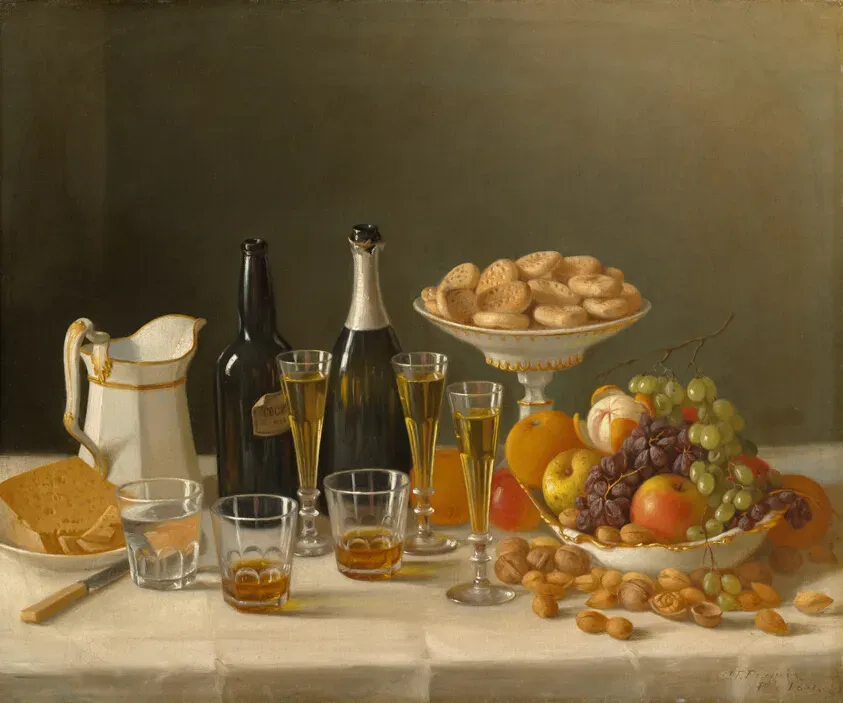
Soft and Creamy Delights
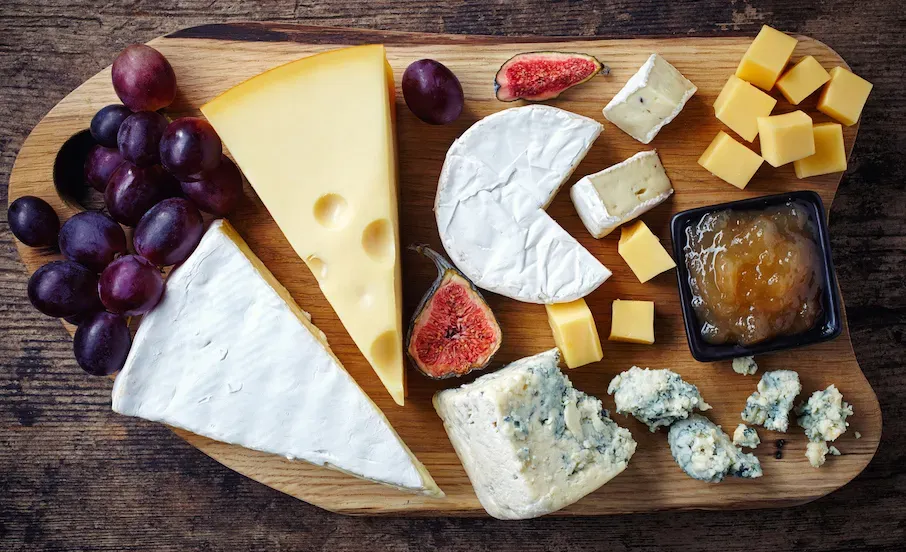
Alright, so you're convinced cheese a dessert isn't just for fancy restaurants. Great. But where do you even start? Think about texture first. Soft, creamy cheeses are your best friends here. A beautiful triple-cream brie, oozing decadence at room temperature, is a no-brainer. It’s rich, buttery, and feels incredibly luxurious. A fresh goat cheese, especially one rolled in herbs or ash, offers a lovely tang that cuts through richness – a perfect counterpoint to fruit or honey. Even a good ricotta, whipped until airy, can be transformed with a drizzle of olive oil and a sprinkle of flaky salt. These cheeses are approachable and feel naturally indulgent, making the transition to cheese a dessert easy for newcomers.
Adding Some Character: Blue and Firm Choices
Don't shy away from cheeses with a bit more personality when considering cheese a dessert. Blue cheeses, with their pungent bite and often creamy texture, are surprisingly excellent after a meal. A mild Gorgonzola Dolce, for instance, pairs beautifully with figs or a sweet wine. It’s a classic for a reason. Firmer cheeses like aged Gouda or a crumbly cheddar can also work, offering nutty, caramel notes that resonate with dessert flavors. They provide a different kind of satisfaction, something to chew on and savor slowly. It’s about building a plate with different experiences, not just different tastes.
Great Dessert Cheese Options
- Triple-cream Brie
- Fresh Goat Cheese (Chevre)
- Gorgonzola Dolce
- Aged Gouda
- Parmigiano-Reggiano (yes, really!)
- Ricotta Salata (for contrast)
Aged Wonders and Unexpected Heroes
For the slightly more adventurous, aged cheeses bring incredible depth to the cheese a dessert concept. A shard of salty, crystalline Parmigiano-Reggiano might seem odd, but served with a drizzle of aged balsamic vinegar, it's a revelation. The sweetness of the balsamic plays against the salty, nutty cheese in a way that just works. Consider a washed-rind cheese for its earthy complexity, perhaps paired with a robust fruit compote. The key is thinking about balance – the cheese shouldn't just sit there; it should interact with whatever you pair it with, creating a final bite that makes you sit back and smile. It’s less about a sugar rush and more about a flavor journey.
Pairing Perfection: Drinks and Sides for Cheese as Dessert
Pairing Perfection: Drinks and Sides for Cheese as Dessert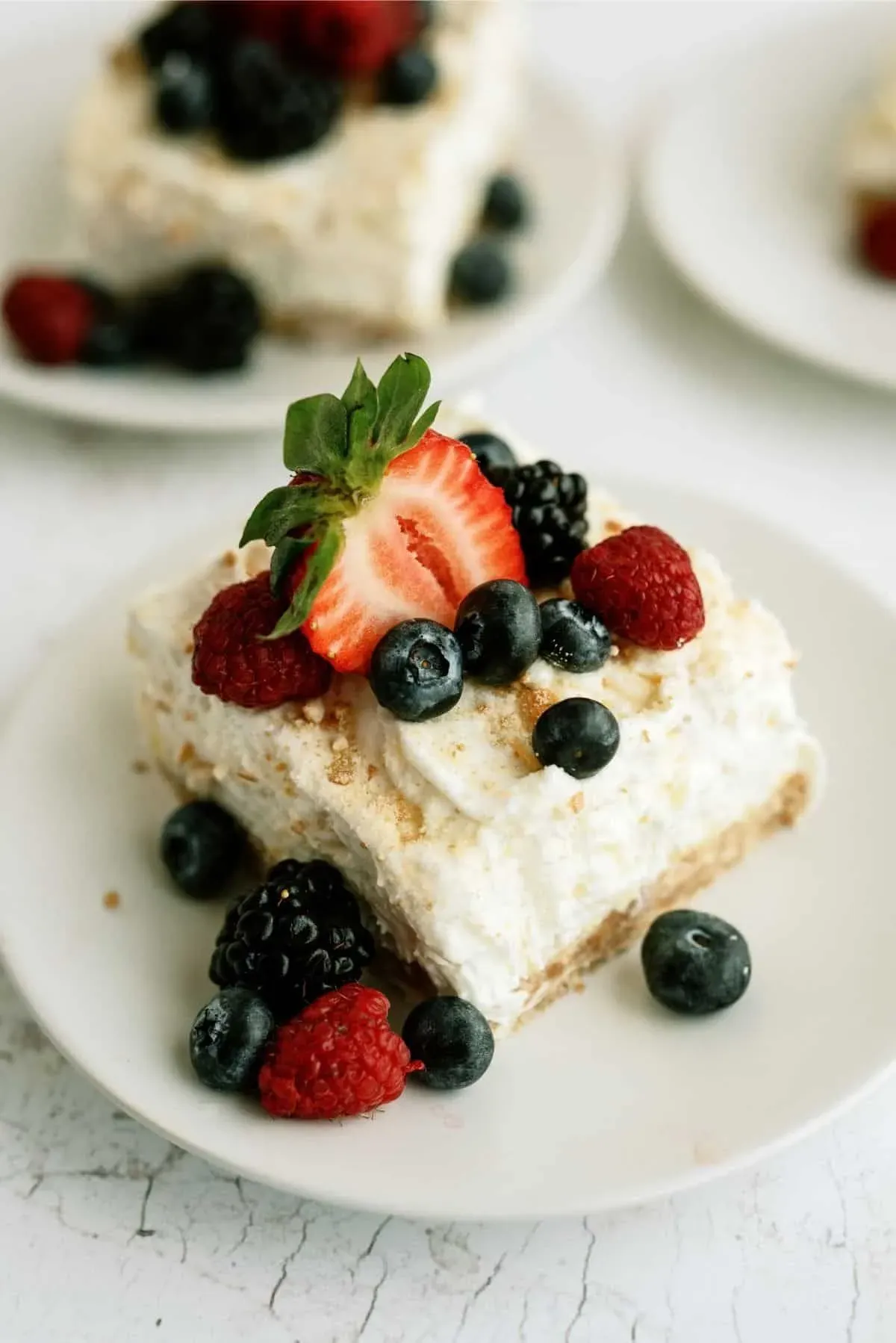
The Classic Companions: Wine and Port
So, you're ready to dive into cheese a dessert. Fantastic. Now, what do you sip alongside it? This is where things get interesting, and honestly, a little dangerous if you aren't careful. Forget the bone-dry red you had with your steak. For cheese after dinner, you're usually looking for something with a touch of sweetness or acidity to complement the richness. Port is a classic for a reason, especially with blue cheeses; that sweet, fortified punch stands up to the funk. Sweet wines like Sauternes or a late-harvest Riesling are divine with creamy or tangy cheeses like goat cheese or brie. The acidity cuts through the fat, and the sweetness highlights the cheese's subtle flavors. Don't overthink it too much, but a little thought here elevates the whole experience from just eating cheese to having a proper cheese a dessert moment.
Beyond the Bottle: Non-Alcoholic Sips and Food Friends
Maybe wine isn't your thing, or you've already had enough. No problem. You can still have a killer cheese a dessert experience with non-alcoholic options and smart food pairings. A strong, dark coffee can work wonders with aged, nutty cheeses. Even a good quality sparkling cider offers acidity and a hint of sweetness that pairs surprisingly well with many cheeses. When it comes to food sides, think textures and contrasting flavors. Crunchy nuts (like walnuts or pecans) offer a textural counterpoint. Dried fruits (figs, apricots) bring concentrated sweetness. A dollop of quince paste or fig jam is practically mandatory with some cheeses, providing a sticky, sweet contrast to salty or sharp notes. It's about building little flavor bombs on your plate.
- Honey: Drizzled over goat cheese or blue cheese.
- Fresh Fruit: Grapes, sliced apples, pears with firmer cheeses.
- Nuts: Walnuts, pecans, almonds for crunch.
- Quince Paste or Fig Jam: Classic with many hard and soft cheeses.
- Crusty Bread or Crackers: A neutral base for tasting.
- Dark Chocolate: Surprisingly good with aged cheddar or gouda.
Creating Synergy on the Plate
The real magic of cheese a dessert comes from how the components interact. It’s not just putting cheese on a plate; it’s about creating a little symphony of flavors and textures in each bite. Take that creamy brie. A sliver of cheese, a piece of fig jam, and a sip of Sauternes? That's a completely different experience than the cheese alone. The jam's sweetness and the wine's acidity cut the richness of the brie, while the brie smooths out the jam and wine. It’s less about finding a single "perfect" pairing and more about understanding how different elements play off each other. Experiment a little. You might find that a sharp cheddar with a slice of apple and a sip of iced tea is your personal revelation. The point is to make the end of your meal memorable, not just another course to finish.
Sweet Creations: Recipes Using Cheese a Dessert
Sweet Creations: Recipes Using Cheese a Dessert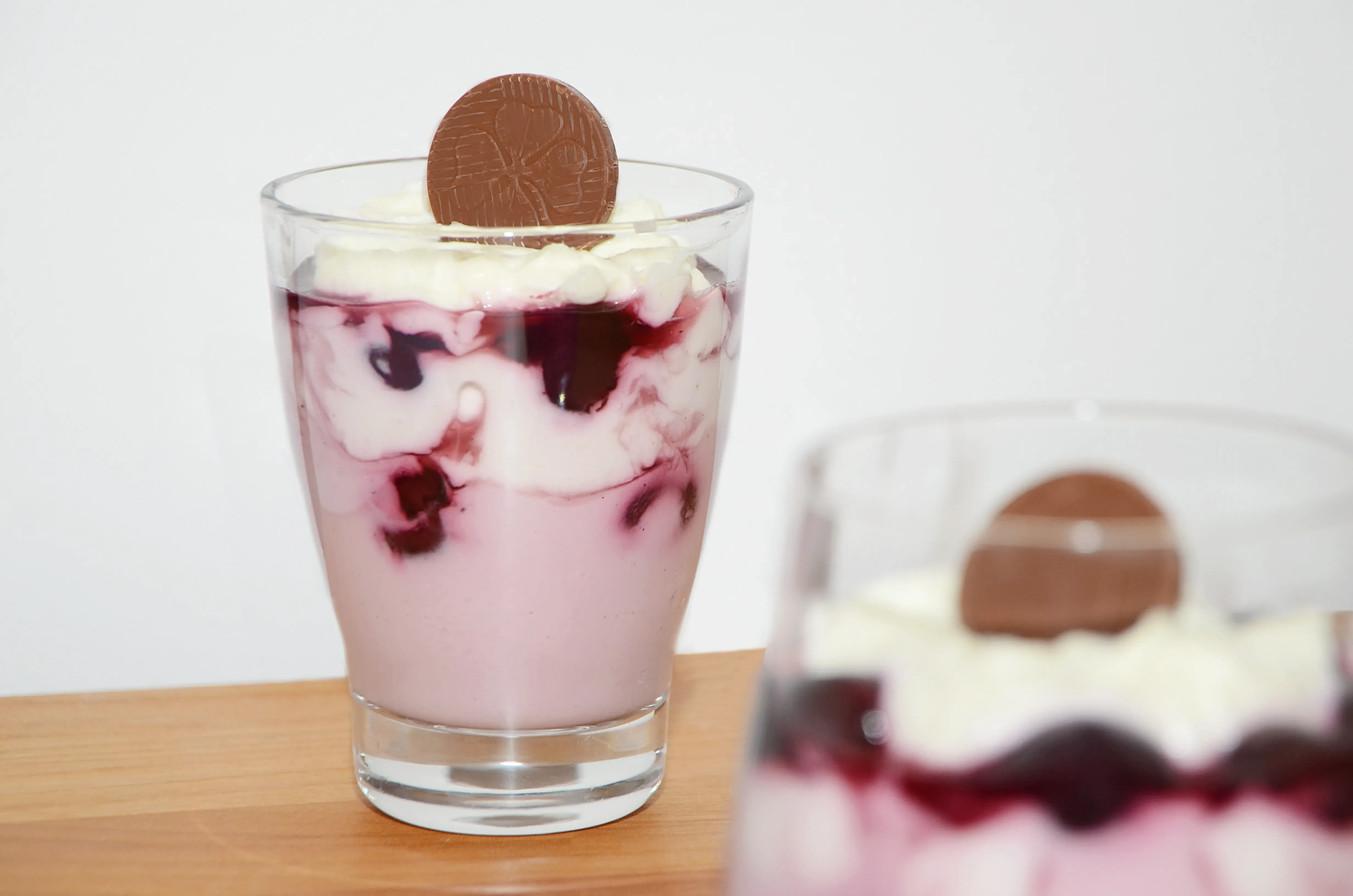
Simple Assemblages That Impress
Thinking about cheese a dessert doesn't automatically mean you need a pastry degree. Some of the most effective uses involve minimal effort but maximum impact. Consider a fresh, tangy goat cheese. Spoon it into small ramekins, drizzle generously with good quality honey, and sprinkle with toasted pistachios or fresh raspberries. That's it. It's creamy, sweet, tangy, and offers crunch. Another easy win: thick slices of aged cheddar or gouda served with apple slices and a few dates. The sharp, nutty cheese against the crisp, sweet fruit and chewy dates creates a satisfying textural and flavor contrast. These aren't complex recipes; they're smart pairings that highlight the cheese.
Stepping Up Your Cheese Dessert Game
Ready to put in a little more work? You can transform cheese into more structured desserts without getting bogged down. A classic example is a no-bake cheesecake using ricotta, cream cheese, and mascarpone. The ricotta lightens the texture, while the mascarpone adds incredible richness. Serve it with a simple berry compote or a dark chocolate ganache. Another idea: baked feta with honey and thyme. The salty, briny feta softens beautifully in the oven, becoming warm and spreadable. Drizzle with honey and fresh thyme leaves for an unexpected sweet and savory finish. These require a bit more assembly but are far less intimidating than a layered cake.
- Goat Cheese Puddings with Honey & Raspberries
- Triple-Cheese No-Bake Cheesecake
- Baked Feta with Honey and Thyme
- Ricotta Fritters with Lemon Zest
- Savory Cheese Tarts with Fruit
- Blue Cheese and Fig Tarts
Beyond the Expected: Adventures in Cheese Desserts
For those who truly want to explore the potential of cheese a dessert, there's a world of more adventurous recipes. Ever tried Parmigiano-Reggiano ice cream? It sounds bizarre, but the salty, nutty complexity of the cheese makes for a surprisingly sophisticated frozen treat, especially when paired with balsamic reduction. Or consider incorporating blue cheese into a dark chocolate mousse; the pungent notes of the cheese can complement the bitterness of the chocolate in a fascinating way. These recipes push the boundaries, proving that cheese isn't just a savory player; it can be the star of a truly unique sweet creation.
Making Cheese a Dessert a Regular Habit
Making Cheese a Dessert a Regular Habit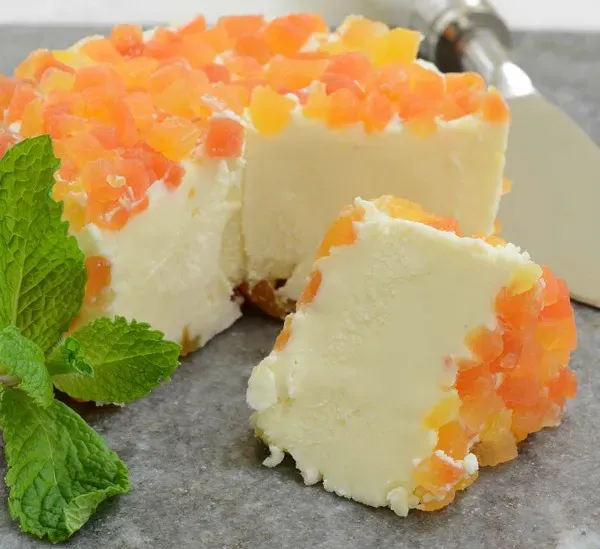
Integrating the Cheese Course
So, you've tasted the difference. You get why cheese a dessert isn't just for fancy evenings out. How do you make this a regular thing without it feeling like a production? Start small. Instead of automatically reaching for ice cream, grab a wedge of that aged cheddar or a small log of goat cheese you have in the fridge. Pair it with a few nuts or a spoonful of jam. It takes seconds. Keep a few different types of cheese on hand – one soft, one firm, maybe a small piece of blue – so you have options depending on your mood or what you ate for dinner. Think of it as a sophisticated snack that happens to follow your main course. It's less about a grand presentation and more about enjoying simple, quality ingredients as a satisfying end to your meal.
Making the Case for Cheese as Your Final Course
So there you have it. We've moved beyond the tired notion that dessert must involve copious amounts of sugar and artificial colors. Embracing cheese a dessert offers a genuinely satisfying, complex, and frankly, more adult way to finish a meal. It respects your palate, provides a textural counterpoint, and opens up a whole world of pairing possibilities that go far beyond a simple glass of milk. Whether you opt for a simple wedge of perfectly ripe Stilton or dive into a baked ricotta creation, you're choosing flavor over fleeting sweetness. Give it a shot. Your taste buds will thank you, and you might just start a new, far more interesting, post-dinner tradition.