Table of Contents
Forget everything you thought you knew about traditional baklava. While the classic honey-nut version holds a special place in many hearts (and stomachs), there's a delightful variation making waves: the baklava cheese dessert. Imagine those signature crisp, buttery layers of phyllo, but instead of nuts, you find a creamy, sweet cheese filling nestled inside. It's a fusion that sounds maybe a little odd at first, but trust us, it works. This isn't some newfangled invention trying too hard; variations like Shaabiyat, a Middle Eastern sweet cheese pastry often compared to baklava, have been around for ages, proving the concept has serious staying power. If you're looking to try a dessert that’s familiar yet surprisingly different, diving into the world of baklava cheese dessert is your next move. We'll walk you through what makes this sweet treat tick, from the simple components to putting it all together, making it approachable for anyone ready to bake something truly memorable.
What Exactly is Baklava Cheese Dessert?
What Exactly is Baklava Cheese Dessert?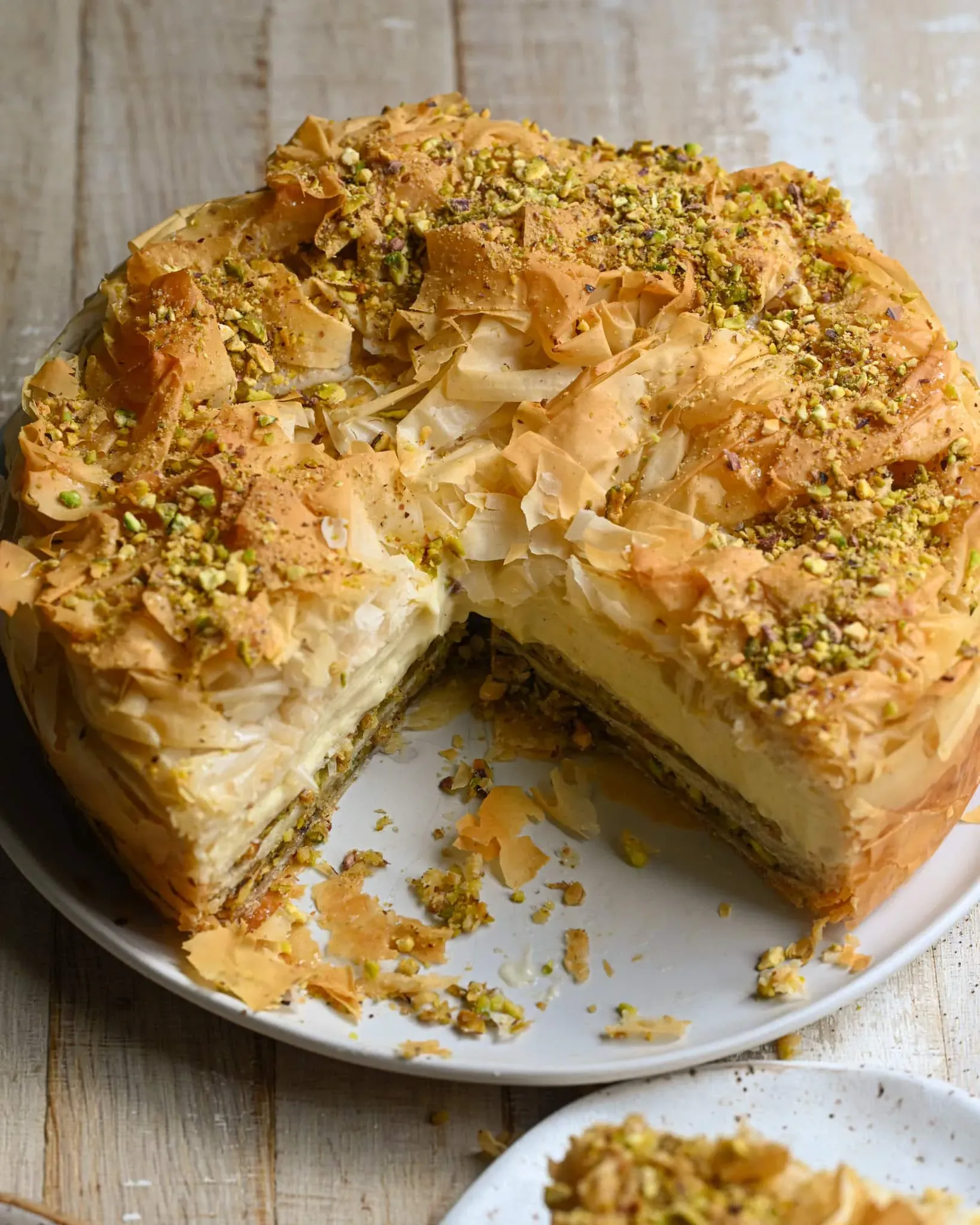
It's Baklava, But Make It Creamy
So, you've heard of baklava, right? Those sticky, sweet, nutty layers of phyllo dough drowning in syrup? The classic. Now, picture that flaky pastry structure, but instead of ground walnuts or pistachios packed inside, you find something entirely different: a smooth, often slightly tangy, sweet cheese filling.
That's the core idea behind a baklava cheese dessert. It takes the familiar crispness and syrupy sweetness of baklava and introduces a creamy counterpoint. It’s less about the crunch of nuts and more about the melt-in-your-mouth texture of the filling contrasting with the shatteringly crisp dough.
Think of it as a cousin to traditional baklava, sharing some DNA but definitely having its own distinct personality. It’s a dessert that can surprise you, especially if you're expecting the usual nutty experience.
The "Cheese" Part Isn't Always What You Think
Now, about that cheese. When we talk about the filling in a baklava cheese dessert, it's not necessarily a sharp cheddar or a salty feta, thankfully. Often, it's a sweet, soft cheese like ricotta or a fresh, unsalted cheese like akkawi or nabulsi, especially in Middle Eastern versions like Shaabiyat.
Sometimes, it's not even traditional cheese at all. Some recipes use a mixture of semolina or farina cooked with milk and sugar until it reaches a thick, pudding-like consistency, which mimics the texture of a soft cheese filling. This "ashta" or clotted cream substitute is incredibly common and gives that rich, dairy-based creaminess without the fermentation tang of actual cheese.
The goal is a sweet, mild, and creamy layer that holds its shape when baked but becomes wonderfully soft when warm, especially soaking up that syrup.
- Common "Cheese" Fillings:
- Sweetened Ricotta
- Akkawi or Nabulsi (Middle Eastern fresh cheeses)
- Ashta (Cooked milk/cream pudding)
- Semolina or Farina Pudding
- Cream Cheese (less traditional, but used in some variations)
A History Steeped in Regional Sweets
While "baklava cheese dessert" might sound like a modern mash-up, variations of sweet cheese pastries using phyllo or similar doughs have been around for centuries in the Eastern Mediterranean and Middle East. Shaabiyat is a prime example, a popular pastry that is essentially a cheese-filled triangle made with layers of phyllo, baked, and soaked in syrup.
These desserts often use local fresh cheeses or the aforementioned creamy puddings as the filling, showcasing regional ingredients and traditions. The technique of layering thin doughs, adding fillings, baking, and finishing with syrup is a common thread connecting many sweets across this part of the world, including baklava.
So, while you might see recipes simply labeled "baklava with cheese," they are often drawing from this rich history of pastries like Shaabiyat, adapting the concept for different palates or ingredient availability. It's a sweet tradition with deep roots, offering a different kind of indulgence compared to its nutty cousin.
Gathering Ingredients for Your Baklava Cheese Dessert
Gathering Ingredients for Your Baklava Cheese Dessert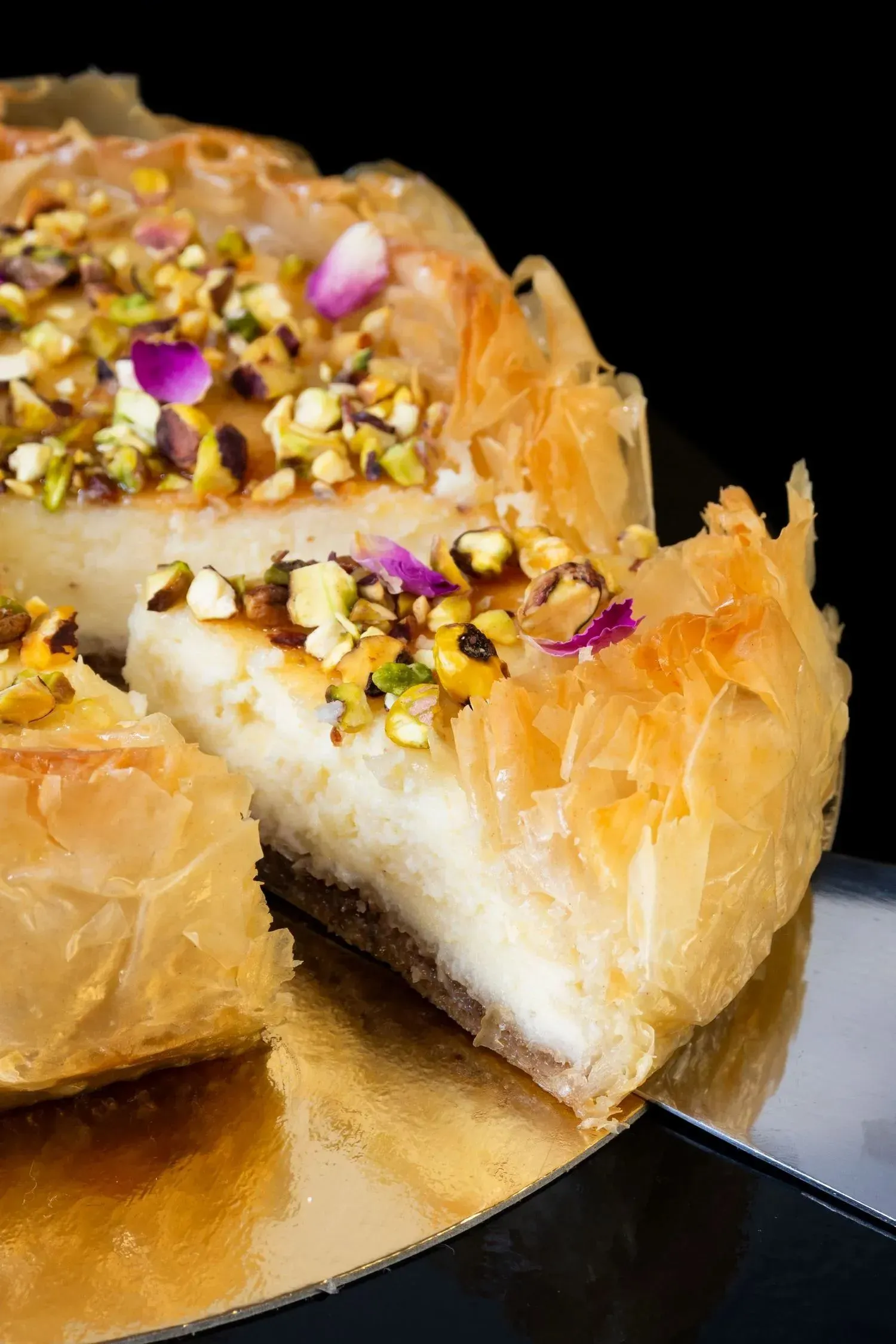
Stocking Your Pantry for Flaky Layers and Creamy Fillings
Alright, let's talk ingredients. If you're ready to tackle a baklava cheese dessert, you'll need a few key players. First up, the star pastry: phyllo dough. You'll find it in the freezer section of most grocery stores. This stuff is notoriously delicate, so plan ahead and let it thaw properly in the fridge overnight. You'll also need a generous amount of melted butter, usually unsalted, for brushing between those paper-thin layers. This is what gives baklava its incredible crispness. Don't skimp on the butter; it's non-negotiable for that signature texture.
Beyond the pastry, you need the makings for your filling. As we touched on earlier, this isn't always traditional cheese. It could be ricotta, or perhaps the ingredients for an ashta-style pudding – milk, sugar, cornstarch, maybe a touch of rose water or orange blossom water for that authentic Middle Eastern fragrance. You'll also need ingredients for the syrup, which is typically a simple mix of sugar, water, and lemon juice, often infused with those same floral waters or a cinnamon stick. And don't forget a garnish, usually finely chopped pistachios, to add color and a bit of contrasting texture on top of your beautiful baklava cheese dessert.
Choosing Your "Cheese" and Flavorings
Selecting the right filling is crucial for your baklava cheese dessert. If you're going the ricotta route, make sure it's whole milk ricotta for richness and drain it well to avoid a watery filling that could make your pastry soggy. For an ashta-style filling, the quality of your milk and cream matters. Using full-fat dairy will give you a creamier, more decadent result. The floral waters – rose and orange blossom – are potent, so use them judiciously. A few drops are usually enough to impart their distinct aroma without making the dessert taste like perfume.
When it comes to the syrup, the ratio of sugar to water determines its thickness. A thicker syrup will result in a gooier dessert, while a thinner syrup will soak in more readily, keeping the pastry slightly crisper initially. Experiment to find your preferred consistency. And while pistachios are traditional, you could technically use other nuts for garnish, but honestly, bright green pistachios just look the part on this kind of sweet.
Quick Ingredient Checklist:
- Frozen Phyllo Dough
- Unsalted Butter, melted
- Filling Ingredients (Ricotta, Milk, Sugar, Cornstarch, etc., depending on recipe)
- Syrup Ingredients (Sugar, Water, Lemon Juice)
- Flavorings (Rose Water, Orange Blossom Water, Cinnamon)
- Garnish (Chopped Pistachios)
Baking and Finishing Your Baklava Cheese Dessert
Baking and Finishing Your Baklava Cheese Dessert
Layering, Filling, and Prepping for the Oven
so you’ve got your thawed phyllo and melted butter ready to go. This is where the magic starts happening, but it also requires a bit of speed and a light touch. Phyllo dries out faster than a bad date conversation, so keep the unused sheets covered with a damp cloth or plastic wrap. You'll butter each layer individually before stacking them in your baking pan. Don't just blob it on; aim for an even brush across the entire sheet. Typically, you'll do half the phyllo layers, then spread your glorious sweet cheese filling evenly over the top, getting it right into the corners.
Once the filling is in place, you start layering the remaining phyllo sheets on top, buttering each one just like you did the first half. This meticulous layering is what gives you those hundreds of flaky layers everyone raves about. Before it goes anywhere near the oven, you absolutely *must* cut the baklava into portions. Triangles, squares, diamonds – pick your geometry. Cutting it now prevents the brittle, baked layers from shattering later. Use a sharp knife and cut all the way through to the bottom. A quick tip: heating your knife slightly can make this easier.
Baking to Golden Perfection and Syrupy Sweetness
Now for the heat. Pop your carefully cut baklava cheese dessert into a preheated oven, usually around 350°F (175°C). The baking time varies depending on your oven and the pan size, but you're looking for a beautiful golden-brown color on top, and crucially, you want to see those layers puff up and separate slightly on the sides. This usually takes anywhere from 45 minutes to over an hour. Keep an eye on it; if the top starts browning too quickly, you can loosely tent it with foil.
The moment it comes out of the oven, while it's still piping hot, you pour your prepared cold or lukewarm syrup all over the top. Yes, cold syrup on hot pastry is the standard technique to create that perfect soak without turning everything to mush immediately. You'll hear it sizzle – that's a good sign. Let it sit and soak up all that sweet goodness. Don't rush this part. It needs time to absorb. Finally, sprinkle generously with chopped pistachios for color and a bit of textural contrast against the soft filling and crisp pastry.
Serving Suggestions and Variations
Serving Suggestions and Variations
Serving Your Baklava Cheese Dessert Right
So, you've pulled this beautiful baklava cheese dessert out of the oven, it's soaked up that glorious syrup, and it's glistening with pistachios. The obvious first step is to let it cool down a bit. While some Middle Eastern sweets are best piping hot, this one benefits from settling. Serving it slightly warm allows the cheese filling to be wonderfully soft and gooey, contrasting perfectly with the crisp phyllo. If you cut into it too soon, the filling might just ooze out everywhere, which isn't exactly ideal for presentation (though arguably still delicious).
Portion size is another thing. Baklava, in general, is rich. This baklava cheese dessert, with its creamy filling and sweet syrup, is no exception. Small squares or triangles are usually sufficient. Serve it on a nice plate, maybe with a tiny drizzle of extra syrup if someone wants it even sweeter, or alongside a strong cup of Turkish coffee or mint tea. The bitterness of the drink cuts through the sweetness of the pastry beautifully. Don't stack pieces; let them breathe and show off those layers.
Mixing It Up: Baklava Cheese Dessert Variations
Once you've mastered the basic baklava cheese dessert, you might start thinking about putting your own spin on it. The most common variation involves the filling itself. Instead of just plain sweet cheese or ashta, you could infuse the filling with different flavors. A little lemon zest can brighten it up, or perhaps a touch of cardamom for a warmer spice note. Some people add a layer of nuts to the bottom phyllo layers before adding the cheese filling, creating a hybrid of the traditional and cheese versions.
The syrup is another area for creativity. While rose and orange blossom water are classic, you could make a simple lemon syrup, or even a honey-based syrup like traditional baklava, though the sugar syrup is more common with cheese fillings. Consider adding a cinnamon stick or star anise to the syrup as it simmers for a different aroma. Don't forget the garnish; while pistachios are standard, a sprinkle of toasted sesame seeds or shredded coconut could offer a different look and subtle flavor twist to your baklava cheese dessert.
- Filling Variations:
- Add lemon or orange zest
- Infuse with cardamom or cinnamon
- Swirl in a fruit compote (use sparingly!)
- Mix in finely chopped nuts (like almonds or walnuts)
Beyond the Nut: The Final Word on Baklava Cheese
So there you have it. The baklava cheese dessert, or Shaabiyat as you might know it, isn't just some fleeting trend. It’s a legitimate player in the world of Middle Eastern sweets, offering a creamy counterpoint to the familiar nutty crunch of classic baklava. Swapping walnuts for sweet cheese might sound like heresy to purists, but the combination of crisp phyllo, rich filling, and fragrant syrup simply works. It’s a dessert that surprises and satisfies, proving that sometimes, a little deviation from tradition yields something truly worthwhile. Give it a shot before you dismiss it; your taste buds might thank you.